


















Recovery After Exercise: Essential Strategies for Optimal Healing
Discover effective strategies for recovery after exercise to optimize your performance and health. Learn practical tips and techniques for better healing.
Table of Contents
Key Takeaways
- Understand the importance of recovery for performance.
- Explore nutrition and hydration strategies.
- Learn practical recovery techniques and their benefits.
- Discover common recovery myths and the truth behind them.
Recovering after exercise is an essential aspect of any fitness regimen. It involves various strategies that help your body heal and adapt to the stresses placed upon it during physical activity. Proper recovery leads to improved performance, reduced risk of injury, and enhanced overall well-being.
This article provides a comprehensive guide on the various methods and practices that can aid recovery after exercise. From nutrition to rest and active recovery techniques, we will cover practical steps you can take to ensure your body recovers effectively.
Understanding why recovery is crucial can motivate you to implement these practices into your routine. Recovery is not merely a passive process; it is an active one that includes various strategies to optimize your physical state after workouts.
The Importance of Recovery
Recovery is vital because it allows your muscles to repair and strengthen after exertion. When you exercise, especially during intense workouts, you create microtears in your muscle fibers. Recovery helps heal these tears, leading to muscle growth and improved strength. If you don’t allow your body adequate recovery time, you risk overtraining, which can lead to fatigue, decreased performance, and even injury.
Furthermore, recovery plays a crucial role in enhancing your mental well-being. Exercise releases endorphins, which can elevate your mood, but without proper recovery, you might experience burnout. Managing your recovery helps maintain motivation and enjoyment in your fitness journey.
Lastly, recovery is essential for preventing injuries. Overuse injuries, such as tendinitis or stress fractures, often stem from inadequate recovery. By prioritizing recovery, you can maintain a balanced training schedule and stay healthy.
Nutrition for Recovery
Nutrition is a key component of recovery. Consuming the right foods and fluids after exercise replenishes energy stores, repairs muscle tissue, and reduces inflammation. Here are some crucial nutritional strategies:
1. Replenish Glycogen Stores
After exercising, particularly after endurance workouts, your glycogen stores can be depleted. Consuming carbohydrates post-workout helps restore these stores. Aim for a ratio of about 3:1 carbohydrates to protein within 30 minutes of finishing your workout. This could be a smoothie with fruits, yogurt, and oats or a whole-grain sandwich with lean protein.
2. Prioritize Protein Intake
Protein is essential for muscle repair and growth. Include high-quality protein sources in your post-workout meal, such as chicken, fish, eggs, dairy, or plant-based options like beans and lentils. Ideally, aim for 10-20 grams of protein post-exercise to support recovery.
3. Don’t Forget Hydration
Dehydration can hinder recovery. Rehydrating after sweating is crucial for restoring blood volume and regulating body temperature. Water is often sufficient, but for extended or intense workouts, consider electrolyte drinks to replace lost minerals. Aim to drink at least 16-24 ounces of fluid for every pound lost during exercise.

Rest and Sleep
Rest is a fundamental aspect of recovery. Adequate sleep, in particular, is critical for physical recovery and mental health. During sleep, your body undergoes various repair processes, including muscle growth and hormone regulation.
1. Aim for Quality Sleep
Most adults need between 7 to 9 hours of sleep per night. Quality sleep improves recovery by promoting protein synthesis and muscle repair. Establishing a consistent sleep schedule, creating a bedtime routine, and optimizing your sleeping environment can enhance sleep quality.
2. Schedule Rest Days
Incorporating rest days into your training schedule is essential for long-term success. Rest days allow your muscles to recover and adapt, reducing the risk of injury. You don’t have to remain completely inactive; consider light activities like walking or yoga on rest days to promote blood flow without adding strain.
3. Listen to Your Body
Pay attention to how your body feels. If you are consistently sore or fatigued, it may be a sign that you need more recovery time. Adjust your training intensity and volume based on your body’s signals to avoid overtraining.
Active Recovery Techniques
Active recovery involves engaging in low-intensity activities that promote blood circulation without putting excessive strain on your body. These activities can enhance recovery by delivering nutrients to muscles and aiding in the removal of metabolic waste.
1. Light Aerobic Exercise
Engaging in light aerobic exercises, such as walking or cycling, can be beneficial for recovery. Aim for 20-30 minutes of low-intensity exercise to help maintain blood flow and reduce muscle soreness.
2. Stretching and Mobility Work
Incorporating stretching or mobility exercises can improve flexibility and help alleviate muscle tightness. Focus on dynamic stretching before workouts and static stretching afterward to enhance recovery.
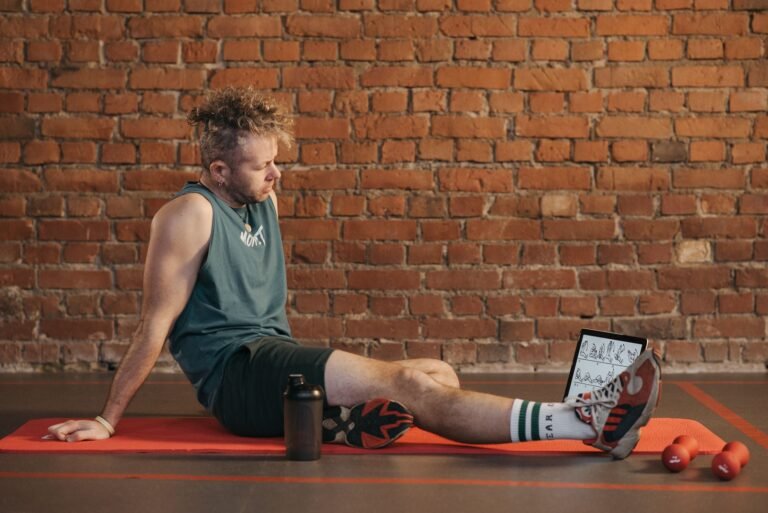
3. Foam Rolling
Foam rolling, also known as self-myofascial release, can alleviate muscle soreness and improve mobility. Spend a few minutes rolling out tight areas after workouts to promote relaxation and recovery.

Common Recovery Myths
There are several misconceptions about recovery that can lead to ineffective practices. Understanding the truth can help you optimize your recovery strategy.
1. More Exercise Equals Better Recovery
One common myth is that more exercise leads to faster recovery. In reality, overtraining can hinder recovery and increase the risk of injury. Balance is key; recovery is just as important as the workouts themselves.
2. Stretching Alone Is Enough
While stretching is beneficial, it is not a complete recovery solution. It should be combined with proper nutrition, hydration, and rest for optimal results.
3. You Should Feel Sore After Every Workout
Feeling sore is not a prerequisite for a successful workout. While some muscle soreness is normal, excessive soreness can indicate overtraining or insufficient recovery. Focus on listening to your body and adjusting your routine as needed.
Hydration Strategies for Recovery
Understanding Fluid Loss
During exercise, the body loses significant amounts of fluid through sweat, which can lead to dehydration if not properly managed. Even mild dehydration can impair recovery, affect muscle repair, and hinder overall performance. It’s important to recognize how different factors such as temperature, humidity, and exercise intensity impact fluid loss. For example, high-intensity workouts in hot weather can lead to greater fluid loss than moderate exercises in cooler conditions.
To maintain optimal hydration levels, athletes should monitor their fluid intake both during and after exercise. A good practice is to weigh yourself before and after workouts to gauge fluid loss. For every pound lost, it is recommended to drink approximately 16-24 ounces of water or electrolyte beverages to replenish what was lost.
Electrolyte Balance
In addition to water, electrolytes play a crucial role in recovery. Electrolytes such as sodium, potassium, calcium, and magnesium are essential for muscle function and hydration. They help regulate many bodily functions, including nerve impulses and muscle contractions. When exercising, especially for extended periods, it is essential to replace these electrolytes to prevent muscle cramps and fatigue.
Consider incorporating foods rich in electrolytes into your post-exercise meals. Some excellent options include:
- Bananas (potassium)
- Spinach (magnesium)
- Salted nuts (sodium)
- Dairy products (calcium)
- Coconut water (natural electrolyte drink)
For intense workouts lasting longer than an hour, electrolyte drinks or sports drinks can be beneficial. However, be mindful of the sugar content in many commercial drinks, and opt for lower-sugar options when possible.
Hydration Timing
Timing your hydration is just as important as the amount you consume. It’s essential to start hydrating before exercise begins. Aim to drink water regularly throughout the day, and consider consuming 16-20 ounces of water about two hours prior to your workout. During exercise, sip on fluids to maintain hydration levels, especially if you are engaging in prolonged or intense activities.
Post-exercise, continue to hydrate to help facilitate recovery. Aim to drink at least 20-24 ounces within the first hour after your workout, and continue replenishing fluids over the next few hours. If your workout was particularly intense or lengthy, consider incorporating electrolyte-rich beverages to aid in recovery.

Mental Recovery Techniques
The Role of Mindfulness in Recovery
Mental recovery is often overlooked but is crucial for overall recovery after exercise. Practicing mindfulness can help reduce stress and anxiety, which can be beneficial for physical recovery. Techniques such as meditation, deep breathing, and visualization can promote relaxation and enhance mental clarity.
Mindfulness practices can be easily integrated into your post-exercise routine. Setting aside just 10 to 15 minutes for mindfulness can help clear your mind, enhance focus, and improve the overall recovery process. Additionally, mindfulness can aid in injury prevention by promoting body awareness and understanding the limits of your physical capabilities.
Building a Positive Mindset
Having a positive mindset towards exercise and recovery can significantly impact your motivation and performance. Engaging in positive self-talk and affirmations can help promote a healthy mental state. Challenge negative thoughts that may arise after a tough workout and replace them with constructive affirmations that reinforce your commitment to your fitness journey.
Consider keeping a workout journal where you can log your achievements, feelings, and thoughts related to your exercise routine. This can help you reflect on your progress and maintain a positive outlook. Additionally, setting realistic goals can foster a sense of accomplishment and enhance your motivation.
Social Support for Mental Recovery
Social connections can play a vital role in mental recovery. Engaging with friends, family, or workout partners can provide emotional support and encouragement, helping to keep you motivated. Sharing your fitness journey with others can create a sense of community and accountability, which can be particularly beneficial during challenging times.
Consider joining local fitness groups, participating in team sports, or attending group classes to foster these connections. Engaging in group activities not only provides social interaction but can also enhance the enjoyment of physical activity. Research suggests that those who exercise with others are more likely to stick with their fitness routines.
Foam Rolling and Self-Myofascial Release
Understanding Foam Rolling
Foam rolling is a popular technique known as self-myofascial release, which targets muscle tightness and facilitates recovery. It involves using a foam roller to apply pressure to specific areas of the body, helping to release muscle knots and improve blood flow. This technique can be especially beneficial after intense workouts, as it aids in reducing muscle soreness and enhancing flexibility.
When using a foam roller, focus on areas that feel tight or sore. Roll slowly over each muscle group for about 30 seconds to 1 minute, allowing the pressure to release tension. Incorporating foam rolling into your post-exercise routine can significantly enhance your recovery process.
Benefits of Self-Myofascial Release
Self-myofascial release offers a range of benefits that contribute to improved recovery. Some of the key advantages include:
- Reduced muscle soreness after exercise
- Improved flexibility and range of motion
- Enhanced circulation to aid in recovery
- Increased muscle relaxation
- Faster recovery times
By incorporating foam rolling into your routine, you can experience these benefits firsthand, making it an effective addition to your recovery strategies.
Foam Rolling Techniques
To maximize the benefits of foam rolling, consider these effective techniques:
- Start with larger muscle groups such as the quads, hamstrings, and back before moving to smaller areas.
- Apply slow, controlled movements, and avoid rolling over bony areas or joints.
- Hold pressure on tight spots for 20-30 seconds to allow the muscle to relax.
- Incorporate deep breathing to enhance relaxation and improve the effectiveness of the technique.
- Ensure to hydrate adequately after foam rolling, as it can help flush out toxins released from the muscles.
By integrating foam rolling and self-myofascial release into your recovery routine, you can significantly enhance your post-exercise recovery and improve your overall performance.
For more information, see Cleveland Clinic.
Frequently Asked Questions
How long does recovery after exercise take?
The recovery time can vary based on workout intensity, individual fitness levels, and nutrition. Generally, it can take anywhere from a few hours to several days for complete recovery.
What are the best foods for recovery?
Foods rich in carbohydrates and protein, such as whole grains, lean meats, fish, eggs, fruits, and vegetables, are ideal for recovery. Hydration is also crucial.
Is active recovery necessary?
Active recovery is not strictly necessary but can enhance recovery by promoting blood flow and reducing muscle soreness. Light activities can be beneficial.
Can I skip recovery days?
Skipping recovery days is not advisable, as it can lead to fatigue and increased injury risk. Incorporating rest days is vital for long-term health and performance.
The Bottom Line
Recovery after exercise is a critical component of any fitness journey. By understanding the importance of nutrition, rest, and active recovery techniques, you can optimize your body’s healing processes and enhance your performance. Debunking common myths about recovery can further empower you to make informed decisions about your training and recovery strategy.
Was this page helpful?
Thanks for your feedback! What could we improve?
Thank you! Your feedback helps us improve our articles.
True Impact Health articles are written by our editorial team and based on reliable sources such as public health agencies, clinical guidelines and peer-reviewed research. This article has not yet been medically reviewed. Read our editorial process.
This content is for general information and is not a substitute for professional medical advice, diagnosis or treatment.