Understanding Syphilis Symptoms: Essential Insights for Everyone
Learn about syphilis symptoms, how to recognize them, and what steps to take for treatment and prevention.
By True Impact Health Editorial Team

Physician with experience in patient care and preventive medicine, focused on early detection, disease prevention and long-term wellness.
Reviewed this article on November 11, 2026.
View profile How we reviewUpdated on November 9, 2026 12 min read

Table of Contents
Key Takeaways
- Syphilis has distinct stages with varying symptoms.
- Early detection is crucial for effective treatment.
- Regular testing is important for sexually active individuals.
- Consult healthcare professionals for accurate diagnosis.
Syphilis is a sexually transmitted infection (STI) caused by the bacterium Treponema pallidum. It is crucial to understand the symptoms of syphilis, as early detection and treatment can prevent serious health complications. This guide will help you identify the symptoms, understand the stages of the infection, and learn effective prevention strategies.
Many people infected with syphilis may not show symptoms initially, which can lead to the spread of the disease. Regular testing and awareness of the signs are vital for anyone who is sexually active. This article will explore the symptoms of syphilis in detail, focusing on its various stages and differences in symptom presentation.
Recognizing the symptoms of syphilis can be challenging, but being informed can empower individuals to take charge of their sexual health. Let’s break down the symptoms associated with each stage of syphilis, along with practical insights on what to do if you suspect you have been infected.
Primary Stage Symptoms
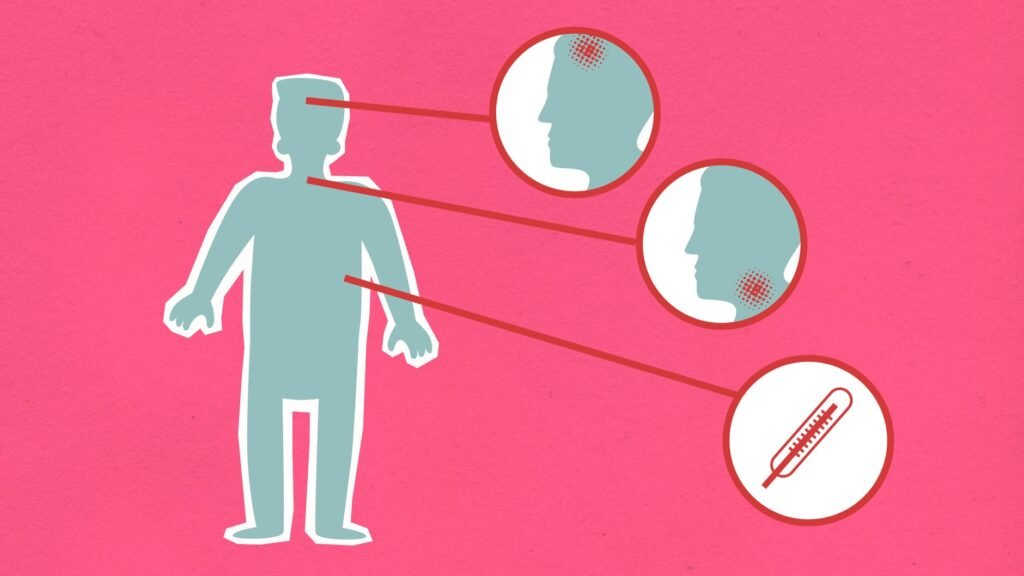
The primary stage of syphilis usually occurs about three weeks after exposure. The most noticeable symptom is the appearance of a single sore, known as a chancre. This sore typically develops at the site where the bacteria entered the body, such as the genitals, anus, or mouth.
Chancres are usually painless and can go unnoticed, leading to the risk of continued transmission. In some cases, multiple sores may appear. Other symptoms that may accompany the chancre include:
- Swollen lymph nodes in the groin or near the sore
- Fever or mild body aches
- Fatigue or general malaise
It is essential to seek medical attention if you notice any of these symptoms, as untreated primary syphilis can progress to the secondary stage.
Secondary Stage Symptoms
If primary syphilis is left untreated, it can progress to the secondary stage, which typically occurs a few weeks to months after the initial sore heals. During this stage, the bacteria spread throughout the body, leading to a variety of symptoms.
Common symptoms during the secondary stage include:
- Rash: This rash may appear as rough, reddish-brown spots on the body, often starting on the trunk and spreading to other areas, including the limbs and face.
- Mucous membrane lesions: These are gray or white patches that can appear in the mouth or on the genitals.
- Flu-like symptoms: Individuals may experience fatigue, fever, sore throat, and swollen lymph nodes.
- Hair loss: Some individuals may notice patchy hair loss during this stage.
As with the primary stage, many of these symptoms can be mild and may resolve on their own. However, the lack of treatment can result in the disease progressing to the latent and tertiary stages.
Latent and Tertiary Stage Symptoms
After the secondary stage, syphilis can enter a latent phase where there are no visible symptoms. This phase can last for years, but the bacteria remain in the body and can still be transmitted to others. If left untreated, syphilis can progress to the tertiary stage, which can occur 10 to 30 years after the initial infection.
The tertiary stage is serious and can cause severe health complications, including:
- Cardiovascular problems: Syphilis can lead to damage of the heart and blood vessels, resulting in potential heart disease.
- Neurological issues: This can include conditions such as meningitis, stroke, or cognitive decline.
- Gummatous syphilis: This refers to the formation of large lumps called gummas that can occur on the skin, bones, or internal organs.
At this stage, treatment is still possible but may not reverse all damage done to the body. Therefore, recognizing and treating syphilis early is paramount.
How Syphilis is Diagnosed
Diagnosing syphilis typically involves a combination of medical history, physical examination, and laboratory testing. If you suspect you have syphilis, it is crucial to consult a healthcare professional for proper evaluation and testing.
Common diagnostic methods include:
- Blood tests: These can detect antibodies produced in response to the syphilis infection.
- Fluid sample tests: If a chancre is present, fluid from the sore may be tested for the bacteria.
- Physical examination: A healthcare provider will conduct a thorough examination to identify any sores or rashes.
Early diagnosis improves treatment outcomes and reduces the risk of complications. If you have been diagnosed with syphilis, it is essential to inform your sexual partners so they can also seek testing and treatment.

Treatment Options for Syphilis
Treatment for syphilis is straightforward and effective, primarily involving antibiotics. The most commonly prescribed antibiotic is penicillin, which is highly effective in all stages of syphilis.
The specific treatment plan may vary based on the stage of the infection:
- Primary and secondary syphilis: Typically treated with a single injection of penicillin.
- Latent syphilis: May require more than one injection, depending on the duration of the infection.
- Tertiary syphilis: Treatment may be more complex and might involve extended courses of antibiotics.
After treatment, follow-up testing is essential to ensure that the infection has been cleared. Symptoms may resolve, but any damage caused by the infection, particularly in the tertiary stage, may not be reversible.
Prevention Strategies
Preventing syphilis requires proactive measures, particularly for those who are sexually active. Here are some effective strategies to reduce the risk of infection:
- Use condoms: Condoms provide a barrier that can significantly reduce the risk of transmitting syphilis and other STIs.
- Regular testing: Routine STI screenings are essential, especially for sexually active individuals with multiple partners.
- Limit sexual partners: Reducing the number of sexual partners can decrease the likelihood of exposure to syphilis.
- Communicate with partners: Open discussions about sexual health and STI testing with partners can help ensure mutual safety.
Education about syphilis and other STIs is crucial for effective prevention. Understanding the symptoms and transmission methods can empower individuals to make informed decisions regarding their sexual health.

Understanding Congenital Syphilis: Risks and Prevention
What is Congenital Syphilis?
Congenital syphilis occurs when a pregnant person transmits the syphilis infection to their unborn child. This can happen at any stage of pregnancy and can lead to serious health complications for the infant. The risks of congenital syphilis are significantly heightened if the mother is untreated during pregnancy. It is crucial for expectant mothers to receive regular prenatal care, including testing for sexually transmitted infections (STIs), as syphilis can have devastating effects on both the mother and child.
Risks Associated with Congenital Syphilis
Congenital syphilis can result in a range of severe health issues for newborns. Some of the risks include:
- Low birth weight
- Premature birth
- Stillbirth
- Neurological issues
- Bone deformities
- Skin rashes
Infants born with congenital syphilis may also face long-term health problems, including developmental delays, hearing loss, and vision issues. Early identification and treatment of syphilis infection in pregnant individuals can drastically reduce these risks.
Prevention Strategies for Congenital Syphilis
Preventing congenital syphilis involves comprehensive strategies that focus on education, testing, and treatment. Here are some effective prevention measures:
- Regular screening for syphilis during pregnancy, especially in the first trimester.
- Immediate treatment with appropriate antibiotics if a syphilis infection is detected.
- Education on safe sex practices to reduce the risk of STIs.
- Access to healthcare services for all pregnant individuals to ensure early detection and management of infections.
By implementing these prevention strategies, the rate of congenital syphilis can be significantly reduced, ensuring better health outcomes for mothers and their babies.
Syphilis and Co-infections: Understanding the Risks
The Link Between Syphilis and Other STIs
Individuals infected with syphilis are at an increased risk of contracting other sexually transmitted infections (STIs), including HIV. This is due to the compromised state of the mucous membranes in the genital area during syphilis infection, making it easier for other pathogens to enter the body. Moreover, the presence of syphilis can exacerbate the progression of other STIs, leading to more severe health implications.
Common Co-infections with Syphilis
Some of the common STIs that can occur alongside syphilis include:
- HIV
- Gonorrhea
- Chlamydia
- Herpes Simplex Virus (HSV)
These co-infections can complicate treatment and management of syphilis, making it vital for individuals diagnosed with syphilis to undergo screening for other STIs. Managing multiple infections can improve the overall health of the individual and reduce the risk of transmission to others.
Managing Co-infections Effectively
Effective management of syphilis and its co-infections involves a comprehensive approach that includes:
- Regular STI screenings for all sexually active individuals, particularly those with multiple partners.
- Prompt treatment of all identified infections to minimize complications.
- Education on safe sexual practices to reduce the risk of transmission.
- Consistent follow-up care to monitor the effectiveness of treatment and address any recurring issues.
By addressing co-infections, individuals can improve their overall health outcomes and lower the risk of spreading infections to their partners.

Psychosocial Impact of Syphilis: Addressing Mental Health
The Emotional Toll of a Syphilis Diagnosis
Receiving a diagnosis of syphilis can lead to a range of emotional responses, including shock, anxiety, guilt, and depression. The stigma associated with STIs can exacerbate these feelings, making it challenging for individuals to seek support. It is essential to recognize that syphilis is a medical condition that can be treated and managed, and addressing the emotional aspects is just as important as physical treatment.
Support Systems for Individuals Diagnosed with Syphilis
Creating a supportive environment can play a significant role in helping individuals cope with a syphilis diagnosis. Some effective support systems include:
- Counseling services that specialize in sexual health.
- Support groups where individuals can share their experiences and feelings.
- Open communication with partners about the diagnosis and treatment options.
- Education on the nature of the disease to reduce feelings of shame and isolation.
By fostering a supportive network, individuals can better cope with the emotional challenges of their diagnosis and move towards recovery.
Promoting Mental Health in Syphilis Management
Addressing mental health is crucial in the comprehensive management of syphilis. Strategies to promote mental well-being include:
- Encouraging open discussions about sexual health without judgment.
- Providing resources for mental health professionals who understand the stigma surrounding STIs.
- Incorporating stress-reduction techniques, such as mindfulness and relaxation exercises, into daily routines.
- Promoting self-care practices to enhance overall emotional health.
By prioritizing mental health alongside physical treatment, individuals can achieve a more holistic recovery and maintain healthy relationships moving forward.
Understanding Syphilis Transmission
Modes of Transmission
Syphilis is primarily transmitted through direct contact with syphilitic sores, which can occur during sexual activity, including vaginal, anal, or oral sex. These sores can be found on the genitals, anus, or mouth, making it possible to contract the disease even if the infected person shows no symptoms.
In addition to sexual contact, syphilis can also be transmitted from an infected mother to her baby during pregnancy or childbirth. This form of transmission is known as congenital syphilis and can result in serious health complications for the newborn.
- Direct contact with syphilis sores during sexual activity
- Mother to baby transmission during pregnancy or childbirth
- Less commonly, through blood transfusions or shared needles
Risk Factors for Transmission
Certain factors can increase the risk of contracting syphilis. Engaging in unprotected sex, having multiple sexual partners, and having a history of sexually transmitted infections (STIs) all elevate the likelihood of transmission. Additionally, individuals with compromised immune systems or those who engage in high-risk behavior are at a greater risk.
Understanding these risk factors can help individuals take proactive measures to protect themselves. Regular STI screenings, open communication with partners about sexual health, and practicing safer sex can all contribute to reducing the risk of syphilis transmission.

Complications of Untreated Syphilis
Long-Term Health Effects
If left untreated, syphilis can lead to severe health complications that affect multiple organ systems. In the late stages of the disease, it can cause damage to the heart, brain, and other vital organs. This can result in serious conditions such as cardiovascular disease, neurosyphilis, and even death.
Additionally, untreated syphilis can significantly impact an individual’s overall health and quality of life. Early detection and treatment are crucial in preventing these severe outcomes.
Impact on Reproductive Health
For individuals with syphilis, especially women, the infection can lead to complications related to reproductive health. Untreated syphilis during pregnancy can lead to congenital syphilis, which may cause stillbirth, premature birth, or severe health issues in newborns.
Furthermore, syphilis can increase the risk of HIV transmission, complicating the sexual health landscape for those affected. Regular testing and prompt treatment are vital for maintaining reproductive health.
Myths and Misconceptions about Syphilis
Dispelling Common Myths
There are several myths surrounding syphilis that can hinder awareness and prevention efforts. One common misconception is that syphilis only affects certain populations or demographics. In reality, it can affect anyone, regardless of age, race, or sexual orientation.
Another myth is that syphilis is a disease of the past and is no longer a concern in modern society. However, syphilis rates have been rising in many areas, highlighting the importance of education and awareness.
- Syphilis can affect anyone, not just specific groups.
- It is not a disease of the past; rates are increasing.
- Effective treatment is available, and early detection is key.
The Importance of Education
Education plays a crucial role in combating the spread of syphilis. By dispelling myths and raising awareness about symptoms, transmission, and prevention, communities can better protect themselves. Public health campaigns and sexual health education can significantly reduce stigma and encourage individuals to seek testing and treatment.
Engaging with healthcare providers, participating in community health initiatives, and sharing information can help foster a more informed population capable of making healthier choices.
For more information, see CDC.
Frequently Asked Questions
What are the early signs of syphilis?
The early signs of syphilis typically include the development of a painless sore called a chancre, which may be accompanied by swollen lymph nodes and mild flu-like symptoms.
Can syphilis be cured?
Yes, syphilis can be effectively cured with appropriate antibiotic treatment, especially when diagnosed early.
How is syphilis transmitted?
Syphilis is primarily transmitted through direct contact with a syphilis sore during sexual activity, including vaginal, anal, or oral sex.
Is it possible to have syphilis without symptoms?
Yes, it is possible to be infected with syphilis and not show any symptoms, particularly during the latent stage. Regular testing is important for sexually active individuals.
The Bottom Line
Understanding syphilis symptoms is essential for early detection and treatment. With distinct stages and varying symptoms, recognizing the signs can help prevent serious health complications. Regular testing and open communication about sexual health are crucial for effective prevention. If you suspect you have syphilis or have been exposed, seek medical advice promptly to ensure appropriate care.
Was this page helpful?
Thanks for your feedback! What could we improve?
Thank you! Your feedback helps us improve our articles.
Medically reviewed by
Dr. Bernard ReynoldsPhysician with experience in patient care and preventive medicine, focused on early detection, disease prevention and long-term wellness.
True Impact Health articles are written by our editorial team and based on reliable sources such as public health agencies, clinical guidelines and peer-reviewed research. This article has been checked by a doctor on our review panel. Read our editorial process.
This content is for general information and is not a substitute for professional medical advice, diagnosis or treatment.