



















How to Read a Complete Blood Count: Essential Insights
Learn how to read a complete blood count with clear explanations of each component and its significance for your health.
By True Impact Health Editorial Team

Medical doctor and clinical researcher focused on preventive medicine, chronic disease and clear, evidence-based health communication.
Reviewed this article on November 11, 2026.
View profile How we reviewUpdated on November 11, 2026 11 min read

Table of Contents
Key Takeaways
- Understand the key components of a CBC.
- Recognize what abnormal results may indicate.
- Learn how to interpret your blood count results effectively.
- Know when to consult a healthcare professional.
Understanding a Complete Blood Count
A complete blood count (CBC) is a comprehensive blood test that evaluates a variety of factors in your blood, including red blood cells, white blood cells, and platelets. This test plays a crucial role in diagnosing conditions such as anemia, infection, and many other disorders. Understanding how to read your CBC results can empower you to better communicate with your healthcare provider about your health.
The CBC is typically performed as part of a routine examination or when you have specific symptoms that warrant further investigation. Results from this test can help identify potential health issues early on, allowing for timely intervention and treatment. In this guide, we will break down the components of a CBC and explain how to interpret the results.
Blood comprises multiple components, each serving a unique function in maintaining your overall health. The CBC provides a snapshot of these components, making it an invaluable tool in medical diagnostics.

Key Components of a Complete Blood Count
The CBC measures several critical components in the blood, including:
- Red Blood Cells (RBC): These cells are responsible for transporting oxygen from the lungs to the rest of the body and returning carbon dioxide back to the lungs for exhalation.
- Hemoglobin (Hgb): This protein in red blood cells carries oxygen. Hemoglobin levels are vital for understanding oxygen transport capacity.
- Hematocrit (Hct): This indicates the percentage of blood volume that is made up of red blood cells.
- White Blood Cells (WBC): These cells are crucial for the immune response, defending the body against infections and other diseases.
- Platelets: These are small cell fragments that play a key role in blood clotting.
- Mean Corpuscular Volume (MCV): This measures the average size of red blood cells, helping to categorize types of anemia.
- Mean Corpuscular Hemoglobin (MCH): This indicates the average amount of hemoglobin per red blood cell.
- Mean Corpuscular Hemoglobin Concentration (MCHC): This measures the concentration of hemoglobin in a given volume of red blood cells.
- Red Cell Distribution Width (RDW): This indicates the variation in size of red blood cells.
Each of these components provides insight into different aspects of your health and can indicate various medical conditions. Understanding these elements can help you comprehend your CBC results more effectively.
Interpreting Your CBC Results
Once you receive your CBC results, it can be daunting to decipher what the numbers mean. Here’s a guide to interpreting some common values:
| Component | Normal Range | Potential Issues |
|---|---|---|
| Red Blood Cells (RBC) | 4.7 – 6.1 million cells/µL (men), 4.2 – 5.4 million cells/µL (women) | Low levels may indicate anemia, high levels may indicate dehydration or polycythemia. |
| Hemoglobin (Hgb) | 13.8 – 17.2 g/dL (men), 12.1 – 15.1 g/dL (women) | Low levels can suggest anemia; high levels may indicate respiratory issues or other conditions. |
| Hematocrit (Hct) | 40.7 – 50.3% (men), 36.1 – 44.3% (women) | Low levels may indicate anemia; high levels can suggest dehydration. |
| White Blood Cells (WBC) | 4,500 – 11,000 cells/µL | High levels may indicate infection or inflammation; low levels can suggest bone marrow disorders or autoimmune diseases. |
| Platelets | 150,000 – 450,000 cells/µL | Low levels can lead to bleeding problems; high levels may indicate inflammation or other conditions. |
These ranges can vary slightly depending on the laboratory performing the test, so it’s important to discuss your specific results with your healthcare provider.
Common Conditions Indicated by CBC Results
A CBC can provide valuable information that may lead to the identification of various medical conditions. Below are some of the common conditions that might be indicated by abnormal CBC results:
- Anemia: A condition characterized by a deficiency of red blood cells or hemoglobin, leading to fatigue and weakness.
- Leukemia: A type of cancer that affects the blood and bone marrow, resulting in high white blood cell counts.
- Infection: Elevated white blood cell counts often indicate an ongoing infection in the body.
- Thrombocytopenia: Low platelet counts can lead to increased bleeding and bruising, which may indicate various underlying conditions.
- Polycythemia: An increase in red blood cells, which can be a response to low oxygen levels or a bone marrow disorder.
Recognizing these conditions can prompt further diagnostic testing and treatment, making the CBC an essential tool in healthcare.
Practical Tips for Understanding Your CBC
When reviewing your CBC results, keep the following tips in mind:
- Always consult with a healthcare professional for an accurate interpretation of your results.
- Ask questions if you don’t understand specific components of your CBC. Knowledge is key to managing your health.
- Compare your results to previous CBC tests to identify trends over time, which can be more informative than a single test.
- Keep track of any symptoms you may be experiencing, as these can help your doctor correlate your CBC results with your overall health.
When to Seek Medical Advice
If you receive your CBC results and notice any abnormalities, it’s crucial to follow up with your healthcare provider. They may recommend further testing or investigations based on your results and any symptoms you may be experiencing.
For example, if your results indicate low hemoglobin levels, you may experience fatigue, dizziness, or shortness of breath. In such cases, your healthcare provider might suggest dietary changes, supplements, or further testing to determine the underlying cause.
It’s also important to seek advice if you have any symptoms that concern you, regardless of your CBC results. Early intervention can be key in managing health conditions effectively.

The Role of CBC in Monitoring Chronic Conditions
A Complete Blood Count (CBC) is not just a diagnostic tool; it plays a crucial role in monitoring ongoing health conditions. For individuals with chronic illnesses, regular CBC tests can provide essential insights into their health status and guide treatment adjustments.
1. Diabetes Management
For patients with diabetes, monitoring blood components can help evaluate the effectiveness of their management plan. Anomalies in white blood cell (WBC) counts may indicate infections, while changes in hemoglobin levels can reflect complications such as anemia or dehydration.
- WBC Count: High levels may suggest infection, which is critical for diabetic patients at risk of complications.
- Hemoglobin A1c: While not part of a CBC, it complements the test by providing a gauge of long-term glucose control.
- Platelet Count: Monitoring can help assess cardiovascular risks associated with diabetes.
Regular CBC testing allows for timely interventions, ensuring that diabetes management remains effective and that any complications are addressed swiftly.
2. Monitoring Hematological Disorders
Patients with known hematological disorders, such as sickle cell disease or thalassemia, require regular CBC tests to monitor their condition. These tests provide ongoing data about blood cell counts, which is critical for adjusting treatments and managing symptoms.
- Red Blood Cells (RBC): Monitoring RBC levels can help assess the severity of anemia, guiding transfusion decisions.
- Hemoglobin Levels: Tracking hemoglobin concentration can indicate disease progression or response to therapy.
- Reticulocyte Count: This can provide insights into bone marrow function and the body’s response to anemia.
By understanding how often to conduct CBC tests and what to look for in the results, patients and healthcare providers can work together to manage these complex conditions effectively.
3. Evaluating Response to Treatment
CBC tests are integral in evaluating how well a patient is responding to treatment for various conditions. Whether monitoring chemotherapy for cancer or assessing the effectiveness of iron supplementation for anemia, CBC results can reveal trends that inform ongoing care.
- Trends Over Time: Tracking CBC results over time can indicate whether a treatment is working or if adjustments are necessary.
- Side Effects: Certain treatments may affect blood cell counts, and CBC can help identify these adverse effects early.
- Personalized Treatment Plans: CBC results can help tailor treatments to individual patient needs based on their unique response.
By leveraging CBC data, healthcare providers can make informed decisions that enhance treatment efficacy and patient comfort.
The Impact of Lifestyle Choices on CBC Results
Understanding how lifestyle choices affect CBC results can empower individuals to take charge of their health. Factors such as diet, exercise, and stress levels can significantly influence blood components, leading to variations in CBC results.
1. Nutrition and Diet
A balanced diet is essential for maintaining healthy blood cell levels. Nutritional deficiencies can lead to anemia, leukopenia, or other blood disorders. Key nutrients that impact CBC results include iron, vitamin B12, and folate.
- Iron: Essential for hemoglobin production; deficiency can cause iron-deficiency anemia.
- Vitamin B12: Critical for RBC formation; deficiency may lead to pernicious anemia.
- Folate: Important for DNA synthesis; low levels can result in megaloblastic anemia.
Eating a varied diet rich in fruits, vegetables, lean proteins, and whole grains can help maintain optimal CBC levels and overall health.
2. Exercise and Physical Activity
Regular physical activity can positively influence blood health. Exercise stimulates circulation, enhances oxygen delivery to tissues, and can even promote the production of red blood cells. However, excessive exercise without proper recovery can lead to issues such as overtraining syndrome and altered blood counts.
- Moderate Exercise: Promotes healthy circulation and may improve overall blood composition.
- High-Intensity Training: May require monitoring of RBC and hemoglobin levels to prevent overtraining-related anemia.
- Recovery: Ensuring adequate rest is crucial to maintaining balanced blood health.
Incorporating a balanced exercise regimen while being mindful of the body’s needs can help optimize CBC results.
3. Stress and Mental Health
Chronic stress can have profound effects on physical health, including alterations in CBC results. Stress may lead to changes in WBC counts, which can affect immune response and overall health. Understanding the connection between mental and physical health is vital.
- Cortisol Levels: Chronic stress increases cortisol, which can suppress WBC production.
- Immune Function: Stress can lead to decreased immunity, making the body more susceptible to infections.
- Mindfulness Practices: Techniques such as meditation and yoga can help reduce stress and potentially improve CBC results.
Focusing on mental health and stress management is as important as physical health when it comes to maintaining balanced CBC results.

Advanced CBC Testing Techniques and Innovations
As technology advances, so do the methods for analyzing Complete Blood Counts. These innovations enhance precision, speed, and the ability to detect abnormalities that traditional methods might miss.
1. Automated Blood Analyzers
Automated blood analyzers have revolutionized CBC testing. These machines can perform multiple tests simultaneously, providing a comprehensive analysis of blood components in a fraction of the time it would take manually.
- Speed: Results can be delivered within minutes, allowing for faster clinical decision-making.
- Accuracy: Reduces human error associated with manual counting and analysis.
- Comprehensive Data: Automated analyzers can provide additional parameters, such as cell volume and morphology.
These advancements ensure that healthcare providers can make timely and informed decisions based on precise data.
2. New Biomarkers in CBC Testing
Research is continually uncovering new biomarkers that can be included in CBC testing, enhancing its utility in diagnosing and monitoring various conditions. These biomarkers can provide insights into inflammation, infection, and even cancer.
- Procalcitonin: A biomarker used to distinguish bacterial infections from viral ones.
- Neutrophil-to-Lymphocyte Ratio (NLR): An emerging marker for systemic inflammation and cancer prognosis.
- C-Reactive Protein (CRP): Often included in the CBC panel to assess inflammation levels.
Incorporating these biomarkers into routine CBC testing can vastly improve diagnostic accuracy and patient outcomes.
3. Point-of-Care Testing
Point-of-care (POC) testing allows for CBC analysis at the patient’s bedside or in remote locations, making it easier to obtain immediate results. This is particularly beneficial in emergency situations or in areas with limited access to laboratory facilities.
- Accessibility: POC testing can provide vital information in critical care settings without delay.
- Patient Engagement: Immediate results can enhance patient understanding and involvement in their care.
- Cost-Effectiveness: Reduces the need for multiple visits and travel to laboratories, saving time and resources.
The future of CBC testing is promising, with ongoing innovations set to enhance the understanding and management of blood health.
For more information, see CDC.
Frequently Asked Questions
How often should I have a CBC done?
The frequency of CBC tests depends on your health status. Generally, adults should have at least one CBC every year as part of a routine health check-up. However, individuals with specific health concerns may require more frequent testing.
What should I do if my CBC results are abnormal?
If your CBC results are outside the normal range, consult your healthcare provider for interpretation and guidance. They may recommend further testing or treatment based on your specific situation.
Can diet affect my CBC results?
Yes, your diet can influence your CBC results. For instance, iron deficiency can lead to anemia, affecting hemoglobin and RBC counts. Maintaining a balanced diet is crucial for optimal blood health.
Is a CBC test painful?
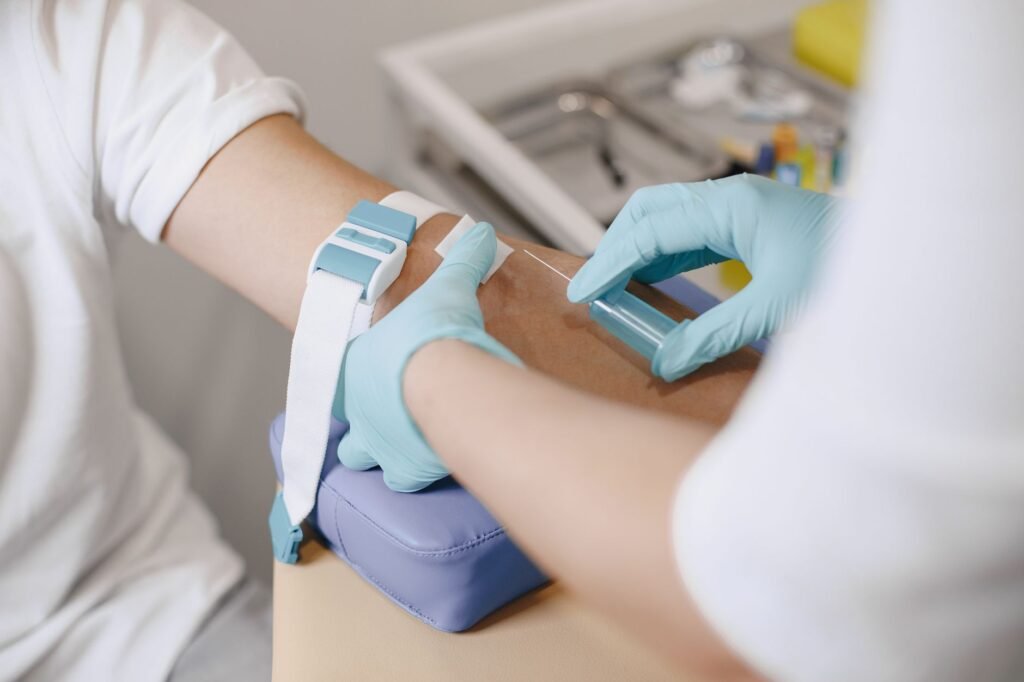
A CBC test involves drawing blood, which may cause a brief pinch or sting. Most people find the discomfort manageable, and the test is quick.
The Bottom Line
Understanding how to read a complete blood count is essential for taking an active role in your health management. By familiarizing yourself with the key components and their implications, you can engage more effectively with your healthcare provider. Always consult with a medical professional for personalized advice and to clarify any concerns regarding your CBC results.
Was this page helpful?
Thanks for your feedback! What could we improve?
Thank you! Your feedback helps us improve our articles.
Medically reviewed by
Dr. Daniel HarringtonMedical doctor and clinical researcher focused on preventive medicine, chronic disease and clear, evidence-based health communication.
True Impact Health articles are written by our editorial team and based on reliable sources such as public health agencies, clinical guidelines and peer-reviewed research. This article has been checked by a doctor on our review panel. Read our editorial process.
This content is for general information and is not a substitute for professional medical advice, diagnosis or treatment.