















Health A–Z guide
Leukemia
Leukemia: Understanding the Blood Cancer That Affects Millions Worldwide
Leukemia is a type of cancer that begins in the body’s blood-forming tissues, primarily the bone marrow. Unlike solid tumors that form masses, leukemia affects blood cells and often circulates…
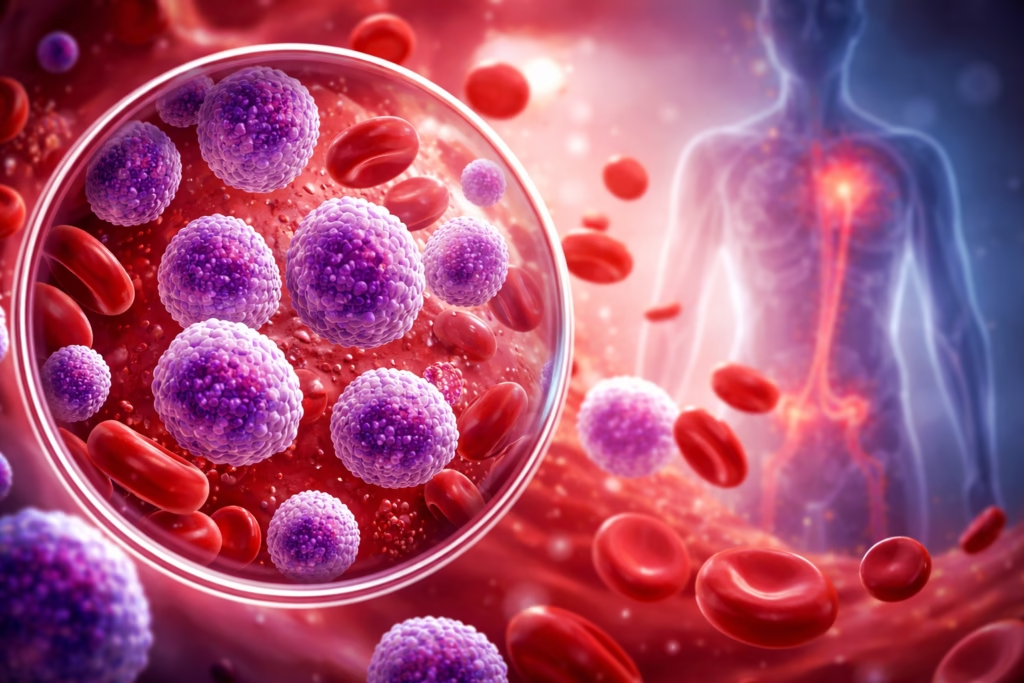
Table of Contents
Leukemia is a type of cancer that begins in the body’s blood-forming tissues, primarily the bone marrow. Unlike solid tumors that form masses, leukemia affects blood cells and often circulates throughout the body. Because blood plays a vital role in oxygen transport, immunity, and clotting, leukemia can significantly disrupt normal bodily functions.
In this comprehensive guide, we’ll explore what leukemia is, its causes and risk factors, symptoms, diagnostic approaches, treatment options, and preventive considerations — all explained in clear, accessible language.
Overview: What Is Leukemia?
Leukemia is a cancer of the white blood cells (WBCs). White blood cells are crucial components of the immune system, helping the body fight infection.
In leukemia:
- The bone marrow produces abnormal white blood cells
- These cells do not function properly
- They multiply uncontrollably
- They crowd out healthy blood cells
This disruption affects:
- Red blood cells → causing anemia
- White blood cells → increasing infection risk
- Platelets → leading to bleeding and bruising problems
Major Types of Leukemia
Leukemia is classified based on how quickly it progresses and the type of white blood cell involved.
By speed of progression:
- Acute leukemia – Rapid onset and fast progression
- Chronic leukemia – Develops slowly over time
By cell type:
- Lymphocytic (lymphoblastic) – Affects lymphoid cells
- Myelogenous (myeloid) – Affects myeloid cells
The four main types are:
- Acute Lymphocytic Leukemia (ALL)
- Acute Myelogenous Leukemia (AML)
- Chronic Lymphocytic Leukemia (CLL)
- Chronic Myelogenous Leukemia (CML)
Causes and Risk Factors
The exact cause of leukemia is not fully understood. It begins with genetic changes (mutations) in the DNA of blood-forming cells. These mutations lead to uncontrolled cell growth.
Known Risk Factors
While many people diagnosed with leukemia have no clear risk factors, research has identified several associations:
- Genetic conditions, such as:
- Down syndrome
- Li-Fraumeni syndrome
- Family history of leukemia
- Previous cancer treatment, such as chemotherapy or radiation therapy
- High levels of radiation exposure
- Exposure to certain chemicals, including benzene
- Smoking, particularly associated with AML
- Immune system disorders
Importantly, having one or more risk factors does not guarantee that someone will develop leukemia.
Symptoms and Clinical Presentation
Symptoms of leukemia often result from low levels of normal blood cells. Early signs may be subtle and resemble common illnesses like the flu.
Common Symptoms
- Persistent fatigue or weakness
- Frequent infections
- Fever or chills
- Unexplained weight loss
- Night sweats
- Easy bruising or bleeding
- Pale skin (due to anemia)
- Bone or joint pain
- Swollen lymph nodes
- Enlarged liver or spleen
In acute leukemia, symptoms tend to appear suddenly and worsen quickly. In chronic leukemia, individuals may have no symptoms initially and be diagnosed during routine blood tests.
Diagnosis and Screening
There is no standard routine screening test for leukemia in the general population. Diagnosis usually begins when abnormal blood counts are detected or when symptoms prompt further testing.
Diagnostic Tests May Include:
- Complete Blood Count (CBC)
Evaluates red blood cells, white blood cells, and platelets. - Peripheral Blood Smear
Examines the appearance of blood cells under a microscope. - Bone Marrow Biopsy and Aspiration
Confirms the diagnosis by examining bone marrow samples. - Cytogenetic and Molecular Testing
Identifies specific genetic mutations that guide treatment decisions. - Imaging studies (e.g., CT scans)
May assess organ enlargement or complications.
Modern molecular testing plays an increasingly important role in determining prognosis and selecting targeted therapies.
Treatment and Management Options
Leukemia treatment depends on:
- Type of leukemia
- Stage and aggressiveness
- Patient’s age and overall health
- Genetic markers
Common Treatment Approaches
1. Chemotherapy
- Uses drugs to kill rapidly dividing cancer cells
- Often the backbone of leukemia treatment
- May be given in cycles
2. Targeted Therapy
- Focuses on specific genetic mutations or proteins
- Often less damaging to normal cells
- Example: Tyrosine kinase inhibitors (used in CML)
3. Immunotherapy
- Enhances the body’s immune system to fight cancer
- Includes monoclonal antibodies and CAR T-cell therapy
4. Radiation Therapy
- Occasionally used to treat specific areas or prepare for transplantation
5. Stem Cell (Bone Marrow) Transplant
- Replaces unhealthy bone marrow with healthy stem cells
- Considered in certain high-risk or relapsed cases
Supportive Care
Managing complications is equally important:
- Blood transfusions
- Antibiotics to prevent or treat infections
- Medications to manage side effects
Advances in medical research have significantly improved survival rates, particularly for certain subtypes such as CML and pediatric ALL.
Prevention and Lifestyle Considerations
Because the exact cause of leukemia is often unknown, complete prevention is not always possible. However, certain steps may reduce risk:
- Avoid tobacco use
- Limit exposure to harmful chemicals (e.g., benzene)
- Follow safety precautions around radiation or hazardous materials
- Maintain regular medical checkups
For individuals with known genetic risks or previous high-dose radiation exposure, close medical monitoring may be recommended.
Living with Leukemia
A leukemia diagnosis affects not only physical health but also emotional and psychological well-being.
Patients may benefit from:
- Psychological counseling
- Support groups
- Nutritional guidance
- Physical rehabilitation programs
- Palliative care when appropriate
A multidisciplinary care team — including hematologists, oncologists, nurses, and mental health professionals — plays a crucial role in comprehensive care.
Conclusion
Leukemia is a complex blood cancer that disrupts the body’s ability to produce healthy blood cells. While its exact causes are not always clear, advances in diagnostic tools and modern targeted treatments have dramatically improved outcomes.
Early recognition of symptoms, timely diagnosis, and personalized treatment planning are essential. Ongoing research continues to expand treatment options and offer hope to patients worldwide.
Medical Disclaimer
This article is intended for educational purposes only and should not be considered medical advice. If you have symptoms or concerns about leukemia or any other health condition, please consult a qualified healthcare professional for proper evaluation and guidance.
Was this page helpful?
Thanks for your feedback! What could we improve?
Thank you! Your feedback helps us improve our guides.
Our Health A–Z guides are written by the True Impact Health Editorial Team and based on reliable sources such as public health agencies, clinical guidelines and peer-reviewed research. This guide has not yet been medically reviewed. Read our editorial process.
This content is for general information and is not a substitute for professional medical advice, diagnosis or treatment.