











Epstein-barr Virus (ebv)
Introduction Imagine catching a virus that feels like a never-ending flu, leaves you exhausted for weeks, and then quietly sets up camp in your body for...
By True Impact Health Editorial Team

Medical graduate of Girne American University with a focus on patient-centred care, clinical assessment and preventive health.
Reviewed this article on October 9, 2026.
View profile How we reviewUpdated on October 9, 2026 4 min read

Table of Contents
Introduction
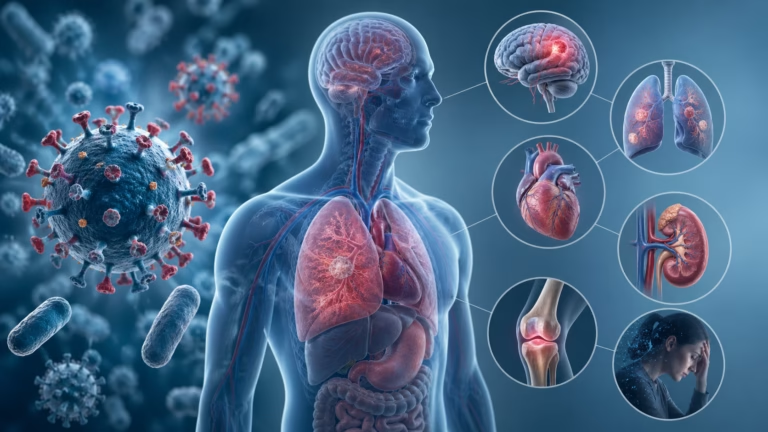
Imagine catching a virus that feels like a never-ending flu, leaves you exhausted for weeks, and then quietly sets up camp in your body for life. That’s the story of Epstein-Barr Virus (EBV), one of the most common human viruses on earth. Known best as the culprit behind “mono” (infectious mononucleosis), EBV belongs to the herpesvirus family and infects over 90% of adults worldwide. In this blog post, we’ll break down what EBV is, how it spreads, the symptoms it causes, the latest on diagnosis and treatment, and practical tips for prevention and long-term management.
Why Read This Post?
- You suspect you—or someone you love—may have mono
- You want to understand EBV’s potential role in chronic conditions
- You’re interested in practical strategies for prevention and self-care
What Is Epstein-Barr Virus?
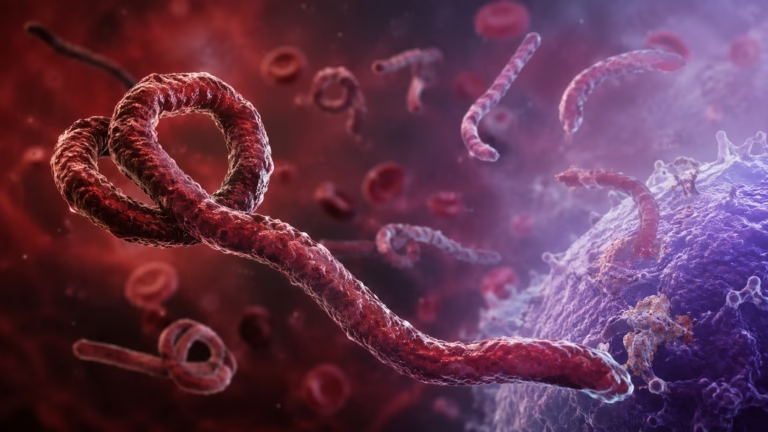
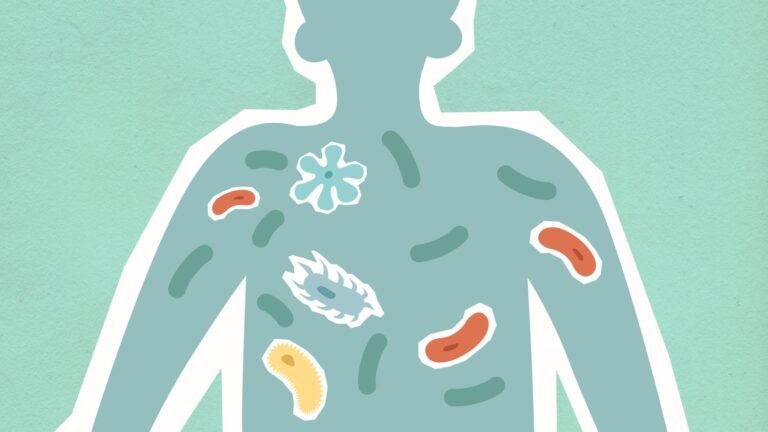
EBV (also called Human Herpesvirus 4) was first discovered in the 1960s by Michael Epstein and Yvonne Barr. As a member of the herpesvirus family, it shares characteristics with HSV-1 (cold sores) and HSV-2 (genital herpes), notably its ability to remain dormant (latent) in your body once the initial infection clears.
Key Facts About EBV
- More than 90% of people worldwide carry EBV antibodies by adulthood.
- Primary infection often occurs in childhood or adolescence.
- Once infected, the virus “hides out” in B-cells (a type of white blood cell) and may reactivate under stress or immunosuppression.
How EBV Spreads
EBV is sometimes called the “kissing disease,” but its transmission routes are broader:
- Saliva: The primary mode—sharing drinks, utensils, or lip balm can spread the virus.
- Blood and organ transplants: Rare but possible in the medical context.
- Sexual contact: Though less common, transmission through genital secretions can occur.
- Mother to baby: Vertical transmission during childbirth or breastfeeding is uncommon but documented.
Symptoms and Related Conditions
Primary EBV infection can be asymptomatic, especially in young children. When symptoms do appear—typically in teens and adults—they often resemble a severe flu:
Common Symptoms of Mono
- Extreme fatigue and malaise
- Sore throat, swollen tonsils
- Low-grade fever
- Swollen lymph nodes (especially in the neck)
- Enlarged spleen or liver
- Headache, muscle aches
Beyond mono, EBV has been studied in connection with:
- Chronic Fatigue Syndrome (ME/CFS): EBV reactivation may trigger prolonged fatigue.
- Certain cancers: Burkitt lymphoma, Hodgkin lymphoma, and nasopharyngeal carcinoma.
- Autoimmune disorders: Some research links EBV to multiple sclerosis and lupus.
Diagnosis and Testing
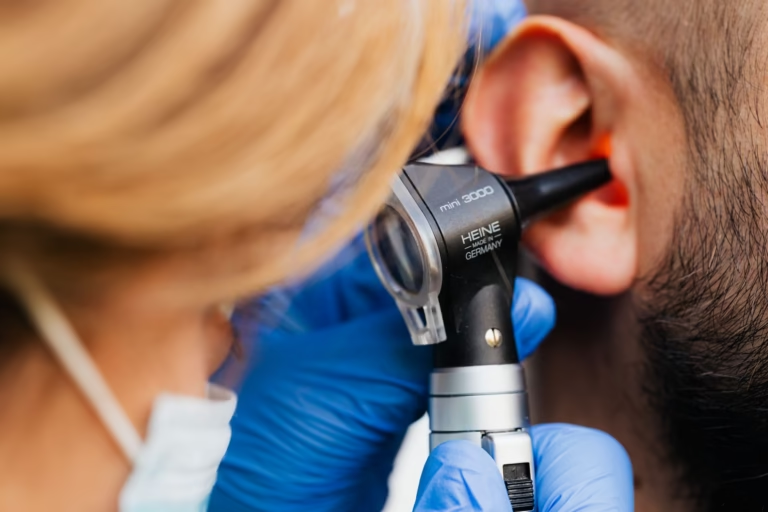
If your healthcare provider suspects EBV, they may order:
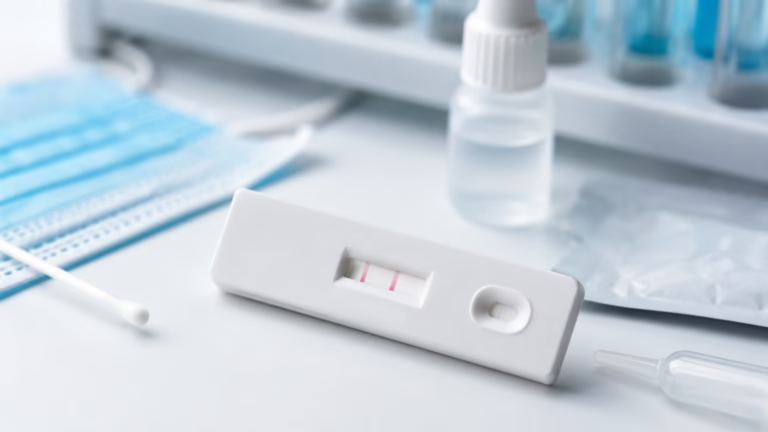
- Monospot test (heterophile antibody test): A quick screening tool for mononucleosis.
- EBV-specific antibody panels: Measure IgM (acute infection) and IgG (past exposure).
- Complete blood count (CBC): Checks for atypical lymphocytes and elevated white blood cells.
- Liver function tests: Mononucleosis can temporarily affect liver enzymes.
Treatment and Management
There is currently no cure for EBV—treatment focuses on symptom relief and supportive care:
Self-Care Strategies
- Rest: Pace yourself and avoid overexertion, especially if the spleen is enlarged.
- Hydration and nutrition: Drink plenty of fluids and eat balanced meals.
- Pain and fever control: Over-the-counter acetaminophen or ibuprofen as directed.
- Throat relief: Saltwater gargles, lozenges, or a cool-mist humidifier.
When to Seek Medical Attention
- Severe difficulty breathing or swallowing
- Persistent high fever (>104°F/40°C)
- Signs of spleen rupture (sharp, sudden pain in the left upper abdomen)
- Neurological complications (seizures, severe headache, stiff neck)
Long-Term Effects and Complications
While most people recover from mono in 2–4 weeks, EBV stays in the body and can occasionally reactivate without causing obvious illness. Watch for:
- Chronic fatigue or “post-viral” symptoms
- Recurring sore throat or low-grade fever
- Unexplained weight loss or night sweats (seek evaluation)
Prevention Strategies
Although completely avoiding EBV is unlikely (due to its prevalence), you can reduce your risk of primary infection and transmission:
Good Hygiene Practices
- Don’t share drinks, utensils, or lip products.
- Wash hands thoroughly—especially before eating or touching your face.
- Disinfect frequently touched surfaces (doorknobs, phones).
Lifestyle Tips
- Maintain a balanced diet and regular sleep schedule to support immunity.
- Manage stress through mindfulness, exercise, or therapy.
- Stay informed: If you work in healthcare or childcare, follow institutional infection-control protocols.
Living with EBV: Practical Tips
- Listen to your body: Prioritize rest, especially during flare-ups.
- Track your symptoms: A journal can help identify triggers for fatigue or pain.
- Build a support network: Connect with online or in-person groups for people with chronic EBV or post-viral syndromes.
- Stay in touch with your healthcare team: Regular check-ins can catch complications early.
Conclusion
Epstein-Barr Virus may be nearly universal, but that doesn’t make its effects any less real for those who experience infectious mononucleosis or related complications. Understanding EBV—from transmission and symptoms to diagnosis and long-term management—is your best defense. By practicing good hygiene, prioritizing self-care, and seeking timely medical advice, you can keep EBV’s impact on your life to a minimum. Stay informed, stay healthy, and remember: while EBV may be a lifelong passenger, you’re in the driver’s seat.
Keywords for SEO:
Epstein-Barr virus, EBV symptoms, mononucleosis, EBV prevention, EBV treatment, chronic EBV infection, “kissing disease,” EBV diagnosis.
For more information, see the Cleveland Clinic.
Was this page helpful?
Thanks for your feedback! What could we improve?
Thank you! Your feedback helps us improve our articles.
Medically reviewed by
Dr. Oluwabusola Stella OkeMedical graduate of Girne American University with a focus on patient-centred care, clinical assessment and preventive health.
True Impact Health articles are written by our editorial team and based on reliable sources such as public health agencies, clinical guidelines and peer-reviewed research. This article has been checked by a doctor on our review panel. Read our editorial process.
This content is for general information and is not a substitute for professional medical advice, diagnosis or treatment.