Post-Infection Recovery: A Comprehensive Guide to Regaining Strength and Wellness
Introduction
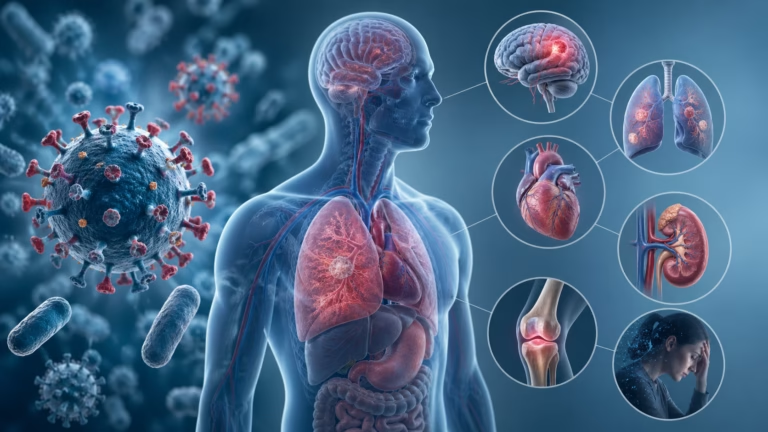
Recovery following an infection is a complex physiological process that extends beyond the resolution of acute symptoms. Although fever, pain, or respiratory discomfort may subside, the body often remains in a state of reduced functional capacity. Many individuals experience persistent fatigue, cognitive slowing, and diminished physical endurance during this period. These effects reflect the cumulative impact of immune activation, energy depletion, and tissue stress that occurred during the illness.
A structured and evidence-informed recovery approach is therefore essential. Effective post-infection care focuses on restoring physiological balance, supporting immune regulation, and gradually reestablishing physical and mental resilience.
Understanding Post-Infection Recovery
Post-infection recovery involves several interconnected biological processes that must be carefully supported.
The immune system undergoes a regulatory transition after combating infection. During the acute phase, immune responses are intensified, involving the release of antibodies and inflammatory mediators. Following pathogen clearance, the body must reduce this heightened activity to prevent unnecessary inflammation. This process, often referred to as immune recalibration, is critical for restoring homeostasis.
In parallel, the body experiences an energy deficit. Fighting infection requires substantial metabolic resources, including increased energy expenditure to sustain immune cell activity and maintain elevated body temperature during fever. As a result, energy reserves become depleted, leading to fatigue and muscle weakness.
Tissue repair represents another essential component of recovery. Inflammatory responses may have caused damage to epithelial surfaces, mucosal linings, and cellular structures. Repair mechanisms require adequate nutrients and time to restore tissue integrity and function.
Prioritizing Rest and Quality Sleep
Rest is a central pillar of recovery because it allows the body to allocate resources toward healing rather than external activity. Sleep, in particular, plays a critical role in immune regulation, hormonal balance, and cellular repair.
Maintaining consistent sleep patterns supports circadian rhythms, which regulate immune and metabolic processes. Establishing a regular sleep schedule ensures that restorative processes occur efficiently. A calming pre sleep routine, such as reading or engaging in relaxation exercises, helps transition the body into a state conducive to rest. Environmental factors, including reduced light exposure, comfortable temperature, and minimal noise, further enhance sleep quality.
In addition to nighttime sleep, periods of active rest during the day are beneficial. Short intervals of low stimulation activities, such as deep breathing or seated relaxation, can reduce stress hormone levels and support recovery without imposing additional physical demands.
Hydration and Fluid Balance
Adequate hydration is fundamental for maintaining physiological stability during recovery. Fluids support the transport of nutrients and oxygen to tissues, facilitate the removal of metabolic waste products, and help maintain the integrity of mucosal surfaces.
During infection, fluid loss may occur through fever, sweating, or reduced intake. Replenishing these losses is essential to restore circulatory volume and optimize cellular function. Regular consumption of water throughout the day is recommended, with additional intake adjusted based on individual needs.
Complementary fluids such as herbal teas may provide soothing effects on the digestive system, while broths can supply electrolytes and easily digestible nutrients. These options are particularly beneficial when appetite remains reduced.
Nutrition and Metabolic Recovery
Nutritional intake plays a decisive role in post-infection recovery by providing the substrates required for tissue repair and immune function. A balanced diet should include adequate macronutrients and micronutrients to support these processes.
Protein intake is especially important, as amino acids are necessary for rebuilding damaged tissues and synthesizing immune components. Sources such as lean meats, fish, legumes, and dairy products contribute to this requirement.
Healthy fats are essential for maintaining cell membrane integrity and supporting hormone production. Foods such as nuts, seeds, avocados, and plant oils provide these beneficial lipids.
Antioxidant rich foods help counteract residual inflammation and oxidative stress generated during infection. Fruits and vegetables, particularly those with vibrant colors, supply vitamins and phytonutrients that aid in cellular recovery.
Specific micronutrients also contribute to immune and structural repair. Vitamin C supports collagen formation and immune defense, zinc plays a role in immune cell function and wound healing, and vitamin D contributes to immune modulation and inflammation control. Ensuring adequate intake of these nutrients enhances the efficiency of recovery processes.
Gradual Reintroduction of Physical Activity
Physical activity should be resumed cautiously following infection. While movement is beneficial for restoring strength and cardiovascular function, excessive exertion too early can delay recovery or lead to relapse.
Initial activity should focus on low intensity movements that promote circulation without placing significant strain on the body. Walking, gentle stretching, and light mobility exercises are appropriate starting points. These activities help prevent deconditioning while allowing the body to adapt gradually.
Progression should be incremental, with careful monitoring of symptoms. Increasing activity levels by small amounts over time reduces the risk of overexertion. The principle of gradual progression ensures that the body rebuilds endurance and strength in a sustainable manner.
Mental and Emotional Well-Being
The psychological dimension of recovery is often overlooked, yet it plays a critical role in overall health outcomes. Illness can be associated with anxiety, reduced motivation, and cognitive fatigue, all of which may hinder recovery if not addressed.
Mindfulness practices such as meditation and controlled breathing can reduce stress and promote mental clarity. These techniques help regulate the autonomic nervous system, which in turn supports immune and cardiovascular stability.
Social support is another important factor. Interaction with family, friends, or support groups provides emotional reassurance and encourages adherence to recovery practices. Managing exposure to stress inducing information, including excessive media consumption, also contributes to psychological balance.
Monitoring Recovery and Identifying Warning Signs
Continuous monitoring of recovery progress allows individuals to assess improvement and identify potential complications. Keeping a record of symptoms, including energy levels, appetite, and sleep quality, provides valuable insight into recovery trends.
In some cases, monitoring vital indicators such as temperature or oxygen levels may be recommended, particularly following more severe infections.
Certain symptoms require prompt medical attention. The recurrence of fever, development of breathing difficulties, chest discomfort, persistent gastrointestinal issues, or unexplained confusion may indicate complications or incomplete recovery. Early medical evaluation in such cases is essential to prevent further deterioration.
Supporting Long Term Immune Health
Recovery does not conclude with the resolution of symptoms. Long term health maintenance is necessary to reduce susceptibility to future infections.
A consistent pattern of balanced nutrition supports ongoing immune function. Regular physical activity strengthens cardiovascular and metabolic systems, while adequate sleep ensures continued physiological regulation. Stress management techniques contribute to hormonal balance and immune resilience.
Preventive healthcare measures, including vaccinations and routine medical evaluations, play a critical role in reducing the risk of future illness and detecting potential health issues early.
Conclusion
Post-infection recovery is a multidimensional process that involves restoring physical strength, rebalancing immune activity, and supporting psychological well being. Effective recovery requires a deliberate approach that integrates rest, nutrition, hydration, gradual physical activity, and ongoing monitoring.
Individual recovery trajectories may vary depending on the severity of the infection and personal health status. Therefore, attentiveness to bodily responses and flexibility in applying recovery strategies are essential. When appropriately managed, the recovery phase not only restores previous health status but also provides an opportunity to strengthen long term resilience and overall well being.
Disclaimer
This article is for educational purposes only and does not replace professional medical advice, diagnosis, or treatment. Seizures, severe headache, confusion, visual changes, or blood pressure readings in the hypertensive crisis range require urgent medical evaluation.