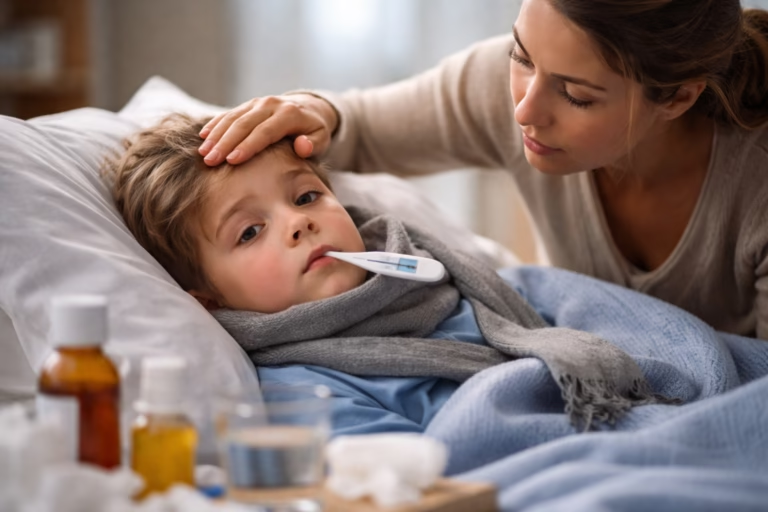
Calf pain after fever is often mild and resolves with rest and hydration, but watch for swelling, fever or inability to walk that require medical attention.
Postviral muscle inflammation, dehydration and electrolyte imbalance, inactivity, and growing pains commonly cause calf pain after fever.
Home care: restore fluids and electrolytes, rest with gentle stretching and gradual activity, warm compresses, plus age appropriate acetaminophen or ibuprofen.
Seek pediatric evaluation if pain persists beyond 48 hours, worsens, becomes severe, or if exam suggests further testing is needed.
Urgent care is needed for persistent fever, localized swelling or redness, intense warmth, severe focal pain, numbness, or sudden profound weakness.
Calf pain after a fever is usually due to temporary muscle inflammation, dehydration or stiffness from inactivity and often improves with rest, fluids and gentle stretching. It is typically harmless, but if the pain is severe, persistent, or accompanied by swelling, fever or inability to walk, medical evaluation is needed.
Introduction
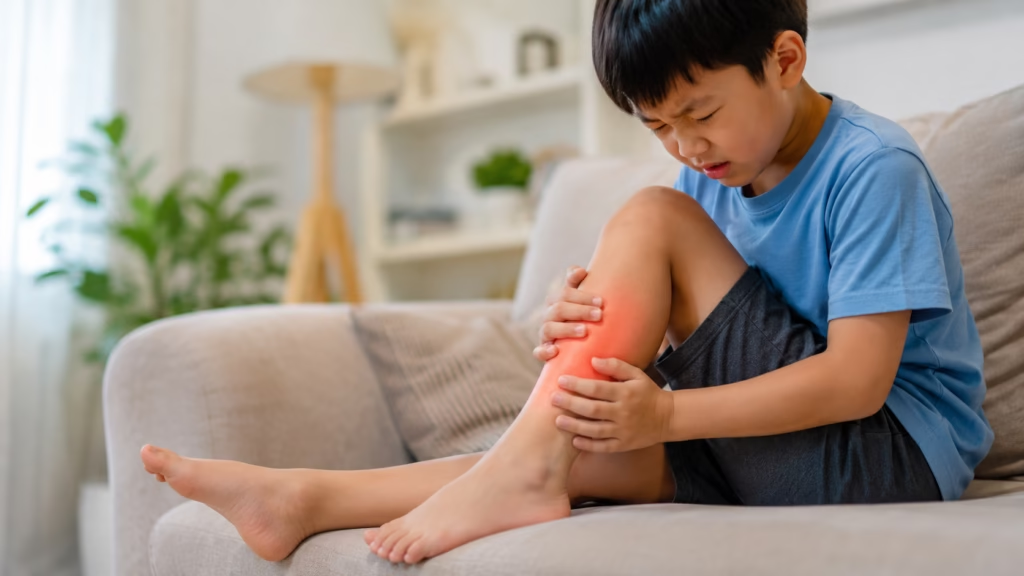
It is understandably concerning for parents when a child develops leg discomfort after recovering from a fever. One particularly common complaint is calf pain, which may present as stiffness, limping, tiptoe walking, or reluctance to move. Although this symptom is often temporary and related to mild muscle inflammation or dehydration, it can still cause significant anxiety because children may suddenly refuse to walk or appear visibly distressed.
In most cases, calf pain after a fever resolves with supportive care and rest. However, understanding the possible causes, associated symptoms, and warning signs is important to ensure that serious conditions are not overlooked. A careful and informed approach helps parents provide appropriate care while recognizing when professional medical evaluation is necessary.
Why Calf Pain Can Occur After a Fever
Calf pain following a fever is commonly linked to the body’s response to infection and the physical stress associated with illness. Several mechanisms may contribute to this discomfort.
One of the most frequent causes is post viral myositis, a condition involving temporary inflammation of the muscles after a viral infection. Viruses such as influenza can trigger inflammation within the calf muscles, causing pain, tenderness, and difficulty walking. Children with this condition often recover completely within a few days, but the sudden onset of symptoms can be alarming.
Dehydration and electrolyte imbalance also play an important role. Fever increases fluid loss through sweating and elevated metabolic activity. When children do not consume enough fluids during illness, muscles may become more prone to cramping and soreness. Electrolytes such as potassium, calcium, and magnesium are essential for proper muscle function, and imbalances may contribute to calf discomfort.
Another contributing factor is inactivity during illness. Children who spend several days resting in bed may experience muscle stiffness due to reduced movement. Once normal activity resumes, tightness and soreness in the calves may become noticeable.
Growing pains may also coincide with recovery from illness. Although growing pains are not directly caused by fever, the overall physical stress associated with infection may increase sensitivity to muscle discomfort, particularly in the legs.
Recognizing Common Symptoms
Careful observation of symptoms can help distinguish routine post illness muscle discomfort from more serious medical conditions.
Children with post fever calf pain commonly experience sudden soreness in both calves. The pain may make walking uncomfortable, leading to limping, tiptoe walking, or refusal to bear weight. Some children may complain that their legs feel tight or cramp when stretched or touched.
General fatigue and irritability are also common because the body is still recovering from illness. A child may appear less active than usual and avoid running or climbing.
Certain accompanying symptoms may suggest a more serious condition. These include recurrence of fever, swelling, redness, warmth over the calf, significant weakness, numbness, or severe pain localized to one leg. Such findings warrant closer medical attention because they may indicate infection, inflammation, or circulatory problems.
Understanding the Diagnostic Process
If calf pain persists beyond two days, becomes severe, or interferes significantly with walking, medical evaluation is recommended. Pediatric assessment helps identify the underlying cause and rule out more serious conditions.
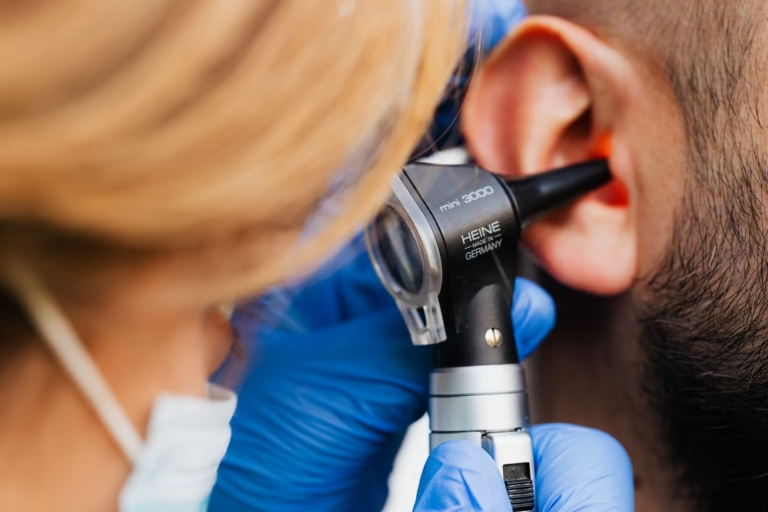
The evaluation typically begins with a detailed medical history and physical examination. The healthcare provider may ask about recent infections, hydration status, physical activity, and the timing of symptoms. Examination of the calves allows assessment of tenderness, swelling, muscle tightness, and range of motion.
Blood tests may be performed if muscle inflammation is suspected. Elevated levels of muscle enzymes such as creatine kinase can indicate myositis or muscle injury. Electrolyte testing may reveal dehydration or mineral imbalances contributing to muscle cramps and weakness.
In cases involving swelling, redness, or concern for deeper tissue involvement, imaging studies such as ultrasound or magnetic resonance imaging may be necessary. These tests help evaluate for muscle injury, abscesses, or other structural abnormalities.
Home Care and Symptom Relief
Most mild cases of calf pain after fever improve with supportive home management. Proper care focuses on relieving discomfort, restoring hydration, and encouraging gradual return to normal activity.
Hydration is one of the most important interventions. Children recovering from fever should be encouraged to drink water regularly throughout the day. Oral electrolyte solutions or diluted pediatric sports drinks may help replace lost minerals. Nutritious meals containing lean proteins, fruits, vegetables, and whole grains support muscle repair and overall recovery.
Rest is equally important, although complete inactivity should be avoided for extended periods. Gentle movement, including short walks and light stretching exercises, helps prevent stiffness and improves circulation. Simple calf stretches can relieve tightness when performed slowly and comfortably.
Warm compresses applied to the calves may relax tense muscles and improve comfort. Warm baths containing child safe amounts of Epsom salt may also help reduce muscle soreness.
Over the counter pain relievers such as acetaminophen or ibuprofen can reduce pain and inflammation when used according to age and weight appropriate dosing guidelines. Parents should always follow pediatric dosing recommendations carefully.
Warning Signs Requiring Immediate Medical Attention
Although most cases are harmless and temporary, certain symptoms indicate the need for urgent medical evaluation.
Persistent inability to walk or bear weight after forty eight hours suggests more significant muscle or neurological involvement. Swelling, redness, or intense warmth in the calf may indicate cellulitis or, in rare cases, a blood clot.
A fever that returns or remains high after initial improvement may signal ongoing infection or complications. Signs of systemic illness, including rapid breathing, dizziness, chest discomfort, or unusual fatigue, also require prompt assessment.
Neurological symptoms such as numbness, severe weakness, or sharp shooting pains are particularly concerning and may suggest nerve involvement or more serious underlying pathology.
Preventing Future Episodes of Calf Pain
Several preventive strategies can reduce the likelihood of recurrent muscle discomfort after illness.
Maintaining proper hydration during fevers is essential because adequate fluid intake supports circulation and muscle function. Electrolyte rich foods containing potassium, magnesium, and calcium also contribute to healthy muscle activity.
Regular stretching exercises and moderate physical activity help maintain flexibility and reduce muscle tightness. Children involved in sports should increase activity levels gradually to avoid overuse injuries. Proper footwear with adequate support also helps minimize strain on the calf muscles.
Ensuring adequate recovery time after illness is equally important. Returning to strenuous activity too quickly may worsen fatigue and increase the risk of muscle soreness.
Conclusion
Calf pain after a fever is relatively common in children and is often related to temporary muscle inflammation, dehydration, or stiffness following illness. Although the condition can appear alarming, most children recover fully with appropriate hydration, rest, gentle movement, and supportive care.
Nevertheless, parents should remain attentive to warning signs such as persistent inability to walk, swelling, recurrent fever, or neurological symptoms. Early medical evaluation in these situations helps identify potentially serious conditions and ensures timely treatment.
By understanding the causes and management of post fever calf pain, parents can respond confidently and support their child’s recovery in a safe and effective manner.
Disclaimer
This article is for educational purposes only and does not replace professional medical advice, diagnosis, or treatment. Seizures, severe headache, confusion, visual changes, or blood pressure readings in the hypertensive crisis range require urgent medical evaluation.
Severe calf pain that does not improve after 48 hours
Swelling, redness or warmth over the calf
New or returning fever lasting more than 24 hours
Inability to bear weight or walk
Numbness, tingling or weakness in the leg
Rapid breathing, dizziness or chest pain – call emergency services
If symptoms are severe or come on suddenly, call your local emergency number.
Frequently asked questions
How long does post‑viral calf pain usually last?
Most children feel better within a few days to a week. If pain continues beyond 10‑14 days or worsens, a doctor should reassess the cause.
Can giving my child extra electrolytes prevent calf cramps?
Maintaining good hydration and a balanced diet with normal electrolytes helps, but extra supplements are not usually needed unless a specific deficiency is identified by a clinician.
Should I use heat or cold on the sore calf?
Warm compresses or a warm bath can relax tight muscles. Ice may be used if there is swelling. Apply either for 10‑15 minutes and monitor comfort.
Is it safe to give ibuprofen for calf pain after fever?
Ibuprofen can reduce pain and inflammation when given at the correct pediatric dose. Follow the label or your healthcare provider’s instructions and avoid if the child has a known allergy or stomach issues.
Was this page helpful?
Thanks for your feedback! What could we improve?
Thank you! Your feedback helps us improve our articles.
Medical doctor and clinical researcher focused on preventive medicine, chronic disease and clear, evidence-based health communication.
True Impact Health articles are written by our editorial team and based on reliable sources such as public health agencies, clinical guidelines and peer-reviewed research. This article has been checked by a doctor on our review panel. Read our editorial process.
This content is for general information and is not a substitute for professional medical advice, diagnosis or treatment.