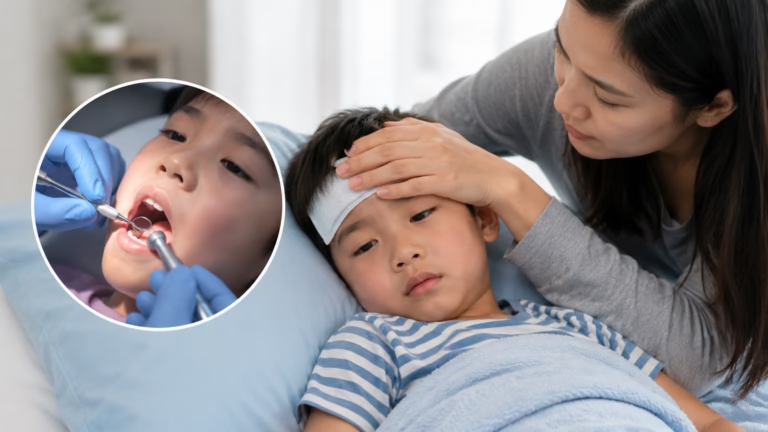
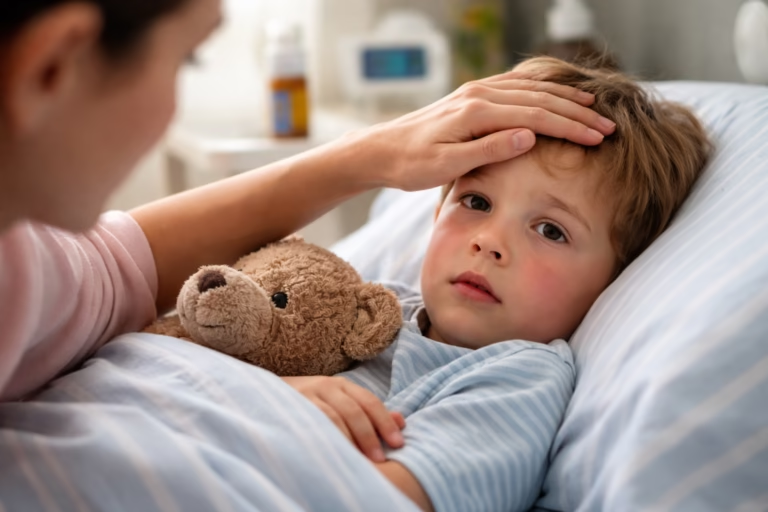
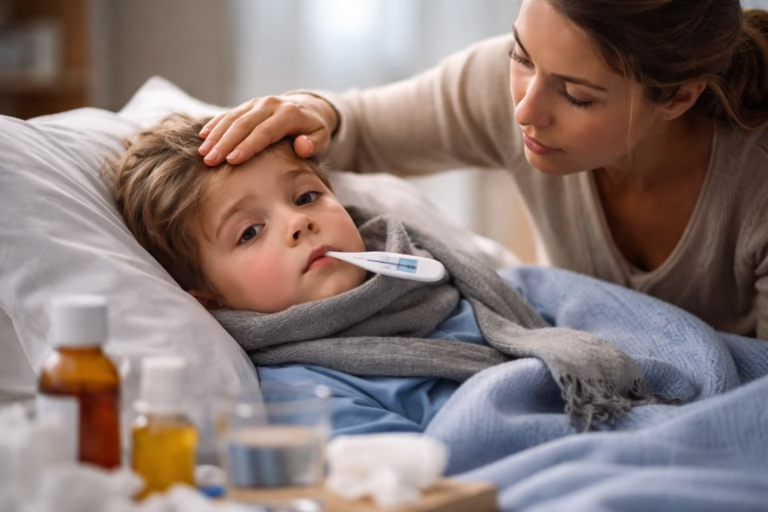
Fever and nosebleed in a child are often separate issues; manage fever and nasal dryness at home, but watch for warning signs that need medical attention.
Seek immediate care for very high or prolonged fever, persistent bleeding over 20 minutes, breathing difficulty, severe headache, neck stiffness, or unusual bruising.
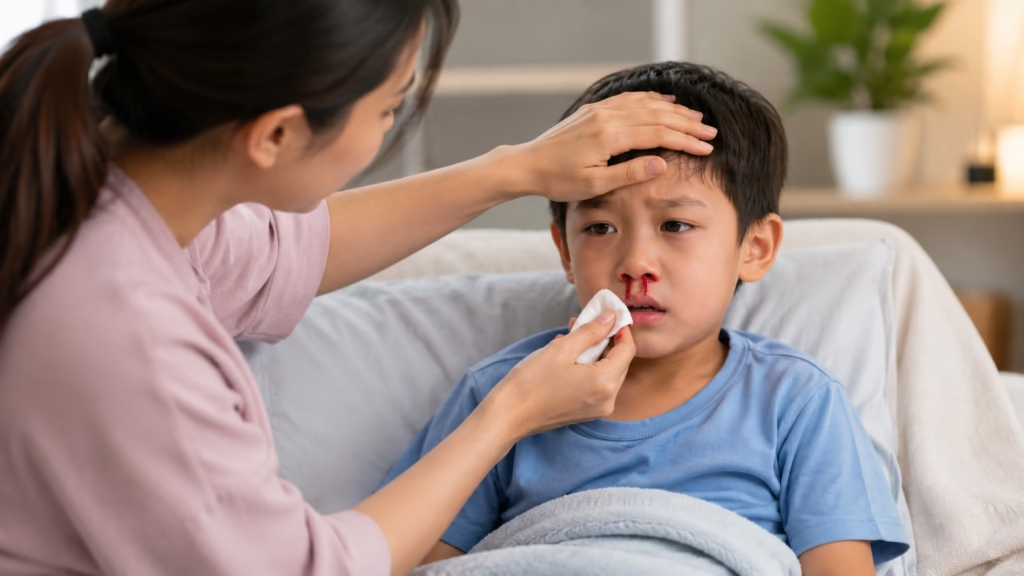
Apply first aid for nosebleeds: have the child sit upright, lean forward, and apply continuous pressure to the soft lower nose for 10 to 15 minutes.
Manage fever with adequate hydration, lightweight clothing, rest, and age-appropriate acetaminophen or ibuprofen when needed per dosing guidelines.
Prevent recurrences using saline sprays, a thin layer of petroleum jelly inside nostrils, humidifiers, trimmed fingernails, and allergy management to reduce irritation.
Fever and a nosebleed together in a child are usually unrelated; the fever often comes from a viral infection while the bleed is caused by dry or irritated nasal tissue. Keep the child hydrated, treat the fever with age‑appropriate acetaminophen or ibuprofen, and use gentle first‑aid for the nosebleed. If warning signs appear, seek medical help.
Introduction
Fever and nosebleeds are two symptoms that commonly occur during childhood. Individually, they are often harmless and manageable at home. However, when they appear together, they can become a source of significant concern for parents and caregivers. Although the combination may occasionally indicate an underlying medical issue, it is most commonly associated with temporary conditions such as viral infections, nasal irritation, or environmental dryness.
Understanding why these symptoms occur simultaneously, how to manage them safely, and when professional medical evaluation is necessary can help parents respond calmly and effectively. Proper knowledge also reduces unnecessary anxiety while ensuring that serious warning signs are not overlooked.
Understanding Fever in Children
Fever is a temporary increase in body temperature that occurs as part of the body’s natural defense mechanism against infection or inflammation. In children, a temperature above 100.4 degrees Fahrenheit or 38 degrees Celsius is generally considered a fever.
The body raises its temperature in response to substances released by the immune system during infection. This elevated temperature creates an environment that can help slow the growth of harmful microorganisms while enhancing immune activity. Fever itself is therefore not a disease but rather a symptom indicating that the body is responding to an underlying condition.
Common causes of fever in children include viral illnesses such as the common cold or influenza, bacterial infections such as ear infections or strep throat, and reactions following immunizations. In most cases, fever resolves as the underlying illness improves.
Understanding Nosebleeds in Children
A nosebleed, medically referred to as epistaxis, occurs when small blood vessels within the nasal lining rupture and bleed. Children are particularly susceptible because the tissues inside their noses are delicate and highly vascular.
The most common source of bleeding is the front portion of the nasal septum, where numerous small blood vessels are located close to the surface. These vessels can easily break due to irritation or dryness.
Several factors commonly contribute to nosebleeds in children. Dry air, particularly during colder months or in heated indoor environments, can dry out nasal tissues and cause cracking. Nose picking, frequent rubbing, allergies, and minor trauma also increase the likelihood of bleeding. In most situations, pediatric nosebleeds are mild and self limiting.
Why Fever and Nosebleeds May Occur Together
The simultaneous occurrence of fever and nosebleeds may appear alarming, but these symptoms are often indirectly related rather than caused by the same disease process.
During febrile illnesses, children frequently develop nasal congestion and irritation. Repeated nose blowing or rubbing can damage fragile blood vessels inside the nose. Fever may also contribute to dehydration, which can dry out the nasal passages and increase susceptibility to bleeding.
Environmental conditions often play a significant role as well. Indoor heating during illness can reduce humidity levels, causing nasal membranes to become dry and cracked. Certain viral infections, particularly those affecting the upper respiratory tract, may further inflame the nasal lining and increase the risk of bleeding.
In most cases, these factors explain why fever and nosebleeds occur together without indicating a serious medical emergency.
Common Triggers and Contributing Factors
Several conditions and environmental influences may increase the likelihood of combined fever and nosebleed episodes in children.
Viral upper respiratory infections are among the most frequent causes. These infections often produce fever, congestion, sneezing, and nasal irritation simultaneously. Allergies may also contribute by causing persistent rubbing, sneezing, and inflammation of nasal tissues.
Environmental dryness, exposure to cold air, and indoor heating systems can further dry the nasal lining. Minor trauma, including scratching or accidental bumps to the nose, may easily rupture small blood vessels.
Although these causes are generally benign, repeated episodes should still be monitored carefully to ensure that more serious conditions are not developing.
Recognizing Warning Signs
While most cases are harmless, certain symptoms warrant prompt medical evaluation because they may indicate more serious illness or complications.
A very high fever, particularly above 104 degrees Fahrenheit or 40 degrees Celsius, may require medical attention, especially if it persists for several days. Prolonged fever may indicate bacterial infection or another underlying condition requiring treatment.
Nosebleeds lasting longer than twenty minutes despite appropriate first aid are also concerning. Frequent recurrent nosebleeds may suggest underlying clotting disorders, severe nasal irritation, or structural abnormalities.
Additional warning signs include lethargy, unusual weakness, decreased responsiveness, and difficulty waking the child. These symptoms may indicate significant systemic illness or dehydration.
Unusual bruising or bleeding from other areas of the body should be evaluated promptly, as these findings may reflect blood clotting abnormalities or hematologic disorders. Signs of dehydration, including dry mouth, reduced urine output, or sunken eyes, also require attention because dehydration can worsen both fever and nasal irritation.
Managing Fever at Home
Most childhood fevers can be managed safely at home with supportive care. Maintaining adequate hydration is essential because fever increases fluid loss through sweating and rapid breathing. Children should be encouraged to drink water, milk, or electrolyte solutions regularly.
Fever reducing medications such as acetaminophen or ibuprofen may improve comfort and reduce temperature when administered according to age appropriate dosing guidelines. Caregivers should avoid exceeding recommended doses and should consult healthcare providers if unsure about medication use.
Children experiencing fever should wear lightweight clothing and remain in a comfortably cool environment. Excessive bundling can trap heat and worsen discomfort. Adequate rest is also critical because sleep supports immune function and recovery.
Proper First Aid for Nosebleeds
Correct management of nosebleeds can stop bleeding quickly and reduce distress for both the child and caregiver.
The child should remain calm and sit upright while leaning slightly forward. Leaning forward prevents blood from flowing into the throat, which could lead to coughing, choking, or vomiting.
Pressure should be applied to the soft lower portion of the nose, just below the bony bridge. This pressure should be maintained continuously for ten to fifteen minutes without interruption. Frequent checking may disrupt clot formation and prolong bleeding.
Applying a cool compress to the bridge of the nose may help constrict blood vessels and slow bleeding. After the episode resolves, the child should avoid blowing or picking the nose because the healing blood vessels remain fragile.
Important Home Care Practices
Certain preventive measures can reduce irritation and decrease the likelihood of future nosebleeds. Saline nasal sprays help moisturize dry nasal passages and maintain tissue integrity. Applying a thin layer of petroleum jelly inside the nostrils at bedtime may also reduce dryness and cracking.
Maintaining indoor humidity levels with a cool mist humidifier is especially beneficial during dry seasons or when indoor heating is used extensively.
Parents should avoid practices that may worsen bleeding. Tilting the child’s head backward is not recommended because swallowed blood can irritate the stomach and cause vomiting. Pressure should never be applied to the hard upper portion of the nose because it does not control bleeding effectively. Overmedication should also be avoided, particularly with fever reducing drugs.
When to Seek Medical Attention
Professional medical evaluation becomes necessary when symptoms persist, worsen, or suggest complications.
Parents should contact a healthcare provider if fever lasts longer than seventy two hours or repeatedly rises to very high levels. Frequent nosebleeds occurring multiple times per week may require further assessment to identify underlying causes.
Difficulty breathing, severe headache, neck stiffness, or altered consciousness are emergency warning signs that require immediate care. Suspicion of a nasal fracture or the presence of a foreign object inside the nose should also prompt medical evaluation.
Preventing Future Episodes
Preventive care focuses on minimizing nasal irritation and supporting overall health. Keeping children’s fingernails trimmed reduces accidental injury from nose picking. Teaching gentle nose blowing and sneezing techniques can also help protect delicate blood vessels.
Environmental modifications are equally important. Using humidifiers during dry weather, reducing exposure to allergens, and maintaining clean living spaces help prevent irritation. Children with allergies may benefit from prescribed allergy management strategies to reduce chronic inflammation and nasal rubbing.
Conclusion
Fever accompanied by a nosebleed in children is often associated with common and manageable conditions such as viral infections, dry nasal passages, or mild irritation. Although the combination may appear alarming, most cases respond well to appropriate home care measures, including hydration, fever management, and gentle nasal first aid.
Nevertheless, parents should remain attentive to warning signs such as prolonged fever, persistent bleeding, breathing difficulties, or unusual bruising. Early medical evaluation in these situations is essential for identifying potentially serious underlying conditions.
Through calm observation, proper supportive care, and preventive measures, parents can confidently manage most episodes while ensuring their child’s safety and comfort.
Disclaimer
This article is for educational purposes only and does not replace professional medical advice, diagnosis, or treatment. Seizures, severe headache, confusion, visual changes, or blood pressure readings in the hypertensive crisis range require urgent medical evaluation.
Fever above 104°F (40°C) or lasting more than 3 days
Nosebleed that does not stop after 20 minutes despite proper pressure
Child is unusually sleepy, irritable, or difficult to wake
Signs of dehydration such as very dry mouth, no tears, or sunken eyes
Bleeding from other sites or easy bruising
Severe facial injury or heavy nose trauma
If symptoms are severe or come on suddenly, call your local emergency number.
Frequently asked questions
Can a fever cause a nosebleed directly?
A fever itself does not cause bleeding, but it can lead to dehydration and dry nasal passages, making the delicate vessels inside the nose more prone to rupture, especially if the child blows or rubs the nose frequently.
When is it safe to give ibuprofen for a fever?
Ibuprofen can be given to children over 6 months old if they have no history of kidney problems, stomach ulcers, or allergic reactions to the drug. Always follow the dosing instructions on the label or those given by a healthcare professional.
How can I prevent nosebleeds during a cold?
Keep indoor humidity up with a humidifier, use saline nasal sprays, discourage nose picking, and gently wipe the nose with soft tissues. Encourage the child to stay well‑hydrated to keep nasal membranes moist.
Should I give my child antibiotics for a fever with a nosebleed?
Antibiotics are only needed if a bacterial infection is confirmed. Most fevers with nosebleeds are viral and resolve with supportive care. Use antibiotics only when prescribed by a doctor.
Thank you! Your feedback helps us improve our articles.
True Impact Health articles are written by our editorial team and based on reliable sources such as public health agencies, clinical guidelines and peer-reviewed research. This article has not yet been medically reviewed. Read our editorial process.
This content is for general information and is not a substitute for professional medical advice, diagnosis or treatment.