
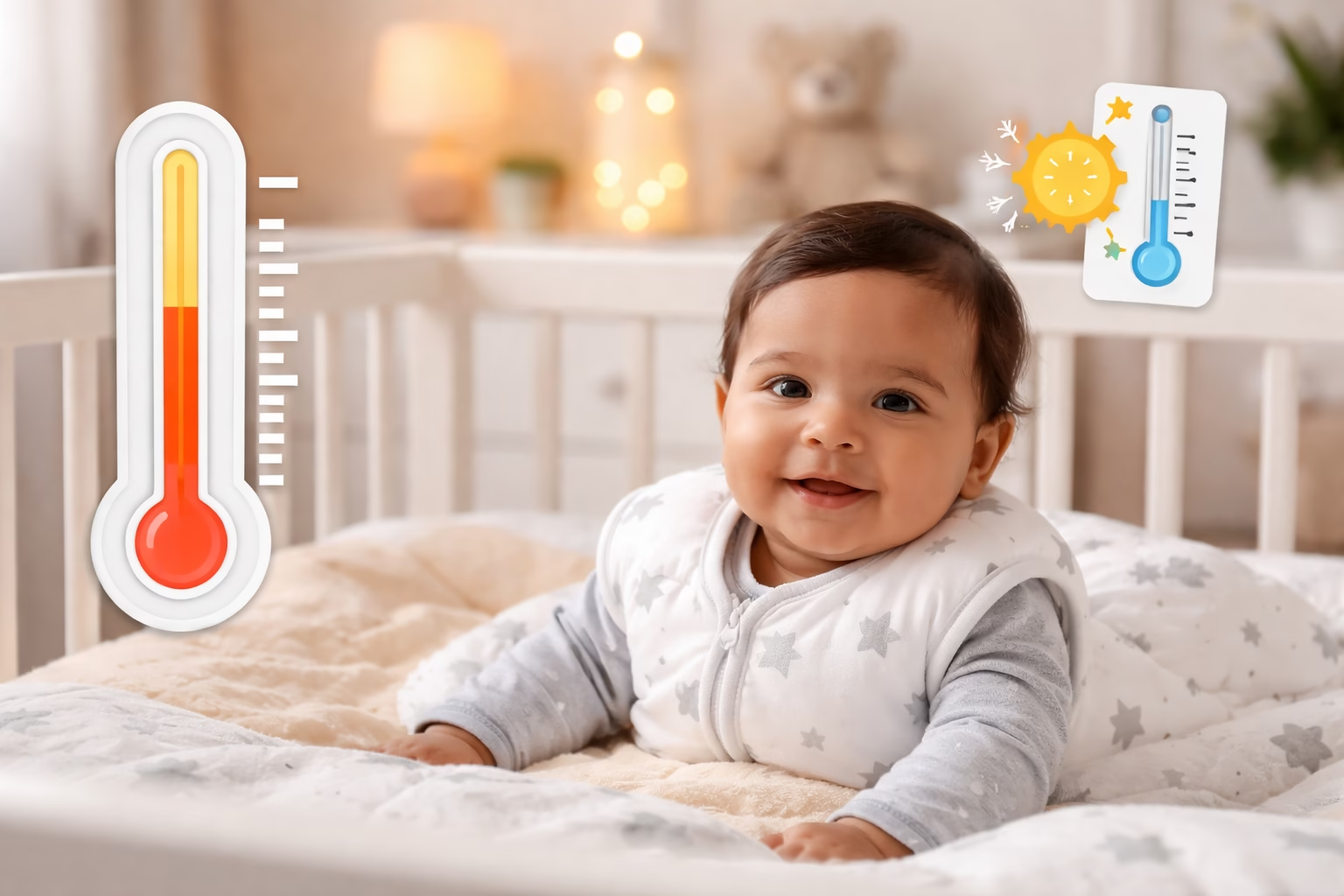
Choosing the correct sleeping bag for a baby is an important part of safe sleep practices. Parents often encounter different TOG ratings when selecting sleepwear, and understanding what these ratings represent helps ensure that a baby remains comfortable throughout the night. A 3.5 TOG sleeping bag is one of the warmest options available and is specifically designed for colder environments.
- Recommended room temperature: 14°C to 18°C (57°F to 64°F) for a 3.5 TOG sleeping bag.
- Dress in appropriate layers: long sleeve bodysuit and light footed pajamas at 16–18°C; warmer sleepsuit at 14–16°C.
- Watch for overheating: sweating, damp hair, flushed cheeks, rapid breathing; check chest or back for comfortable warmth.
- Safety: ensure correct sizing, avoid extra blankets, place baby on back on firm mattress, and monitor nursery temperature.
This guide explains what a 3.5 TOG sleeping bag means, the temperature range it is suitable for, how to dress a baby underneath it, and the safety considerations that parents should keep in mind.
Understanding TOG Ratings
TOG stands for Thermal Overall Grade, a measurement that indicates how well a fabric insulates heat. The higher the TOG value, the warmer the material. In baby sleepwear, TOG ratings help caregivers match clothing and sleep sacks to the room temperature.
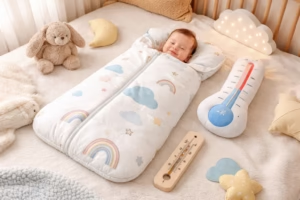
Typical TOG ranges include:
-
0.2–0.5 TOG for hot environments
-
1.0 TOG for warm weather
-
2.5 TOG for moderate temperatures
-
3.5 TOG for cold rooms or winter conditions
The primary goal of a TOG rating is to prevent overheating or excessive cold exposure during sleep. Both conditions can disturb sleep and may present safety concerns for infants.
Ideal Temperature Range for a 3.5 TOG Sleeping Bag
A 3.5 TOG sleeping bag is intended for colder indoor temperatures. It provides substantial insulation and is generally recommended when the nursery temperature falls within the following range:
-
14°C to 18°C (57°F to 64°F)
This temperature range typically occurs during winter months or in homes where heating is limited during the night. The thick insulation helps maintain a stable body temperature without requiring heavy blankets.
Because loose bedding is not recommended for infants, sleep sacks with appropriate TOG ratings serve as a safer alternative to traditional blankets.
What Should a Baby Wear Under a 3.5 TOG Sleeping Bag?
The layers worn beneath the sleeping bag should correspond to the room temperature. Overdressing can cause overheating, while too few layers may leave the baby uncomfortable.
Common layering suggestions include:
When the Room Is Around 16–18°C (61–64°F)
-
Long sleeve cotton bodysuit
-
Light footed pajamas
When the Room Is Around 14–16°C (57–61°F)
-
Long sleeve bodysuit
-
Warmer footed pajamas or sleepsuit
The goal is to maintain warmth without excessive layering. Checking the baby’s chest or back can help determine whether they are comfortably warm.
Signs Your Baby Is Too Warm or Too Cold
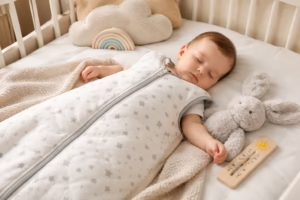
Monitoring a baby’s comfort level is essential, especially during colder nights.
Signs of overheating may include:
-
Sweating
-
Damp hair
-
Flushed cheeks
-
Rapid breathing
Signs that a baby may be too cold include:
-
Cool chest or back
-
Restlessness during sleep
-
Difficulty settling
Hands and feet may naturally feel cooler, so the chest or upper back is a more reliable indicator of body temperature.
Benefits of Using a 3.5 TOG Sleeping Bag
Sleeping bags provide several advantages beyond warmth.
Improved Sleep Safety
Medical organizations generally recommend avoiding loose blankets in cribs. Sleep sacks reduce the risk of covering the baby’s face during sleep.
Consistent Temperature Regulation
Unlike blankets that can be kicked off, sleeping bags maintain consistent warmth throughout the night.
Better Sleep Quality
Babies often sleep longer and more comfortably when their body temperature remains stable.
Ease of Use
Many sleeping bags include two way zippers, allowing easier nighttime diaper changes without fully removing the garment.
Safety Considerations for Winter Sleep
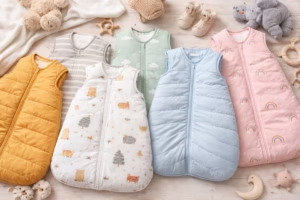
When using a 3.5 TOG sleeping bag, certain precautions should be followed.
Ensure proper sizing. The neck and arm openings should fit securely so the baby cannot slip inside the bag.
Avoid additional blankets. The sleeping bag itself provides sufficient warmth.
Maintain a safe sleep environment. Babies should always be placed on their backs on a firm mattress without pillows or toys.
Monitor room temperature. A nursery thermometer can help parents maintain an appropriate sleep environment.
When Not to Use a 3.5 TOG Sleeping Bag
Although highly effective in cold environments, a 3.5 TOG sleeping bag may be too warm in certain situations.
It should generally be avoided when:
-
The room temperature is above 18°C (64°F)
-
The baby already wears multiple thick layers
-
The nursery has strong heating during the night
In these situations, a 2.5 TOG or 1.0 TOG sleeping bag may provide better comfort.
Comparing 3.5 TOG With Other Sleep Sack Ratings
Understanding how different TOG levels compare helps parents choose the appropriate option.
| TOG Rating | Recommended Temperature | Typical Use |
|---|---|---|
| 0.5 TOG | 24°C and above | Summer |
| 1.0 TOG | 20–24°C | Warm environments |
| 2.5 TOG | 16–20°C | Standard year round use |
| 3.5 TOG | 14–18°C | Cold winter nights |
Each TOG level serves a different climate condition, and selecting the correct rating contributes to safe infant sleep.
Final Thoughts
A 3.5 TOG sleeping bag is designed to keep babies warm during colder indoor temperatures, typically between 14°C and 18°C. By providing effective insulation without the need for loose blankets, it supports both comfort and sleep safety. However, parents should still monitor room temperature, choose appropriate clothing layers, and watch for signs of overheating or excessive cold.
Using the correct TOG rating helps maintain a balanced sleep environment, allowing infants to rest comfortably throughout the night.









24 Responses