
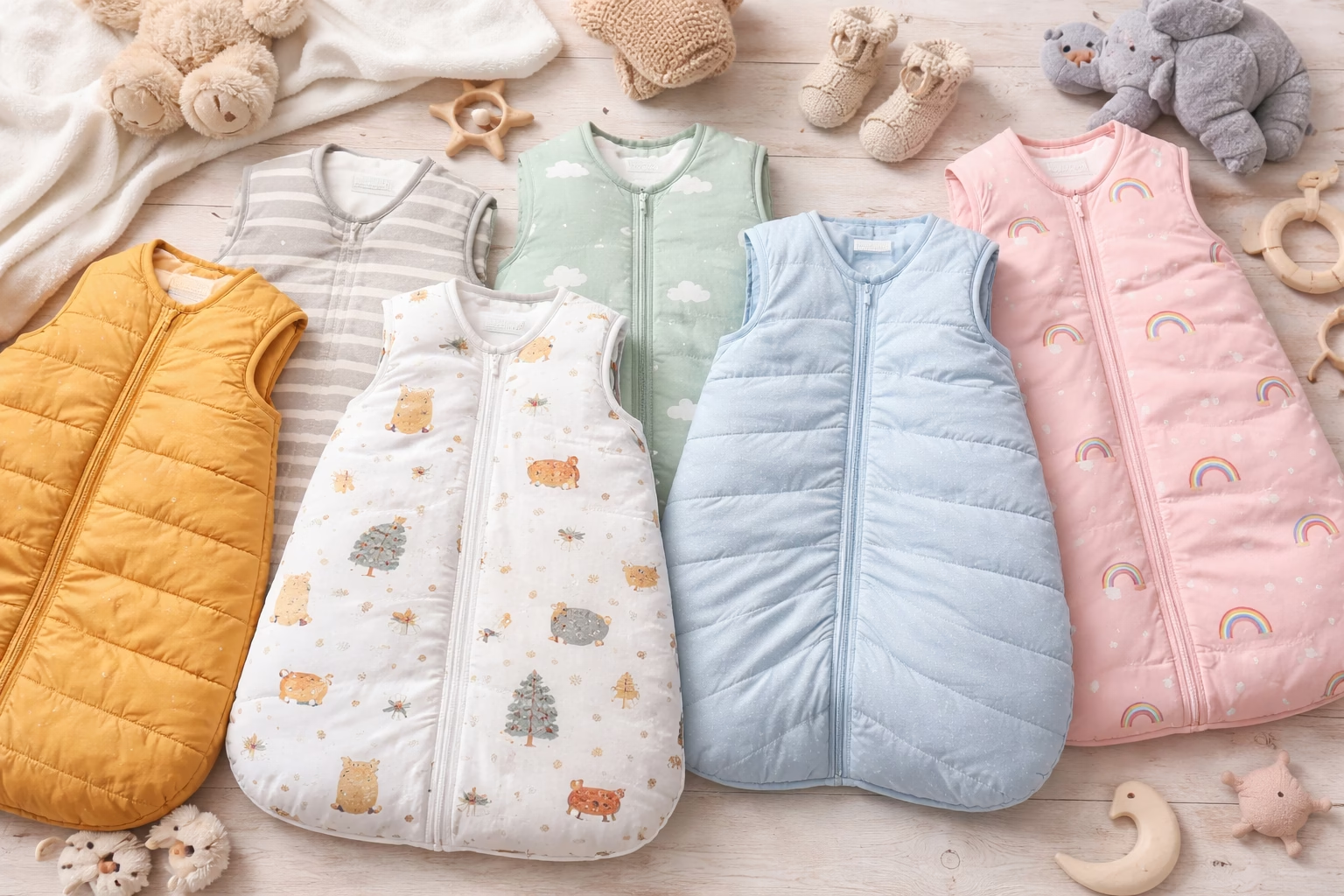
Choosing the right sleeping bag for a baby is an important decision for parents who want to ensure both comfort and safety during sleep. One of the most important factors when selecting a baby sleeping bag is the TOG rating. Many parents encounter this term when shopping for sleepwear but may not fully understand what it means or how it influences temperature regulation. A clear understanding of TOG ratings helps caregivers select appropriate sleepwear for different seasons and room temperatures.
- TOG measures a sleeping bag's thermal insulation; higher TOG means more warmth while lower TOG offers lighter insulation for warmer rooms.
- Match TOG to room temperature and clothing layers; use a room thermometer and avoid excessive layering to prevent overheating.
- Watch for overheating signs like sweaty neck, flushed cheeks, or damp clothing; ensure proper fit, no loose blankets, and always place baby on back.
This guide explains what TOG means, how it affects sleep comfort, and how to choose the correct sleeping bag for a baby based on environmental conditions.
What Does TOG Mean?
TOG stands for Thermal Overall Grade, a measurement used to indicate the level of thermal insulation in a fabric. The higher the TOG rating, the warmer the product will keep the body. Conversely, lower TOG values provide lighter insulation and are suitable for warmer environments.
In the context of baby sleeping bags, the TOG rating indicates how effectively the sleeping bag retains body heat while still allowing sufficient airflow to prevent overheating. Maintaining the right balance between warmth and breathability is essential because babies are more sensitive to temperature fluctuations than adults.
Parents should therefore view the TOG rating as a guideline that helps match sleepwear to room temperature rather than relying solely on seasonal assumptions.
Why TOG Ratings Matter for Babies
Temperature regulation during sleep is a critical factor in infant wellbeing. Babies cannot regulate their body temperature as effectively as adults, which means they can become too hot or too cold more quickly.
Proper use of TOG rated sleeping bags offers several advantages:
-
It helps maintain a stable body temperature throughout the night
-
It reduces the need for loose blankets in the crib
-
It supports safe sleep practices recommended by pediatric guidelines
-
It improves sleep quality by preventing temperature related disturbances
Overheating has been associated with sleep discomfort and may increase health risks in infants. Therefore, selecting an appropriate TOG level is not only about comfort but also about safety.
Understanding Common TOG Ratings
Baby sleeping bags typically fall into several standard TOG categories. Each category corresponds to a specific range of room temperatures.
0.2 TOG Sleeping Bags
These are very lightweight sleeping bags designed for hot environments. They are usually made from breathable cotton or muslin fabrics and provide minimal insulation.
Recommended for room temperatures above approximately 24°C (75°F).
1.0 TOG Sleeping Bags
A 1.0 TOG sleeping bag provides light insulation and is commonly used in moderately warm rooms.
Suitable for room temperatures between 20°C and 24°C (68°F to 75°F).
2.5 TOG Sleeping Bags
The 2.5 TOG option is considered all season sleepwear in many households. It provides balanced insulation that works well in cooler indoor environments.
Recommended for room temperatures between 16°C and 20°C (61°F to 68°F).
3.5 TOG Sleeping Bags
This category is designed for cold environments or winter months. It provides significant insulation and may eliminate the need for additional sleep layers.
Suitable for room temperatures below 16°C (61°F).
How to Choose the Right TOG Sleeping Bag

Selecting the correct sleeping bag involves considering several environmental and physiological factors.
Room Temperature
The most important factor is the temperature of the baby’s sleeping environment rather than the outdoor weather. A heated home in winter may require the same TOG rating as a mild spring environment.
Using a simple room thermometer helps parents determine the appropriate TOG level.
Clothing Layers
The clothing worn underneath the sleeping bag also influences warmth. A lightweight bodysuit may be sufficient when using a higher TOG sleeping bag, while lighter TOG bags may require additional layers.
Parents should avoid excessive layering, as overheating can occur easily in infants.
Fabric Material
The material used in the sleeping bag also affects comfort. Natural fabrics such as cotton are generally breathable and help regulate temperature. Synthetic materials may retain more heat and should be evaluated carefully for airflow and moisture management.
Baby’s Individual Comfort
Each baby responds differently to temperature. Signs that a baby may be too warm include sweating, flushed skin, or damp hair. Cold babies may have cool extremities or restless sleep patterns.
Checking the baby’s chest or back rather than hands or feet provides a more accurate indication of body temperature.
Signs Your Baby May Be Too Hot or Too Cold
Monitoring physical cues helps ensure that the sleeping environment remains comfortable.
Possible signs of overheating include:
-
Sweaty neck or back
-
Rapid breathing
-
Damp clothing
-
Flushed cheeks
Possible signs of being too cold include:
-
Cool chest or abdomen
-
Frequent waking during the night
-
Reduced movement during sleep
Adjusting either the TOG level or clothing layers usually resolves these issues.
Safe Sleep Tips When Using TOG Sleeping Bags
Sleeping bags are widely recommended as an alternative to loose blankets because they remain securely positioned throughout the night. However, they should still be used in accordance with safe sleep guidelines.
Key recommendations include:
-
Always place babies on their backs to sleep
-
Ensure the sleeping bag fits properly around the neck and arms
-
Avoid additional blankets in the crib
-
Maintain a comfortable room temperature
These measures support safer sleep while ensuring the baby remains comfortable throughout the night.
Seasonal TOG Recommendations
Although room temperature should guide the final decision, seasonal patterns often influence which TOG ratings are most commonly used.
Summer: 0.2 TOG or 1.0 TOG
Spring and Autumn: 1.0 TOG or 2.5 TOG
Winter: 2.5 TOG or 3.5 TOG
Maintaining flexibility in sleepwear options allows parents to adapt quickly to temperature changes.
Conclusion
Understanding TOG ratings enables parents to make informed decisions when selecting baby sleeping bags. The TOG value provides a reliable indicator of insulation, helping caregivers match sleepwear to room temperature and prevent overheating or chilling.
A well chosen sleeping bag supports better sleep quality, enhances comfort, and aligns with recommended safe sleep practices. By paying attention to environmental temperature, clothing layers, and individual comfort signals, parents can create a safe and restful sleep environment for their child.










74 Responses