














Hantavirus: Symptoms, Causes, Treatment, Prevention, and Long-Term Health Effects
Hantavirus is a rare but potentially life-threatening viral infection that can cause severe respiratory and kidney complications in humans. Although...
By True Impact Health Editorial Team

Dr. Oluwabusola Stella OkeMedical Reviewer, True Impact Health
Medical graduate of Girne American University with a focus on patient-centred care, clinical assessment and preventive health.
Reviewed this article on October 15, 2026.
View profile How we reviewUpdated on May 29, 2026 7 min read
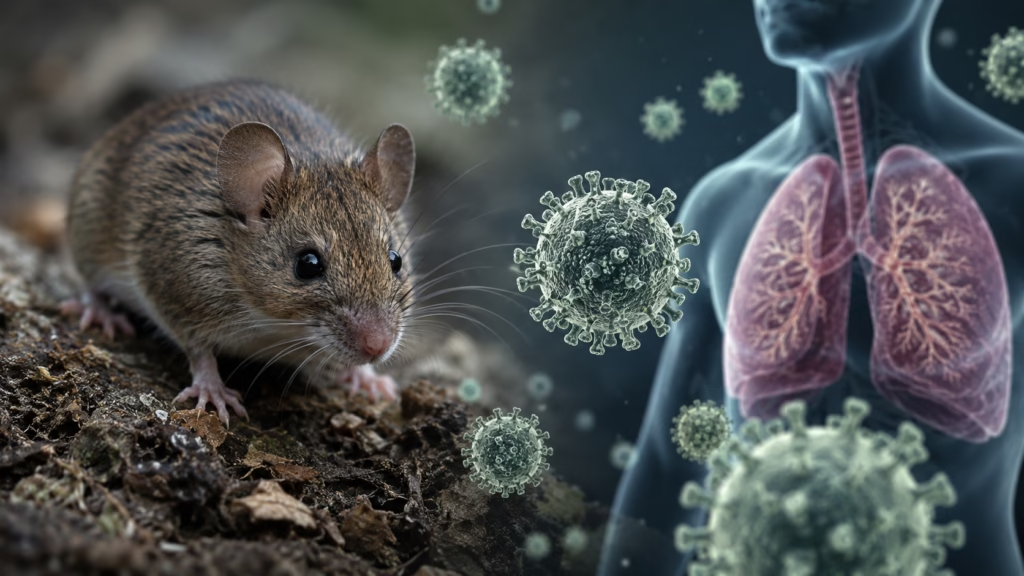
Table of Contents
Introduction
Hantavirus is a rare but potentially life-threatening viral infection that can cause severe respiratory and kidney complications in humans. Although relatively uncommon compared to diseases such as influenza or COVID-19, hantavirus infections have a high mortality rate and require immediate medical attention. The disease is primarily transmitted through exposure to infected rodents and their droppings, urine, or saliva.
Key takeaways
- Early hantavirus symptoms mimic influenza, then can rapidly progress to severe respiratory or kidney failure; seek immediate medical care if exposure and concerning symptoms.
- Primary infection occurs from inhaling aerosolized rodent urine, droppings, or disturbed nesting material; control rodents and follow safe cleaning practices to reduce risk.
- There is no specific antiviral; management is supportive with oxygen, fluid and intensive care, and early diagnosis improves survival odds.
In recent years, growing concerns about emerging infectious diseases have brought hantavirus into greater public awareness. Understanding how hantavirus spreads, recognizing its symptoms, and implementing preventive measures are essential for protecting public health.
This comprehensive guide explores everything you need to know about hantavirus, including its causes, symptoms, risk factors, diagnosis, treatment, prevention strategies, and potential long-term effects.
What Is Hantavirus?
Hantavirus refers to a group of viruses belonging to the Hantaviridae family. These viruses are carried by specific species of rodents and can infect humans when viral particles become airborne and are inhaled.
Different hantavirus strains exist worldwide, causing different forms of illness.
In North and South America, hantaviruses commonly cause Hantavirus Pulmonary Syndrome (HPS), a severe respiratory disease.
In Europe and Asia, hantaviruses are more frequently associated with Hemorrhagic Fever with Renal Syndrome (HFRS), a disease that primarily affects the kidneys.
Although these conditions differ in presentation, both can become severe and potentially fatal if not treated promptly.
The History of Hantavirus
The virus was first recognized internationally during the Korean War in the early 1950s when thousands of United Nations soldiers developed a mysterious illness involving fever, bleeding disorders, and kidney failure.
The virus was later named after the Hantan River in South Korea, where many cases were identified.
In 1993, hantavirus gained significant attention in the United States following an outbreak in the Four Corners region, where Arizona, New Mexico, Colorado, and Utah meet. Researchers identified a previously unknown strain called Sin Nombre virus, which caused severe respiratory disease and several deaths.
Since then, public health agencies worldwide have continued monitoring hantavirus infections and studying methods to reduce transmission.
What Causes Hantavirus Infection?
Hantavirus infections occur when humans come into contact with infected rodents or environments contaminated by rodent waste.
The virus is most commonly carried by:
- Deer mice
- Cotton rats
- Rice rats
- White-footed mice
- Certain species of voles
These rodents often appear healthy despite carrying the virus.
Humans become infected through several routes.
Inhalation of Contaminated Air
This is the most common mode of transmission.
When rodent urine, droppings, or nesting materials dry out, tiny virus-containing particles can become airborne. Sweeping, vacuuming, or disturbing contaminated areas may release these particles into the air, where they can be inhaled.
Direct Contact
Touching contaminated surfaces and then touching the mouth, nose, or eyes may result in infection.
Rodent Bites
Although uncommon, infected rodents can transmit the virus through bites.
Contaminated Food
Consuming food contaminated by infected rodents may also pose a risk.
Unlike many respiratory viruses, hantavirus generally does not spread easily between humans. Most cases occur through environmental exposure rather than person-to-person transmission.
Who Is Most at Risk?
Certain individuals face a higher risk of exposure due to their occupation, lifestyle, or environment.
Higher-risk groups include:
- Farmers
- Construction workers
- Pest control workers
- Forestry workers
- Campers and hikers
- Warehouse employees
- Individuals cleaning abandoned buildings
- People living in rodent-infested homes
The risk increases in areas where rodent populations are abundant and where human activities disturb contaminated environments.
Symptoms of Hantavirus Infection
One of the challenges of hantavirus infection is that early symptoms resemble many common viral illnesses.
Early Symptoms
Symptoms typically appear one to eight weeks after exposure and may include:
- Fever
- Chills
- Severe fatigue
- Headache
- Muscle aches
- Back pain
- Joint pain
- Nausea
- Vomiting
- Abdominal discomfort
- Loss of appetite
Many patients initially believe they have influenza or another common viral illness.
Advanced Symptoms
As the infection progresses, symptoms become more severe.
These may include:
- Persistent cough
- Shortness of breath
- Chest tightness
- Rapid heartbeat
- Low blood pressure
- Severe respiratory distress
At this stage, the lungs begin filling with fluid, making breathing increasingly difficult.
Without immediate medical intervention, respiratory failure can occur.
Hantavirus Pulmonary Syndrome (HPS)
Hantavirus Pulmonary Syndrome is the most serious form of hantavirus infection found in the Americas.
How It Develops
After the initial flu-like stage, the virus causes inflammation and leakage of blood vessels in the lungs.
Fluid accumulates within lung tissues, reducing oxygen exchange and making breathing extremely difficult.
Symptoms of HPS
Common symptoms include:
- Severe cough
- Difficulty breathing
- Rapid breathing
- Oxygen deprivation
- Bluish discoloration of lips or skin
- Extreme weakness
HPS can progress rapidly, often requiring hospitalization and intensive care support.
Mortality Rate
Hantavirus Pulmonary Syndrome has a mortality rate of approximately 30% to 40%, making it one of the most serious viral respiratory infections known.
Early diagnosis and supportive treatment significantly improve survival rates.
Hemorrhagic Fever with Renal Syndrome (HFRS)
This form of hantavirus infection is more common in Europe and Asia.
Effects on the Kidneys
The virus damages blood vessels and kidney tissues, leading to:
- Reduced kidney function
- Internal bleeding
- Fluid imbalances
- Electrolyte disturbances
Symptoms
Symptoms may include:
- High fever
- Severe headache
- Abdominal pain
- Blurred vision
- Facial flushing
- Low blood pressure
- Kidney dysfunction
- Reduced urine output
Severe cases may require dialysis and intensive medical management.
How Is Hantavirus Diagnosed?
Diagnosis can be challenging because symptoms initially resemble many other illnesses.
Healthcare providers typically use:
Medical History
Doctors assess potential exposure to rodents, contaminated environments, or high-risk activities.
Physical Examination
Signs of respiratory distress, dehydration, or kidney impairment may raise suspicion.
Blood Tests
Laboratory tests can detect antibodies produced against hantavirus and identify abnormalities such as:
- Low platelet counts
- Elevated white blood cell counts
- Abnormal kidney function
Imaging Studies
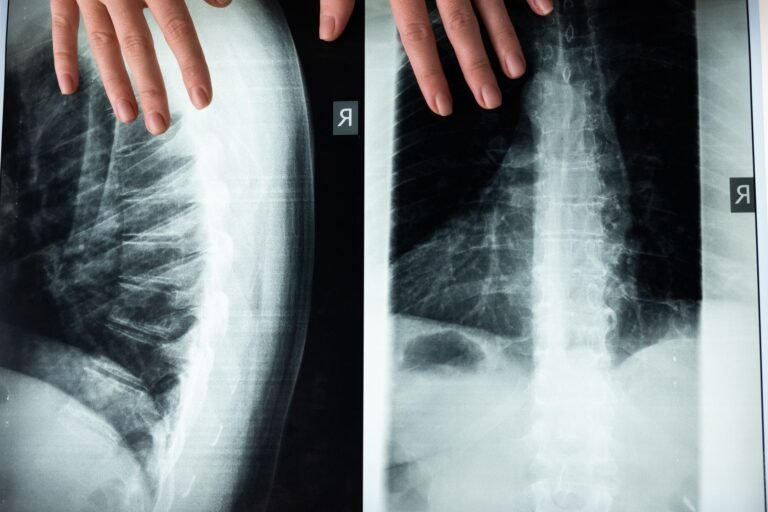
Chest X-rays and CT scans may reveal fluid accumulation in the lungs.
Early diagnosis is crucial because disease progression can be rapid.
Treatment of Hantavirus Infection
There is currently no specific antiviral cure for hantavirus infection.
Treatment focuses on supportive medical care.
Oxygen Therapy
Patients with respiratory symptoms often require supplemental oxygen.
Mechanical Ventilation
Severe cases may require ventilator support to maintain adequate oxygen levels.
Fluid Management
Careful management of fluids helps prevent worsening lung congestion while maintaining circulation.
Intensive Care
Many patients require monitoring in intensive care units where blood pressure, oxygen levels, and organ function can be closely observed.
The earlier treatment begins, the greater the likelihood of survival.
Long-Term Effects of Hantavirus Infection
Many survivors recover completely, but some individuals may experience lingering health effects.
Respiratory Problems
Some survivors report:
- Reduced lung capacity
- Shortness of breath during exertion
- Persistent fatigue
Muscle Weakness
Prolonged hospitalization and severe illness may lead to muscle loss and weakness.
Psychological Effects
Survivors may experience:
- Anxiety
- Depression
- Post-traumatic stress symptoms
Reduced Physical Endurance
Recovery may take several weeks or months, particularly in severe cases.
Regular medical follow-up can help address these ongoing challenges.
How to Prevent Hantavirus Infection
Prevention focuses primarily on reducing exposure to rodents and contaminated environments.
Rodent Control
Seal holes and cracks around homes and buildings to prevent rodent entry.
Store food in sealed containers and eliminate potential nesting sites.
Safe Cleaning Practices
Never sweep or vacuum rodent droppings directly.
Instead:
- Ventilate the area for at least 30 minutes.
- Wear gloves and a mask.
- Spray droppings with disinfectant.
- Allow the disinfectant to sit for several minutes.
- Wipe up materials using disposable towels.
Protect Yourself Outdoors
When camping or hiking:
- Avoid sleeping directly on the ground.
- Store food securely.
- Keep tents away from rodent habitats.
Workplace Safety
Employers should provide protective equipment and training for workers who may encounter rodent-contaminated environments.
When to Seek Medical Attention
Immediate medical evaluation is necessary if you develop:
- Fever after rodent exposure
- Severe muscle aches
- Difficulty breathing
- Persistent cough
- Chest pain
- Unexplained fatigue
- Signs of dehydration
Early treatment can be lifesaving.
Conclusion
Hantavirus is a rare but potentially devastating viral infection that deserves serious attention. Although most people will never encounter the disease, those who work, live, or spend time in rodent-prone environments should understand the risks and preventive measures.
The infection often begins with symptoms resembling influenza but can rapidly progress to severe respiratory failure or kidney complications. Because no specific cure currently exists, prevention, early recognition, and prompt medical care remain the most effective strategies for reducing illness and saving lives.
By maintaining proper hygiene, controlling rodent populations, and seeking medical attention when symptoms arise, individuals can significantly reduce their risk of hantavirus infection and its potentially life-threatening consequences.
Was this page helpful?
Thanks for your feedback! What could we improve?
Thank you! Your feedback helps us improve our articles.
Medically reviewed by
Dr. Oluwabusola Stella OkeMedical graduate of Girne American University with a focus on patient-centred care, clinical assessment and preventive health.
True Impact Health articles are written by our editorial team and based on reliable sources such as public health agencies, clinical guidelines and peer-reviewed research. This article has been checked by a doctor on our review panel. Read our editorial process.
This content is for general information and is not a substitute for professional medical advice, diagnosis or treatment.