











Systemic Hypertension
Imagine your circulatory system as a vast network of highways transporting oxygen, nutrients, and essential substances to every organ and tissue in your...
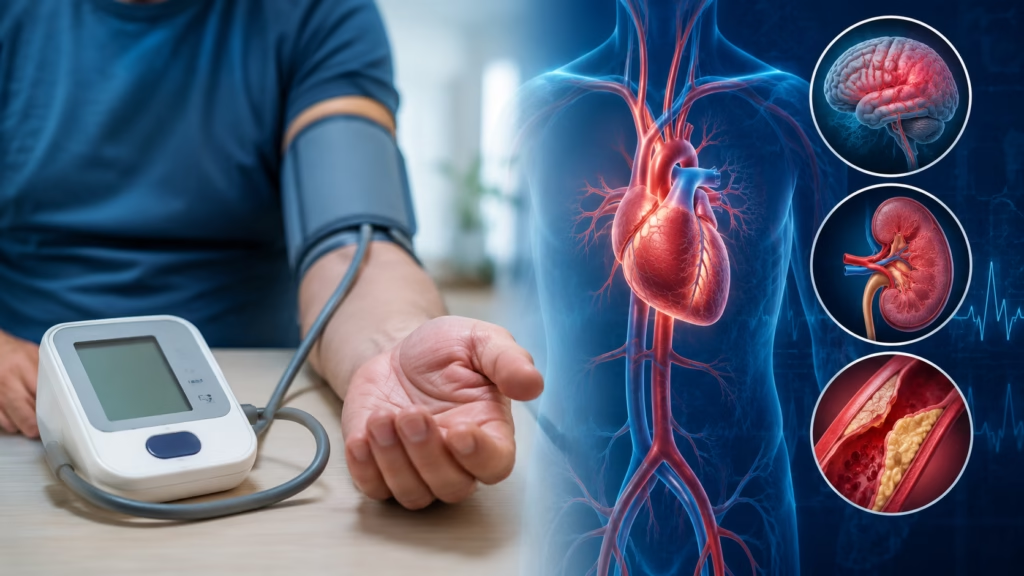
Table of Contents
Introduction
Imagine your circulatory system as a vast network of highways transporting oxygen, nutrients, and essential substances to every organ and tissue in your body. Now imagine the pressure within those highways steadily increasing day after day, month after month, and year after year. Over time, that constant pressure begins to damage the delicate lining of blood vessels, forces the heart to work harder, and increases the risk of serious health complications. This condition is known as systemic hypertension, more commonly referred to as high blood pressure.
Systemic hypertension is one of the most prevalent chronic health conditions worldwide and remains a leading contributor to heart disease, stroke, kidney failure, and premature death. Despite its widespread impact, many people remain unaware they have hypertension because the condition often develops silently without obvious symptoms.
Understanding what systemic hypertension is, why it develops, and how it can be managed is essential for protecting long-term cardiovascular health. This guide explores the causes, risk factors, symptoms, diagnosis, treatment options, and preventive strategies associated with systemic hypertension.
What Is Systemic Hypertension?
Systemic hypertension refers to persistently elevated blood pressure within the systemic arterial circulation. The systemic arteries are responsible for carrying oxygen-rich blood from the heart to the rest of the body. When the pressure inside these arteries remains elevated over an extended period, the cardiovascular system experiences increased strain that can gradually damage multiple organs.
Blood pressure is measured using two numbers. The first number, known as systolic blood pressure, represents the pressure inside the arteries when the heart contracts and pumps blood. The second number, known as diastolic blood pressure, reflects the pressure when the heart relaxes between beats.
Current clinical guidelines generally define hypertension as blood pressure readings consistently at or above 130 mmHg systolic or 80 mmHg diastolic. These elevated readings indicate that the heart must work harder to circulate blood throughout the body, increasing the risk of long-term cardiovascular complications.
Although a single elevated blood pressure reading does not necessarily mean someone has hypertension, persistently high readings over time warrant medical evaluation and management.
Understanding Blood Pressure Measurements
Blood pressure levels are categorized to help healthcare providers assess cardiovascular risk and guide treatment decisions.
Normal blood pressure is typically considered less than 120/80 mmHg. Individuals with readings between 120 and 129 mmHg systolic and less than 80 mmHg diastolic are classified as having elevated blood pressure, which signals an increased risk of developing hypertension in the future.
Stage 1 hypertension is diagnosed when systolic pressure ranges from 130 to 139 mmHg or diastolic pressure ranges from 80 to 89 mmHg. Stage 2 hypertension occurs when systolic pressure reaches 140 mmHg or higher, or diastolic pressure reaches 90 mmHg or higher.
These classifications help determine whether lifestyle modifications alone are appropriate or whether medication may also be necessary.
Types of Systemic Hypertension
Understanding the underlying cause of hypertension is important because treatment strategies may differ depending on the type.
Primary (Essential) Hypertension
Primary hypertension accounts for approximately 90 to 95 percent of all hypertension cases. It develops gradually over many years and does not have a single identifiable cause.
Instead, primary hypertension results from a complex interaction of genetic predisposition, aging, environmental influences, and lifestyle factors. Poor dietary habits, excessive sodium intake, physical inactivity, obesity, and chronic stress all contribute to the development of this condition.
Because primary hypertension develops slowly, many individuals remain unaware they have elevated blood pressure until it is detected during a routine medical examination.
Secondary Hypertension
Secondary hypertension represents approximately 5 to 10 percent of cases and occurs as a result of an identifiable underlying condition.
Several medical disorders can cause secondary hypertension, including chronic kidney disease, thyroid disorders, adrenal gland abnormalities, obstructive sleep apnea, and certain cardiovascular conditions. Some medications, including oral contraceptives, corticosteroids, decongestants, and nonsteroidal anti-inflammatory drugs (NSAIDs), may also contribute to elevated blood pressure.
Unlike primary hypertension, secondary hypertension often improves or resolves when the underlying cause is successfully treated.
Risk Factors for Systemic Hypertension
Many factors increase the likelihood of developing hypertension. Some can be modified through lifestyle changes, while others are beyond individual control.
Modifiable Risk Factors
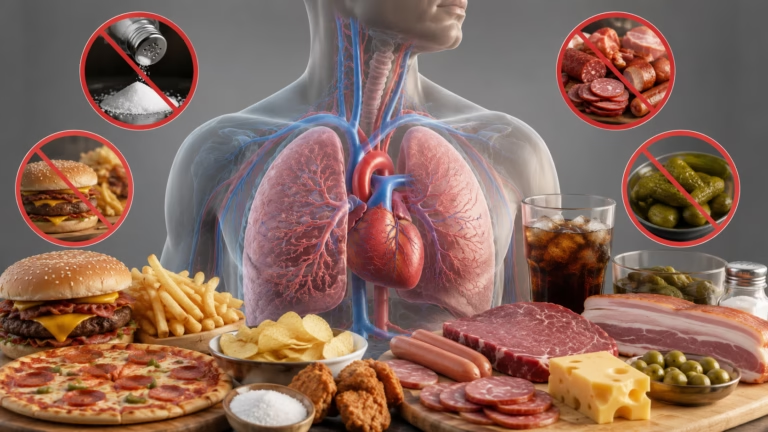
Diet plays a major role in blood pressure regulation. Diets high in sodium, processed foods, saturated fats, and added sugars increase the risk of hypertension. Excessive sodium intake causes the body to retain water, increasing blood volume and raising blood pressure.
Physical inactivity is another significant contributor. Regular exercise helps maintain healthy blood vessels and improves cardiovascular efficiency. Sedentary lifestyles increase the risk of both hypertension and obesity.
Obesity itself is strongly associated with elevated blood pressure. Excess body weight increases the workload placed on the heart and contributes to hormonal and metabolic changes that promote hypertension.
Smoking damages blood vessels and accelerates arterial stiffening, while excessive alcohol consumption can elevate blood pressure and interfere with blood pressure medications.
Chronic psychological stress may also contribute to long-term blood pressure elevation by stimulating the release of stress hormones that constrict blood vessels and increase heart rate.
Non-Modifiable Risk Factors
Certain risk factors cannot be changed. Family history is one of the strongest predictors of hypertension. Individuals with parents or siblings who have high blood pressure are more likely to develop the condition themselves.
Age is another important factor. Blood pressure tends to rise naturally with advancing age due to gradual changes in blood vessel elasticity.
Ethnicity also influences risk. Research has shown that hypertension occurs more frequently and often develops earlier among individuals of African ancestry compared to many other populations.
Signs and Symptoms of Systemic Hypertension
One of the reasons hypertension is so dangerous is that it often produces no noticeable symptoms during its early stages. Many people feel completely normal despite having significantly elevated blood pressure.
For this reason, hypertension is frequently referred to as the “silent killer.”
When symptoms do occur, they may include recurring headaches, particularly in the morning, dizziness, shortness of breath, fatigue, or occasional nosebleeds. However, these symptoms are not specific to hypertension and may be caused by numerous other conditions.
In cases of severely elevated blood pressure, individuals may experience blurred vision, chest pain, confusion, severe headaches, or neurological symptoms that require immediate medical attention.
Complications of Untreated Systemic Hypertension
When left untreated, hypertension can gradually damage blood vessels and organs throughout the body.
Heart Disease
High blood pressure forces the heart to work harder than normal. Over time, this increased workload can cause the heart muscle to thicken and weaken, eventually leading to heart failure.
Hypertension also contributes to the development of coronary artery disease, significantly increasing the risk of heart attacks.
Stroke
Elevated blood pressure damages the arteries supplying the brain, increasing the likelihood of both ischemic and hemorrhagic strokes. Stroke remains one of the leading causes of disability and death worldwide.
Chronic Kidney Disease
The kidneys rely on healthy blood vessels to filter waste products from the bloodstream. Hypertension damages these delicate vessels, impairing kidney function and increasing the risk of chronic kidney disease and kidney failure.
Peripheral Artery Disease
Damage to arteries in the arms and legs can reduce blood flow to the extremities, causing pain, reduced mobility, and increased risk of complications.
Vision Problems
The small blood vessels within the eyes are particularly vulnerable to hypertension. Chronic high blood pressure may lead to hypertensive retinopathy, vision impairment, and, in severe cases, permanent vision loss.
How Systemic Hypertension Is Diagnosed
Accurate diagnosis requires more than a single elevated blood pressure reading. Healthcare providers typically measure blood pressure on multiple occasions to confirm persistent elevation.
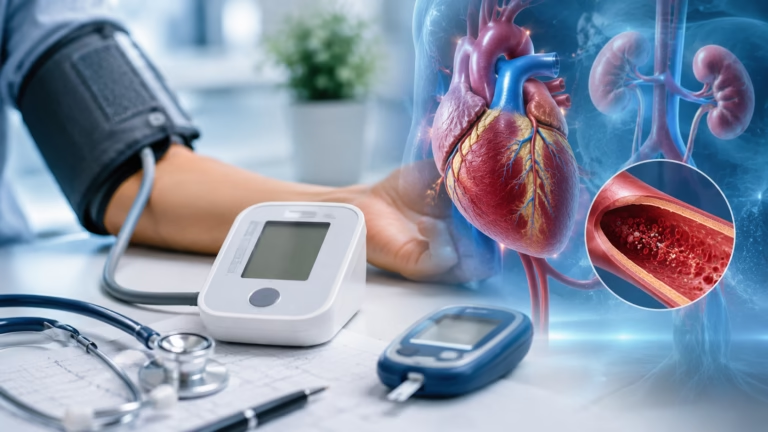
Blood pressure may be assessed using either automated electronic monitors or traditional manual devices known as sphygmomanometers. Measurements should be obtained while the patient is seated comfortably and relaxed.
Home blood pressure monitoring has become increasingly valuable because it provides multiple readings over time and may help identify patterns that are not evident during office visits.
In some situations, a healthcare provider may recommend 24-hour ambulatory blood pressure monitoring. This method involves wearing a portable device that records blood pressure at regular intervals throughout the day and night.
Additional testing may include blood tests to evaluate kidney function, electrolyte levels, blood sugar, and cholesterol. Urinalysis can detect evidence of kidney damage, while electrocardiograms and echocardiograms help assess the impact of hypertension on the heart.
Lifestyle Modifications: The Foundation of Treatment
Lifestyle changes represent the first line of defense against systemic hypertension and remain essential even when medications are prescribed.
Following the DASH Diet
The Dietary Approaches to Stop Hypertension (DASH) diet is one of the most extensively studied nutritional strategies for lowering blood pressure.
This dietary pattern emphasizes fruits, vegetables, whole grains, lean proteins, low-fat dairy products, nuts, seeds, and legumes. It limits sodium, processed foods, sugary beverages, and foods high in saturated fat.
Research consistently demonstrates that adherence to the DASH diet can significantly reduce blood pressure and improve overall cardiovascular health.
Increasing Physical Activity
Regular exercise strengthens the heart, improves circulation, and helps maintain healthy blood vessel function.
Current recommendations encourage at least 150 minutes of moderate-intensity aerobic activity per week. Activities such as brisk walking, cycling, swimming, dancing, and jogging can all contribute to improved blood pressure control.
Strength training exercises performed two or more days per week provide additional cardiovascular and metabolic benefits.
Managing Stress
Stress reduction is an important component of hypertension management. Techniques such as meditation, mindfulness, yoga, deep breathing exercises, and progressive muscle relaxation may help lower blood pressure and improve emotional well-being.
Adequate sleep is equally important. Most adults should aim for seven to nine hours of quality sleep each night to support healthy cardiovascular function.
Limiting Alcohol and Avoiding Tobacco
Reducing alcohol consumption and eliminating tobacco use can substantially improve blood pressure control.
Individuals who smoke should seek evidence-based smoking cessation programs to reduce cardiovascular risk and improve overall health.
Medications Used to Treat Systemic Hypertension
When lifestyle modifications alone are insufficient, medications may be necessary to achieve optimal blood pressure control.
Several classes of medications are commonly used. Diuretics help remove excess fluid and sodium from the body, reducing blood volume and lowering blood pressure.
Angiotensin-converting enzyme (ACE) inhibitors and angiotensin receptor blockers (ARBs) relax blood vessels and improve circulation. Calcium channel blockers reduce the force of arterial constriction, while beta-blockers decrease heart rate and cardiac workload.
The choice of medication depends on factors such as age, race, kidney function, diabetes status, and the presence of other medical conditions.
Many individuals require a combination of medications to achieve target blood pressure levels.
Monitoring Progress and Maintaining Control
Managing hypertension is an ongoing process that requires consistency and commitment.
Home blood pressure monitoring allows individuals to track their progress and identify trends over time. Keeping a record of readings can help healthcare providers make informed treatment decisions.
Regular follow-up appointments are important for evaluating treatment effectiveness and monitoring for potential side effects.
Maintaining a journal that tracks diet, exercise, stress levels, medication adherence, and blood pressure readings can provide valuable insights into factors that influence blood pressure control.
Even modest reductions in blood pressure can have substantial health benefits. Research shows that lowering systolic blood pressure by as little as 10 mmHg significantly reduces the risk of heart attack, stroke, and cardiovascular death.
Conclusion
Systemic hypertension is one of the most common yet preventable causes of cardiovascular disease worldwide. Although it often develops silently, its long-term effects on the heart, blood vessels, kidneys, brain, and eyes can be devastating if left untreated.
Fortunately, effective management is possible through a combination of healthy lifestyle choices, regular monitoring, and appropriate medical treatment when necessary. Adopting a heart-healthy diet, engaging in regular physical activity, managing stress, maintaining a healthy weight, and adhering to prescribed medications can dramatically reduce the risk of complications.
The journey toward better blood pressure control begins with awareness and action. By understanding systemic hypertension and taking proactive steps today, individuals can protect their cardiovascular health, improve their quality of life, and enjoy a healthier future for years to come.
Disclaimer
This article is for educational purposes only and does not replace professional medical advice, diagnosis, or treatment. Seizures, severe headache, confusion, visual changes, or blood pressure readings in the hypertensive crisis range require urgent medical evaluation.
Was this page helpful?
Thanks for your feedback! What could we improve?
Thank you! Your feedback helps us improve our articles.
True Impact Health articles are written by our editorial team and based on reliable sources such as public health agencies, clinical guidelines and peer-reviewed research. This article has not yet been medically reviewed. Read our editorial process.
This content is for general information and is not a substitute for professional medical advice, diagnosis or treatment.