Introduction
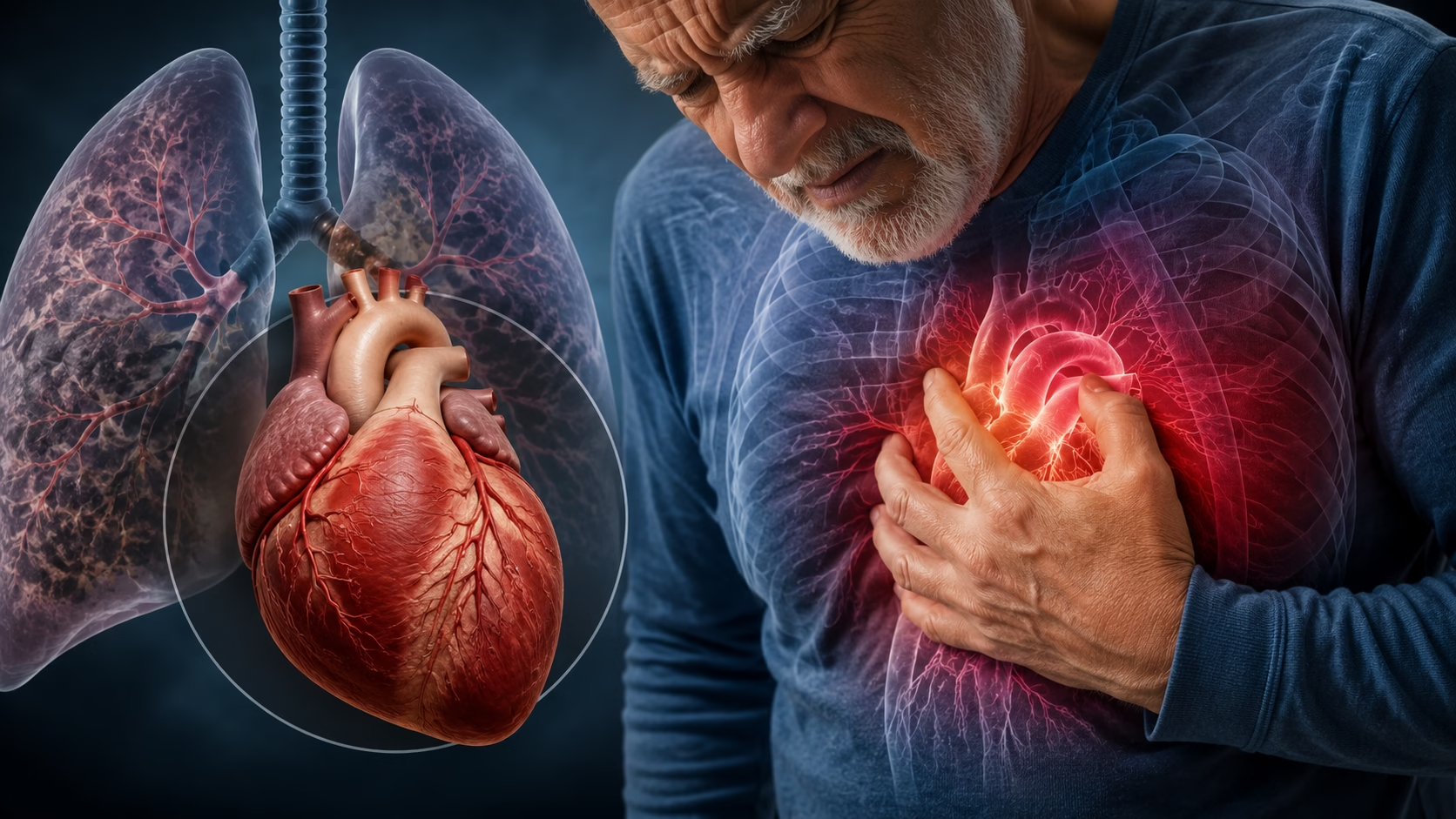
Chronic Obstructive Pulmonary Disease (COPD) and Congestive Heart Failure (CHF) are two of the most common chronic health conditions affecting millions of people around the world. Both diseases can significantly impact quality of life, limit physical activity, and increase the risk of hospitalization and premature death. Because COPD primarily affects the lungs and CHF affects the heart, many people assume they are entirely separate conditions. However, the reality is far more complex.
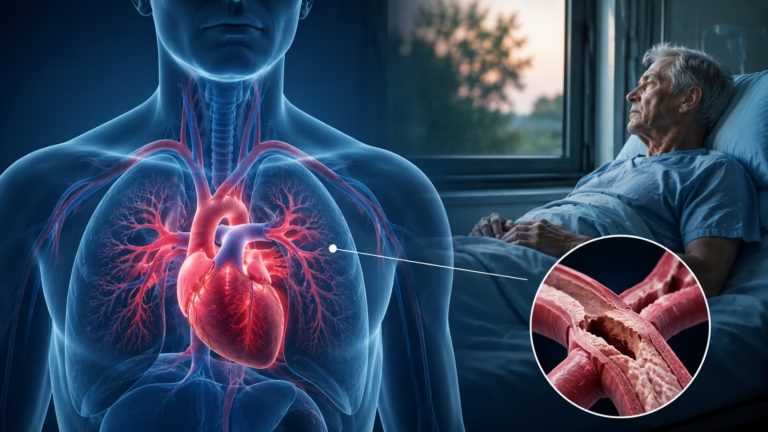
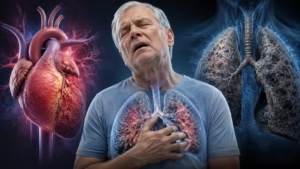
- COPD contributes to congestive heart failure, especially right-sided failure, by increasing strain on the heart.
- Pulmonary hypertension from hypoxic pulmonary vasoconstriction leads to right ventricular enlargement and cor pulmonale.
- Chronic low oxygen and increased cardiac workload cause structural heart changes, impairing pump function over time.
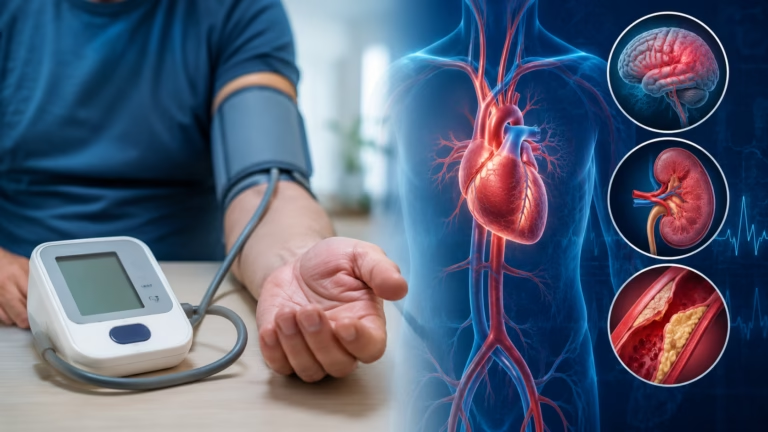
- Systemic inflammation in COPD accelerates atherosclerosis and vascular damage, raising risk for coronary disease and heart failure.
- Coordinated care: smoking cessation, pulmonary rehabilitation, medications, oxygen therapy, and regular monitoring reduce heart failure risk.
Medical research has shown that there is a strong connection between the lungs and the heart. When the lungs are damaged by chronic disease, the heart often has to work harder to compensate. Over time, this extra strain can contribute to the development of heart failure. As a result, many patients living with COPD eventually develop cardiovascular complications, including congestive heart failure.
Understanding the relationship between COPD and CHF is important because early recognition and proper management can improve symptoms, reduce complications, and enhance overall quality of life. This article explores how COPD can contribute to congestive heart failure, the warning signs to watch for, available treatment options, and strategies for protecting both heart and lung health.
Understanding COPD
Chronic Obstructive Pulmonary Disease is a progressive lung disease that causes persistent airflow limitation. The condition develops when the airways become inflamed and narrowed, making it increasingly difficult for air to move in and out of the lungs. Over time, this limitation reduces the body’s ability to obtain adequate oxygen and remove carbon dioxide effectively.
COPD is an umbrella term that primarily includes two related conditions: emphysema and chronic bronchitis. Emphysema occurs when the tiny air sacs within the lungs, known as alveoli, become damaged and lose their elasticity. This damage reduces the surface area available for oxygen exchange. Chronic bronchitis, on the other hand, involves long-term inflammation of the airways, leading to excessive mucus production and persistent coughing.
People with COPD commonly experience symptoms such as shortness of breath, chronic coughing, wheezing, chest tightness, and excessive mucus production. These symptoms often worsen gradually over time, making everyday activities increasingly difficult.
Related Posts:
The leading cause of COPD is cigarette smoking. In fact, smoking is responsible for the majority of COPD cases worldwide. Long-term exposure to environmental pollutants, occupational dust, chemical fumes, and biomass fuel smoke can also contribute to the development of the disease. In rare cases, a genetic disorder known as alpha-1 antitrypsin deficiency can increase the risk of developing COPD.
As COPD progresses, oxygen levels in the bloodstream may decrease while carbon dioxide levels rise. These changes can affect multiple organs throughout the body, including the heart.
Understanding Congestive Heart Failure
Congestive heart failure is a chronic condition in which the heart cannot pump blood efficiently enough to meet the body’s needs. Contrary to what the name suggests, heart failure does not mean that the heart has stopped working. Instead, it means that the heart’s pumping ability has become weakened or impaired.
When the heart cannot circulate blood effectively, fluid begins to accumulate in different parts of the body. This fluid buildup may occur in the lungs, legs, feet, ankles, abdomen, or other tissues. As fluid accumulates, symptoms such as swelling, fatigue, and breathing difficulties become more pronounced.
Heart failure can affect the left side of the heart, the right side of the heart, or both sides simultaneously. Left-sided heart failure typically causes fluid to back up into the lungs, resulting in shortness of breath and coughing. Right-sided heart failure often causes fluid retention in the lower extremities and abdomen, leading to noticeable swelling.
Common causes of congestive heart failure include coronary artery disease, hypertension, heart valve disorders, cardiomyopathy, and certain heart rhythm abnormalities. However, chronic lung diseases such as COPD can also contribute significantly to heart failure development.
Does COPD Cause Congestive Heart Failure?
The short answer is yes, COPD can contribute to the development of congestive heart failure, particularly right-sided heart failure. Although COPD may not directly cause every case of CHF, it creates several physiological changes that place tremendous strain on the cardiovascular system.
The relationship between COPD and heart failure is often described as bidirectional. This means that COPD can worsen heart function, while heart failure can worsen respiratory symptoms. Because both diseases share many risk factors and symptoms, they frequently occur together.
Patients with advanced COPD are significantly more likely to develop heart failure than individuals without chronic lung disease. Studies suggest that cardiovascular disease is one of the leading causes of death among people with COPD.
Pulmonary Hypertension: A Major Link Between COPD and Heart Failure
One of the most important mechanisms connecting COPD and heart failure is pulmonary hypertension.
In healthy lungs, blood vessels remain relatively relaxed, allowing blood to flow easily through the pulmonary circulation. However, in COPD, chronic low oxygen levels trigger constriction of these blood vessels. This process is known as hypoxic pulmonary vasoconstriction.
As the pulmonary blood vessels narrow, pressure within the pulmonary arteries begins to rise. This increased pressure forces the right ventricle of the heart to work much harder to pump blood into the lungs. Over time, the right side of the heart becomes enlarged, weakened, and less efficient.
This condition is known as cor pulmonale, a specific form of right-sided heart failure caused by chronic lung disease. Cor pulmonale is one of the most common cardiac complications of advanced COPD and represents a direct pathway through which COPD can lead to congestive heart failure.
Increased Cardiac Workload
COPD places an enormous burden on the heart because reduced lung function limits oxygen delivery throughout the body.
When oxygen levels decline, the heart attempts to compensate by pumping faster and harder to deliver sufficient oxygen to tissues and organs. This increased workload may continue for years, gradually weakening the heart muscle.
Over time, the persistent strain can cause structural changes in the heart, including thickening of the ventricular walls and enlargement of the cardiac chambers. These changes impair the heart’s ability to pump efficiently and can eventually contribute to both right-sided and left-sided heart failure.
As cardiac function deteriorates, symptoms such as fatigue, exercise intolerance, and shortness of breath become increasingly severe.
Chronic Inflammation and Cardiovascular Damage
COPD is no longer viewed as a disease confined solely to the lungs. Researchers now recognize it as a systemic inflammatory condition that affects the entire body.
The chronic inflammation associated with COPD releases inflammatory chemicals into the bloodstream. These substances can damage blood vessels, accelerate atherosclerosis, and contribute to cardiovascular disease.
Inflammatory markers such as C-reactive protein, tumor necrosis factor-alpha, and interleukins are often elevated in individuals with COPD. These inflammatory processes promote arterial stiffness and increase the risk of coronary artery disease, heart attacks, and heart failure.
Therefore, inflammation serves as another important biological link between COPD and congestive heart failure.
Shared Risk Factors
Another reason COPD and CHF frequently occur together is that they share many common risk factors.
Smoking is perhaps the most significant shared risk factor. Tobacco use damages both the lungs and the cardiovascular system. It promotes airway inflammation while simultaneously accelerating plaque buildup within the arteries.
Advanced age also increases the likelihood of developing both conditions. As individuals grow older, the cumulative effects of environmental exposures, inflammation, and cardiovascular wear and tear become more apparent.
Additional shared risk factors include obesity, physical inactivity, diabetes, high cholesterol levels, hypertension, and chronic kidney disease. These conditions further increase the likelihood of developing both COPD and heart failure.
COPD Exacerbations and Heart Failure
Acute COPD exacerbations can place significant stress on the cardiovascular system.
During an exacerbation, breathing becomes more difficult, oxygen levels often fall, and the body’s demand for oxygen increases dramatically. The heart responds by increasing its workload to compensate for the respiratory distress.
This increased cardiac demand can trigger heart failure in vulnerable individuals or worsen existing heart failure symptoms. In some cases, patients may require hospitalization because both conditions become unstable simultaneously.
Likewise, fluid accumulation associated with heart failure can worsen respiratory symptoms, making it difficult to distinguish between a COPD flare-up and worsening CHF.
Diagnosing Coexisting COPD and CHF
Diagnosing COPD and congestive heart failure together can be challenging because both conditions share many symptoms. Shortness of breath, fatigue, exercise intolerance, and coughing are common features of both diseases.
Healthcare providers typically begin with a detailed medical history and physical examination. Information about smoking history, occupational exposures, family history, and symptom patterns can provide important clues.
Pulmonary function testing, particularly spirometry, helps confirm the presence of COPD by measuring airflow limitation. Echocardiography is used to evaluate heart structure and function, assess ejection fraction, and identify signs of heart failure.
Additional diagnostic tools may include chest X-rays, CT scans, electrocardiograms, blood tests such as BNP or NT-proBNP, and arterial blood gas analysis.
These tests help healthcare providers determine whether symptoms are primarily related to lung disease, heart disease, or a combination of both.
Managing COPD and Congestive Heart Failure Together
Managing patients with both COPD and CHF requires a comprehensive and coordinated approach.
Smoking cessation remains the single most important intervention. Quitting smoking slows the progression of COPD and reduces cardiovascular risk substantially.
Regular physical activity, when performed safely and under medical supervision, improves both respiratory and cardiovascular fitness. Walking, cycling, and pulmonary rehabilitation programs can help patients maintain independence and improve quality of life.
Medications play a central role in treatment. Bronchodilators and inhaled medications help improve airflow in COPD, while heart failure medications such as ACE inhibitors, ARBs, beta-blockers, diuretics, and mineralocorticoid receptor antagonists help improve cardiac function and reduce fluid retention.
Long-term oxygen therapy may be beneficial for patients with severe oxygen deficiency. Maintaining adequate oxygen levels can reduce pulmonary hypertension and decrease strain on the heart.
Vaccinations against influenza and pneumococcal disease are also important because respiratory infections can trigger exacerbations of both COPD and CHF.
Preventing COPD-Related Heart Failure
Although not every person with COPD will develop congestive heart failure, several preventive measures can significantly reduce the risk.
Avoiding tobacco smoke and minimizing exposure to environmental pollutants are critical first steps. Maintaining a healthy weight, engaging in regular physical activity, and following a nutritious diet can further support both lung and heart health.
Controlling conditions such as diabetes, hypertension, and high cholesterol is equally important. Regular medical checkups allow healthcare providers to detect cardiovascular complications early and intervene before serious damage occurs.
Prompt treatment of respiratory infections and adherence to prescribed medications can also help prevent disease progression and reduce the likelihood of heart failure.
Conclusion
COPD does far more than damage the lungs. Through chronic oxygen deprivation, pulmonary hypertension, systemic inflammation, and increased cardiac workload, COPD can significantly increase the risk of congestive heart failure. The relationship between these conditions is complex, but understanding their connection is essential for effective prevention and treatment.
Fortunately, early diagnosis, smoking cessation, proper medication use, pulmonary rehabilitation, and regular medical follow-up can help reduce complications and improve long-term outcomes. If you or a loved one has COPD, discussing cardiovascular risk with your healthcare provider is an important step toward protecting both heart and lung health.
By taking a proactive approach and managing COPD effectively, it is possible to reduce the risk of congestive heart failure and maintain a better quality of life for years to come.