Quick answer
Congestive heart failure and COPD often occur together because they share risk factors like smoking and ageing, and because heart failure can cause fluid buildup in the lungs while COPD reduces oxygen levels, increasing strain on the heart. Managing both conditions requires coordinated treatment, lifestyle changes and regular monitoring to reduce symptoms and hospitalisations.
Introduction
Congestive heart failure (CHF) and chronic obstructive pulmonary disease (COPD) are two of the most common chronic illnesses affecting adults worldwide. Individually, each condition can significantly impact a person’s quality of life, physical functioning, and overall health. However, when these diseases occur together, they create additional challenges that can complicate diagnosis, treatment, and long-term management.
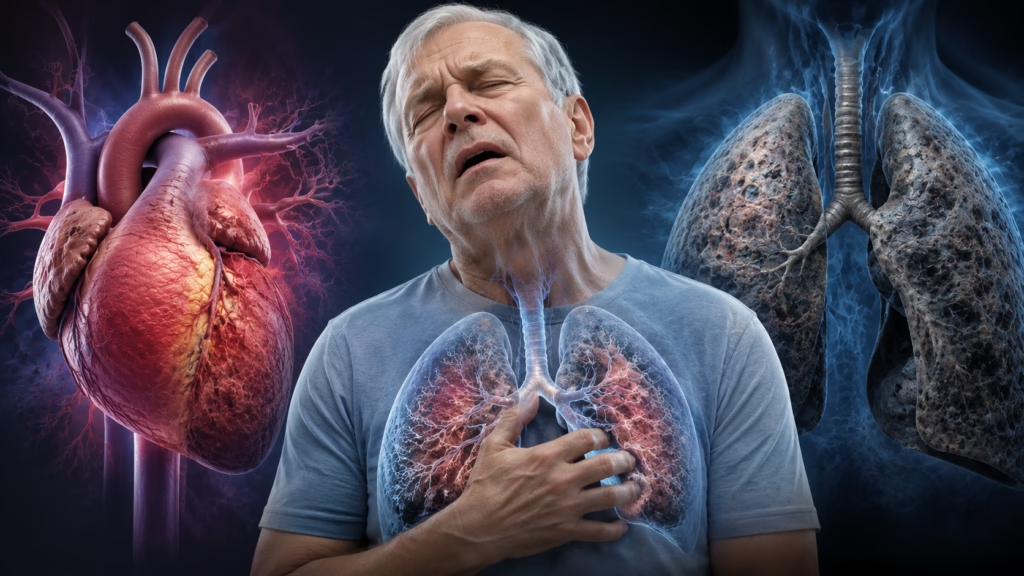
Many patients with congestive heart failure also suffer from COPD, and vice versa. The reason is that both conditions share several common risk factors, including smoking, aging, chronic inflammation, and cardiovascular disease. Furthermore, because the heart and lungs work closely together to deliver oxygen throughout the body, dysfunction in one organ system often affects the other. As a result, individuals living with both CHF and COPD frequently experience worsening symptoms, more hospitalizations, and a greater need for ongoing medical care.
Understanding how these two conditions interact is essential for patients, caregivers, and healthcare providers. With proper diagnosis, coordinated treatment, lifestyle modifications, and regular monitoring, many individuals can successfully manage both diseases and maintain a meaningful quality of life. This article explores the relationship between congestive heart failure and COPD, including their causes, symptoms, diagnostic approaches, treatment options, and practical strategies for daily management.
Understanding Congestive Heart Failure
Congestive heart failure is a chronic condition that develops when the heart becomes unable to pump blood effectively enough to meet the body’s needs. Despite the name, heart failure does not mean that the heart has stopped working entirely. Instead, it means that the heart’s pumping ability has become weakened or impaired.
When the heart cannot pump blood efficiently, blood may begin to back up into various parts of the body. This often leads to fluid accumulation in the lungs, legs, ankles, abdomen, and other tissues. The resulting congestion is what gives the condition its name.
Several underlying conditions can lead to congestive heart failure. Coronary artery disease, which reduces blood flow to the heart muscle, is one of the most common causes. High blood pressure forces the heart to work harder over time, eventually weakening its ability to pump effectively. Previous heart attacks can damage heart muscle tissue, while cardiomyopathies and heart valve disorders may also contribute to the development of heart failure.
One of the hallmark features of congestive heart failure is reduced cardiac output. Because less blood is being circulated throughout the body, organs and tissues may receive inadequate oxygen and nutrients. This often results in fatigue, weakness, exercise intolerance, and reduced physical capacity.
Fluid retention is another defining characteristic of CHF. Patients frequently notice swelling in the feet, ankles, legs, or abdomen. In more advanced cases, fluid accumulation in the lungs can cause significant breathing difficulties, especially when lying flat or during physical activity.
Understanding Chronic Obstructive Pulmonary Disease
Chronic obstructive pulmonary disease is a progressive lung disorder characterized by persistent airflow limitation and chronic inflammation of the airways. COPD is not a single disease but rather an umbrella term that includes chronic bronchitis and emphysema.
In chronic bronchitis, inflammation and excessive mucus production narrow the airways and make breathing more difficult. Emphysema involves the destruction of the air sacs within the lungs, reducing the lungs’ ability to exchange oxygen and carbon dioxide effectively.
The leading cause of COPD is long-term exposure to cigarette smoke. However, exposure to air pollution, occupational dust, chemical fumes, and biomass fuel smoke can also contribute to its development. Genetic conditions such as alpha-1 antitrypsin deficiency may increase susceptibility in some individuals.
COPD typically develops gradually over many years. Early symptoms may be subtle and often include occasional shortness of breath during physical activity. As the disease progresses, breathing difficulties become more persistent and may interfere with daily activities.
A chronic cough is one of the most recognizable symptoms of COPD. Many patients produce mucus regularly, particularly in the morning. Wheezing, chest tightness, recurrent respiratory infections, and reduced exercise tolerance are also common.
Because COPD progressively damages the lungs, oxygen levels may decline over time. This reduction in oxygen availability places additional stress on the cardiovascular system and can contribute to the development or worsening of heart disease.
Why Congestive Heart Failure and COPD Frequently Occur Together
The coexistence of CHF and COPD is common because both conditions share several underlying risk factors and biological mechanisms.
Smoking is perhaps the most important shared risk factor. Long-term smoking damages both the lungs and the cardiovascular system. While it directly contributes to airway inflammation and lung destruction associated with COPD, it also accelerates atherosclerosis, increases blood pressure, and raises the risk of coronary artery disease, all of which contribute to heart failure.
Age is another significant factor. As individuals grow older, the risk of both cardiovascular disease and chronic lung disease increases substantially. The aging process naturally affects the elasticity and function of both the heart and lungs, making older adults more vulnerable to these conditions.
Hypertension, diabetes, obesity, and systemic inflammation also play important roles. These conditions increase strain on the cardiovascular system while simultaneously contributing to respiratory impairment and reduced oxygen delivery throughout the body.
The Physiological Connection Between the Heart and Lungs
The heart and lungs function as an integrated system. The lungs supply oxygen to the bloodstream, while the heart pumps oxygen-rich blood to every organ and tissue in the body. When one system becomes impaired, the other often suffers as well.
In congestive heart failure, fluid can accumulate in the lungs due to the heart’s inability to effectively move blood forward. This fluid buildup, known as pulmonary congestion or pulmonary edema, interferes with normal gas exchange and makes breathing more difficult. For patients who already have COPD, this additional respiratory burden can significantly worsen symptoms.
Conversely, COPD often causes chronic low oxygen levels, a condition known as hypoxemia. When oxygen levels remain low for extended periods, the heart must work harder to deliver adequate oxygen to tissues. This increased workload can place strain on the right side of the heart and contribute to heart failure.
Chronic inflammation associated with COPD may also negatively affect cardiovascular health. Inflammatory substances released into the bloodstream can damage blood vessels, accelerate atherosclerosis, and contribute to structural changes in the heart.
Recognizing Symptoms When Both Conditions Coexist
Diagnosing CHF and COPD together can be challenging because many symptoms overlap. Patients frequently experience shortness of breath, fatigue, exercise intolerance, and reduced physical stamina regardless of which condition is primarily responsible.
When both diseases are present, symptoms often become more severe and difficult to control. Patients may notice worsening breathlessness during everyday activities such as walking, climbing stairs, or performing household tasks. Some individuals become short of breath even while resting.
Persistent coughing may become more pronounced, often accompanied by increased mucus production. Swelling in the legs, ankles, feet, or abdomen may indicate worsening heart failure and fluid retention.
Rapid weight gain over a short period may also be an important warning sign. This often reflects fluid accumulation rather than increased body fat. Monitoring daily weight can help identify early signs of heart failure exacerbation.
Fatigue frequently becomes more pronounced because both conditions reduce the body’s ability to deliver oxygen efficiently. Patients may feel exhausted after minimal exertion and require frequent periods of rest throughout the day.
Diagnostic Evaluation
Accurate diagnosis requires a comprehensive evaluation because symptoms alone may not clearly distinguish between CHF and COPD.
The diagnostic process typically begins with a detailed medical history and physical examination. Healthcare providers assess breathing patterns, listen for abnormal heart and lung sounds, evaluate swelling, and review risk factors such as smoking history and cardiovascular disease.
Chest imaging plays a crucial role in diagnosis. Chest X-rays can reveal signs of heart enlargement, pulmonary congestion, lung hyperinflation, or other structural abnormalities. Computed tomography scans may provide more detailed images when necessary.
An echocardiogram is one of the most important tests for evaluating heart function. This ultrasound examination measures ejection fraction, assesses heart valve function, and helps determine the severity of heart failure.
Pulmonary function tests are essential for diagnosing COPD. These tests measure airflow, lung capacity, and the degree of airway obstruction.
Blood tests may include measurement of brain natriuretic peptide (BNP) or N-terminal pro-BNP, which are often elevated in heart failure. Arterial blood gas analysis can evaluate oxygen and carbon dioxide levels in the bloodstream.
Functional assessments such as the six-minute walk test help healthcare providers evaluate exercise tolerance and determine how the conditions affect daily functioning.
Treatment Strategies for Patients with CHF and COPD
Successful treatment requires a coordinated approach that addresses both cardiovascular and respiratory health simultaneously.
For congestive heart failure, treatment often includes medications such as ACE inhibitors, angiotensin receptor blockers, beta-blockers, diuretics, and mineralocorticoid receptor antagonists. These medications improve heart function, reduce fluid retention, and decrease the risk of hospitalization.
COPD treatment typically involves inhaled bronchodilators that help open the airways and improve airflow. Some patients may also require inhaled corticosteroids to reduce airway inflammation and decrease the frequency of exacerbations.
Because certain medications can affect both conditions, careful monitoring is essential. For example, beta-blockers provide important benefits for heart failure but must be selected carefully in patients with severe COPD. Similarly, excessive diuretic use may lead to dehydration and electrolyte imbalances that affect respiratory function.
Regular medication reviews help ensure that treatment remains safe and effective.
Oxygen Therapy and Home Monitoring
Some patients with COPD develop chronically low oxygen levels and may benefit from supplemental oxygen therapy. Oxygen can improve symptoms, increase exercise capacity, and enhance quality of life in appropriately selected individuals.
However, oxygen therapy must be carefully managed in patients who also have heart failure. Excessive fluid retention, worsening respiratory symptoms, or changes in oxygen requirements may indicate disease progression and require prompt medical evaluation.
Home monitoring can play an important role in early detection of complications. Patients are often encouraged to track daily weight, blood pressure, oxygen saturation levels, symptoms, and physical activity. Early recognition of changes allows for timely intervention before severe exacerbations occur.
Lifestyle Modifications and Self-Care
Lifestyle modifications are fundamental components of managing both CHF and COPD.
Smoking cessation remains the most important intervention. Quitting smoking can slow disease progression, improve lung function, reduce cardiovascular risk, and enhance overall survival. Healthcare providers may recommend counseling, nicotine replacement therapy, or prescription medications to support smoking cessation efforts.
A balanced diet rich in fruits, vegetables, whole grains, lean proteins, and healthy fats supports both cardiovascular and respiratory health. Limiting sodium intake helps reduce fluid retention and eases the workload on the heart.
Regular physical activity can improve endurance, strengthen muscles, and enhance quality of life. Structured pulmonary rehabilitation and cardiac rehabilitation programs provide supervised exercise and education tailored to individual needs.
Stress management is equally important. Anxiety and depression are common among individuals living with chronic illness. Counseling, support groups, mindfulness practices, breathing exercises, and relaxation techniques can help improve emotional well-being.
Vaccinations against influenza and pneumococcal disease are strongly recommended because respiratory infections can trigger severe exacerbations of both COPD and heart failure.
When to Seek Immediate Medical Attention
Patients should be aware of warning signs that require prompt medical evaluation.
A sudden increase in shortness of breath, especially at rest, may indicate worsening heart failure or a COPD exacerbation. Rapid weight gain over a day or two may signal fluid accumulation. New or worsening swelling in the legs, abdomen, or feet should also be reported.
Chest pain, dizziness, fainting, severe wheezing, confusion, or significantly reduced oxygen levels require urgent medical assessment. Early intervention can prevent serious complications and reduce the likelihood of hospitalization.
Conclusion
Congestive heart failure and chronic obstructive pulmonary disease are complex conditions that frequently occur together due to shared risk factors and interconnected physiological processes. When both diseases are present, symptoms often become more challenging to manage, and the risk of complications increases significantly.
Despite these challenges, effective management is possible. Early diagnosis, comprehensive treatment plans, lifestyle modifications, smoking cessation, regular monitoring, and close collaboration with healthcare providers can help individuals maintain better symptom control and improve their quality of life.
Understanding how CHF and COPD interact empowers patients and caregivers to recognize warning signs, make informed healthcare decisions, and take proactive steps toward better long-term health. With proper support and ongoing medical care, many individuals living with both conditions can continue to lead active, meaningful, and fulfilling lives.
Disclaimer
This article is for educational purposes only and does not replace professional medical advice, diagnosis, or treatment. Seizures, severe headache, confusion, visual changes, or blood pressure readings in the hypertensive crisis range require urgent medical evaluation.
When to see a doctor
- Sudden worsening of shortness of breath or chest pain
- Rapid weight gain (more than 2‑3 kg in a few days) with swelling
- Fainting, severe dizziness or confusion
- Persistent high fever or worsening cough with coloured sputum
- Blue‑tinted lips or fingertips
- Call emergency services if any symptom becomes severe or sudden
If symptoms are severe or come on suddenly, call your local emergency number.
Frequently asked questions
Can COPD make heart failure symptoms worse?
Yes. COPD reduces oxygen intake, forcing the heart to work harder, which can aggravate fluid retention and shortness of breath typical of heart failure. Treating both conditions together helps limit this cycle.
Are the medicines for heart failure and COPD safe to use together?
Many drugs for each condition are compatible, but some, such as beta‑blockers, may need dose adjustment in severe COPD. Always discuss medication plans with a healthcare professional to avoid interactions.
What lifestyle changes help both conditions?
Quitting smoking, following a low‑salt diet, maintaining a healthy weight, staying physically active within tolerance, and getting vaccinations for flu and pneumonia are evidence‑based steps that benefit both heart and lung health.
How often should I see my doctor for monitoring?
People with both CHF and COPD usually need appointments every 3‑6 months, or sooner if symptoms change. Regular check‑ups allow adjustment of medications, assessment of fluid status and lung function, and early detection of complications.
Sources and further reading