











How to Treat Pitted Keratolysis
Pitted keratolysis is a common but often overlooked bacterial skin infection that primarily affects the soles of the feet. Although the condition is not...
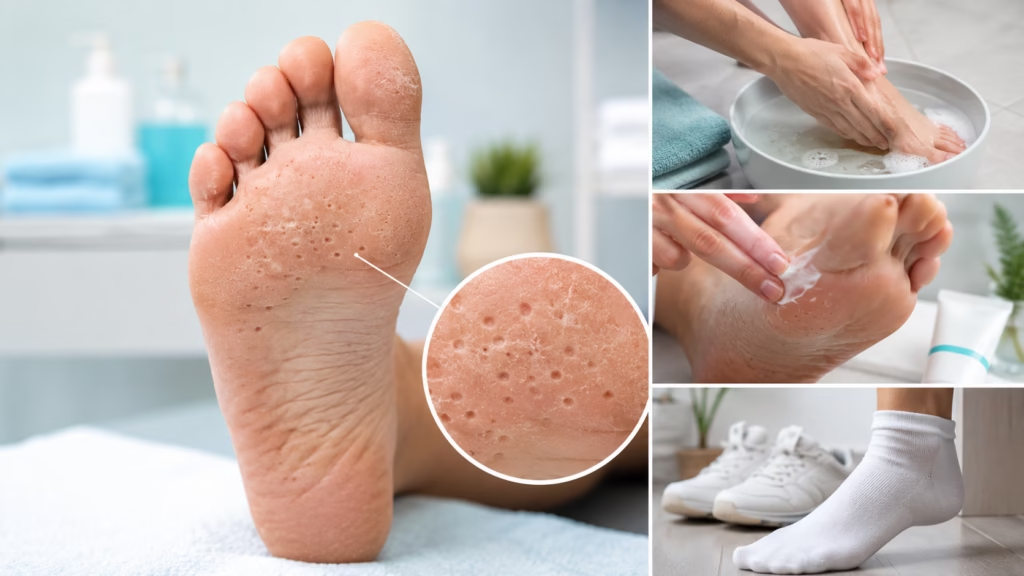
Table of Contents
Introduction
Pitted keratolysis is a common but often overlooked bacterial skin infection that primarily affects the soles of the feet. Although the condition is not usually dangerous, it can cause significant embarrassment, discomfort, and persistent foot odor that may interfere with daily life. Many people mistake the symptoms for ordinary sweaty feet or poor hygiene, allowing the infection to persist for months or even years without proper treatment.
The condition is characterized by small crater-like depressions that develop on the weight-bearing areas of the feet. These pits form when certain bacteria break down the outer layer of the skin. Because the bacteria thrive in warm, moist environments, individuals who wear closed footwear for long periods or who experience excessive sweating are particularly susceptible.
Fortunately, pitted keratolysis is highly treatable. With a combination of targeted medical therapies, proper foot hygiene, moisture control, and preventive measures, most people can eliminate the infection completely and prevent future recurrences. This comprehensive guide explains everything you need to know about pitted keratolysis, including its causes, symptoms, treatment options, and prevention strategies.
What Is Pitted Keratolysis?
Pitted keratolysis is a superficial bacterial infection that affects the outermost layer of the skin, known as the stratum corneum. The condition most commonly develops on the soles of the feet, particularly in areas exposed to pressure during standing and walking. In rare cases, it may also affect the palms of the hands.
The name “pitted keratolysis” comes from the distinctive appearance of the skin. The bacteria produce enzymes that dissolve keratin, the protein responsible for maintaining the structure and strength of the outer skin layer. As the keratin breaks down, tiny pits or crater-like depressions form on the skin’s surface.
One of the most noticeable features of pitted keratolysis is a strong, unpleasant foot odor. Many patients describe the smell as foul, cheesy, or similar to excessive sweating. This odor results from bacterial activity and the breakdown of skin proteins.
The condition frequently occurs alongside excessive foot sweating, medically known as hyperhidrosis. The combination of moisture, warmth, and limited airflow creates the perfect environment for bacterial growth and colonization.
Causes and Risk Factors
Pitted keratolysis is primarily caused by several types of gram-positive bacteria. The most commonly implicated organisms include Corynebacterium species, Kytococcus sedentarius, and Dermatophilus congolensis. These bacteria naturally exist in the environment and can live harmlessly on the skin. However, under favorable conditions, they multiply excessively and cause infection.
The most significant risk factor for pitted keratolysis is excessive sweating. Individuals who naturally sweat heavily or who work in hot environments are more likely to develop the condition because moisture promotes bacterial growth.
Footwear also plays a major role. Wearing tight, non-breathable shoes for extended periods creates a warm, humid environment where bacteria can thrive. People who regularly wear rubber boots, work boots, athletic shoes, or other occlusive footwear are particularly vulnerable.
Poor foot hygiene can further increase the risk. While pitted keratolysis is not solely caused by inadequate cleanliness, infrequent washing and failure to dry the feet thoroughly can contribute to bacterial overgrowth.
Environmental factors also influence the likelihood of infection. Living or working in hot and humid climates increases sweating and moisture accumulation, creating ideal conditions for bacterial proliferation.
Another common risk factor is repeatedly wearing the same shoes or socks without allowing them sufficient time to dry completely. Damp footwear can harbor bacteria and contribute to recurring infections.
Signs and Symptoms
Recognizing the symptoms of pitted keratolysis is essential for obtaining prompt treatment and preventing complications.
The hallmark sign is the presence of numerous small pits or depressions on the soles of the feet. These pits are typically shallow and appear on pressure-bearing areas such as the heels, balls of the feet, and toes. In more advanced cases, the pits may merge together to form larger irregular patches.
Persistent foot odor is often the symptom that prompts individuals to seek medical attention. The smell can be particularly strong and may persist even after washing the feet or changing socks.
Many people also notice excessive sweating. The feet may remain damp throughout the day, creating discomfort and contributing to bacterial growth.
Some patients experience white, softened skin, especially between the toes or within skin folds. This occurs because prolonged exposure to moisture causes the skin to become macerated.
Although the condition is usually painless, mild itching, burning, or tenderness may develop in more severe cases. Walking and standing can become uncomfortable if the infection is extensive.
How Pitted Keratolysis Is Diagnosed
In most cases, pitted keratolysis can be diagnosed through a simple clinical examination. Healthcare providers, including dermatologists and podiatrists, typically recognize the characteristic appearance of the pits and the associated odor.
During the examination, the clinician will inspect the feet carefully and assess the distribution and severity of the lesions. The presence of excessive sweating and the patient’s occupational or footwear history may also provide valuable diagnostic clues.
In uncertain cases, laboratory testing may be performed. A skin scraping, swab, or bacterial culture can help identify the specific microorganisms responsible for the infection. These tests are usually reserved for atypical cases or situations where treatment has failed.
Occasionally, pitted keratolysis may resemble other skin conditions such as fungal infections, plantar warts, eczema, or psoriasis. A thorough evaluation helps distinguish between these disorders and ensures appropriate treatment.
Treatment Options
Successful treatment of pitted keratolysis focuses on two primary goals: eliminating the bacteria and reducing the moisture that allows them to thrive.
Topical Antibiotics
Topical antibiotics are considered the first-line treatment for most cases of pitted keratolysis. Medications such as clindamycin 1% solution, erythromycin 2% solution, mupirocin ointment, or fusidic acid are commonly prescribed.
These medications work by directly targeting and eliminating the bacteria responsible for the infection. They are typically applied to clean, dry skin once or twice daily for several weeks.
Most patients begin to notice improvement within one to two weeks, although treatment should continue for the full duration recommended by the healthcare provider to prevent recurrence.
Antibacterial Cleansers
Antibacterial washes can significantly reduce the bacterial load on the skin and complement antibiotic therapy.
Benzoyl peroxide cleansers, commonly used for acne treatment, are particularly effective because they possess antibacterial properties and help dry excess moisture. A 5% benzoyl peroxide wash can be used daily on the affected areas.
Chlorhexidine-based cleansers may also be recommended. These products provide broad-spectrum antimicrobial activity and help prevent bacterial regrowth.
Consistent use of antibacterial cleansers often accelerates recovery and reduces foot odor.
Aluminum Chloride Antiperspirants
Controlling sweating is a crucial aspect of treatment.
Products containing aluminum chloride hexahydrate help reduce sweat production by temporarily blocking sweat glands. These antiperspirants are typically applied at night when sweat production is lowest.
Reducing moisture creates a less favorable environment for bacterial growth and significantly lowers the risk of recurrence.
Patients with severe hyperhidrosis may require stronger prescription formulations or additional therapies recommended by a dermatologist.
Foot Powders and Drying Agents
Foot powders can be valuable adjuncts to treatment. Products containing zinc oxide, talc, or antifungal powders help absorb excess moisture and keep the feet dry throughout the day.
Applying powder before putting on socks and shoes can reduce sweating and improve overall foot comfort.
While powders alone may not cure pitted keratolysis, they contribute significantly to moisture management and prevention.
Oral Antibiotics
In severe, extensive, or treatment-resistant cases, oral antibiotics may be necessary.
Medications such as erythromycin, clarithromycin, or other appropriate antibiotics may be prescribed for a short period to eliminate persistent bacterial infections.
Oral therapy is generally reserved for cases that fail to respond adequately to topical treatment or involve widespread skin involvement.
Self-Care and Lifestyle Measures
Medical treatment is most effective when combined with proper foot care and lifestyle modifications.
Maintaining excellent foot hygiene is essential. Feet should be washed daily using soap and water and dried thoroughly afterward. Particular attention should be given to drying between the toes, where moisture often accumulates.
Changing socks regularly can make a substantial difference. Individuals with excessive sweating may benefit from changing socks multiple times throughout the day.
Selecting moisture-wicking socks made from synthetic performance fabrics or merino wool can help draw sweat away from the skin and keep feet drier.
Rotating footwear is equally important. Shoes should be allowed to dry completely between uses, ideally for at least 24 hours. Wearing a different pair each day reduces moisture accumulation and bacterial growth.
Whenever possible, choose breathable footwear made from materials such as leather or mesh. These materials allow better airflow compared to rubber or plastic-based shoes.
Prevention Strategies
Preventing pitted keratolysis requires ongoing attention to moisture control and foot hygiene.
Individuals prone to excessive sweating should consider using antiperspirants regularly, even after the infection has resolved. Applying antiperspirant to the soles of the feet can significantly reduce sweat production.
Regular foot inspections help identify early signs of recurrence before symptoms become severe. Monitoring for odor, excessive sweating, or new pits allows prompt intervention.
Some individuals benefit from occasional foot soaks using diluted vinegar solutions. Vinegar creates a less favorable environment for bacterial growth by lowering the skin’s pH.
Moisture-absorbing shoe inserts and insoles can further reduce humidity within footwear and improve overall comfort.
Consistently rotating shoes and avoiding prolonged use of damp footwear remain among the most effective preventive measures.
When to Seek Professional Medical Care
Although many cases respond well to treatment, professional evaluation is important if symptoms persist or worsen.
Medical attention should be sought if the pits remain visible after four weeks of treatment, if the odor persists despite good hygiene, or if significant discomfort develops.
Signs of secondary infection, including redness, swelling, warmth, pain, or drainage, require prompt medical evaluation.
Individuals who experience frequent recurrences may also benefit from specialist consultation to identify underlying causes such as severe hyperhidrosis or occupational risk factors.
Conclusion
Pitted keratolysis is a common bacterial foot infection that can cause persistent odor, excessive sweating, and characteristic crater-like pits on the soles of the feet. Although the condition may be embarrassing and frustrating, it is highly treatable with the right approach.
Successful treatment typically involves a combination of topical antibiotics, antibacterial cleansers, moisture-control measures, and proper foot hygiene. Addressing excessive sweating and improving footwear habits are equally important for preventing future outbreaks.
With consistent care and appropriate treatment, most individuals experience complete resolution of symptoms within a few weeks. By maintaining good foot hygiene, choosing breathable footwear, and controlling moisture, you can keep your feet healthy, comfortable, and free from recurrent infections.
Taking action at the first sign of symptoms can help prevent complications and ensure long-term foot health. If symptoms persist despite treatment, consulting a dermatologist or podiatrist can provide additional treatment options and guidance for lasting relief.
Disclaimer
This article is for educational purposes only and does not replace professional medical advice, diagnosis, or treatment. Seizures, severe headache, confusion, visual changes, or blood pressure readings in the hypertensive crisis range require urgent medical evaluation.
Was this page helpful?
Thanks for your feedback! What could we improve?
Thank you! Your feedback helps us improve our articles.
True Impact Health articles are written by our editorial team and based on reliable sources such as public health agencies, clinical guidelines and peer-reviewed research. This article has not yet been medically reviewed. Read our editorial process.
This content is for general information and is not a substitute for professional medical advice, diagnosis or treatment.