











How to Treat Dog Hemorrhoids
Dog 'hemorrhoids' are usually anal gland or perianal issues; proper care, diet and veterinary treatment relieve discomfort and prevent complications.
By True Impact Health Editorial Team

Dr. Hannah Silvanus, DVMVeterinary Reviewer, True Impact Health
Doctor of Veterinary Medicine (DVM) who reviews the pet and animal health articles on True Impact Health.
Reviewed this article on October 10, 2026.
View profile How we reviewUpdated on October 10, 2026 10 min read
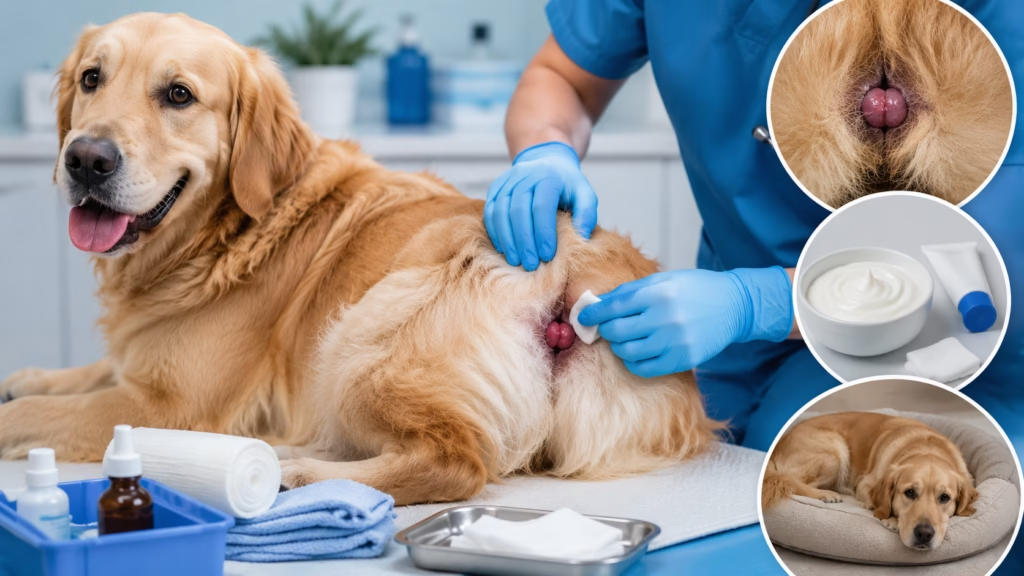
Table of Contents
Quick answer
True hemorrhoids are rare in dogs; most cases of anal swelling are due to anal gland disease, perianal fistulas, infections or irritation. Treatment focuses on cleaning the area, dietary fibre, warm sitz baths and veterinary‑prescribed medication or surgery as needed.
Introduction
Discovering that your dog is experiencing discomfort around its rear end can be concerning for any pet owner. You may notice your dog scooting across the floor, licking excessively, or appearing uncomfortable during bowel movements. While many people refer to these symptoms as “dog hemorrhoids,” true hemorrhoids are actually quite rare in dogs. More commonly, dogs suffer from conditions such as anal gland impaction, anal sac infections, perianal inflammation, or perianal fistulas that produce symptoms similar to hemorrhoids in humans.
Regardless of the exact cause, inflammation around the anal region can significantly affect your dog’s comfort and quality of life. Prompt recognition and appropriate treatment are essential to prevent complications and help your pet recover quickly. Understanding the underlying causes, recognizing warning signs, and implementing proper care strategies can make a substantial difference in your dog’s health and well-being.
This comprehensive guide explains what many people refer to as dog hemorrhoids, explores the potential causes, outlines safe treatment options, and discusses preventive measures that can help keep your dog comfortable and healthy.
Understanding Dog Hemorrhoids
The term “dog hemorrhoids” is commonly used by pet owners to describe swelling, irritation, or inflammation around the anal area. However, unlike humans, dogs rarely develop true hemorrhoids because their anatomy differs significantly from that of people. In most cases, symptoms that resemble hemorrhoids are actually caused by other conditions affecting the tissues surrounding the anus.
One of the most common causes is anal gland disease. Dogs have two small anal glands located on either side of the anus that normally release a scent-marking fluid during bowel movements. When these glands become blocked or impacted, inflammation and discomfort can occur. If left untreated, the glands may become infected or form abscesses.
Another possible cause is perianal fistulas, a chronic inflammatory condition characterized by painful tunnels or ulcerations around the anus. This condition is particularly common in certain breeds, especially German Shepherds.
Additional factors such as chronic constipation, persistent diarrhea, obesity, poor diet, and underlying gastrointestinal disorders can also contribute to irritation and swelling in the anal region. Because multiple conditions can produce similar symptoms, obtaining an accurate diagnosis from a veterinarian is important before beginning treatment.
Recognizing the Symptoms
Identifying symptoms early can help prevent complications and allow treatment to begin before the condition becomes severe.
One of the most noticeable signs is scooting, where a dog drags its rear end across the floor in an attempt to relieve irritation or itching. While occasional scooting may not be cause for alarm, frequent scooting often indicates a problem requiring attention.
Excessive licking, chewing, or biting around the anal area is another common symptom. Dogs naturally try to soothe discomfort through grooming, but persistent attention to the area may signal inflammation, infection, or gland problems.
Pet owners may also observe redness, swelling, or the presence of small lumps near the anus. These changes can indicate inflamed tissues, blocked anal glands, or developing infections.
Difficulty during bowel movements is another important warning sign. Dogs may strain, whine, or appear uncomfortable when attempting to defecate. Some dogs may repeatedly assume the posture for bowel movements without producing stool.
Blood or mucus in the stool may also be present, particularly if inflammation is severe or if an underlying gastrointestinal issue is contributing to the condition.
In advanced cases, dogs may become less active, lose their appetite, or exhibit signs of pain when sitting or walking.
Safe Home Care Measures
Although veterinary consultation is strongly recommended, certain supportive care measures may help relieve mild discomfort while awaiting professional evaluation.
Warm Sitz Baths
Warm water therapy can help soothe irritated tissues and reduce inflammation around the anal area. A warm sitz bath involves allowing your dog to sit or stand in a shallow basin or bathtub containing comfortably warm water.
The warm water promotes blood circulation, relaxes surrounding muscles, and may help reduce swelling. Most dogs benefit from soaking for approximately five to ten minutes. Afterward, the area should be gently dried with a clean, soft towel to prevent moisture accumulation that could worsen irritation.
This simple therapy can be repeated several times per day if your dog tolerates it well.
Topical Soothing Agents
Certain veterinarian-approved topical products may provide temporary relief from itching and irritation.
Witch hazel is often used as a natural astringent that may help reduce swelling and calm inflamed tissues. If recommended by your veterinarian, witch hazel pads can be gently applied to the affected area.
Coconut oil may also provide soothing and moisturizing benefits. Its natural anti-inflammatory and antimicrobial properties may help support healing while reducing irritation.
In some cases, veterinarians may recommend hydrocortisone creams or other medicated topical treatments. These products should only be used under professional guidance because improper application or ingestion can cause complications.
Dietary Fiber Support
Digestive health plays an important role in preventing and managing anal irritation. Increasing dietary fiber can help produce more regular, well-formed stools, reducing strain during bowel movements.
Plain canned pumpkin is one of the most commonly recommended fiber supplements for dogs. Small amounts added to meals may help regulate stool consistency and support digestive health.
Psyllium husk is another source of soluble fiber that may be beneficial when used appropriately. However, dosage should always be discussed with a veterinarian to avoid digestive upset.
Transitioning to a high-quality, fiber-rich dog food may also improve bowel function and reduce the likelihood of recurrent anal gland problems.
Dietary and Lifestyle Adjustments
Long-term management often requires addressing factors that contribute to digestive and anal health.
Providing a Balanced Diet
A nutritious diet supports healthy digestion and helps prevent constipation and diarrhea, both of which can aggravate anal conditions.
Lean protein sources such as chicken, turkey, fish, and other high-quality meats provide essential nutrients while being easy to digest. Whole grains such as brown rice and oats offer additional fiber and support healthy gastrointestinal function.
Vegetables including green beans, carrots, and pumpkin contribute valuable fiber while providing vitamins and minerals that promote overall health.
Avoiding excessive treats, fatty foods, and low-quality commercial products can further reduce digestive disturbances.
Maintaining Proper Hydration
Adequate hydration is essential for normal bowel function. Dogs that do not drink enough water are more likely to develop constipation, which can increase straining and worsen anal irritation.
Fresh, clean water should always be readily available. Monitoring water intake becomes particularly important during hot weather or periods of increased activity.
Encouraging Regular Exercise
Exercise promotes healthy digestion, helps maintain a healthy body weight, and supports regular bowel movements.
Daily walks, play sessions, and appropriate physical activity contribute to overall well-being while reducing one of the major risk factors for anal gland problems: obesity.
Regular movement also stimulates intestinal motility, helping food and waste move efficiently through the digestive tract.
When Veterinary Care Is Necessary
While mild cases may benefit from supportive home care, certain symptoms require prompt veterinary evaluation.
Severe swelling, large masses, or rapidly enlarging lumps near the anus should never be ignored. These findings may indicate abscesses, tumors, severe infections, or advanced anal gland disease.
The presence of pus-like discharge, persistent bleeding, or foul-smelling drainage often signals infection requiring medical treatment.
Systemic signs such as fever, lethargy, weakness, or loss of appetite suggest that the condition may be affecting your dog’s overall health and should be addressed immediately.
If symptoms fail to improve within 48 to 72 hours despite supportive care, professional evaluation is essential.
Veterinarians may perform a physical examination, evaluate the anal glands, and recommend diagnostic tests if necessary to identify the underlying cause accurately.
Veterinary Treatment Options
Professional treatment depends on the specific diagnosis and severity of the condition.
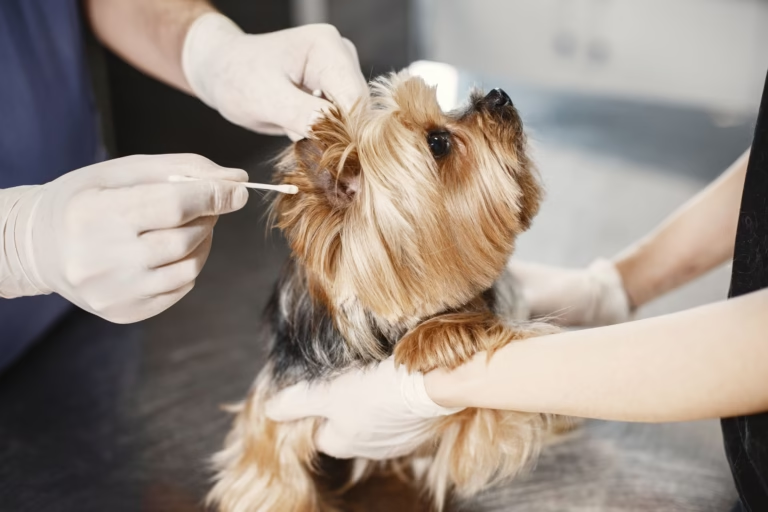
For impacted anal glands, manual expression performed by a veterinarian can provide immediate relief. This procedure removes accumulated gland material and reduces pressure and inflammation.
Antibiotics may be prescribed if infection is present. Anti-inflammatory medications can help reduce swelling, pain, and irritation.
Dogs with chronic or recurrent anal gland issues may require regular gland expression or long-term management strategies.
Perianal fistulas often require more advanced treatment, including immunosuppressive medications, specialized diets, and in some cases surgical intervention.
Severe abscesses, tumors, or other structural abnormalities may also require surgery to achieve complete resolution.
Preventing Future Problems
Preventive care is one of the most effective ways to protect your dog from recurring anal discomfort.
Regular Anal Gland Maintenance
Some dogs are prone to recurrent gland impactions and may benefit from routine gland evaluations. Veterinarians or trained groomers can assess whether regular gland expression is appropriate.
However, glands should not be expressed unnecessarily, as excessive manipulation may sometimes increase irritation.
Weight Management
Maintaining a healthy body weight reduces pressure on the anal region and decreases the likelihood of digestive and gland-related issues.
Balanced nutrition and regular exercise remain the most effective strategies for achieving and maintaining an ideal body condition.
Routine Veterinary Checkups
Regular wellness examinations allow veterinarians to identify early signs of digestive disorders, anal gland disease, and other health problems before they become severe.
Early intervention often results in simpler, less expensive, and more successful treatment outcomes.
Conclusion
Although true hemorrhoids are uncommon in dogs, a variety of anal and perianal conditions can cause symptoms that closely resemble them. Anal gland problems, perianal fistulas, infections, and digestive disorders are among the most common causes of discomfort around the anal region.
Recognizing symptoms early, including scooting, excessive licking, swelling, and difficulty with bowel movements, allows prompt intervention and helps prevent complications. Supportive measures such as warm sitz baths, dietary fiber supplementation, proper hydration, and regular exercise can provide relief and support recovery.
However, veterinary evaluation remains essential for obtaining an accurate diagnosis and ensuring that serious underlying conditions are not overlooked. Professional treatments ranging from gland expression and medications to advanced therapies can dramatically improve your dog’s comfort and quality of life.
With attentive care, proper nutrition, and ongoing veterinary support, most dogs recover well and can enjoy a comfortable, healthy, and active life free from recurrent anal discomfort. Your dog’s health and happiness are worth the effort, and early action can make all the difference in achieving a successful outcome.
Disclaimer
This article is for educational purposes only and does not replace professional medical advice, diagnosis, or treatment. Seizures, severe headache, confusion, visual changes, or blood pressure readings in the hypertensive crisis range require urgent medical evaluation.
When to see a vet
- Bleeding or pus from the anal area
- Persistent scooting or licking for more than a day
- Severe swelling, pain or inability to sit comfortably
- Fever, lethargy or loss of appetite
- Sudden inability to defecate or straining with no stool
- Call the local emergency number if the dog shows signs of severe pain or an abscess that is rapidly enlarging
If your pet collapses, struggles to breathe or is in severe pain, contact an emergency vet straight away.
Frequently asked questions
Can dogs actually get hemorrhoids like humans?
True haemorrhoids are extremely uncommon in dogs because their anal anatomy differs from people. What owners call "dog hemorrhoids" are usually anal gland blockage, infection, perianal fistula or skin irritation.
How often should I give my dog a sitz bath?
If your vet approves, a warm sitz bath can be done 1–3 times daily for 5–10 minutes each, ensuring the water is comfortably warm and the area is dried gently afterward.
Is coconut oil safe to apply to my dog's anal area?
Coconut oil is generally safe in small amounts and may soothe mild irritation, but it should not replace veterinary‑prescribed treatments. Avoid letting the dog ingest large quantities.
When is surgery required for perianal fistulas?
Surgery is considered when fistulas are extensive, recurrent, or do not respond to medical therapy such as immunosuppressive drugs. A veterinary specialist will assess the severity and discuss options.
Sources and further reading
Was this page helpful?
Thanks for your feedback! What could we improve?
Thank you! Your feedback helps us improve our articles.
Veterinary reviewed by
Dr. Hannah Silvanus, DVMDoctor of Veterinary Medicine (DVM) who reviews the pet and animal health articles on True Impact Health.
True Impact Health articles are written by our editorial team and based on reliable sources such as public health agencies, clinical guidelines and peer-reviewed research. This article has been checked by a veterinarian on our review panel. Read our editorial process.
This content is for general information and is not a substitute for professional medical advice, diagnosis or treatment.