











How to Treat Suede Shoes
Suede shoes are a timeless footwear choice that effortlessly combines elegance, comfort, and sophistication. Whether you own classic suede loafers,...
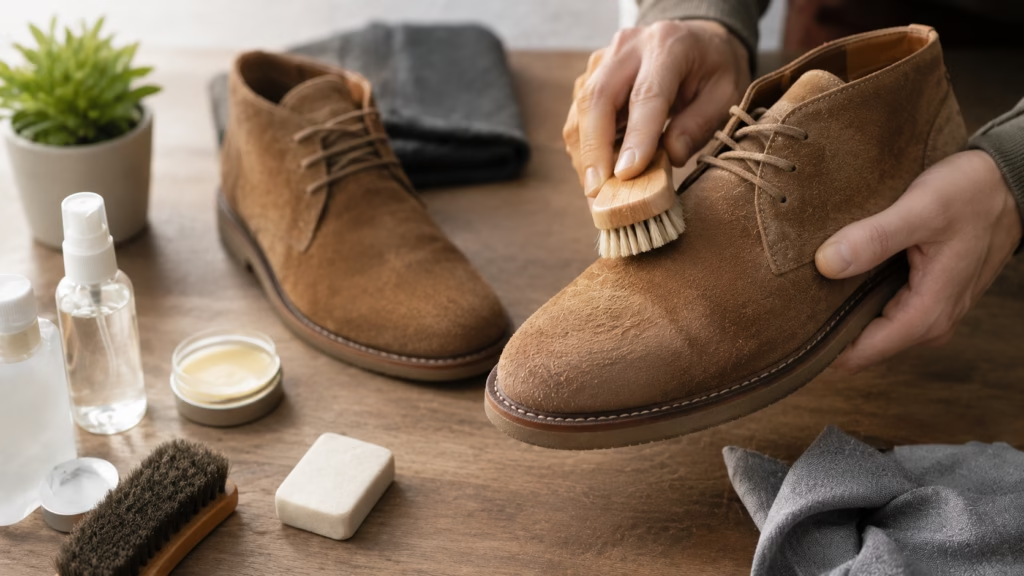
Table of Contents
Introduction
Suede shoes are a timeless footwear choice that effortlessly combines elegance, comfort, and sophistication. Whether you own classic suede loafers, stylish ankle boots, fashionable sneakers, or luxurious dress shoes, suede adds a unique texture and premium appearance that elevates almost any outfit. However, unlike smooth leather, suede requires specialized care to maintain its appearance and durability.
The soft, velvety surface that makes suede so attractive is also what makes it vulnerable to dirt, stains, moisture, and everyday wear. Water spots, oil stains, scuff marks, and flattened fibers can quickly diminish the beauty of your favorite pair if not addressed properly. Fortunately, caring for suede shoes is not as difficult as many people believe. With the right tools, cleaning methods, and maintenance habits, you can preserve the appearance of your suede footwear for years.
This comprehensive guide explains everything you need to know about treating suede shoes, including preventive protection, daily maintenance, stain removal techniques, deep cleaning methods, proper storage practices, and expert tips for extending the life of your footwear.
Understanding Suede and Why It Requires Special Care
Before learning how to care for suede shoes, it is important to understand what suede actually is and why it behaves differently from traditional leather.
Suede is created from the underside of animal hide, typically from cows, goats, lambs, or deer. Manufacturers sand or buff this inner layer to create a soft, fuzzy surface known as the nap. This distinctive texture gives suede its luxurious appearance and pleasant feel.
There are several varieties of suede available. Traditional suede is characterized by its soft and flexible texture, while nubuck is a similar material created from the outer layer of the hide that has been lightly sanded. Some suede products are also treated with oils, pigments, or protective coatings to improve durability and resistance to stains.
Despite its beauty, suede is naturally more delicate than smooth leather. The open fibers of the nap easily trap dirt, dust, and oils. Moisture can leave visible stains or cause discoloration, while friction can flatten the fibers and create shiny patches or scuff marks. These characteristics make proper care essential for maintaining the appearance and longevity of suede footwear.
Why Protecting Suede Before Wearing Is Essential
One of the most important steps in suede care occurs before you even wear your shoes for the first time. Applying a high-quality suede protector or water-repellent spray creates an invisible barrier that helps shield the material from moisture, dirt, and stains.
Many people make the mistake of waiting until their shoes become dirty before thinking about protection. However, preventive treatment is far more effective than attempting to remove stains after they occur. A protective spray helps repel water droplets, prevents oils from penetrating the fibers, and makes routine cleaning significantly easier.
To apply a suede protector properly, begin by placing the shoes in a well-ventilated area. Hold the spray can approximately six to eight inches away from the shoe’s surface and apply a light, even coating across the entire shoe. Pay particular attention to seams, stitching, and areas that are likely to encounter moisture.
Allow the shoes to dry completely according to the manufacturer’s instructions, which typically requires at least two hours. For maximum protection, a second coat may be applied after the first has dried. Reapplication every four to six weeks, or after cleaning sessions, helps maintain the protective barrier.
Daily Maintenance: The Secret to Long-Lasting Suede Shoes
Consistent maintenance is the key to keeping suede shoes looking their best. Small amounts of daily care can prevent dirt buildup and reduce the need for extensive cleaning later.
Brush Your Shoes After Every Wear
One of the simplest yet most effective maintenance habits is brushing your suede shoes after each use. A suede brush is specifically designed to lift dirt, restore the nap, and remove surface debris without damaging the delicate fibers.
Using gentle strokes, brush the surface in one direction to remove dust and dirt particles. This process also helps restore the soft texture that gives suede its distinctive appearance. Regular brushing prevents dirt from becoming embedded deep within the fibers, making future cleaning easier.
Remove Surface Dirt Promptly
Before storing your shoes, inspect them for visible dirt or debris. Dirt left on suede for extended periods can become more difficult to remove and may contribute to staining.
A microfiber cloth can be used to gently wipe away loose surface dust. If necessary, the cloth may be slightly dampened, but it should never be wet enough to soak the suede. Excess moisture can create water stains and damage the material.
Rotate Your Footwear
Wearing the same pair of suede shoes every day increases wear and exposes them to accumulated moisture from sweat and environmental conditions. Rotating between multiple pairs allows each pair adequate time to air out and recover its shape.
Giving suede shoes a full day of rest between wears helps prevent moisture buildup and extends their lifespan.
How to Remove Minor Scuffs and Marks
Even with proper care, suede shoes occasionally develop scuff marks and minor imperfections. Fortunately, these can often be removed with simple techniques.
Using a Suede Eraser
A suede eraser, sometimes called a crepe rubber block, is one of the most useful tools for maintaining suede footwear. These specialized erasers are designed to remove surface stains and restore flattened fibers.
To use a suede eraser, gently rub the affected area using back-and-forth motions. Avoid excessive pressure, as aggressive rubbing may damage the fibers. Once the mark has been lifted, use a suede brush to remove residue and restore the nap.
Treating Light Stains with White Vinegar
White vinegar can be highly effective for removing light stains and water marks from suede.
Begin by lightly dampening a clean cloth with a small amount of white vinegar. Carefully dab the stained area without saturating the material. Allow the shoe to air dry completely before brushing the area with a suede brush to restore its texture.
The vinegar smell will dissipate as the shoe dries, leaving the suede clean and refreshed.
How to Treat Common Suede Stains
Certain stains require specialized treatment methods to achieve the best results.
Removing Water Stains
Although it may seem counterintuitive, treating water stains often involves adding moisture evenly across the affected area.
Using a spray bottle, lightly mist the entire stained section to create a uniform level of moisture. Then use a sponge or clean cloth to blend the dampness evenly. Stuff the shoes with paper towels to help them retain their shape while drying.
Allow the shoes to air dry naturally away from direct heat sources. Once completely dry, brush the nap gently to restore the suede’s appearance.
Eliminating Oil and Grease Stains
Oil-based stains can be particularly challenging because they penetrate deeply into the suede fibers. The sooner these stains are treated, the greater the chance of complete removal.
Cover the affected area generously with cornstarch, talcum powder, or a similar absorbent powder. Leave the powder on the stain overnight to absorb excess oil. The following day, brush away the powder and inspect the stain. Multiple treatments may be necessary for stubborn grease marks.
Treating Salt Stains
Salt stains are common during winter months when roads and sidewalks are treated with de-icing products. Salt can leave white residue and cause discoloration if not removed promptly.
Mix equal parts white vinegar and water to create a gentle cleaning solution. Lightly dab the stained area using a clean cloth, then wipe with a second cloth dampened with plain water. Allow the shoes to dry naturally before brushing the nap.
Deep Cleaning Suede Shoes
Occasionally, suede shoes require more than spot cleaning. Deep cleaning helps restore heavily soiled footwear and revive its appearance.
Using a Suede Cleaner
Commercial suede cleaners are specifically formulated to remove dirt and stains while preserving the integrity of the material.
Apply the cleaner according to the manufacturer’s instructions. Typically, a small amount is worked into the suede using a soft brush or cloth. Gentle circular motions help lift dirt without damaging the fibers.
After cleaning, remove excess product and allow the shoes to dry completely before brushing the nap.
Steam Cleaning for Nap Restoration
Steam can help revive flattened suede fibers and restore their soft texture.
Hold the shoes a safe distance from a source of steam, such as a kettle or garment steamer. The steam loosens compressed fibers and makes them easier to brush back into shape.
After steaming, use a suede brush to gently lift and separate the fibers, restoring the material’s original appearance.
Proper Drying Techniques
Correct drying practices are crucial when caring for suede footwear.
If your shoes become wet, resist the temptation to speed up the drying process using a hairdryer, radiator, heater, or direct sunlight. Excessive heat can shrink, harden, or crack the suede.
Instead, stuff the shoes with clean paper towels or tissue paper to absorb moisture and help maintain their shape. Replace the paper periodically as it becomes damp. Allow the shoes to air dry naturally in a cool, well-ventilated environment.
Patience during the drying process helps prevent permanent damage.
Best Practices for Storing Suede Shoes
Proper storage is just as important as cleaning when it comes to preserving suede footwear.
Store your shoes in a cool, dry location away from direct sunlight. Excessive heat and sunlight can cause fading and deterioration over time.
Using shoe trees helps maintain the shoe’s structure and prevents creasing. If shoe trees are unavailable, tissue paper can be used to support the shape.
Dust bags or shoe boxes provide additional protection from dust, dirt, and accidental damage during storage.
Additional Expert Tips for Suede Care
Several simple habits can further extend the life of your suede footwear.
Avoid wearing suede shoes during heavy rain, snowstorms, or muddy conditions whenever possible. Although protective sprays provide some resistance, prolonged exposure to moisture can still cause damage.
Always test new cleaning products on a small, hidden area before applying them to the entire shoe. This precaution helps ensure the product does not discolor or damage the suede.
Handle suede shoes with clean hands to prevent oils from transferring to the material. Natural skin oils can create stains that become increasingly difficult to remove over time.
For severe staining, extensive discoloration, or valuable designer footwear, consider professional suede cleaning services. Experienced specialists possess the tools and expertise necessary to restore heavily damaged suede safely.
Conclusion
Learning how to treat suede shoes properly is one of the best investments you can make in your footwear collection. Although suede requires more attention than traditional leather, the process is straightforward when approached consistently.
Protecting your shoes before wearing them, brushing them regularly, addressing stains promptly, and storing them correctly will significantly extend their lifespan. These simple maintenance habits preserve the rich texture, elegant appearance, and luxurious feel that make suede such a popular material.
With the right care routine, your suede shoes can remain stylish, comfortable, and beautiful for many years. A few minutes of maintenance today can save you the cost and frustration of replacing damaged footwear tomorrow. Treat your suede shoes well, and they will continue to elevate your style season after season.
Disclaimer
This article is for educational purposes only and does not replace professional medical advice, diagnosis, or treatment. Seizures, severe headache, confusion, visual changes, or blood pressure readings in the hypertensive crisis range require urgent medical evaluation.
Was this page helpful?
Thanks for your feedback! What could we improve?
Thank you! Your feedback helps us improve our articles.
True Impact Health articles are written by our editorial team and based on reliable sources such as public health agencies, clinical guidelines and peer-reviewed research. This article has not yet been medically reviewed. Read our editorial process.
This content is for general information and is not a substitute for professional medical advice, diagnosis or treatment.