
Introduction
Few household mishaps are as frustrating as discovering a grease stain on your favorite shirt, couch, carpet, or tablecloth. Whether the stain comes from cooking oil, butter, pizza, automotive grease, salad dressing, cosmetics, or fast food, grease has a unique ability to cling stubbornly to fabrics and surfaces. Unlike water-based stains, grease penetrates deep into fibers and can become increasingly difficult to remove if not treated properly.
The good news is that grease stains are often removable when addressed quickly and with the right techniques. Understanding how grease behaves and knowing which cleaning methods work best can make the difference between saving an item and permanently damaging it. From simple household remedies to specialized stain removers, there are numerous effective ways to tackle grease stains without spending a fortune.
This guide explains everything you need to know about treating grease stains, including immediate first aid, proven cleaning methods, treatment options for different materials, common mistakes to avoid, and strategies for preventing stains from becoming permanent.
Understanding Grease Stains
Before attempting to remove a grease stain, it helps to understand why these stains are so stubborn. Grease is made up of lipid molecules, which are naturally attracted to fabrics and porous materials. Once grease comes into contact with clothing or upholstery, it quickly seeps into the fibers and begins bonding to them.
Unlike water-based spills such as juice or coffee, grease does not dissolve easily in water. In fact, simply washing an oily stain with water often does little to remove it. Heat can make the problem even worse by causing the grease to penetrate deeper into the material and become permanently set.
This is why prompt action is so important. The sooner you begin treatment, the greater the chance of completely removing the stain before it becomes embedded in the fabric.
Related Posts:


Why Acting Quickly Matters
One of the most important factors in successful grease stain removal is speed. Fresh grease remains closer to the surface of the material and is generally easier to absorb and lift away. As time passes, the oil spreads throughout the fibers and becomes increasingly difficult to eliminate.
When a grease stain is discovered, avoid the temptation to rub it aggressively. Rubbing can spread the stain and force grease deeper into the fabric. Instead, focus on removing excess grease and beginning treatment as soon as possible.
Even older stains can often be improved significantly with proper care, but fresh stains typically respond much better to treatment.
Immediate Steps to Take After a Grease Spill
The first few minutes after a grease spill are crucial. Proper initial treatment can prevent the stain from becoming permanent.
Begin by carefully removing any excess grease from the surface. If the grease is solid or semi-solid, use a spoon, butter knife, or other dull object to gently lift it away. Avoid pressing down, as this can force more grease into the fibers.
After removing excess material, blot the stained area using a clean paper towel, cloth, or napkin. Press gently to absorb as much oil as possible. Do not rub the stain, as this can spread it and make removal more difficult.
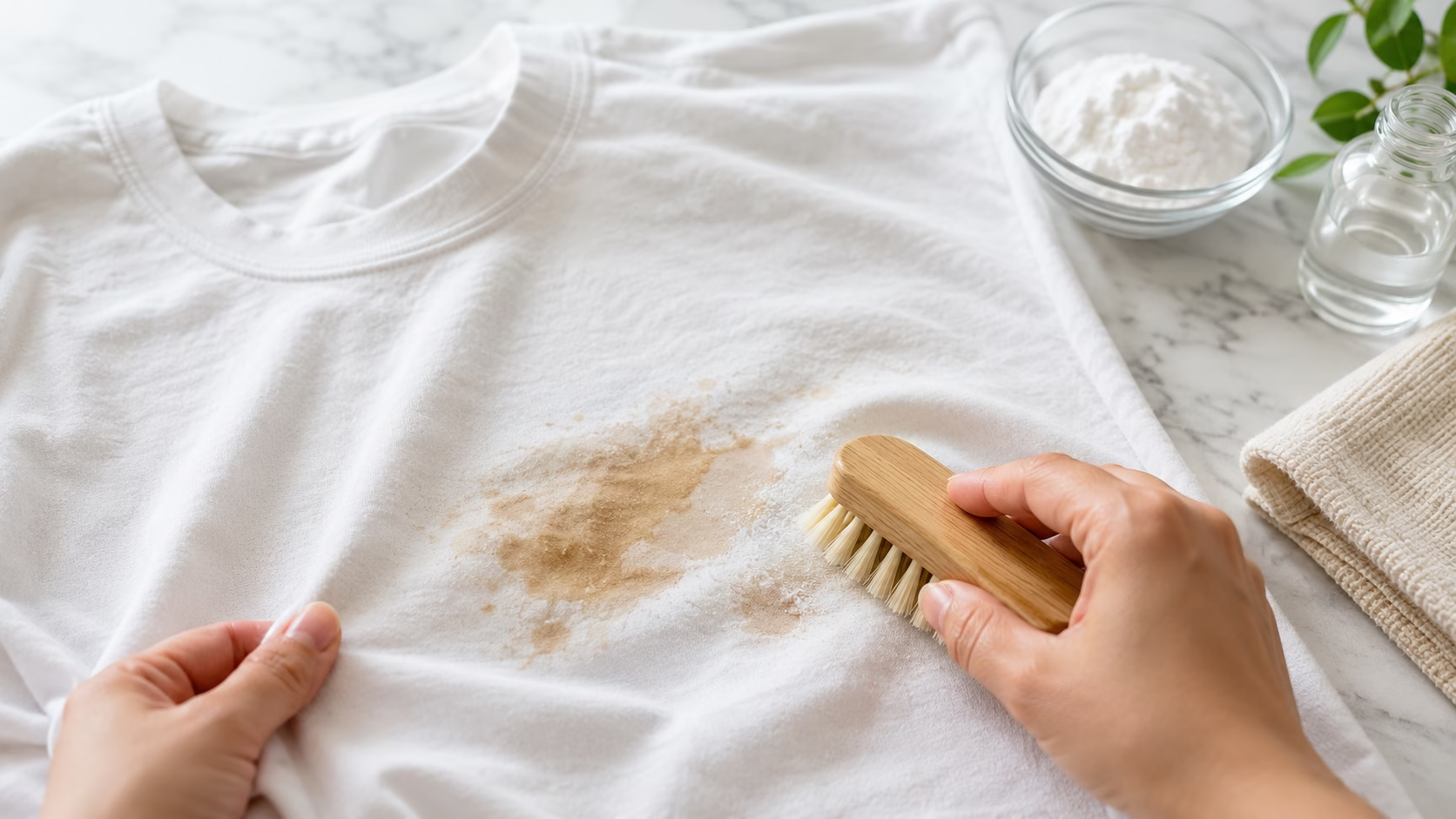
If available, apply an absorbent powder such as baking soda, cornstarch, baby powder, or talcum powder. These powders help draw oil out of the fabric before it becomes deeply embedded. Allow the powder to sit for at least fifteen to thirty minutes before brushing it away.
These simple first-aid steps can dramatically improve the chances of complete stain removal.
Using Dish Soap to Remove Grease Stains
Dish soap is often considered one of the most effective household products for treating grease stains because it is specifically designed to break down oils and fats.
To use this method, first dampen the stained area with warm water if the fabric permits. Apply several drops of grease-cutting dish soap directly onto the stain. Using your fingers or a soft brush, gently work the soap into the affected area. Allow the soap to sit for five to ten minutes so it can begin breaking down the grease molecules.
After the waiting period, rinse the area thoroughly and launder according to the garment’s care instructions. In many cases, this method removes fresh grease stains entirely.
For particularly stubborn stains, repeating the process before washing may improve results.
Treating Grease Stains with Baking Soda or Cornstarch
Baking soda and cornstarch are excellent natural absorbents that can help remove oil before washing.
Cover the stained area with a generous layer of baking soda or cornstarch. Allow the powder to sit undisturbed for at least thirty minutes. For heavy grease stains, leaving it overnight may provide even better results.
During this time, the powder absorbs oil from the fibers. Once sufficient time has passed, gently brush away the powder using a soft brush or cloth.
After removing the powder, treat any remaining discoloration with dish soap or a stain remover before laundering.
This method works particularly well on fresh grease stains and delicate fabrics that may not tolerate aggressive cleaning.
Using Commercial Stain Removers
For older or deeply embedded grease stains, commercial stain removers can be highly effective.
Many enzyme-based stain removers are specifically formulated to break down oils, fats, and proteins. These products penetrate deep into fabric fibers and help dissolve stubborn residues that ordinary detergents may miss.
Follow the manufacturer’s instructions carefully. In most cases, the stain remover should be applied directly to the affected area and allowed to sit for a specified period before washing.
For heavily soiled garments, a pre-soak treatment may be recommended. Allowing the stain remover to work for thirty to sixty minutes before laundering often produces the best results.
Washing Grease-Stained Clothing Properly
Proper laundering is essential after pre-treating a grease stain. Even the best stain remover can fail if the item is washed incorrectly.
Check the garment’s care label before washing. If the fabric allows, warm water is generally more effective than cold water for removing grease because it helps dissolve oils more efficiently.
Use a high-quality laundry detergent formulated for heavy-duty cleaning. These detergents contain surfactants designed to break apart grease molecules and suspend them in water so they can be rinsed away.
After washing, carefully inspect the stained area before placing the item in the dryer. If any trace of the stain remains, repeat the treatment process. Drying the garment prematurely can cause residual grease to become permanently set.
Whenever possible, air-dry the item until you are certain the stain has been completely removed.
Treating Grease Stains on Delicate Fabrics
Delicate materials such as silk, satin, wool, lace, and cashmere require extra caution during stain removal.
Harsh chemicals and vigorous scrubbing can damage delicate fibers or alter their appearance. Instead, begin by gently blotting excess grease and applying a small amount of cornstarch or talcum powder to absorb the oil.
After allowing the powder to sit, carefully remove it and clean the area using a mild detergent specifically formulated for delicate fabrics. Use cool or lukewarm water rather than hot water.
If the item is expensive, valuable, or labeled “dry clean only,” professional cleaning may be the safest option.
Removing Grease from Leather and Suede
Leather and suede present unique challenges because excessive moisture can damage these materials.
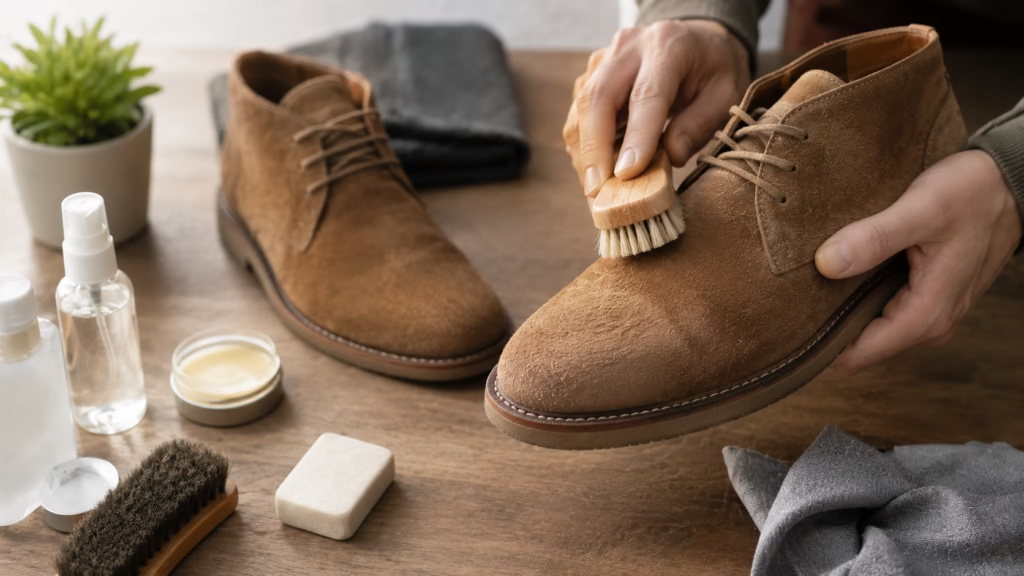
When grease contacts leather or suede, blot away any excess immediately without rubbing. Cover the stain with cornstarch, baking soda, or talcum powder and allow it to sit overnight. The powder will gradually absorb the oil from the surface.
The following day, gently brush away the powder using a soft-bristled brush. For leather items, follow up with a leather conditioner to restore moisture and maintain the material’s appearance.
Avoid using water, harsh detergents, or household cleaners on suede unless specifically recommended by the manufacturer.
Treating Grease Stains on Carpets and Upholstery
Grease spills on carpets and upholstered furniture can be particularly challenging because these surfaces cannot simply be placed in a washing machine.
Begin by removing any excess grease using a spoon or paper towel. Next, blot the area gently with clean paper towels to absorb as much oil as possible.
Apply baking soda or cornstarch to the stain and allow it to sit for at least thirty minutes. Vacuum away the powder once it has absorbed the grease.
Mix a small amount of mild dish soap with warm water and use a clean cloth to gently blot the stain. Avoid saturating the material. Continue blotting until the stain begins to lift.
Finally, rinse with a cloth dampened with clean water and blot dry. Allow the area to air dry completely before use.
Common Mistakes to Avoid
Many people unintentionally make grease stains worse by using improper cleaning techniques.
One common mistake is rubbing the stain aggressively. Rubbing spreads grease and forces it deeper into fibers, making removal more difficult.
Another frequent error is using hot water immediately. Heat can cause grease to bind more tightly to fabrics, especially if the stain has not yet been treated.
Skipping the pre-treatment step is another problem. Laundry detergent alone is often insufficient to remove grease completely. Pre-treating with dish soap, baking soda, or a stain remover greatly improves success rates.
Ignoring care labels can also lead to damage. Certain fabrics require special cleaning methods, and using the wrong treatment may cause shrinking, discoloration, or fabric deterioration.
Preventing Future Grease Stains
Although accidents happen, a few preventive measures can reduce the likelihood of grease stains.
When cooking, wear an apron to protect clothing from splatters. Use splatter screens while frying foods to minimize airborne oil droplets.
Keep stain-removal supplies such as dish soap, baking soda, and stain remover readily available so you can respond quickly when spills occur.
For households with children or frequent cooking activities, treating stains immediately can prevent small accidents from becoming permanent problems.
Conclusion
Grease stains may appear intimidating, but they are often highly treatable when approached correctly. The key is acting quickly, using the right products, and avoiding common mistakes that can set the stain permanently. Simple household items such as dish soap, baking soda, cornstarch, and quality laundry detergent can be remarkably effective at breaking down and removing grease from a variety of surfaces.
Whether the stain is on clothing, carpets, upholstery, leather, or delicate fabrics, patience and proper technique can often restore the item to its original appearance. By understanding how grease stains form and following proven treatment methods, you can confidently tackle even stubborn oil stains and keep your belongings looking clean and fresh.
The next time a grease spill threatens your favorite shirt, sofa, or carpet, you will have the knowledge and tools needed to remove it successfully and prevent lasting damage.
Disclaimer
This article is for educational purposes only and does not replace professional medical advice, diagnosis, or treatment. Seizures, severe headache, confusion, visual changes, or blood pressure readings in the hypertensive crisis range require urgent medical evaluation.