











How to Treat Mucocele
Discovering a small bump inside your mouth can be concerning, especially when it seems to appear suddenly and refuses to go away. One common cause of...
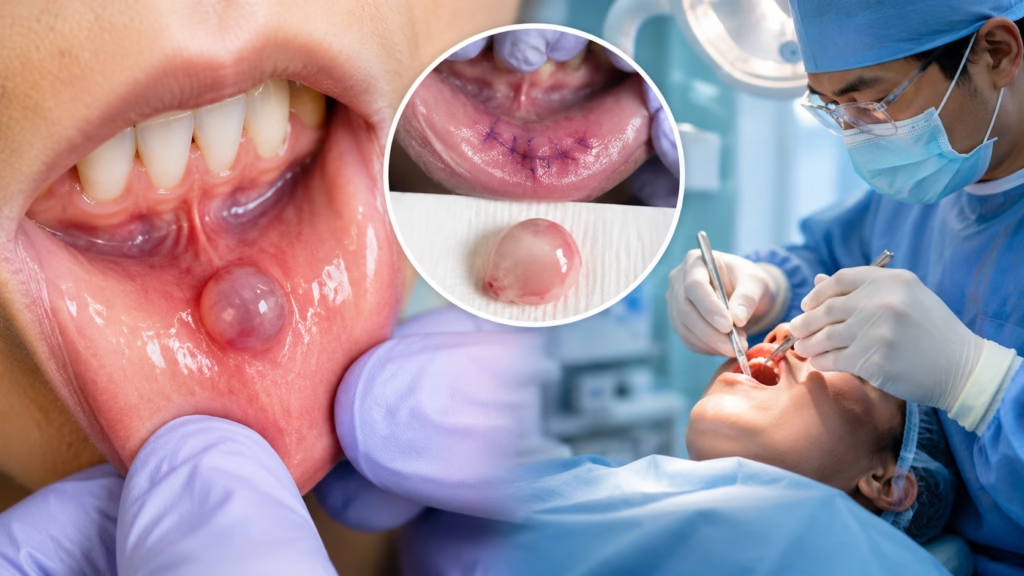
Table of Contents
Introduction
Discovering a small bump inside your mouth can be concerning, especially when it seems to appear suddenly and refuses to go away. One common cause of these oral bumps is a mucocele, a harmless but often bothersome lesion that develops when saliva becomes trapped beneath the surface of the oral tissues. Although mucoceles are generally not dangerous, they can interfere with speaking, eating, chewing, and overall comfort. In some cases, they may repeatedly rupture and return, causing ongoing frustration.
Fortunately, most mucoceles can be managed successfully with appropriate care. Some small lesions resolve on their own, while larger or persistent mucoceles may require professional treatment from a dentist, oral surgeon, or healthcare provider. Understanding why mucoceles occur and knowing the available treatment options can help you make informed decisions about your oral health.
This comprehensive guide explains what a mucocele is, why it develops, how it is diagnosed, the most effective treatment options available, and practical steps you can take to prevent future occurrences.
What Is a Mucocele?
A mucocele is a fluid-filled swelling that forms when saliva escapes from a damaged salivary gland duct and accumulates within the surrounding soft tissues. Although mucoceles are often referred to as cysts, they are technically not true cysts because they lack a distinct epithelial lining.
The lesion typically appears as a smooth, soft bump inside the mouth. It may have a clear, bluish, or translucent appearance depending on its size and depth beneath the tissue surface. Most mucoceles are painless, although larger lesions may cause discomfort when eating, speaking, or accidentally biting the affected area.
Mucoceles most commonly develop on the inner surface of the lower lip because this area is particularly vulnerable to accidental trauma. However, they may also occur on the floor of the mouth, the underside of the tongue, the cheeks, or other areas containing minor salivary glands.
While mucoceles are generally benign and noncancerous, any persistent oral lesion should be evaluated by a healthcare professional to ensure an accurate diagnosis.
Types of Mucoceles
Mucoceles can be broadly classified into two primary categories based on how they develop.
The first and most common type is known as an extravasation mucocele. This form occurs when physical trauma damages a salivary gland duct, allowing saliva to leak directly into surrounding tissues. Lip biting, accidental injury, and chronic irritation are frequent causes. Extravasation mucoceles are particularly common among children, adolescents, and young adults.
The second type is called a retention mucocele. Unlike extravasation mucoceles, retention mucoceles develop when saliva becomes trapped due to an obstruction within the salivary duct. This blockage may result from scar tissue, inflammation, or a salivary stone. Retention mucoceles tend to occur more frequently in adults and older individuals.
A special type of mucocele known as a ranula develops on the floor of the mouth. Ranulas can become significantly larger than typical mucoceles and may require specialized treatment due to their location and size.
Causes and Risk Factors
Understanding the causes of mucoceles can help reduce the likelihood of recurrence.
One of the most common causes is accidental lip biting. Many people unconsciously bite the inside of their lips during eating, periods of stress, or while concentrating. Repeated trauma can damage delicate salivary ducts and initiate mucocele formation.
Cheek biting and tongue biting may produce similar effects. Chronic irritation from braces, orthodontic appliances, or poorly fitting dental restorations can also contribute to the development of mucoceles.
Lip piercings represent another significant risk factor. Jewelry can repeatedly rub against oral tissues and salivary ducts, increasing the likelihood of injury and saliva leakage.
Individuals who frequently chew on pens, pencils, fingernails, or other objects may also place themselves at greater risk. These habits can create ongoing trauma to oral tissues and contribute to ductal damage.
Children and young adults tend to develop mucoceles more frequently because they are more likely to experience accidental oral injuries and habit-related trauma.
Recognizing the Symptoms
Mucoceles often have a characteristic appearance that makes them relatively easy to recognize.
The most common symptom is the presence of a soft, rounded bump inside the mouth. The lesion may appear clear, translucent, bluish, or slightly pink depending on its depth and the amount of saliva contained within it.
The size of a mucocele can vary considerably. Some remain only a few millimeters in diameter, while others grow larger than one centimeter. Larger lesions may interfere with chewing, speaking, swallowing, or normal oral function.
Most mucoceles are painless. However, discomfort may develop if the lesion becomes irritated through repeated biting or rubbing against teeth. Some people describe a sensation of fullness or annoyance rather than actual pain.
One distinctive feature of mucoceles is their tendency to rupture spontaneously. When this occurs, the bump may shrink temporarily as saliva drains into the mouth. Unfortunately, many lesions refill and recur because the underlying salivary gland problem remains unresolved.
When Should You Be Concerned?
Although mucoceles are usually harmless, certain signs warrant prompt professional evaluation.
A lesion that persists for more than two weeks without improvement should be examined by a dentist or oral healthcare provider. Similarly, a bump that continues to enlarge over time may require further investigation.
Pain, bleeding, ulceration, or signs of infection are additional reasons to seek medical attention. Redness, swelling, pus formation, or fever could indicate secondary infection requiring treatment.
Rapidly growing oral lesions should never be ignored, as other conditions can sometimes mimic mucoceles. Professional evaluation helps ensure an accurate diagnosis and appropriate management.
Diagnosis of a Mucocele
Diagnosing a mucocele typically begins with a thorough clinical examination.
During the appointment, the healthcare provider will inspect the lesion visually and gently palpate the area to assess its size, texture, and mobility. The provider will also ask questions about the duration of the lesion, any history of trauma, and whether the bump has appeared and disappeared previously.
In many cases, a clinical examination alone is sufficient to diagnose a mucocele. However, additional testing may occasionally be necessary, particularly when the lesion is unusually large, located deep within tissues, or has atypical features.
Imaging studies such as ultrasound or magnetic resonance imaging (MRI) may be used to evaluate deeper lesions or ranulas involving larger salivary glands.
A biopsy may be recommended if there is any uncertainty about the diagnosis. Tissue analysis allows pathologists to distinguish mucoceles from other oral cysts, tumors, or salivary gland disorders.
Home Remedies and Self-Care
Small mucoceles occasionally resolve without professional intervention. Several self-care strategies may help reduce irritation and promote healing.
Warm saltwater rinses are among the simplest and most effective home remedies. Dissolving half a teaspoon of salt in a cup of warm water creates a gentle oral rinse that can help maintain oral hygiene and reduce inflammation. Rinsing two to three times daily may provide relief.
Applying a cold compress to the outside of the mouth may help reduce swelling and discomfort. The cold should be applied intermittently rather than continuously to avoid tissue irritation.
Avoiding further trauma is particularly important. Individuals should make a conscious effort to stop lip biting, cheek chewing, or other habits that may aggravate the lesion.
It is strongly recommended not to attempt to puncture, squeeze, or cut a mucocele at home. Such actions can introduce bacteria, increase the risk of infection, and potentially worsen the condition.
If a lesion fails to improve within one to two weeks, professional evaluation is advisable.
Professional Treatment Options
Persistent, recurrent, or large mucoceles often require professional treatment to achieve lasting resolution.
Marsupialization
Marsupialization is a common procedure used for larger mucoceles and ranulas. During this treatment, the surgeon creates a small opening in the lesion and sutures the edges to keep it open. This allows continuous drainage and encourages healing while reducing the likelihood of recurrence.
Surgical Excision
Complete surgical removal remains one of the most definitive treatment options. During this procedure, the mucocele and the associated salivary gland tissue are removed together. Because the source of the saliva leak is eliminated, recurrence rates are generally low.
Surgical excision is often recommended for lesions that repeatedly return after conservative treatment.
Laser Therapy
Laser treatment has become increasingly popular due to its precision and minimally invasive nature. Carbon dioxide (CO₂) lasers and diode lasers can effectively remove mucoceles while minimizing bleeding and postoperative discomfort.
Patients often experience faster healing and less swelling compared with conventional surgery.
Cryotherapy
Cryotherapy involves freezing the lesion using liquid nitrogen. The extreme cold destroys abnormal tissue, allowing healthy tissue to replace it during healing.
Although cryotherapy is less invasive than surgery, multiple treatment sessions may sometimes be required.
Corticosteroid Injections
In selected cases, corticosteroid injections may be used to reduce inflammation and shrink the lesion. This approach is generally reserved for recurrent mucoceles or situations where surgery is not ideal.
Aftercare Following Treatment
Proper aftercare is essential for successful healing and preventing complications.
Patients should carefully follow all instructions provided by their healthcare provider. Good oral hygiene remains important, but brushing and rinsing should be performed gently around the treatment area.
A soft-food diet is often recommended for the first few days after treatment. Soft foods reduce mechanical irritation and allow tissues to heal more comfortably.
Any prescribed medications, including antibiotics or medicated mouth rinses, should be used exactly as directed.
Follow-up appointments should not be skipped, as they allow the provider to monitor healing and detect any signs of recurrence early.
Preventing Future Mucoceles
Although not every mucocele can be prevented, several strategies may reduce risk.
Breaking habits such as lip biting, cheek chewing, and nail biting is one of the most effective preventive measures. Behavioral techniques, stress management strategies, and professional counseling may be helpful for individuals struggling with these habits.
People who grind their teeth at night may benefit from wearing a custom-fitted mouthguard. Reducing oral trauma helps protect salivary gland ducts from injury.
Regular dental examinations are also important. Dentists can identify potential sources of chronic irritation, including sharp teeth, damaged restorations, or poorly fitting orthodontic appliances.
Maintaining overall oral health through routine dental care further supports healthy salivary gland function.
Conclusion
Mucoceles are common oral lesions that develop when saliva becomes trapped beneath the surface of the mouth’s soft tissues. While they are generally harmless, they can be uncomfortable, interfere with daily activities, and sometimes recur repeatedly.
Small mucoceles may resolve with conservative measures such as warm saltwater rinses and avoidance of further trauma. However, persistent, large, or recurrent lesions often require professional treatment, including marsupialization, surgical excision, laser therapy, cryotherapy, or corticosteroid injections.
Early evaluation by a qualified dental professional ensures accurate diagnosis and appropriate management. With proper treatment and preventive habits, most individuals can achieve complete healing and significantly reduce the risk of future mucoceles.
If you notice an oral bump that persists, enlarges, or causes discomfort, do not ignore it. Seeking professional care early can help you restore comfort, maintain oral health, and return to speaking, eating, and smiling with confidence.
Disclaimer
This article is for educational purposes only and does not replace professional medical advice, diagnosis, or treatment. Seizures, severe headache, confusion, visual changes, or blood pressure readings in the hypertensive crisis range require urgent medical evaluation.
Was this page helpful?
Thanks for your feedback! What could we improve?
Thank you! Your feedback helps us improve our articles.
True Impact Health articles are written by our editorial team and based on reliable sources such as public health agencies, clinical guidelines and peer-reviewed research. This article has not yet been medically reviewed. Read our editorial process.
This content is for general information and is not a substitute for professional medical advice, diagnosis or treatment.