Watches have evolved far beyond simple timekeeping devices. Today, millions of people wear traditional watches, smartwatches, fitness trackers, and health-monitoring devices every day. While these accessories provide convenience and functionality, prolonged contact with the skin can sometimes lead to an uncomfortable condition commonly known as watch rash.
Key takeaways
Remove the watch and gently clean the skin with mild, fragrance-free soap; pat dry to reduce irritation.
Use topical hydrocortisone sparingly, cold compresses, and fragrance-free moisturizer to reduce inflammation and soothe skin.
Prevent recurrence: clean bands regularly, wear watch loosely, let skin breathe, and choose hypoallergenic materials.
See a dermatologist if rash worsens, shows infection signs, blisters, or persists despite home care.
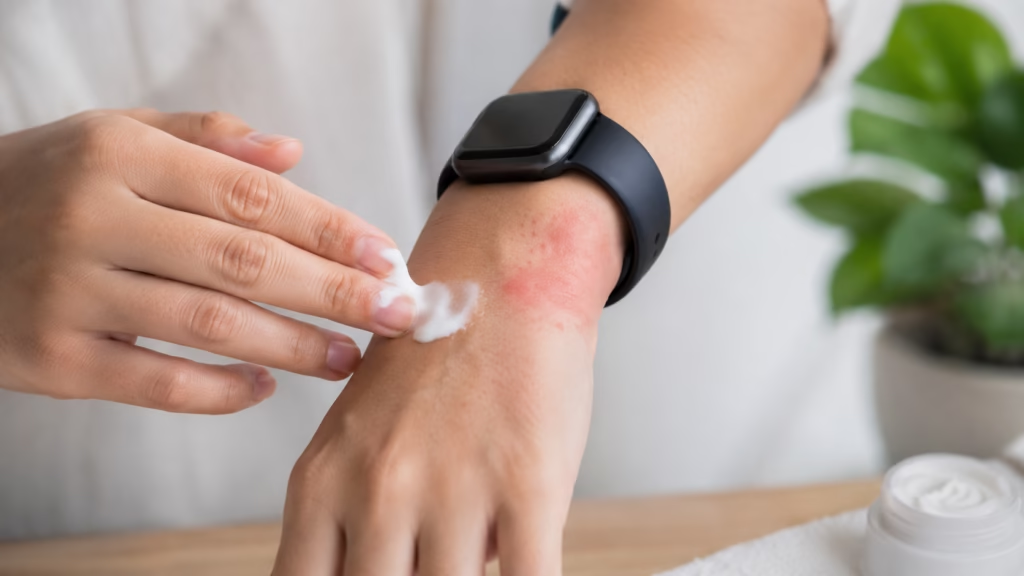
Watch rash is a surprisingly common problem that affects people of all ages. It can appear as redness, itching, dryness, bumps, or even painful skin irritation directly beneath the watch strap or around the area where the watch sits on the wrist. For some individuals, the rash develops gradually over time, while others may notice symptoms shortly after wearing a new watch or band.
Although watch rash is usually not a serious medical condition, it can become extremely uncomfortable if left untreated. Continuous irritation may cause the skin to become inflamed, cracked, or infected, making it difficult to wear a watch comfortably. Fortunately, most cases can be successfully treated by identifying the underlying cause and making simple adjustments to daily habits and skincare routines.
Understanding why watch rash occurs and learning how to treat it effectively can help you restore healthy skin while continuing to enjoy your favorite watch without discomfort.
What Is Watch Rash?
Watch rash is a form of skin inflammation that develops in the area where a watch, fitness tracker, or wristband comes into contact with the skin. In medical terms, it is often classified as contact dermatitis, a condition that occurs when the skin reacts to an irritant or allergen.
The skin serves as a protective barrier against environmental factors, bacteria, and harmful substances. However, when the skin is repeatedly exposed to friction, moisture, chemicals, or allergenic materials, this protective barrier can become damaged. Once the barrier is compromised, the body responds with inflammation, leading to the symptoms commonly associated with watch rash.
The severity of watch rash varies from person to person. Some individuals may experience only mild redness and itching, while others develop significant irritation characterized by swelling, blistering, or skin breakdown. The condition may affect only a small area beneath the watch strap or spread to surrounding portions of the wrist.
Watch rash is particularly common among people who wear their watches continuously throughout the day and night, especially during exercise, sleep, and other activities that increase perspiration. The combination of trapped moisture, constant pressure, and limited airflow creates an environment that can easily irritate sensitive skin.
Why Watch Rash Happens
Watch rash does not have a single cause. Instead, it usually develops as a result of one or more contributing factors that irritate the skin over time.
One of the most common causes is friction. When a watch strap rubs repeatedly against the wrist, the constant mechanical irritation can gradually damage the outer layer of the skin. This is especially common when the watch is worn too tightly or when the wearer frequently engages in activities that involve repetitive wrist movements. Typing, exercising, weightlifting, and manual labor can all increase friction between the watch and the skin.
Moisture also plays a significant role. Sweat often becomes trapped beneath the watch band, particularly when wearing silicone, rubber, or non-breathable materials. The warm, moist environment softens the skin and makes it more susceptible to irritation. Over time, prolonged moisture exposure can weaken the skin barrier and promote inflammation.
Allergic reactions are another important cause of watch rash. Many watches contain metals such as nickel, chromium, or cobalt. These metals can trigger allergic contact dermatitis in susceptible individuals. Even small amounts of contact may cause redness, itching, swelling, and discomfort. In some cases, leather straps, dyes, adhesives, and chemicals used during manufacturing may also provoke allergic reactions.
Chemical irritation is another possible trigger. Substances such as sunscreen, lotions, perfumes, hand sanitizers, and cleaning products can become trapped beneath the watch strap and remain in contact with the skin for extended periods. This prolonged exposure can irritate sensitive skin and contribute to the development of a rash.
Poor hygiene can further worsen the problem. Watches and watch bands accumulate sweat, dead skin cells, oils, dirt, and bacteria throughout the day. If these materials are not removed through regular cleaning, they can contribute to ongoing skin irritation and inflammation.
Recognizing the Symptoms of Watch Rash
The symptoms of watch rash can vary depending on the underlying cause and the severity of the irritation.
The earliest sign is often redness in the area where the watch touches the skin. The affected skin may appear pink, red, or darker than the surrounding tissue. In individuals with darker skin tones, redness may be less noticeable and instead appear as patches of discoloration.
Itching is one of the most common symptoms. Some people experience only mild irritation, while others find the itching severe enough to interfere with daily activities or sleep. The urge to scratch can further damage the skin and worsen inflammation.
Many individuals also notice a burning or stinging sensation. The skin may feel unusually sensitive, particularly when touched or exposed to water, soap, or sweat.
As the condition progresses, the skin may become dry, rough, flaky, or scaly. This occurs because inflammation disrupts the skin’s normal moisture balance and damages the protective outer layer.
In more severe cases, small bumps or blisters may develop. These fluid-filled lesions indicate a stronger inflammatory response and often cause significant discomfort. If the skin continues to be exposed to the triggering factor, the blisters may rupture, leading to oozing and crust formation.
Persistent watch rash may eventually cause thickening of the skin, increased sensitivity, and changes in skin color that can last for weeks or months after the rash resolves.
How to Treat Watch Rash
The first step in treating watch rash is removing the source of irritation. Continuing to wear the watch while the skin is inflamed will only prolong the healing process. Removing the watch allows the affected area to breathe and reduces further exposure to friction, moisture, and potential allergens.
After removing the watch, the skin should be cleaned gently. Washing the area with a mild, fragrance-free soap and lukewarm water helps remove sweat, bacteria, allergens, and other irritants. Harsh soaps and hot water should be avoided because they can worsen skin inflammation. After washing, the area should be patted dry carefully with a soft towel rather than rubbed.
Reducing inflammation is an important part of treatment. Over-the-counter hydrocortisone cream can help relieve redness, itching, and swelling. Applying a thin layer once or twice daily for several days often provides noticeable improvement. However, prolonged use should be avoided unless recommended by a healthcare professional.
Cold compresses can also provide significant relief. Applying a cool, damp cloth to the affected area for ten to fifteen minutes several times a day helps reduce inflammation and soothe irritated skin. The cooling effect may also lessen itching and discomfort.
Moisturizing the skin is another essential step. Inflamed skin often becomes dry and vulnerable to cracking. Using a fragrance-free moisturizer helps restore the skin barrier and promotes healing. Products containing ceramides, glycerin, or petroleum jelly are often particularly effective because they help lock moisture into the skin.
During the healing process, it is important to monitor for signs of infection. Increased redness, swelling, warmth, pain, pus, or fever may indicate that bacteria have entered the damaged skin. If any of these symptoms develop, medical attention should be sought promptly.
Natural Remedies That May Help
Several natural remedies may provide additional relief for individuals with mild watch rash.
Aloe vera is widely recognized for its soothing and anti-inflammatory properties. Applying pure aloe vera gel to the affected area may help reduce redness, itching, and irritation while promoting healing.
Colloidal oatmeal is another popular remedy for inflamed skin. Oatmeal contains compounds that help calm irritation and reduce itching. Oatmeal-based creams or baths may provide comfort during recovery.
Coconut oil is valued for its moisturizing properties and mild antimicrobial effects. Applying a small amount to the affected skin may help prevent excessive dryness and support skin repair.
Some individuals use diluted apple cider vinegar to help restore the skin’s natural pH balance. However, this remedy should be used with caution because it may cause burning or additional irritation, especially on broken or inflamed skin. Patch testing is recommended before applying it more broadly.
Although natural remedies can provide comfort, they should not replace proper medical treatment when symptoms are severe or persistent.
Preventing Future Watch Rash
Preventing watch rash is often easier than treating it.
One of the most effective preventive measures is keeping both the watch and the skin clean. Sweat, dirt, and bacteria should be removed regularly by cleaning the watch band according to the manufacturer’s recommendations. Fitness trackers and smartwatches that are worn daily often require more frequent cleaning than traditional watches.
Choosing the correct fit is also important. A watch should be snug enough to remain secure but loose enough to allow air circulation beneath the strap. A good rule is that one finger should fit comfortably between the strap and the wrist.
Allowing the skin to breathe can significantly reduce the risk of irritation. Removing the watch periodically throughout the day, especially after exercise or during hot weather, helps reduce moisture buildup and gives the skin an opportunity to recover.
Selecting hypoallergenic materials may be necessary for individuals with sensitive skin or known allergies. Titanium, ceramic, medical-grade silicone, and nickel-free stainless steel are often better tolerated than materials that contain common allergens.
Rotating between different watch bands can also reduce continuous exposure to a single material. This simple strategy may decrease the likelihood of developing irritation over time.
When to See a Dermatologist
Most cases of watch rash improve within a few days to two weeks with appropriate home care. However, professional evaluation may be necessary if symptoms persist, worsen, or recur frequently.
A dermatologist can help determine whether the rash is caused by an allergy, irritation, infection, or another skin condition. Specialized patch testing may be performed to identify specific allergens responsible for the reaction.
Prescription medications, including stronger corticosteroid creams, immunomodulating agents, antihistamines, or antibiotics, may be recommended when over-the-counter treatments are insufficient.
Seeking medical advice is particularly important if the rash becomes painful, develops blisters, produces discharge, or spreads beyond the area of watch contact.
Conclusion
Watch rash is a common skin condition that develops when the skin reacts to friction, trapped moisture, allergens, or irritating substances associated with watches and wristbands. Although the condition can be uncomfortable and frustrating, it is usually manageable with proper care and attention.
The most effective treatment begins with removing the source of irritation and allowing the skin to heal. Gentle cleansing, inflammation control, moisturizing, and good hygiene practices can significantly improve symptoms and restore healthy skin. Natural remedies may provide additional comfort, while preventive measures such as choosing hypoallergenic materials, maintaining proper watch fit, and keeping both the skin and watch clean can greatly reduce the risk of future episodes.
By understanding the causes of watch rash and responding promptly to early symptoms, most individuals can continue enjoying their watches comfortably while maintaining healthy, irritation-free skin.
Disclaimer
This article is for educational purposes only and does not replace professional medical advice, diagnosis, or treatment. Seizures, severe headache, confusion, visual changes, or blood pressure readings in the hypertensive crisis range require urgent medical evaluation.
Thank you! Your feedback helps us improve our articles.
True Impact Health articles are written by our editorial team and based on reliable sources such as public health agencies, clinical guidelines and peer-reviewed research. This article has not yet been medically reviewed. Read our editorial process.
This content is for general information and is not a substitute for professional medical advice, diagnosis or treatment.