Introduction
Discovering a green spot on your fingernail or toenail can be alarming, especially if you have never encountered the problem before. Many people immediately assume that the discoloration is caused by a fungal infection or a serious health condition. However, in many cases, a green discoloration under the nail is caused by a bacterial infection known as green nail syndrome. While the appearance can be concerning, the condition is usually manageable with proper care and treatment.
Green nail syndrome most commonly occurs when moisture becomes trapped beneath a nail that has partially separated from the nail bed. This creates an ideal environment for certain bacteria to grow and multiply. If left untreated, the discoloration may spread, the nail may become more damaged, and the infection can persist for months. Fortunately, early intervention often leads to successful treatment and full recovery.
This comprehensive guide explains what causes green spots on nails, how to treat the condition safely, ways to prevent future infections, and when professional medical attention may be necessary.
What Is a Green Spot on a Nail?
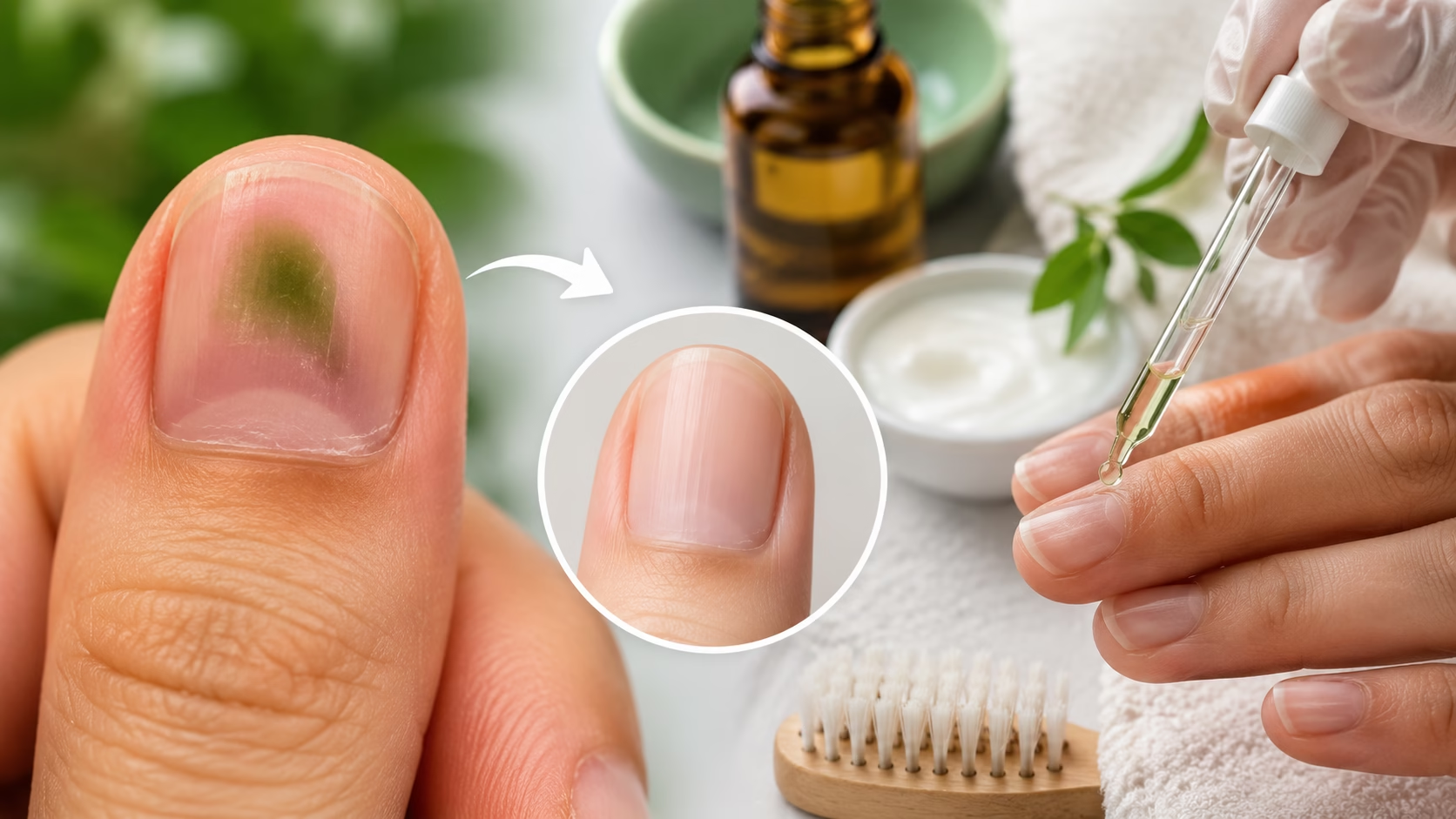
A green spot on a nail is usually a sign of bacterial colonization beneath the nail plate. The most common culprit is a bacterium called Pseudomonas aeruginosa. This organism is naturally found in soil, water, and moist environments. While it does not usually infect healthy skin, it can thrive in small spaces where moisture becomes trapped beneath a damaged or partially detached nail.
The infection often produces a characteristic green, blue-green, yellow-green, or sometimes blackish discoloration. The color comes from pigments produced by the bacteria as they grow beneath the nail surface.
In many cases, the affected nail remains relatively painless. However, some individuals may experience mild tenderness, sensitivity, or an unpleasant odor. As the infection progresses, the nail may become brittle, thickened, or increasingly separated from the underlying nail bed.
Related Posts:
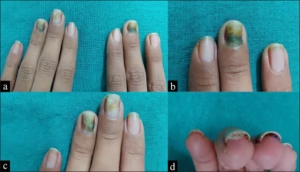

The condition is commonly referred to as green nail syndrome and can affect both fingernails and toenails.
Understanding the Causes of Green Nail Syndrome
To effectively treat a green spot on the nail, it is important to understand why the infection develops in the first place.
Excess Moisture
One of the primary factors contributing to green nail syndrome is prolonged exposure to moisture. Pseudomonas bacteria thrive in wet environments. Individuals who frequently wash their hands, wear gloves for extended periods, swim regularly, or work in wet conditions are at a higher risk of developing this infection.
When water becomes trapped beneath the nail, it creates an environment that encourages bacterial growth. Over time, the bacteria colonize the area and begin producing the pigments responsible for the green discoloration.
Nail Trauma and Damage
Nail injuries can create small gaps between the nail plate and the nail bed. These gaps provide an ideal hiding place for bacteria. Trauma may result from accidental injuries, aggressive manicures or pedicures, nail biting, picking at the nails, or repetitive pressure from tight footwear.
Once the nail begins to separate from the nail bed, moisture and debris can become trapped underneath, creating the perfect environment for bacterial growth.
Artificial Nails and Nail Products
Artificial nails, gel manicures, acrylic nails, and long-lasting nail polishes can increase the risk of green nail syndrome. These cosmetic products may trap moisture beneath the nail surface, especially if lifting occurs around the edges.
If artificial nails remain in place after damage has occurred, bacteria can multiply unnoticed beneath the nail for weeks before symptoms become visible.
Poor Nail Hygiene
Using contaminated nail tools or failing to properly clean and dry the nails can contribute to infection. Shared nail equipment in salons may also increase the risk if sterilization procedures are inadequate.
Proper hygiene plays a crucial role in preventing bacterial growth and maintaining healthy nails.
Signs and Symptoms of Green Nail Syndrome
The most obvious symptom is the appearance of a green discoloration beneath or on the surface of the nail. The shade may vary from light green to dark green, blue-green, or almost black.
Many people also notice that the nail begins to separate from the nail bed. This separation, known as onycholysis, often creates a visible gap beneath the nail where bacteria can thrive.
In some cases, there may be a mild odor coming from the affected nail. The surrounding skin may appear slightly irritated or inflamed, although significant redness and pain are uncommon in uncomplicated infections.
If the infection becomes more severe, the nail may thicken, become brittle, or develop structural changes that affect its appearance and strength.
How to Treat a Green Spot on a Nail
Treatment focuses on eliminating the bacteria, reducing moisture, and allowing healthy nail growth to replace the affected area.
Clean the Nail Thoroughly
The first step involves keeping the affected nail clean and dry. Gently wash the nail with mild antibacterial soap and warm water at least once or twice daily. Avoid harsh scrubbing, which may further damage the nail.
After washing, dry the area thoroughly. Moisture is one of the main factors that allows Pseudomonas bacteria to survive, so ensuring complete dryness is essential.
Trim Loose or Detached Nail Portions
If part of the nail has lifted away from the nail bed, carefully trim loose sections when appropriate. Reducing the space beneath the nail makes it more difficult for bacteria to thrive.
Avoid forcefully removing attached portions of the nail, as this can cause pain, injury, and further separation.
Vinegar Soaks
Vinegar is one of the most commonly recommended home remedies for green nail syndrome because it creates an acidic environment that discourages bacterial growth.
To prepare a vinegar soak, mix one part white vinegar with one part warm water. Soak the affected nail for approximately ten to fifteen minutes once or twice daily. After soaking, dry the nail completely.
Many mild infections begin to improve within several weeks of consistent vinegar treatment.
Antiseptic Solutions
After soaking, applying a topical antiseptic can help reduce bacterial growth. Povidone-iodine solutions are commonly used because they have broad-spectrum antimicrobial properties.
Some healthcare providers also recommend diluted antiseptic preparations designed for skin and nail infections. These products help disinfect the area and promote healing.
Tea Tree Oil
Tea tree oil possesses natural antimicrobial properties that may help reduce bacterial growth. If using tea tree oil, it should always be diluted with a carrier oil such as coconut oil, jojoba oil, or olive oil to minimize skin irritation.
Apply a small amount to the affected area once or twice daily after cleaning and drying the nail.
Avoid Nail Polish and Artificial Nails
During treatment, it is important to avoid covering the nail with nail polish, acrylics, gels, or artificial nail enhancements. These products can trap moisture and prevent the infection from resolving.
Allowing the nail to remain exposed to air promotes drying and recovery.
Medical Treatments for Persistent Infections
While many cases improve with home care, some infections require professional treatment.
A healthcare provider may prescribe topical antibiotics specifically effective against Pseudomonas bacteria. Medications containing gentamicin, ciprofloxacin, or other targeted antibiotics may be used depending on the severity of the infection.
In rare cases involving extensive infection, oral antibiotics may be necessary. If the nail is severely damaged or recurrent infections occur, a dermatologist or podiatrist may recommend partial nail removal to eliminate the bacterial reservoir and allow healthy regrowth.
Medical evaluation is particularly important for individuals with diabetes, poor circulation, immune system disorders, or other health conditions that increase the risk of complications.
How Long Does Recovery Take?
Recovery time depends on the severity of the infection and how quickly treatment begins.
Mild infections may show improvement within two to four weeks. However, the discoloration often remains visible until the affected portion of the nail grows out completely.
Because fingernails grow slowly and toenails grow even more slowly, full cosmetic recovery can take several months. Fingernails typically require four to six months to grow out completely, while toenails may require twelve months or longer.
Patience and consistent treatment are essential throughout the healing process.
Preventing Green Nail Syndrome
Preventing future infections involves reducing moisture exposure and maintaining healthy nail care habits.
Keep your hands and feet as dry as possible throughout the day. Dry them thoroughly after washing, bathing, swimming, or exercising. Individuals who work in wet environments should wear protective gloves and change them regularly if moisture accumulates inside.
Maintain good nail hygiene by cleaning and disinfecting nail tools after each use. Avoid sharing nail clippers, files, or manicure equipment with others.
Limit prolonged use of artificial nails and allow natural nails time to breathe between cosmetic treatments. If you notice lifting or damage beneath artificial nails, address the problem promptly before moisture becomes trapped.
Wearing breathable footwear and moisture-wicking socks can also help prevent bacterial growth around toenails.
A nutritious diet rich in protein, zinc, biotin, and vitamins supports strong nail growth and overall nail health.
When to See a Doctor
Although green nail syndrome is usually not dangerous, medical evaluation is recommended if the infection fails to improve after several weeks of home treatment.
You should also seek professional care if you experience increasing pain, redness, swelling, drainage, or signs of infection spreading beyond the nail. Individuals with diabetes, circulation problems, or weakened immune systems should contact a healthcare provider promptly when nail infections develop.
Early treatment can prevent complications and promote faster healing.
Conclusion
A green spot on a nail is often caused by Pseudomonas aeruginosa, a bacterium that thrives in moist environments beneath damaged or partially detached nails. Although the discoloration can be alarming, most cases respond well to proper nail care, regular cleaning, vinegar soaks, antiseptic treatments, and moisture control.
The key to successful treatment is consistency. Keeping the affected nail clean, dry, and free from moisture-trapping products allows the infection to resolve and healthy nail growth to return. While many mild cases improve with home remedies, persistent or worsening infections should be evaluated by a healthcare professional.
With prompt attention, good hygiene practices, and appropriate treatment, most people can successfully eliminate green nail syndrome and restore their nails to a healthy, normal appearance.
Disclaimer
This article is for educational purposes only and does not replace professional medical advice, diagnosis, or treatment. Seizures, severe headache, confusion, visual changes, or blood pressure readings in the hypertensive crisis range require urgent medical evaluation.