









Exercise Induced Pulmonary Hypertension
Exercise is widely recognized as one of the most effective ways to support cardiovascular health, improve lung function, and enhance overall well-being....
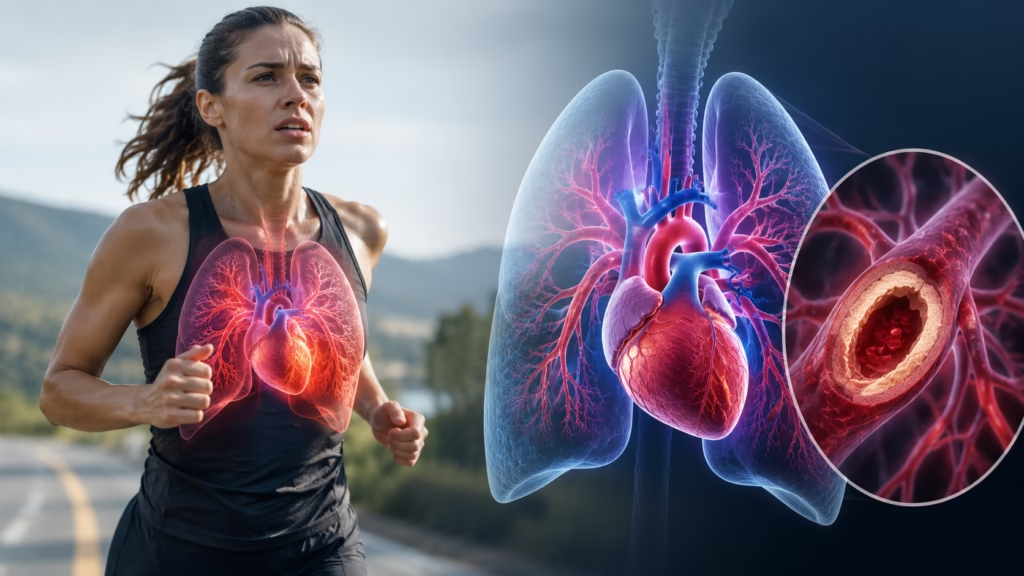
Table of Contents
Introduction
Exercise is widely recognized as one of the most effective ways to support cardiovascular health, improve lung function, and enhance overall well-being. For most people, physical activity strengthens the heart, improves circulation, and increases endurance. However, for some individuals, exercise can reveal an underlying cardiovascular or pulmonary disorder that remains hidden during rest. One such condition is exercise-induced pulmonary hypertension (EIPH), a form of abnormal pulmonary pressure response that becomes apparent only during physical exertion.
Unlike traditional pulmonary hypertension, which is diagnosed based on elevated pressures measured at rest, exercise-induced pulmonary hypertension may not produce abnormal findings when an individual is sitting quietly. Instead, symptoms emerge during physical activity when the heart and lungs are required to work harder to meet the body’s increased oxygen demands. Patients often report unexplained shortness of breath, early fatigue, reduced exercise tolerance, or chest discomfort despite having normal resting evaluations.
The recognition of EIPH has become increasingly important because it may represent an early stage of pulmonary vascular disease. Identifying the condition before permanent damage develops provides an opportunity for earlier intervention, closer monitoring, and improved long-term outcomes. This comprehensive guide explains the nature of exercise-induced pulmonary hypertension, its causes, symptoms, diagnosis, treatment options, and lifestyle strategies that can help patients maintain cardiovascular health.
Understanding Pulmonary Hypertension
To fully understand exercise-induced pulmonary hypertension, it is important to first understand pulmonary hypertension itself.
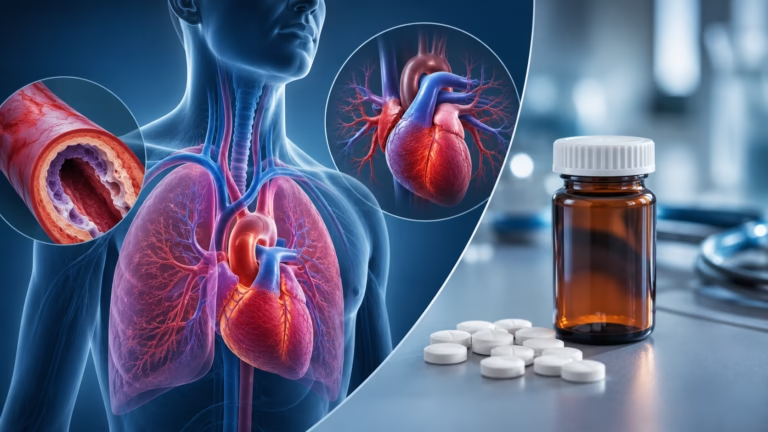
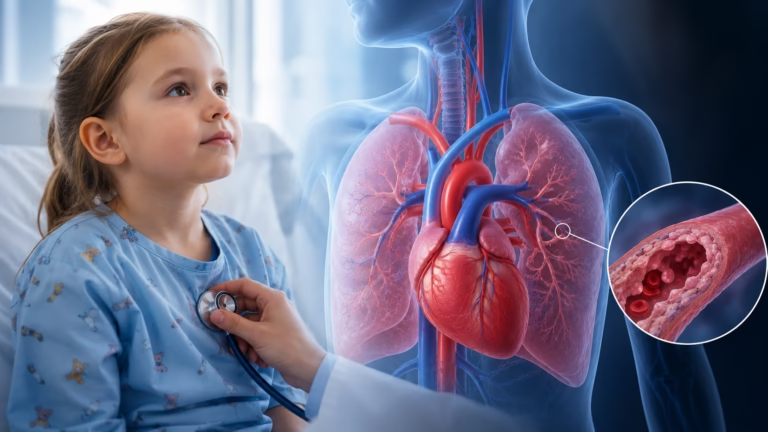
Pulmonary hypertension is a condition characterized by abnormally elevated pressure within the pulmonary arteries, the blood vessels responsible for transporting blood from the right side of the heart to the lungs. Under normal circumstances, these vessels are flexible and capable of accommodating increases in blood flow without significant rises in pressure. When the pulmonary arteries become narrowed, stiffened, blocked, or damaged, pressure within the pulmonary circulation increases.
Current clinical guidelines define pulmonary hypertension as a mean pulmonary artery pressure greater than 20 mmHg at rest, measured through right-heart catheterization. As pressure rises, the right ventricle must work harder to push blood through the lungs. Over time, this increased workload can lead to enlargement of the right ventricle, reduced cardiac efficiency, and eventually right-sided heart failure.
Pulmonary hypertension is categorized into five major groups based on its underlying cause. These include pulmonary arterial hypertension, pulmonary hypertension resulting from left heart disease, pulmonary hypertension caused by chronic lung disease or low oxygen levels, chronic thromboembolic pulmonary hypertension, and a group of conditions involving multifactorial or unclear mechanisms.
Regardless of the cause, prolonged elevation of pulmonary pressures places significant strain on both the heart and lungs and can severely impact quality of life if left untreated.
What Is Exercise-Induced Pulmonary Hypertension?
Exercise-induced pulmonary hypertension refers to an abnormal increase in pulmonary artery pressure that occurs during physical activity despite normal or near-normal pressure measurements at rest.
In healthy individuals, exercise causes cardiac output to increase significantly. The pulmonary circulation normally adapts by expanding blood vessels and lowering pulmonary vascular resistance, allowing large increases in blood flow without substantial increases in pressure.
In individuals with EIPH, this adaptive response is impaired. As exercise intensity increases, pulmonary pressures rise disproportionately because the pulmonary vessels cannot adequately accommodate the increased blood flow.
Researchers continue to refine the precise diagnostic criteria for exercise-induced pulmonary hypertension. Current evidence suggests that the condition is characterized by excessive elevations in mean pulmonary artery pressure during exercise combined with abnormal pulmonary vascular resistance responses.
The significance of EIPH lies in its potential role as an early warning sign. Some patients who initially demonstrate abnormal pressure responses only during exercise later develop overt pulmonary hypertension at rest. Early recognition therefore provides an opportunity to identify disease before irreversible vascular remodeling occurs.
Why Exercise-Induced Pulmonary Hypertension Matters
Exercise-induced pulmonary hypertension is more than simply becoming out of breath during physical activity. Many individuals experiencing EIPH notice that their symptoms are out of proportion to their age, fitness level, or overall health status.
Because resting tests often appear normal, patients may spend years searching for explanations for their exercise intolerance. Some are initially told that their symptoms are due to aging, anxiety, deconditioning, or stress. However, ongoing abnormalities in pulmonary vascular function can gradually progress and eventually contribute to permanent cardiovascular complications.
Early diagnosis allows healthcare providers to identify underlying causes, monitor disease progression, and implement interventions designed to preserve heart and lung function.
Common Symptoms of Exercise-Induced Pulmonary Hypertension
The symptoms of EIPH often resemble those of established pulmonary hypertension but are primarily triggered by physical exertion.
Shortness of breath during exercise is usually the most prominent complaint. Patients frequently report becoming breathless during activities that previously caused no difficulty, such as climbing stairs, walking uphill, exercising, or carrying groceries.
Many individuals experience rapid fatigue and find themselves unable to sustain physical activity for the same duration as before. This reduction in exercise capacity often develops gradually, making it difficult to recognize initially.
Chest discomfort or pressure may occur during exertion as the heart works harder against elevated pulmonary pressures. Some patients describe a sensation of tightness or heaviness in the chest.
Dizziness, lightheadedness, or near-fainting episodes can develop when the cardiovascular system struggles to maintain adequate blood flow during exercise. In severe cases, patients may experience syncope, or temporary loss of consciousness.
Because these symptoms overlap with numerous other medical conditions, proper evaluation is essential whenever exercise intolerance becomes persistent or progressively worsens.
Risk Factors for Exercise-Induced Pulmonary Hypertension
Several medical conditions increase the likelihood of developing EIPH.
Individuals with connective tissue diseases such as systemic sclerosis are considered particularly high risk because these disorders can directly affect the pulmonary blood vessels.
Patients with left ventricular diastolic dysfunction may also develop abnormal pulmonary pressure responses during exercise. In these individuals, elevated left-sided heart pressures are transmitted backward into the pulmonary circulation during physical exertion.
People with repaired congenital heart defects, including atrial septal defects, may remain vulnerable to pulmonary vascular abnormalities even after successful corrective procedures.
Chronic lung diseases such as chronic obstructive pulmonary disease (COPD), interstitial lung disease, and pulmonary fibrosis can also contribute to abnormal pulmonary pressure responses during exercise.
Additional risk factors include advancing age, obesity, sleep apnea, previous pulmonary embolism, family history of pulmonary hypertension, and certain genetic predispositions.
Why Pulmonary Pressure Rises During Exercise
Understanding the mechanisms behind EIPH requires an appreciation of normal pulmonary circulation physiology.
During exercise, the body’s demand for oxygen increases dramatically. The heart responds by pumping more blood to the lungs and throughout the body. Healthy pulmonary arteries adapt by widening and recruiting additional blood vessels, which prevents significant pressure elevations.
In EIPH, several abnormalities interfere with this process.
One important factor is pulmonary vascular remodeling. Structural changes within the pulmonary arteries cause vessel walls to thicken and lose flexibility. As a result, the vessels cannot expand efficiently when blood flow increases.
Endothelial dysfunction also plays a significant role. The endothelium, which lines blood vessels, normally produces substances such as nitric oxide that promote vasodilation. Impaired production of these substances contributes to excessive vasoconstriction during exercise.
The right ventricle must compensate for these abnormalities by generating higher pressures to maintain blood flow. Over time, this additional workload can lead to right ventricular strain, dysfunction, and eventual failure if the underlying problem remains untreated.
Diagnostic Evaluation
Diagnosing exercise-induced pulmonary hypertension requires a comprehensive approach that combines clinical assessment with specialized testing.
Clinical Assessment
The evaluation begins with a detailed medical history and physical examination. Healthcare providers assess symptoms, risk factors, exercise limitations, and any underlying cardiovascular or pulmonary diseases.
Routine testing often includes electrocardiography, pulmonary function testing, chest imaging, and blood work to exclude alternative causes of exercise intolerance.
Cardiopulmonary Exercise Testing
Cardiopulmonary exercise testing, commonly known as CPET, is one of the most valuable tools for evaluating unexplained exertional symptoms.
This test measures oxygen consumption, carbon dioxide production, ventilation, and exercise performance while the patient exercises on a treadmill or stationary bicycle.
Abnormal patterns can suggest impaired pulmonary vascular function and provide important clues regarding the presence of EIPH.
Exercise Stress Echocardiography
Exercise echocardiography allows physicians to estimate pulmonary artery pressures during physical activity.
The test assesses right ventricular systolic pressure and evaluates how the heart responds to increasing exercise demands. Excessive increases in pulmonary pressures during exercise may support the diagnosis of EIPH.
Right-Heart Catheterization with Exercise
Exercise right-heart catheterization remains the gold standard for diagnosing exercise-induced pulmonary hypertension.
This procedure directly measures pulmonary artery pressure, cardiac output, pulmonary vascular resistance, and other hemodynamic parameters both at rest and during exercise.
Because of its accuracy, it provides definitive information regarding pulmonary vascular function and remains the most reliable diagnostic method when EIPH is strongly suspected.
Treatment and Management
Currently, no medications are specifically approved solely for exercise-induced pulmonary hypertension. Management focuses on treating underlying conditions, improving symptoms, and preventing progression.
Addressing Underlying Diseases
Treatment begins by identifying and optimizing management of any contributing disorders.
Patients with left heart disease require careful control of blood pressure, heart failure symptoms, and cardiac function. Individuals with chronic lung disease benefit from pulmonary rehabilitation, smoking cessation, oxygen therapy when appropriate, and disease-specific treatments.
Management of connective tissue disorders and autoimmune diseases may also reduce pulmonary vascular stress.
Structured Exercise Programs
Contrary to what many patients assume, carefully supervised exercise remains an important component of treatment.
Pulmonary rehabilitation programs provide individualized exercise plans that improve endurance, muscle efficiency, and quality of life while minimizing excessive cardiovascular stress.
Patients are encouraged to exercise within safe limits under professional guidance rather than avoiding physical activity altogether.
Pharmacologic Therapies
In selected cases, physicians may consider medications commonly used for pulmonary arterial hypertension.
These may include endothelin receptor antagonists, phosphodiesterase-5 inhibitors such as sildenafil, or prostacyclin-based therapies. Although evidence continues to evolve, certain high-risk patients may benefit from these treatments under specialist supervision.
Multidisciplinary Care
Optimal management often requires collaboration among cardiologists, pulmonologists, exercise physiologists, physical therapists, and nutrition specialists.
This multidisciplinary approach ensures that all contributing factors are addressed comprehensively.
Lifestyle Modifications
Lifestyle changes play an important role in managing EIPH and preserving cardiovascular health.
A heart-healthy diet rich in fruits, vegetables, whole grains, lean proteins, and omega-3 fatty acids supports vascular function and reduces inflammation.
Maintaining a healthy body weight decreases cardiac workload and improves exercise tolerance.
Adequate hydration supports circulation and may improve exercise performance in some individuals.
Patients should avoid smoking and limit exposure to environmental pollutants, both of which can worsen pulmonary vascular function.
For those who experience oxygen desaturation during exercise, supplemental oxygen may be beneficial under medical supervision.
High-altitude environments should be approached cautiously because reduced oxygen availability can significantly increase pulmonary pressures.
Prognosis and Future Research
The prognosis for exercise-induced pulmonary hypertension varies depending on the underlying cause, severity of pulmonary vascular abnormalities, and timing of diagnosis.
Patients identified early generally have a better opportunity to slow disease progression and maintain normal daily function. Regular monitoring allows healthcare providers to detect worsening pulmonary pressures before significant cardiovascular damage occurs.
Research continues to explore new diagnostic tools, including advanced imaging techniques, strain echocardiography, cardiac magnetic resonance imaging, and novel blood biomarkers.
Clinical trials are also evaluating whether medications traditionally used for pulmonary arterial hypertension can improve outcomes in patients with exercise-induced disease.
Conclusion
Exercise-induced pulmonary hypertension represents an important but often overlooked cause of unexplained exercise intolerance. Although patients may appear normal during rest, abnormal pulmonary vascular responses during physical activity can significantly impair quality of life and may signal the early stages of pulmonary vascular disease.
Recognizing symptoms such as disproportionate shortness of breath, exercise-related fatigue, chest discomfort, and dizziness is essential for timely diagnosis. Advanced testing, including cardiopulmonary exercise testing, stress echocardiography, and exercise right-heart catheterization, allows clinicians to identify the condition before permanent damage develops.
With early detection, targeted treatment, supervised exercise programs, lifestyle modifications, and multidisciplinary care, many patients can successfully manage symptoms and maintain active lifestyles. Anyone experiencing unexplained breathlessness or exercise intolerance should seek medical evaluation, as early intervention remains one of the most effective strategies for preserving long-term cardiovascular and pulmonary health.
Disclaimer
This article is for educational purposes only and does not replace professional medical advice, diagnosis, or treatment. Seizures, severe headache, confusion, visual changes, or blood pressure readings in the hypertensive crisis range require urgent medical evaluation.
Was this page helpful?
Thanks for your feedback! What could we improve?
Thank you! Your feedback helps us improve our articles.
True Impact Health articles are written by our editorial team and based on reliable sources such as public health agencies, clinical guidelines and peer-reviewed research. This article has not yet been medically reviewed. Read our editorial process.
This content is for general information and is not a substitute for professional medical advice, diagnosis or treatment.