











Is a Sinus Infection Contagious without a Fever
Learn if sinus infections are contagious without a fever. Discover how viral and bacterial causes spread and when you should consult a medical professional.
By True Impact Health Editorial Team

Medical graduate of Girne American University with a focus on patient-centred care, clinical assessment and preventive health.
Reviewed this article on October 10, 2026.
View profile How we reviewUpdated on October 10, 2026 8 min read
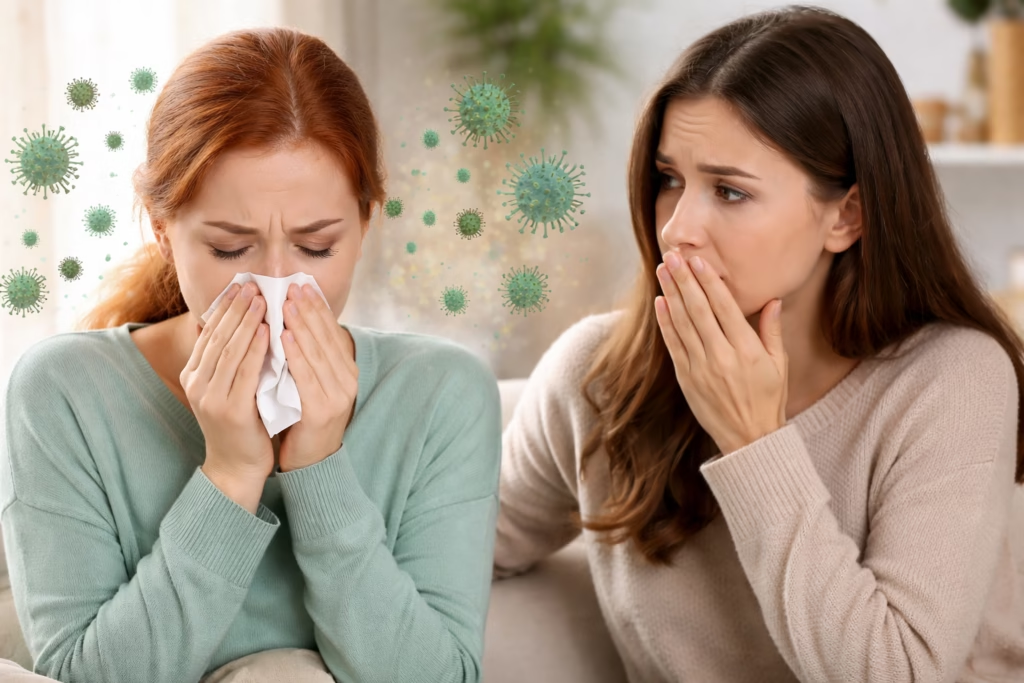
Table of Contents
Quick answer
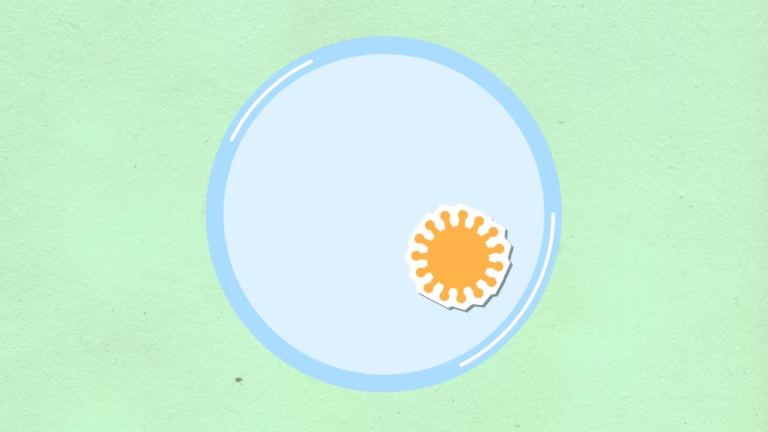
A sinus infection itself is not contagious, regardless of whether you have a fever. However, the viral or bacterial illness that triggered the inflammation can be spread to others through respiratory droplets. While you cannot pass the sinus infection directly, you may still transmit the underlying cold or flu virus to people around you.
Today we will be talking about whether sinus infections are contagious without a fever. A sinus infection, medically known as sinusitis, occurs when the cavities around the nasal passages become inflamed and swollen. This inflammation can be caused by infection, allergies, or environmental factors. There are two main types of sinusitis: acute and chronic. Acute sinusitis typically lasts less than four weeks and may come on quickly, while chronic sinusitis persists for more than 12 weeks and can continue for several months or even years. Symptoms commonly associated with sinus infections include nasal congestion, facial pain or pressure, headache, runny nose, cough, and fatigue. Often, sinus infections follow a cold, attracting a host of uncomfortable features. A common question arises regarding its contagiousness, especially for individuals who may not exhibit a fever.
Understanding Sinus Infections
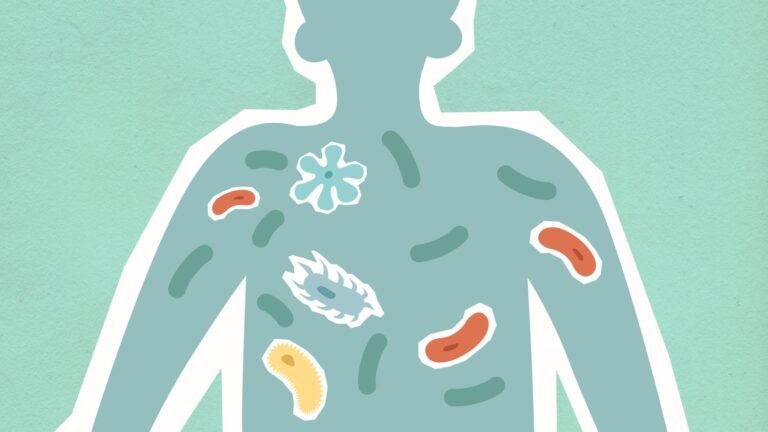
Sinus infections can stem from a variety of causes, mainly from viral infections like the common cold or flu. When viruses infect the upper respiratory tract, they can lead to inflammation of the sinus linings, creating blockages and preventing mucus from draining properly. Bacteria may also play a role, especially when a viral infection precedes the sinus problems. Allergens and irritants such as pollen, dust, pollution, or smoke can also contribute to inflamed sinuses. Knowing these causes is vital when diagnosing and understanding sinusitis and its implications for contagiousness. It is important to differentiate between a true sinus infection and sinus issues related to allergies or irritants, as the latter are not contagious.
Are Sinus Infections Contagious?
The core of the concern revolves around contagiousness. Sinusitis is generally not contagious. The infections that lead to sinusitis, primarily viral infections such as the cold, are the real culprits behind the spread of illness. If one person has a cold and develops a sinus infection, it’s not the sinus infection they are passing to others, but rather the virus that initiated the episode. Therefore, individuals can be around someone with sinusitis without fear of catching the infection, provided the underlying cause is non-bacterial. Understanding this helps alleviate unnecessary panic about spreading or contracting sinus-related illnesses.
Sinus Infection Symptoms
Symptoms of sinus infections can vary based on the severity and duration. Acute sinusitis often shows symptoms such as facial pain, pressure, nasal congestion, and thick nasal discharge that can be green or yellow. Furthermore, headaches, tooth pain, and a reduced sense of taste or smell are common. Chronic sinusitis, on the other hand, may have milder symptoms that persist for more extended periods, including coughing, fatigue, and nasal obstruction. Recognizing these symptoms is crucial for seeing a healthcare provider and managing the infection effectively. Notably, fever is not always a symptom in sinusitis cases; many experience the infection without it.
When to See a Doctor
Understanding the right time to seek medical attention is crucial for proper management. If symptoms persist beyond a week or worsen, or if an individual experiences a severe headache, facial swelling, or vision changes, it’s essential to consult a healthcare professional. Additionally, fever higher than 102°F, severe pain, or recurrent sinus infections may require medical intervention. Both immediate and chronic cases can benefit from professional evaluation, ensuring an accurate diagnosis and treatment plan. The medical professional may conduct a physical examination, recommend imaging tests, or prescribe medication as necessary.
Diagnosis of Sinus Infections
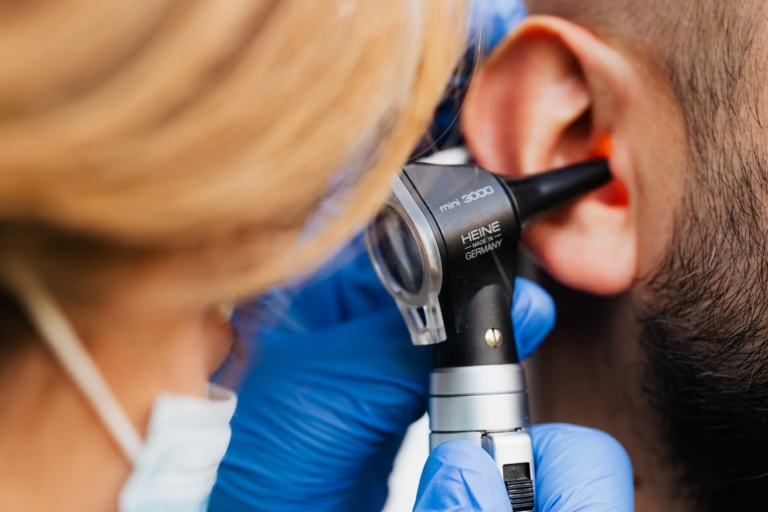
Diagnosing a sinus infection typically begins with a comprehensive evaluation of symptoms and a physical examination by a healthcare professional. They may inquire about the individual’s medical history and would likely check for signs of sinus inflammation. In some cases, further tests such as imaging studies (CT scans) or nasal endoscopy may be necessary to conclusively diagnose sinusitis or rule out other conditions. It is through a clear diagnosis that understanding contagiousness becomes more apparent. Identifying whether the causative agent is viral or bacterial helps in determining the infectious nature of the condition.
Treatment Options for Sinus Infections
Treatment for sinus infections is largely dependent on the nature of the infection—viral vs. bacterial. For viral sinus infections, management typically focuses on symptom relief. This may involve over-the-counter medications, saline nasal sprays, humidifiers, or pain relievers to alleviate discomfort. Bacterial sinus infections may necessitate antibiotics, particularly if symptoms are persistent or worsen. Home remedies such as steam inhalation, warm compresses, and hydration can also play a crucial role in alleviating symptoms. Customized treatment plans ensure effective management and swift recovery.
Preventing Sinus Infections
Preventative measures can significantly reduce the risk of sinus infections. Regular hand washing, avoiding irritants such as smoke, and managing allergies can help maintain sinus health. Additionally, keeping the nasal passages clear using saline nasal sprays or using a humidifier during dry months can prevent blockage. Staying hydrated contributes to thinner mucus, promoting efficient drainage from the sinuses. Practicing healthy habits contributes to the overall well-being of the respiratory system and minimizes the risk of developing sinusitis.
Natural Remedies for Sinus Infections
Many individuals prefer natural remedies to alleviate symptoms associated with sinus infections. Steam inhalation is one of the most common methods, providing immediate relief by helping to thin mucus and open nasal passages. Drinking plenty of fluids, consuming hot teas, or broths can be soothing. Herbal remedies such as eucalyptus oil, peppermint, or ginger are often utilized for their anti-inflammatory properties. Additionally, probiotics may aid in maintaining a balanced sinus flora and enhancing the immune response. While these remedies may not replace professional care, they can significantly enhance comfort and recovery.
Living with Chronic Sinusitis
For individuals with chronic sinusitis, managing the condition becomes a significant part of life. Understanding triggers is paramount to effective prevention. Regular consultations with healthcare providers ensure that treatment plans are both effective and oriented toward immediate and long-term relief. Lifestyle modifications, respiratory therapies, and avoiding irritants can enhance quality of life. Psychological support to manage chronic symptoms and their implications can be beneficial. Being proactive in addressing sinus health cultivates a supportive environment for maintaining good respiratory health.
Conclusion
In conclusion, while sinus infections themselves are not contagious, understanding their underlying causes is essential for overall respiratory health. The inflammatory nature of sinusitis, predominantly associated with viral infections, emphasizes the importance of recognizing contagious factors primarily related to the originating virus rather than the sinus infection itself. Symptoms can be varied, and knowing when to seek medical help greatly enhances appropriate management of sinus infections. Preventative strategies beget healthy sinuses and habitual care can mitigate the impact of chronic sinusitis. Ultimately, addressing these symptoms through both medical interventions and natural remedies establishes a balanced approach to living with sinus conditions.
Frequently Asked Questions
1. Can I catch a sinus infection from someone?
No, you cannot catch a sinus infection itself. However, if someone has a viral infection that leads to sinusitis, you can be at risk of contracting that virus.
2. What are key symptoms of a sinus infection?
Key symptoms include facial pain, nasal congestion, headache, thick nasal discharge, and sometimes cough.
3. How long does a sinus infection typically last?
Acute sinus infections usually last less than four weeks, while chronic sinusitis can persist for 12 weeks or longer.
4. When should I see a doctor for a sinus infection?
You should see a doctor if symptoms worsen or last beyond a week, if you have severe pain, or notice changes in vision.
5. Are there any effective home remedies for sinus infections?
Yes, home remedies such as steam inhales, saline nasal sprays, and staying hydrated can help alleviate symptoms associated with sinus infections.
Further Reading
3.5 tog sleeping bag temperature guide
What Type of Psychotherapy Is Best for Anxiety?
post-traumatic stress disorder (PTSD)
When to see a doctor
- Symptoms that last longer than ten days without showing any signs of improvement.
- A high fever exceeding 102 degrees Fahrenheit or symptoms that suddenly worsen.
- Severe headache, facial swelling, or redness around the eyes or forehead.
- Vision changes, such as double vision or blurred sight, or a stiff neck.
- Difficulty breathing or persistent confusion.
- Call your local emergency number immediately if you experience sudden, severe confusion or difficulty breathing.
If symptoms are severe or come on suddenly, call your local emergency number.
Frequently asked questions
Can I go to work or school if I have a sinus infection?
If your sinus infection was caused by a cold or flu virus, you may still be contagious to others. It is generally recommended to stay home until your fever is gone for at least 24 hours without medication and your symptoms are improving to avoid spreading the underlying virus to colleagues or classmates.
How can I tell if my sinus infection is bacterial or viral?
It is difficult to distinguish between the two based on symptoms alone. Viral infections are more common and usually improve within a week. Bacterial infections may be suspected if symptoms persist beyond ten days, are severe, or improve initially but then worsen again. Only a healthcare provider can provide an accurate diagnosis.
Are sinus infections caused by allergies contagious?
No, sinus infections caused by allergies are not contagious. Allergies are an immune system response to environmental triggers like pollen, dust, or pet dander, rather than an infectious pathogen. Because there is no virus or bacteria involved in an allergic reaction, you cannot pass these sinus symptoms to another person.
Do I need antibiotics for a sinus infection without a fever?
Most sinus infections are viral and do not respond to antibiotics. Antibiotics are only effective against bacterial infections and should only be used when prescribed by a doctor. Taking antibiotics unnecessarily can lead to side effects and contribute to antibiotic resistance, so they are not a standard treatment for most cases.
Sources and further reading
Was this page helpful?
Thanks for your feedback! What could we improve?
Thank you! Your feedback helps us improve our articles.
Medically reviewed by
Dr. Oluwabusola Stella OkeMedical graduate of Girne American University with a focus on patient-centred care, clinical assessment and preventive health.
True Impact Health articles are written by our editorial team and based on reliable sources such as public health agencies, clinical guidelines and peer-reviewed research. This article has been checked by a doctor on our review panel. Read our editorial process.
This content is for general information and is not a substitute for professional medical advice, diagnosis or treatment.