















Health A–Z guide
Allergies
Allergies: Understanding Causes, Symptoms, and Modern Management
Allergies are among the most common chronic health conditions worldwide, affecting people of all ages. From seasonal sneezing fits to serious reactions to foods or medications, allergies can range from…
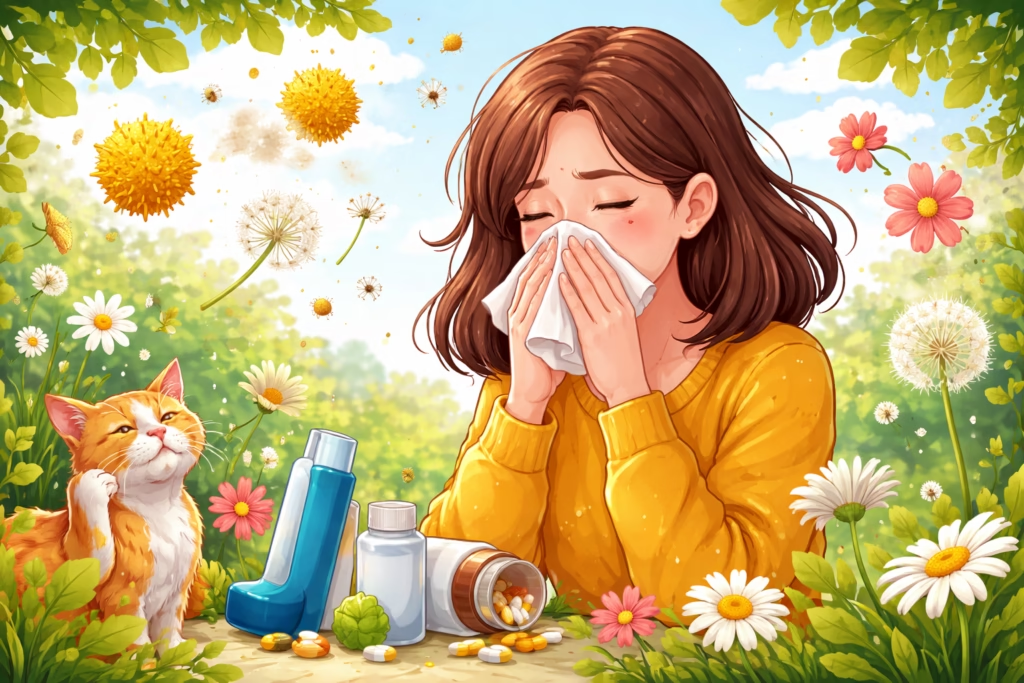
Table of Contents

Allergies are among the most common chronic health conditions worldwide, affecting people of all ages. From seasonal sneezing fits to serious reactions to foods or medications, allergies can range from mildly inconvenient to potentially life-threatening. Understanding what allergies are, why they occur, and how they are diagnosed and managed can help individuals recognize symptoms early and seek appropriate care.
This article provides an evidence-based, easy-to-understand overview of allergies, including their causes, symptoms, diagnosis, treatment options, and prevention strategies.
Overview: What Are Allergies?
An allergy is an overreaction of the immune system to substances that are typically harmless to most people. These substances, called allergens, can include pollen, certain foods, animal dander, insect venom, medications, or mold.
When a person with allergies is exposed to an allergen, their immune system mistakenly identifies it as a threat and releases chemicals—most notably histamine—that trigger allergic symptoms.
Allergic conditions are part of a group known as atopic disorders, which also include asthma and eczema (atopic dermatitis).
Causes and Risk Factors
Common Allergens
Allergens vary widely and may be inhaled, ingested, injected, or come into contact with the skin. Common examples include:
- Environmental allergens
- Pollen (trees, grasses, weeds)
- Dust mites
- Mold spores
- Animal dander
- Food allergens
- Peanuts, tree nuts
- Milk, eggs
- Wheat, soy
- Shellfish and fish
- Medications
- Penicillin and other antibiotics
- Nonsteroidal anti-inflammatory drugs (NSAIDs)
- Insect stings
- Bees, wasps, hornets
- Contact allergens
- Latex
- Nickel
- Certain cosmetics or skincare products
Risk Factors
Factors that increase the likelihood of developing allergies include:
- Family history of allergies, asthma, or eczema
- Childhood exposure to allergens
- Living in environments with high pollution or allergen levels
- Existing allergic conditions, such as asthma
Symptoms and Clinical Presentation
Allergic reactions can vary in severity and affect different parts of the body. Symptoms may appear within minutes or develop over several hours after exposure.
Common Allergy Symptoms
Depending on the allergen and route of exposure, symptoms may include:
- Respiratory
- Sneezing, runny or congested nose
- Itchy throat or ears
- Wheezing or shortness of breath
- Skin
- Hives (urticaria)
- Itching
- Rash or eczema flare-ups
- Gastrointestinal
- Nausea or vomiting
- Abdominal cramps
- Diarrhea
- Eyes
- Redness
- Tearing
- Itching
Severe Allergic Reactions (Anaphylaxis)
In rare cases, allergies can cause anaphylaxis, a rapid and life-threatening reaction characterized by:
- Swelling of the lips, tongue, or throat
- Difficulty breathing
- Dizziness or fainting
- A sudden drop in blood pressure
Anaphylaxis is a medical emergency and requires immediate treatment.
Diagnosis and Screening
Diagnosing allergies involves a combination of clinical history, physical examination, and diagnostic testing.
Common Diagnostic Methods
- Medical history and symptom review
- Skin prick testing
- Small amounts of allergens are applied to the skin to observe reactions
- Blood tests
- Measure allergen-specific IgE antibodies
- Elimination diets
- Used under medical supervision for suspected food allergies
- Patch testing
- Often used for contact dermatitis
Accurate diagnosis is essential for developing an effective management plan and avoiding unnecessary restrictions.
Treatment and Management Options
Although there is no cure for allergies, several effective treatment options can help control symptoms and reduce the risk of severe reactions.
Allergen Avoidance
The cornerstone of allergy management is minimizing exposure to known allergens when possible.
Medications
Commonly used allergy medications include:
- Antihistamines
- Reduce sneezing, itching, and runny nose
- Decongestants
- Relieve nasal congestion (short-term use)
- Corticosteroids
- Available as nasal sprays, inhalers, or topical creams
- Leukotriene modifiers
- Help control allergic inflammation in some individuals
Immunotherapy
- Allergy shots or sublingual tablets
- Gradually expose the immune system to increasing amounts of allergen
- Can reduce symptom severity over time and modify disease progression
Emergency Treatment
- Epinephrine is the first-line treatment for anaphylaxis
- Individuals at risk may be prescribed auto-injectors for emergency use
Prevention and Lifestyle Considerations
While not all allergies can be prevented, certain strategies may help reduce exposure and symptom severity:
- Monitor local pollen counts and limit outdoor activities during high pollen days
- Use HEPA filters and regularly clean living spaces
- Wash hands and clothing after allergen exposure
- Read food labels carefully for known allergens
- Maintain regular follow-ups with healthcare providers if allergies are diagnosed
Education and awareness play a critical role in long-term allergy management.
Conclusion: Key Takeaways About Allergies
Allergies are a common immune system disorder that can significantly impact quality of life if left unmanaged. They occur when the immune system overreacts to usually harmless substances, leading to symptoms that range from mild discomfort to serious medical emergencies. With accurate diagnosis, evidence-based treatment, and appropriate preventive strategies, most people with allergies can effectively control symptoms and maintain daily activities.
Medical Disclaimer
This article is intended for educational purposes only and does not replace professional medical advice, diagnosis, or treatment. Readers are encouraged to consult qualified healthcare professionals for evaluation and guidance regarding any medical conditions or symptoms.
By staying informed and proactive, individuals can better navigate the challenges of living with allergies while prioritizing safety and well-being.
Was this page helpful?
Thanks for your feedback! What could we improve?
Thank you! Your feedback helps us improve our guides.
Our Health A–Z guides are written by the True Impact Health Editorial Team and based on reliable sources such as public health agencies, clinical guidelines and peer-reviewed research. This guide has not yet been medically reviewed. Read our editorial process.
This content is for general information and is not a substitute for professional medical advice, diagnosis or treatment.
