










Health A–Z guide
Acne
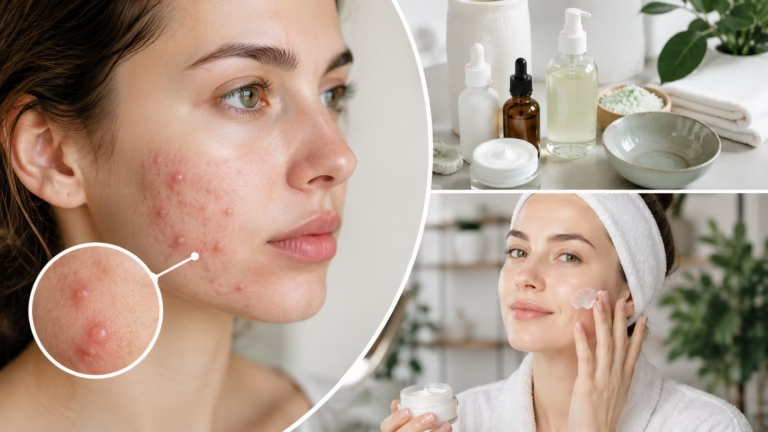
Acne is a common skin condition that occurs when hair follicles become clogged with oil (sebum), dead skin cells, and bacteria. It most often affects the...
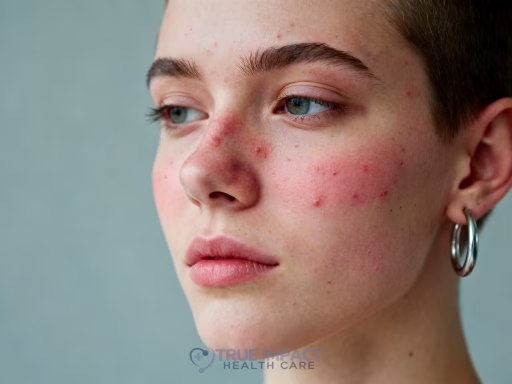
Table of Contents
Acne is a common skin condition that occurs when hair follicles become clogged with oil (sebum), dead skin cells, and bacteria. It most often affects the face, chest, back, and shoulders, but can appear anywhere on the body where oil glands are present.
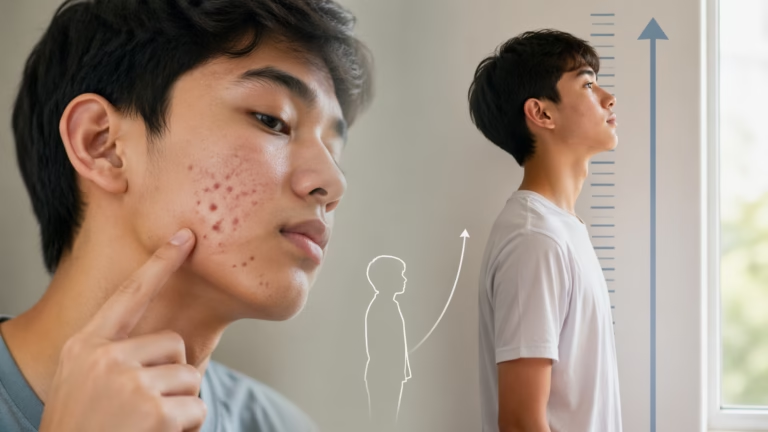
Acne develops due to a combination of factors, including excess oil production, clogged pores, inflammation, and hormonal changes. While it is most common during adolescence, acne can affect people of all ages.
Common types of acne include:
-
Whiteheads and blackheads
-
Pimples (papules and pustules)
-
Nodules and cysts (more severe forms)
Contributing factors may include:
-
Hormonal fluctuations
-
Genetics
-
Certain skincare products
-
Stress and lifestyle factors
Treatment varies based on severity and may involve proper skincare routines, topical or oral medications, and lifestyle adjustments. Early and consistent treatment can help reduce breakouts and lower the risk of scarring.
With appropriate care, acne can be effectively managed, supporting healthier and clearer skin over time.
Was this page helpful?
Thanks for your feedback! What could we improve?
Thank you! Your feedback helps us improve our guides.
Our Health A–Z guides are written by the True Impact Health Editorial Team and based on reliable sources such as public health agencies, clinical guidelines and peer-reviewed research. This guide has not yet been medically reviewed. Read our editorial process.
This content is for general information and is not a substitute for professional medical advice, diagnosis or treatment.