












How to improve your gut microbiome
Learn practical, evidence‑based ways to improve your gut microbiome through diet, lifestyle, and safe supplements for better digestion and overall health.

Table of Contents
Key Takeaways
- Fiber‑rich foods and fermented products feed beneficial bacteria
- Stress, sleep, and movement all influence gut balance
- Prebiotic and probiotic choices should be evidence‑based
- Avoid excessive sugar, antibiotics, and overly restrictive diets
When you type “How to improve your gut microbiome” into a search engine, you’re looking for clear steps that can make the trillions of microbes in your digestive tract work better for you. A healthy gut microbiome supports digestion, immunity, mood, and even skin health, so the payoff of making simple changes can be big.
This guide breaks down the science into everyday language and gives you practical actions you can start today. All advice follows mainstream guidance from organisations such as the NHS and the US MedlinePlus. Remember, the information is general; if you have specific health concerns, talk to a qualified professional.
Understanding the Gut Microbiome
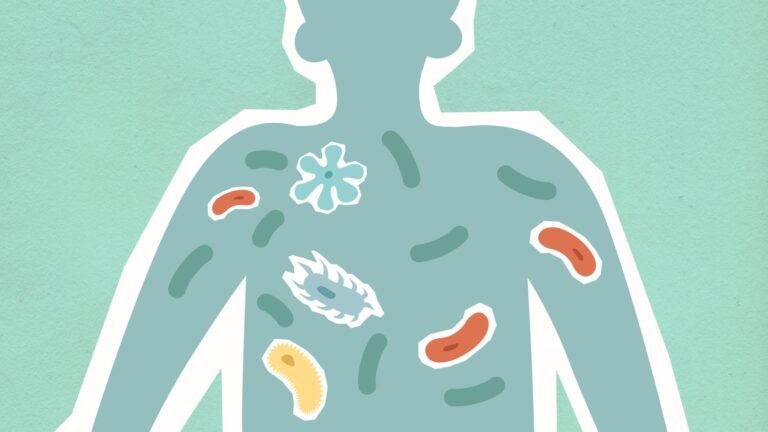
The gut microbiome is the community of bacteria, fungi, viruses and other microbes that live mainly in the large intestine. Most of these organisms are harmless or even helpful, producing short‑chain fatty acids, vitamins and compounds that train the immune system.
Scientists estimate that the gut contains up to 1,000 different species, and the exact mix varies from person to person. Factors such as birth method, diet, medications, stress and environment shape this ecosystem from birth onward.
When the balance shifts toward harmful microbes, a state called dysbiosis, people may experience bloating, irregular bowel movements, fatigue, or skin flare‑ups. Restoring balance is the goal of any plan to improve your gut microbiome.
Why a Balanced Microbiome Matters
A well‑balanced microbiome helps break down complex carbohydrates that your body cannot digest on its own. The by‑products, especially short‑chain fatty acids like butyrate, feed the cells lining the colon and reduce inflammation.
Research links a diverse gut community with a stronger immune response, better weight regulation, and even improved mood through the gut‑brain axis. While the science is still evolving, major health bodies agree that supporting gut health is part of overall preventive care.
Because the microbiome interacts with many body systems, small lifestyle tweaks can have ripple effects far beyond the digestive tract.
Dietary Strategies to Boost Good Bacteria
Eat More Fiber
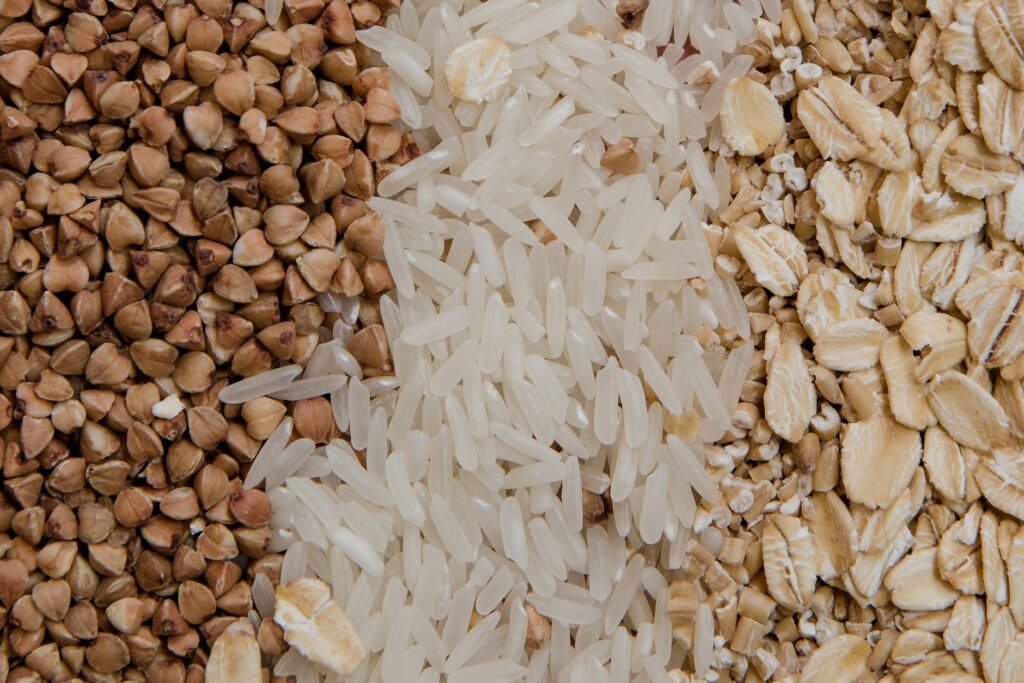
Fiber is the primary fuel for many beneficial bacteria. Soluble fiber, found in oats, beans, apples and carrots, dissolves in water and is fermented by microbes, producing helpful acids. Insoluble fiber, present in whole‑grain breads and seeds, adds bulk and promotes regular bowel movements.
Aim for at least 25‑30 g of fiber per day, spreading sources throughout meals to keep bacteria active all day long.
Include Fermented Foods
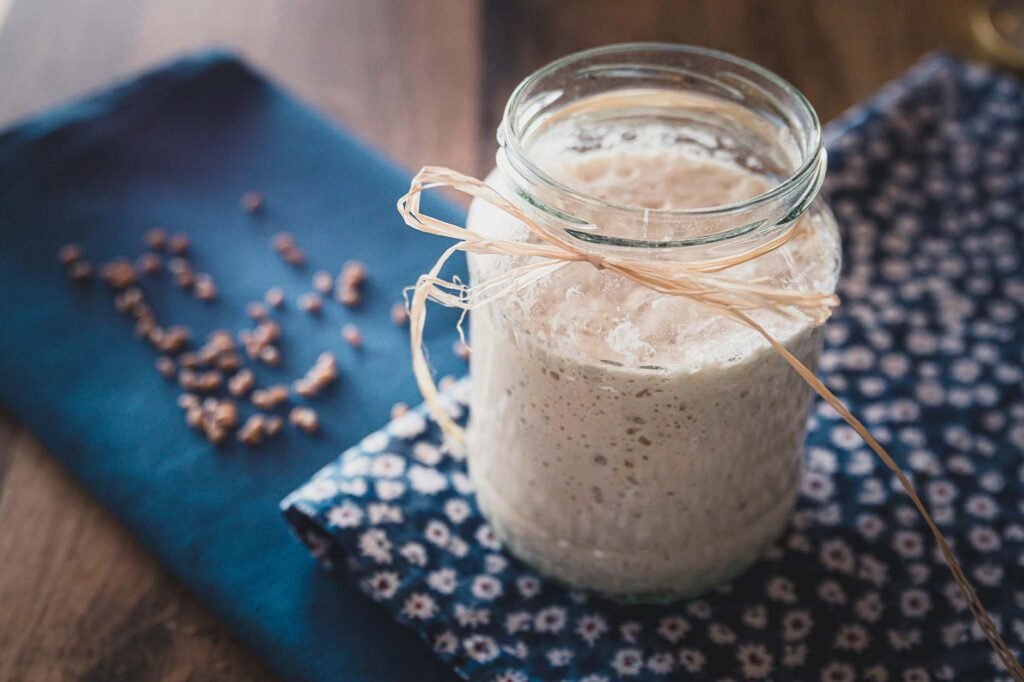
Fermented foods contain live cultures, often Lactobacillus and Bifidobacterium, that can temporarily increase microbial diversity. Yogurt with “live and active cultures,” kefir, sauerkraut, kimchi, miso and tempeh are easy options.
Choose products without added sugars or excessive salt, and start with a small serving (¼ cup) if you’re new to fermented foods to allow your gut to adjust.
Limit Added Sugars and Processed Snacks
High sugar intake feeds opportunistic bacteria and yeast that can outcompete beneficial strains. Processed snacks often contain refined carbs and additives that may promote inflammation.
Replacing sugary drinks with water or herbal tea and swapping chips for nuts or fruit helps keep the microbial garden balanced.
| Food Type | Prebiotic Content (g per 100 g) | Typical Serving |
|---|---|---|
| Chicory root | 41.5 | 1 tsp (5 g) |
| Garlic | 9.9 | 1 clove (3 g) |
| Banana (green) | 3.4 | ½ fruit (60 g) |
| Oats | 2.5 | ½ cup cooked (120 g) |
Lifestyle Habits That Support Microbial Health
Prioritise Quality Sleep
Sleep deprivation disrupts the rhythmic signals that coordinate gut bacteria. Aim for 7‑9 hours of uninterrupted sleep, and keep a regular bedtime routine.
Manage Stress Effectively
Chronic stress triggers cortisol release, which can alter gut permeability and microbial composition. Practices such as deep breathing, meditation, or gentle yoga can lower stress hormones and protect the gut lining.
Stay Physically Active
Moderate exercise, like brisk walking, cycling, or swimming, has been shown to increase microbial diversity. Even short daily walks can make a difference.
Supplements and Probiotics: What the Evidence Says
Probiotic supplements contain specific strains that have been studied for particular health outcomes. For most healthy adults, a daily probiotic with 1‑10 billion CFU of Lactobacillus rhamnosus or Bifidobacterium longum can be a useful addition, especially after a course of antibiotics.
Prebiotic supplements, like inulin or partially hydrolysed guar gum, provide food for existing bacteria. Start with a low dose (½ tsp) to avoid gas, and increase gradually.
Always choose products that list the exact strains and CFU count, and check that they are stored according to manufacturer instructions to preserve viability.
Common Mistakes to Avoid
1. Relying on a single “magic” food. No single food can fix dysbiosis; a varied diet matters more.
2. Taking antibiotics without medical need. Antibiotics can wipe out beneficial microbes, so they should only be used when prescribed for a bacterial infection.
3. Over‑consuming probiotic drinks. While tasty, many commercial drinks contain high sugar levels that counteract the benefits.
4. Ignoring food intolerances. Persistent symptoms after dietary changes may signal an underlying intolerance that needs professional assessment.
Tracking Your Progress
Improving the gut microbiome is a gradual process. Simple ways to monitor change include:
- Keeping a food and symptom journal for 2‑4 weeks.
- Noting bowel regularity, stool consistency (using the Bristol Stool Chart) and any bloating.
- Observing energy levels, mood swings, and skin clarity.
If you suspect a serious imbalance, a healthcare professional can order stool tests that identify bacterial diversity and guide targeted interventions.
Optimizing Gut Health Through Stress Management
Chronic psychological stress influences the gut by activating the hypothalamic-pituitary-adrenal axis, which releases cortisol and other hormones that can increase intestinal permeability and shift microbial composition.
Mind-Body Techniques
Practices such as meditation, deep breathing, and yoga have been shown to lower cortisol levels and support a more diverse microbiota.
Regular sessions of at least ten minutes can create measurable changes in short-chain fatty acid production, a key marker of microbial health.
Consistency matters; integrating these practices into daily routines yields the most reliable benefits.
- Meditation – 10‑15 minutes each morning
- Box breathing – 4‑4‑4‑4 pattern for five cycles
- Gentle yoga – focus on poses that stimulate abdominal massage
Sleep Quality and Circadian Rhythm
Sleep deprivation disrupts the daily oscillations of gut bacteria, leading to reduced abundance of beneficial taxa.
Aligning the sleep schedule with natural light cues supports rhythmic expression of microbial genes involved in metabolism.
Aim for seven to nine hours of uninterrupted sleep and consider a wind-down routine that limits screen exposure.

Personalized Nutrition: Using Microbiome Testing to Guide Choices
Advances in DNA sequencing now allow consumers to obtain a snapshot of their gut bacterial community, providing actionable insight for dietary tailoring.
What a Microbiome Test Reveals
Commercial kits analyze stool DNA to estimate the relative abundance of bacterial families, offering a diversity score and identification of over- or under-represented groups.
Results typically include suggestions for dietary adjustments based on the functional capacity inferred from the microbial profile.
While the science is evolving, repeated testing can track trends over time and help fine-tune interventions.
Translating Results into Practical Meals
If a test indicates low levels of fiber-degrading microbes, increase intake of soluble fibers such as oats, apples, and legumes.
Conversely, a high proportion of bile-tolerant bacteria may signal excess saturated fat, prompting a shift toward plant-based oils and lean proteins.
Use the test as a guide rather than a strict prescription; combine it with general recommendations for variety, color, and whole foods.
- Soluble fiber sources – oats, barley, psyllium, legumes
- Prebiotic foods – garlic, onion, asparagus, bananas
- Healthy fats – olive oil, avocado, nuts, seeds
Environmental Factors: How Pollution and Antibiotic Exposure Shape Your Microbiome
Beyond diet and lifestyle, external environmental agents can directly alter gut microbial ecosystems, often in subtle but clinically relevant ways.
Impact of Air and Water Contaminants
Inhaled particulate matter can reach the gut via mucociliary clearance, influencing microbial composition and promoting inflammatory pathways.
Heavy metals such as lead and cadmium found in contaminated water have been linked to reduced microbial diversity in animal studies.
Reducing exposure through air filtration, drinking filtered water, and choosing organic produce can mitigate these effects.
Minimizing Unnecessary Antibiotic Use
Antibiotics disrupt the gut ecosystem by killing susceptible bacteria and allowing resistant strains to dominate.
When antibiotics are prescribed, co-administration of a targeted probiotic and a post‑treatment prebiotic can help restore balance more quickly.
Discussing alternative treatments with clinicians, adhering to the exact dosage, and avoiding self‑medication are essential strategies.
- Ask your provider if a non‑antibiotic option exists
- Complete the full course when antibiotics are necessary
- Consider a probiotic containing Lactobacillus and Bifidobacterium after treatment
- Include prebiotic foods such as chicory root or dandelion greens
Frequently Asked Questions
Can I improve my gut microbiome without changing my diet?
Diet is the most powerful lever, but sleep, stress reduction and regular movement also have measurable effects. Small improvements in any of these areas can support microbial health.
How long does it take to see results?
Changes in microbial composition can begin within days, but noticeable improvements in digestion or energy often take 2‑4 weeks of consistent habits.
Are there risks to taking probiotics?
For most healthy people, probiotics are safe. Individuals with compromised immune systems or severe illnesses should consult a doctor before starting any supplement.
Do I need a stool test to know if my gut is healthy?
Routine testing isn’t necessary for everyone. However, if you have persistent gastrointestinal symptoms, a stool analysis ordered by a clinician can provide useful information.
The Bottom Line
Improving your gut microbiome is achievable through a combination of fiber‑rich foods, fermented products, balanced lifestyle habits and, when appropriate, evidence‑based supplements. Small, consistent steps, like adding a serving of beans, prioritising sleep, and moving daily, can create a thriving microbial community that supports overall health. Always seek professional advice for personalized guidance.
Was this page helpful?
Thanks for your feedback! What could we improve?
Thank you! Your feedback helps us improve our articles.
True Impact Health articles are written by our editorial team and based on reliable sources such as public health agencies, clinical guidelines and peer-reviewed research. This article has not yet been medically reviewed. Read our editorial process.
This content is for general information and is not a substitute for professional medical advice, diagnosis or treatment.