











When to Take Child to Urgent Care for Fever
Introduction Watching your child run a fever can be stressful for any parent. Fevers are a natural immune response, but knowing when to manage at home...
By True Impact Health Editorial Team

Medical graduate of Girne American University with a focus on patient-centred care, clinical assessment and preventive health.
Reviewed this article on October 9, 2026.
View profile How we reviewUpdated on October 9, 2026 5 min read

Table of Contents
Key Takeaways
- Fever often signals infection but can be managed at home if mild
- Seek urgent care for infants under 3 months with fever or any temperature ≥104°F
- Watch for dehydration, breathing difficulty, seizures, rash, or persistent vomiting
- Keep child hydrated, use proper medication dosing, and monitor temperature regularly
Introduction
Watching your child run a fever can be stressful for any parent. Fevers are a natural immune response, but knowing when to manage at home versus seeking professional help is crucial. In this post, we’ll explore fever basics, warning signs that warrant a trip to urgent care, practical home-care tips, and how to prepare for your visit. Our goal is to help you make informed, confident decisions when your little one’s temperature spikes.
Understanding Fever in Children
1.1 What Is a Fever?
- A fever is generally defined as a body temperature at or above 100.4°F (38.0°C) when taken with a digital thermometer.
- In most cases, fevers are caused by common viral or bacterial infections, cold, flu, ear infections, strep throat, and more.
1.2 Why Fevers Occur
- Immune Response: The body raises its temperature to create an environment less favorable for germs.
- Symptom, Not a Disease: Fever itself isn’t harmful; it signals an underlying condition.
When to Monitor at Home
Not every fever requires a clinic visit. Many mild fevers can be managed safely at home, especially if your child:
- Is over 6 months old
- Has a temperature under 102°F (38.9°C)
- Is drinking fluids, eating, and playing normally
- Shows no signs of serious illness (see next section)
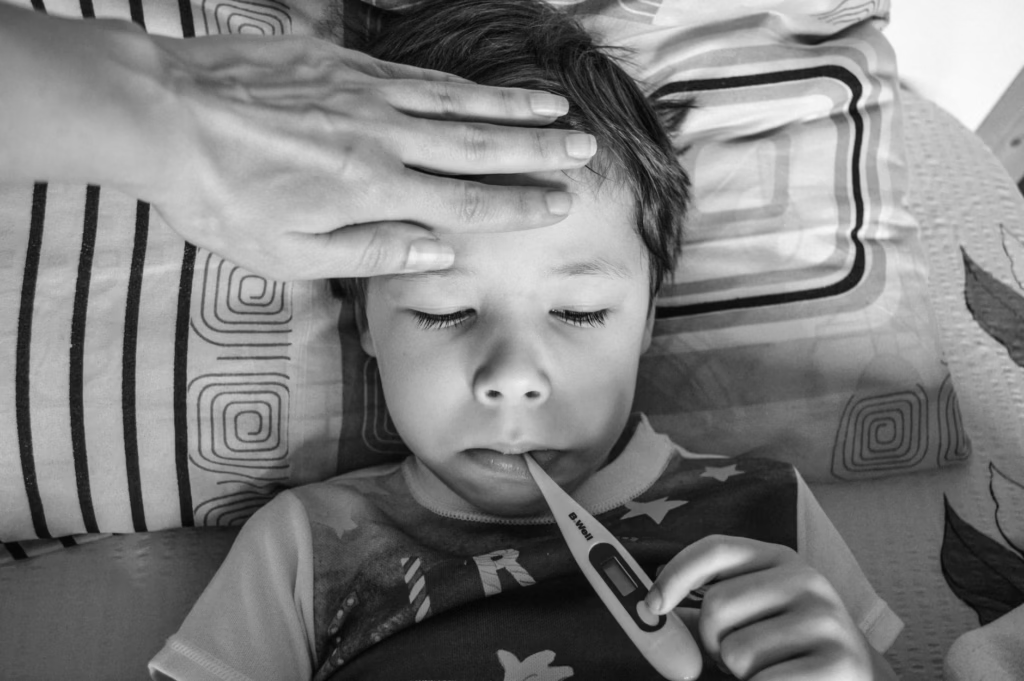
Home-Care Checklist
- Offer plenty of fluids (water, breastmilk, formula, electrolyte solutions)
- Keep room temperature comfortable and dress in light clothes
- Use children’s acetaminophen or ibuprofen (per dosing guidelines)
- Monitor temperature every 4-6 hours and note changes
Warning Signs: Head to Urgent Care
Certain fever patterns and symptoms should prompt an urgent care visit. If your child exhibits any of the following, don’t hesitate to seek professional care:
3.1 Age-Based Red Flags
- Under 3 months old: Fever of 100.4°F (38.0°C) or higher, babies this young are at higher risk of serious infection.
- 3-6 months old: Fever persists above 102°F (38.9°C) for more than 24 hours.
- Over 6 months old: Fever above 104°F (40.0°C) regardless of duration.
3.2 Duration of Fever
- More than 3 days in children of any age
- Fever returns after 24 hours of normal temperature
3.3 Accompanying Symptoms
- Dehydration: Dry mouth, no tears when crying, significantly fewer wet diapers or bathroom trips
- Difficulty Breathing: Rapid, shallow breaths or wheezing
- Unusual Lethargy or Irritability: Hard to wake, inconsolable crying, or confusing drowsiness
- Seizures: Any convulsion or shaking episode, even if brief
- Rash: Widespread red or purple spots that don’t fade when pressed
- Stiff Neck or Severe Headache: Could indicate meningitis
- Persistent Vomiting or Diarrhea: Signs of dehydration and potential severity

Preparing for an Urgent Care Visit
Being prepared saves time and ensures your child gets proper care quickly.
4.1 What to Bring
- Recent temperature log and symptom notes (when fever started, how high, what meds given)
- List of current medications, allergies, and chronic conditions
- Insurance card and identification
- Favorite comfort item: blanket or toy to ease stress
4.2 Questions to Ask the Urgent Care Provider
- What’s the likely cause of the fever?
- Should I continue or adjust fever-reducing meds?
- When should I follow up with my pediatrician?
- Are there specific warning signs to watch for after we go home?
Tips for Managing Fever at Home Safely
Between visits or when treatment isn’t yet needed, these strategies help your child feel more comfortable:

5.1 Hydration Is Key
- Offer small, frequent sips of water, diluted juice, or pediatric electrolyte solutions.
- For infants, continue regular breast- or bottle-feeding.
5.2 Medication Guidelines
- Acetaminophen: Safe for babies over 2 months. Follow dosing by weight.
- Ibuprofen: For children 6 months and older. Avoid if dehydrated or vomiting heavily.
- Never give aspirin to children, risk of Reye’s syndrome.
5.3 Comfort Measures
- Sponge Baths: Lukewarm (not cold) water can help bring down high fever.
- Light Clothing: Dress your child in breathable, lightweight layers.
- Rest: Ensure plenty of sleep and quiet activities like reading or puzzles.
Frequently Asked Questions
How often should I check my child's temperature at home?
Check the temperature every 4–6 hours while the fever persists. If you notice a rapid rise or new symptoms, check more frequently and record the readings.
When can I give my child ibuprofen instead of acetaminophen?
Ibuprofen is appropriate for children 6 months and older who are not dehydrated and can tolerate oral medication. Alternate with acetaminophen if dosing intervals are needed, but never give both at the same time.
Is it safe to use a cool compress on a feverish child?
A lukewarm, not cold, compress can help comfort a child with a high fever. Avoid ice packs or very cold water, which can cause shivering and increase core temperature.
What should I do if my child's fever breaks and then returns?
If the fever subsides and returns within 24 hours, continue monitoring, ensure adequate fluids, and note any new symptoms. Persistent or recurrent fever may warrant a follow‑up with your pediatrician or urgent care.
Conclusion
Fever in children can be worrisome, but with the right information you can confidently decide between home care and an urgent care visit. Remember: fevers are usually a sign that the body is fighting off infection, but certain ages, durations, and symptoms require prompt medical attention. Keep track of temperatures, watch for warning signs, and prepare a quick-access kit for urgent care visits. Above all, trust your parental instincts, when in doubt, seeking professional help is always the safest choice.
By staying informed and vigilant, you’ll be ready to protect your child’s health and reduce the stress that comes with fevers. If at any point you’re unsure or feel your child’s condition is worsening, don’t hesitate to head to urgent care or call your pediatrician. Your peace of mind and your child’s well-being are worth it.
For more information, see the NIH.
Was this page helpful?
Thanks for your feedback! What could we improve?
Thank you! Your feedback helps us improve our articles.
Medically reviewed by
Dr. Oluwabusola Stella OkeMedical graduate of Girne American University with a focus on patient-centred care, clinical assessment and preventive health.
True Impact Health articles are written by our editorial team and based on reliable sources such as public health agencies, clinical guidelines and peer-reviewed research. This article has been checked by a doctor on our review panel. Read our editorial process.
This content is for general information and is not a substitute for professional medical advice, diagnosis or treatment.