











Child Fever at Night Gone in Morning
Introduction Few things worry a parent more than a child who develops a sudden fever at night, then seems perfectly fine by morning. You tuck your little...
By True Impact Health Editorial Team

Medical graduate of Girne American University with a focus on patient-centred care, clinical assessment and preventive health.
Reviewed this article on October 9, 2026.
View profile How we reviewUpdated on October 9, 2026 5 min read
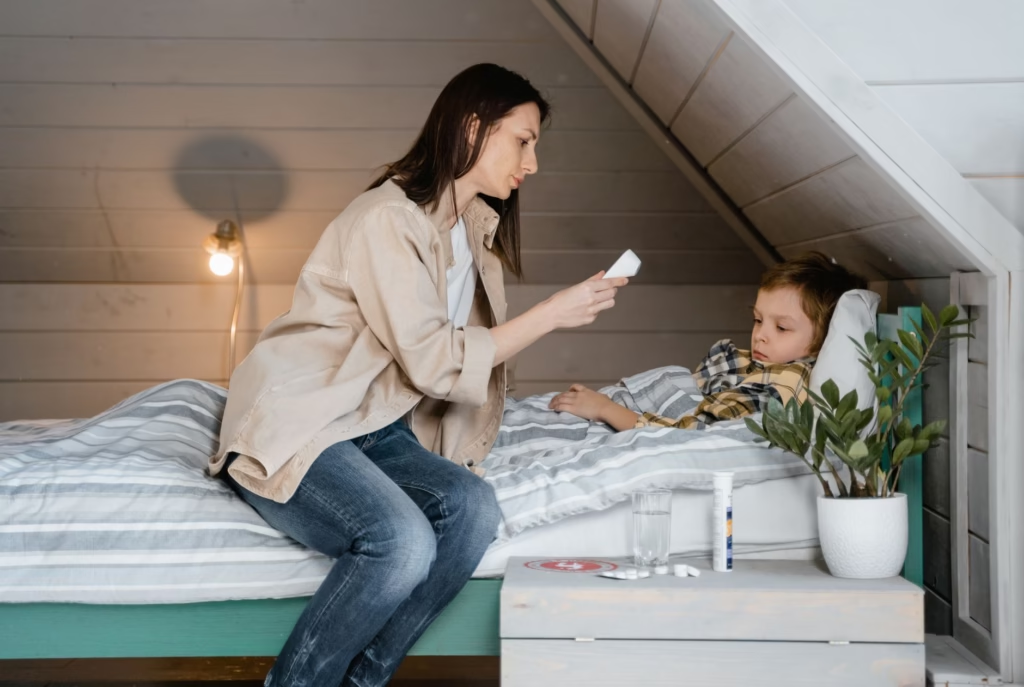
Table of Contents
Key Takeaways
- Fevers often rise at night due to lower cortisol and circadian rhythm.
- Most night‑time fevers are viral and resolve by morning.
- Safe monitoring, cool environment, hydration, and proper meds help manage nighttime fevers.
- Seek medical help for prolonged fever, high temperature, or severe symptoms.
Introduction
Few things worry a parent more than a child who develops a sudden fever at night, then seems perfectly fine by morning. You tuck your little one in, only to be roused by a hot forehead, flushed cheeks, and restless cries. By sunrise, however, the fever may have vanished, leaving you wondering: “What just happened?” In this post, we’ll explore why fevers often spike at night, what it means when they disappear by morning, how to manage night‐time fevers safely, and when to seek medical help.
Understanding Your Child’s Fever Patterns
Before we dive into causes and remedies, let’s review what a fever really is:
- Definition: A body temperature above 100.4°F (38°C) in toddlers and children
- Purpose: An immune response to infections, viruses, bacteria, or sometimes non-infectious causes
- Typical Duration: Most childhood fevers last 2-3 days; some viral illnesses peak and subside faster
Knowing this baseline helps you interpret why temperatures fluctuate during a 24-hour cycle.
Why Fevers Tend to Spike at Night
Circadian rhythms, our body’s internal clock, influence temperature regulation. Here’s why nighttime fevers feel worse:
- Lower Cortisol Levels: Cortisol, a natural anti-inflammatory hormone, dips overnight, allowing temperatures to rise.
- Reduced Distractions: In darkness, you notice discomfort, chills, or sweating more acutely.
- Increasing Nighttime Humidity: In some homes, humidity rises at night, making breathing or sweating uncomfortable.
- Bedtime Routine Disruption: A feverish child may cry or toss, creating stress that can further elevate temperature.
Common Causes of Night-Time Fevers
Although viruses are the leading cause, several triggers deserve consideration:
- Viral Infections: Cold, influenza, RSV, or gastrointestinal viruses.
- Bacterial Illnesses: Ear infections, pneumonia, urinary tract infections.
- Immunizations: Fever sometimes follows routine shots, peaking hours later, often at night.
- Teething or Inflammatory Conditions: Mild temperature elevations can occur.
Effective Night-Time Fever Management Tips
When your child’s temperature climbs in the dark, a calm, systematic approach helps both of you rest easier:
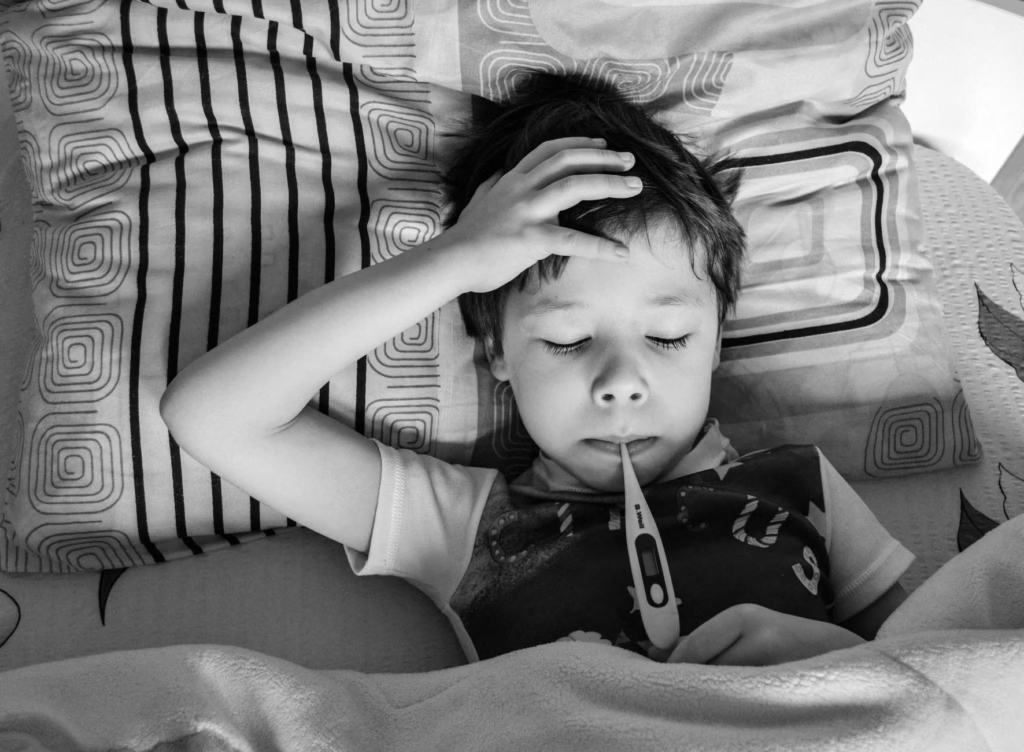
a. Monitor Safely
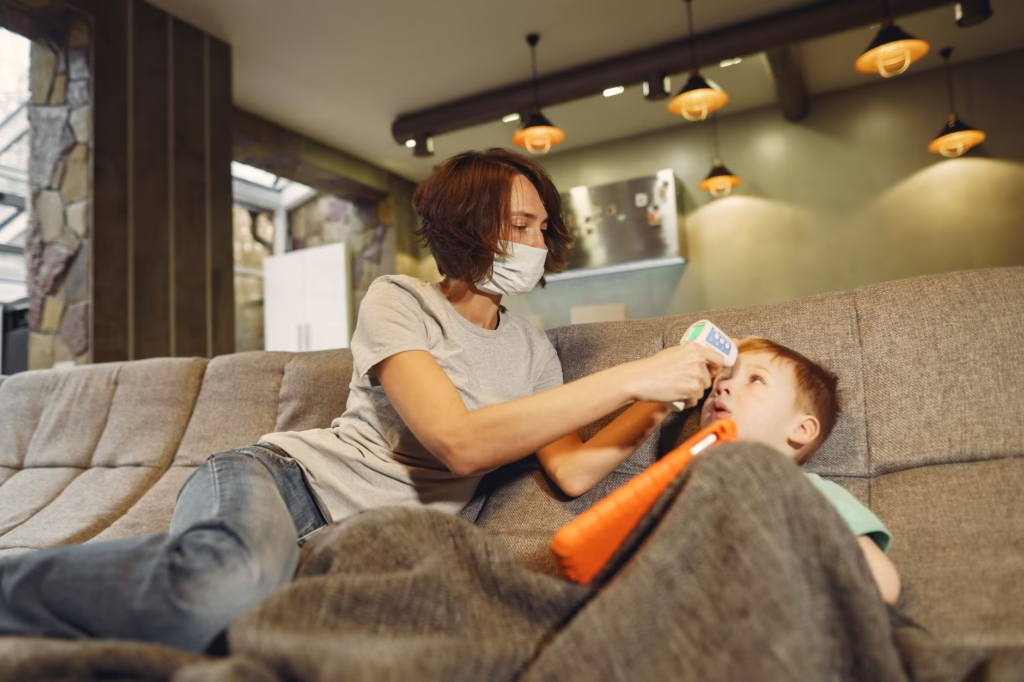
, Use a reliable digital thermometer (forehead, ear, or armpit reading).
, Record temperature and the time you measured.
b. Create a Comfortable Sleep Environment
, Light Bedding: Dress your child in thin layers or moisture-wicking pajamas.
, Room Temperature: Keep the nursery cool (around 68-72°F).
, Humidifier: A gentle mist can ease congestion and soothe irritated airways.
c. Hydration and Nutrition
, Encourage small sips of water, electrolyte solution, or diluted juice.
, Offer favorite bland snacks (crackers, toast) if appetite allows.
d. Medication Guidelines
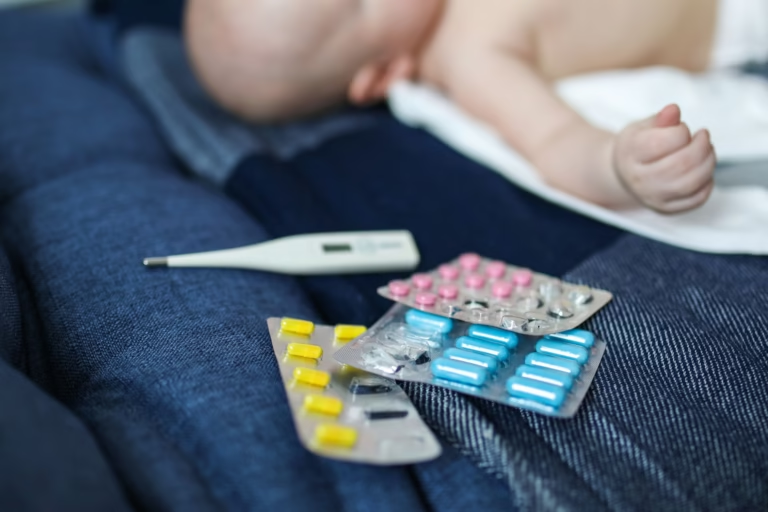
, Acetaminophen or ibuprofen (age-appropriate dosing): Follow package directions or your pediatrician’s advice.
, Alternate fever reducers every 4-6 hours only if recommended by a healthcare provider.
, Never give aspirin to children, risk of Reye’s syndrome.
e. Comfort Measures
, Lukewarm sponge bath: Gently wipe arms and legs to assist cooling.
, Cuddle and calm: A restful atmosphere helps lower stress and may modestly reduce temperature.
When Fever Subsides in the Morning: What It Means
A fever that “disappears” by morning can signal:
- Immune System Progress: The body may be effectively fighting off infection.
- Temporary Dip in Fever: Circadian lows can mask a still-present illness; watch for recurrence.
- Need for Continued Observation: Even if the morning seems clear, monitor for new symptoms, coughing, rash, irritability.
Warning Signs and When to Seek Medical Help
Most childhood fevers are harmless, but certain red flags warrant immediate attention:
- Fever lasting more than 72 hours
- Temperature above 104°F (40°C) at any time
- Lethargy or inconsolable crying
- Difficulty breathing, rapid heartbeat, or chest pain
- Stiff neck, severe headache, persistent vomiting
- Dehydration signs: dry mouth, no tears, fewer than four wet diapers in 24 hours
If you observe any of these, contact your pediatrician or head to the nearest emergency department.
Prevention Strategies to Reduce Night-Time Fevers
While you can’t eliminate all risks, you can minimize some night-time flare-ups:
- Hand Hygiene: Teach frequent handwashing to block germ spread.
- Up-to-Date Vaccinations: Shield against common bacterial and viral threats.
- Regular Bedtime Routine: Consistent sleep schedules strengthen immunity and regulate body temperature.
- Home Air Quality: Replace filters, use air purifiers, and maintain optimal humidity.
Frequently Asked Questions
Why does my child's fever feel worse at night?
At night cortisol levels drop, reducing the body’s natural anti‑inflammatory effect. With fewer distractions, you also notice chills, sweating, or discomfort more readily, making the fever seem more intense.
Can I give my child ibuprofen if they have already taken acetaminophen?
Both medicines reduce fever, but they should not be given together. Alternate them only if a pediatrician advises, spacing doses at least four to six hours and never exceeding the recommended daily limit.
How often should I check my child's temperature during a night‑time fever?
Check every two to three hours while the fever is high, then less frequently as it drops. Record the reading and time so you can track trends and share them with your doctor if needed.
What foods are best for a child with a fever?
Offer easy‑to‑digest, bland options such as crackers, toast, bananas, or applesauce. Small, frequent sips of water, diluted juice, or oral rehydration solution help maintain hydration.
Conclusion
Experiencing a child’s fever surging at night only to vanish by morning can trigger anxiety and confusion. Armed with an understanding of fever rhythms, practical management tips, and clear guidelines for when to consult a doctor, you can navigate these midnight episodes with confidence. Remember: most fevers are your child’s body doing its job. Keep the home environment calm, monitor symptoms closely, and don’t hesitate to seek medical advice if warning signs appear. With attentive care and reassurance, both you and your little one can rest easier, day and night.
Call to Action
Have you tried any night-time fever tips we didn’t mention? Share your experiences in the comments below, and don’t forget to bookmark this guide for future reference. Here’s to healthy nights and brighter mornings!
For more information, see the NIH.
Was this page helpful?
Thanks for your feedback! What could we improve?
Thank you! Your feedback helps us improve our articles.
Medically reviewed by
Dr. Oluwabusola Stella OkeMedical graduate of Girne American University with a focus on patient-centred care, clinical assessment and preventive health.
True Impact Health articles are written by our editorial team and based on reliable sources such as public health agencies, clinical guidelines and peer-reviewed research. This article has been checked by a doctor on our review panel. Read our editorial process.
This content is for general information and is not a substitute for professional medical advice, diagnosis or treatment.