











Congestive Heart Failure Clinic
Introduction Congestive heart failure (CHF) affects millions of people worldwide. While advances in medicine have improved survival rates, living well...
By True Impact Health Editorial Team

Medical graduate of Girne American University with a focus on patient-centred care, clinical assessment and preventive health.
Reviewed this article on October 9, 2026.
View profile How we reviewUpdated on October 9, 2026 3 min read

Table of Contents
Introduction
Congestive heart failure (CHF) affects millions of people worldwide. While advances in medicine have improved survival rates, living well with CHF requires more than just medications—it demands a comprehensive, multidisciplinary approach. That’s where a dedicated congestive heart failure clinic comes in. In this post, we’ll explore how these specialized clinics work, the services they offer, and how they empower patients to manage their condition and live fuller lives.
Understanding Congestive Heart Failure
Before diving into the clinic setting, let’s clarify what CHF entails:
- Definition: A chronic condition in which the heart can’t pump blood efficiently, leading to fluid buildup in the lungs, legs, and other tissues.
- Common Causes: Coronary artery disease, high blood pressure, cardiomyopathy, valvular heart disease.
- Key Symptoms: Shortness of breath, fatigue, rapid weight gain (fluid retention), swelling in the lower extremities.
- Impact on Quality of Life: Reduced exercise tolerance, frequent hospitalizations, emotional stress.
The Role of a Congestive Heart Failure Clinic
A congestive heart failure clinic is a specialized outpatient program designed to:
- Coordinate care among cardiologists, nurses, dietitians, pharmacists, and other specialists.
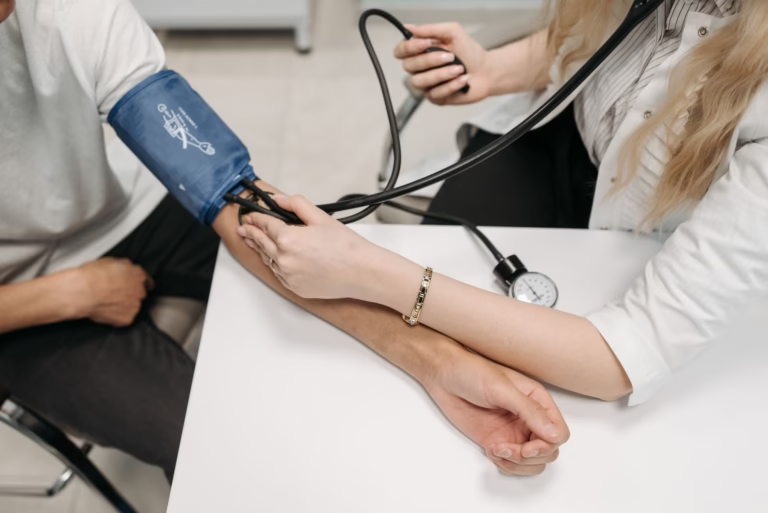
- Monitor patients closely for changes in symptoms or lab values.
- Educate patients on self-management strategies and lifestyle modifications.
- Adjust treatment plans quickly to prevent hospital readmissions.
Key Services Offered
Most CHF clinics provide a suite of integrated services:
A. Comprehensive Evaluation
– Detailed medical history review
– Physical exam with focus on heart and lung function
– Diagnostic tests (echocardiogram, BNP blood tests, ECG)
B. Personalized Treatment Plans
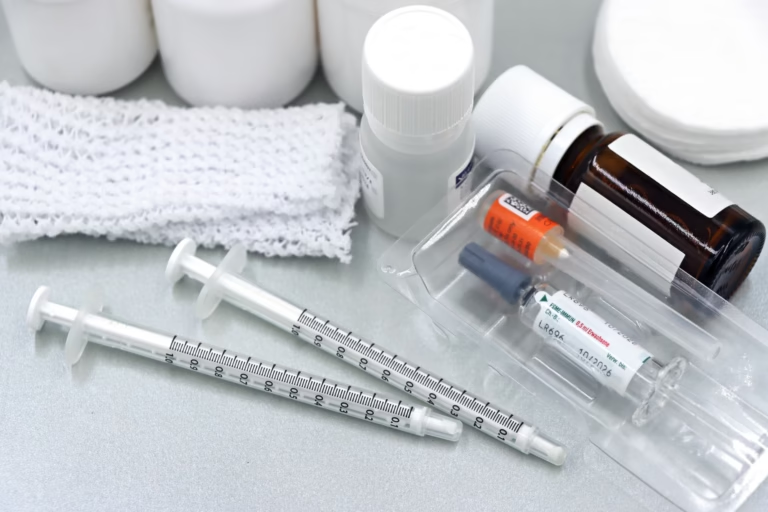
– Evidence-based medication regimens (ACE inhibitors, beta blockers, diuretics)
– Tailored fluid and sodium restrictions
– Recommendations for comorbidity management (diabetes, COPD)
C. Medication Management
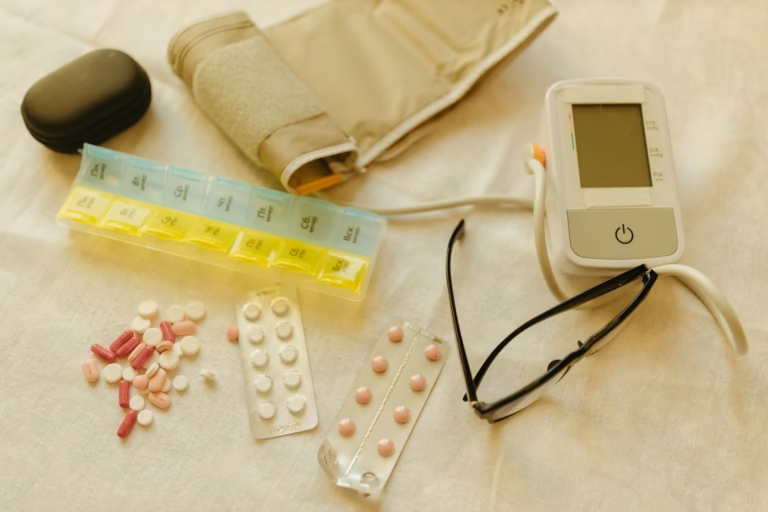
– Regular medication reconciliation and dose adjustments
– Education on side effects and drug interactions
– Prescription refill coordination
D. Lifestyle Modification Support
– Nutritional counseling for heart-healthy diets
– Supervised exercise or cardiac rehabilitation referrals
– Stress reduction techniques (mindfulness, relaxation exercises)
E. Patient Education and Self-Management
– Recognizing red-flag symptoms (sudden weight gain, worsening breathlessness)
– Self-monitoring tools (daily weights, symptom diaries)
– Personalized action plans for “what to do” when symptoms flare
F. Telemonitoring and Follow-Up
– Remote data collection (blood pressure, heart rate, fluid status)
– Regular phone or video check-ins
– Early intervention to prevent emergency visits
Benefits of Attending a CHF Clinic
Patients enrolled in a congestive heart failure clinic often experience:
- Fewer hospital readmissions—studies show up to a 30–40% reduction.
- Improved symptom control and exercise capacity.
- Enhanced medication adherence.
- Better quality of life and mental health support.
- Access to the latest clinical trials and therapies.
Choosing the Right Congestive Heart Failure Clinic
Consider these factors when selecting a CHF clinic:
- Multidisciplinary team composition (cardiologist, nurse specialists, dietitian, pharmacist).
- Clinic accreditation or affiliation with reputable heart centers.
- Availability of remote monitoring technology.
- Patient-to-provider ratio for timely follow-up.
- Support services (social work, financial counseling, mental health care).
What to Expect at Your First Visit
Your initial clinic appointment may include:
- A thorough intake interview covering medical history, current medications, and lifestyle.
- Baseline tests (blood work, electrocardiogram, imaging studies).
- Goal setting—short-term (symptom relief) and long-term (improved functional status).
- A detailed discussion of your personalized treatment plan.
- Scheduling of follow-up visits or telehealth sessions.
Tips for Patients to Maximize Their Clinic Experience
- Keep a daily log of weight, blood pressure, and symptoms.
- Bring a complete list of medications (including over-the-counter drugs).
- Prepare questions in advance—no concern is too small.
- Enlist a family member or friend to attend visits for added support.
- Stay engaged: attend workshops, support groups, and educational sessions.
Conclusion
A congestive heart failure clinic is more than a medical appointment—it’s a collaborative partnership geared toward improving your heart health, reducing hospitalizations, and enhancing your day-to-day living. By offering comprehensive evaluations, personalized treatment plans, and ongoing support, these clinics empower patients to take control of their condition. If you or a loved one is living with CHF, consider exploring a specialized CHF clinic near you. Better heart management starts with the right team and resources—take the first step today.
For more information, see the CDC.
Was this page helpful?
Thanks for your feedback! What could we improve?
Thank you! Your feedback helps us improve our articles.
Medically reviewed by
Dr. Oluwabusola Stella OkeMedical graduate of Girne American University with a focus on patient-centred care, clinical assessment and preventive health.
True Impact Health articles are written by our editorial team and based on reliable sources such as public health agencies, clinical guidelines and peer-reviewed research. This article has been checked by a doctor on our review panel. Read our editorial process.
This content is for general information and is not a substitute for professional medical advice, diagnosis or treatment.