










Health A–Z guide
Sinus Infection
Sinus Infection: Causes, Symptoms, Diagnosis, and Treatment
Sinus infections are a common health concern affecting millions of people each year. Often mistaken for a prolonged cold or seasonal allergies, a sinus infection can cause persistent discomfort, facial…
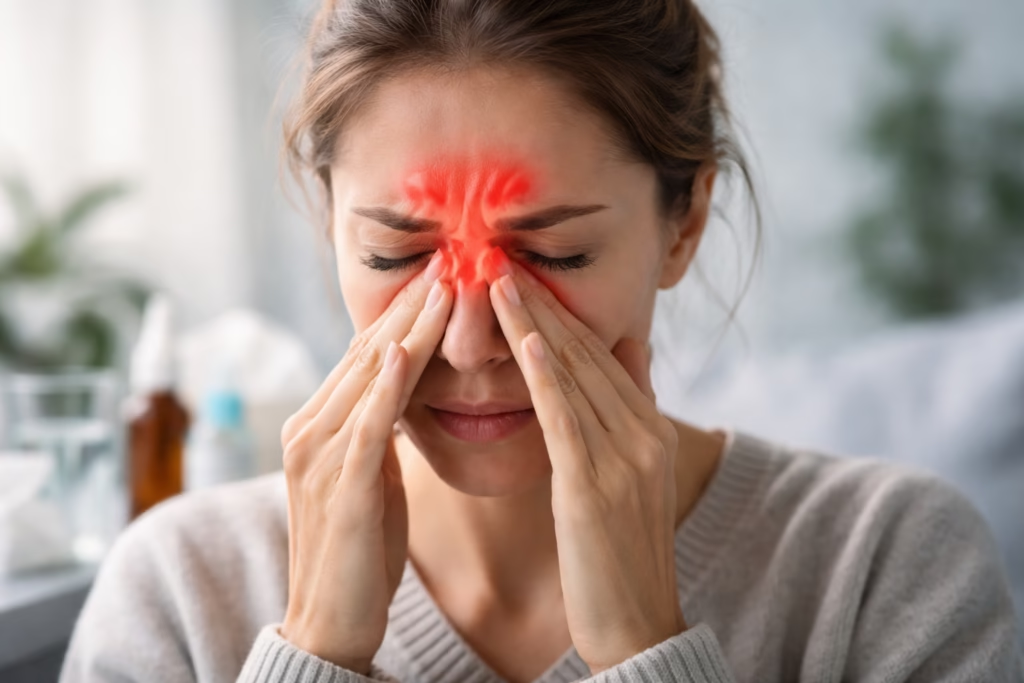
Table of Contents

Sinus infections are a common health concern affecting millions of people each year. Often mistaken for a prolonged cold or seasonal allergies, a sinus infection can cause persistent discomfort, facial pain, and difficulty breathing. Understanding what a sinus infection is, and how it develops, can help individuals seek appropriate care and recover more quickly.
In this comprehensive guide, we’ll explore the causes, symptoms, diagnosis, treatment options, and prevention strategies for sinus infections in clear and accessible terms.
Overview: What Is a Sinus Infection?
A sinus infection, medically known as sinusitis, occurs when the tissue lining the sinuses becomes inflamed or swollen. The sinuses are air-filled cavities located behind the forehead, cheeks, and eyes. Under normal conditions, these spaces produce mucus that drains into the nose.
When inflammation blocks proper drainage, mucus can build up, creating an environment where viruses, bacteria, or fungi may grow, leading to infection.
Types of Sinusitis
Sinusitis is classified based on duration:
- Acute sinusitis – Lasts less than 4 weeks (most common)
- Subacute sinusitis – Lasts 4 to 12 weeks
- Chronic sinusitis – Persists for more than 12 weeks
- Recurrent sinusitis – Multiple episodes per year with symptom resolution in between
Causes and Risk Factors
Sinus infections often develop after a cold but can result from several contributing factors.
Common Causes
- Viral infections (most common cause, especially following a cold)
- Bacterial infections
- Allergies (allergic rhinitis)
- Fungal infections (rare, more common in immunocompromised individuals)
Risk Factors
Several factors increase the likelihood of developing sinusitis:
- Frequent upper respiratory infections
- Seasonal allergies
- Nasal polyps (growths inside the nasal passages)
- Deviated nasal septum
- Smoking or exposure to secondhand smoke
- Weakened immune system
- Asthma
- Environmental irritants (pollution, dust)
Understanding risk factors can help reduce the frequency of infection and improve overall sinus health.
Symptoms and Clinical Presentation
Symptoms of sinus infection vary depending on severity and duration but often include:
Common Symptoms
- Nasal congestion or blockage
- Thick yellow or green nasal discharge
- Facial pain or pressure (especially around the cheeks, forehead, or eyes)
- Reduced sense of smell
- Headache
- Postnasal drip (mucus draining into the throat)
- Cough (often worse at night)
- Fatigue
Additional Symptoms
- Fever (more common in bacterial infections)
- Bad breath
- Ear pressure or fullness
- Tooth pain (especially upper teeth)
In acute viral sinusitis, symptoms often improve within 7–10 days. If symptoms worsen after initial improvement or last longer than 10 days without relief, a bacterial infection may be considered.
Diagnosis and Screening
Most sinus infections are diagnosed based on medical history and physical examination.
Clinical Evaluation May Include:
- Discussion of symptoms and their duration
- Examination of nasal passages using a lighted instrument
- Checking for facial tenderness or swelling
Additional Testing (in specific cases)
- Nasal endoscopy: A thin, flexible tube with a camera inserted into the nose
- CT scan: Used in chronic or recurrent cases to evaluate sinus anatomy
- Allergy testing: If allergies are suspected
- Nasal cultures: Rarely needed but may help identify unusual infections
Routine imaging is generally not required for uncomplicated acute sinusitis.
Treatment and Management Options
Treatment depends on the cause and severity of the infection.
1. Viral Sinusitis
Most sinus infections are viral and improve without antibiotics.
Supportive care includes:
- Saline nasal sprays or rinses
- Steam inhalation or humidifiers
- Adequate hydration
- Rest
- Over-the-counter pain relievers (such as acetaminophen or ibuprofen)
- Short-term use of decongestants (when appropriate)
Symptoms typically improve within 7–10 days.
2. Bacterial Sinusitis
If symptoms are severe, persistent (more than 10 days), or worsening, a healthcare provider may consider antibiotics.
Antibiotics are prescribed carefully because:
- Many infections are viral
- Overuse contributes to antibiotic resistance
The decision to treat with antibiotics depends on clinical guidelines and symptom patterns.
3. Chronic Sinusitis
Management may include:
- Intranasal corticosteroid sprays
- Saline irrigation
- Allergy management
- Evaluation for structural issues
- In some cases, endoscopic sinus surgery
Surgery is typically reserved for patients who do not respond to medical treatment.
Prevention and Lifestyle Considerations
While not all sinus infections can be prevented, certain measures may reduce risk.
Practical Prevention Tips
- Wash hands frequently
- Avoid close contact with individuals who have colds
- Manage allergies effectively
- Avoid smoking and secondhand smoke
- Use a humidifier in dry environments
- Stay hydrated to keep mucus thin
- Keep vaccinations up to date (e.g., flu vaccine)
For individuals with recurrent sinusitis, addressing underlying conditions such as allergies or structural nasal issues is important.
When to Seek Medical Attention
While most sinus infections resolve on their own, prompt medical evaluation is recommended if you experience:
- High fever (above 102°F or 39°C)
- Severe facial pain or swelling
- Vision changes
- Stiff neck
- Symptoms lasting more than 10 days without improvement
- Repeated sinus infections
These could indicate complications or a bacterial infection requiring targeted treatment.
Conclusion
Sinus infections are common but often manageable conditions characterized by inflammation and mucus buildup in the sinuses. While most cases are caused by viruses and resolve with supportive care, bacterial and chronic forms may require medical treatment.
Understanding the symptoms, risk factors, and treatment options empowers individuals to make informed healthcare decisions. Preventive steps, such as managing allergies, avoiding irritants, and practicing good hygiene, can help reduce recurrence.
Disclaimer
This article is intended for educational purposes only and does not replace professional medical advice, diagnosis, or treatment. If you experience persistent, severe, or concerning symptoms, please consult a qualified healthcare professional for proper evaluation and care.
Was this page helpful?
Thanks for your feedback! What could we improve?
Thank you! Your feedback helps us improve our guides.
Our Health A–Z guides are written by the True Impact Health Editorial Team and based on reliable sources such as public health agencies, clinical guidelines and peer-reviewed research. This guide has not yet been medically reviewed. Read our editorial process.
This content is for general information and is not a substitute for professional medical advice, diagnosis or treatment.