












Intracranial Hypertension Specialists
Introduction Intracranial hypertension (IH), sometimes called pseudotumor cerebri, is a condition characterized by elevated pressure inside the skull....

Table of Contents
Key Takeaways
- Intracranial hypertension raises skull pressure, risking vision loss and chronic headaches.
- Diagnosis requires detailed history, eye exam, imaging, and lumbar puncture.
- Specialists tailor medical, lifestyle, and surgical treatments for each patient.
- Choosing a specialist involves credentials, multidisciplinary support, reviews, and insurance fit.
Introduction
Intracranial hypertension (IH), sometimes called pseudotumor cerebri, is a condition characterized by elevated pressure inside the skull. Left untreated, it can lead to vision loss, chronic headaches, and a significant decline in quality of life. Finding the right intracranial hypertension specialist is crucial for accurate diagnosis, effective treatment, and long-term management. In this post, we’ll explore what intracranial hypertension entails, why specialists matter, how they diagnose and treat the condition, and tips for selecting the best expert for your needs.
What Is Intracranial Hypertension?
Intracranial hypertension occurs when cerebrospinal fluid (CSF) pressure rises beyond normal levels (typically above 20 cm H2O). Because the skull is a rigid structure, excess pressure can compress brain tissue and the optic nerves, leading to a range of neurological symptoms. There are two main types:
- Primary (Idiopathic) Intracranial Hypertension: No identifiable cause.
- Secondary Intracranial Hypertension: Triggered by factors such as trauma, tumors, medications, or infections.
Common Signs and Symptoms
Recognizing the warning signs of IH is the first step toward seeking expert care. Key symptoms include:
- Persistent headaches, often worse when lying down or bending over
- Transient visual obscurations (brief episodes of blurred or “graying out” vision)
- Tinnitus or whooshing noises in the ears
- Nausea, vomiting, or dizziness
- Papilledema (swelling of the optic disc) on eye exam
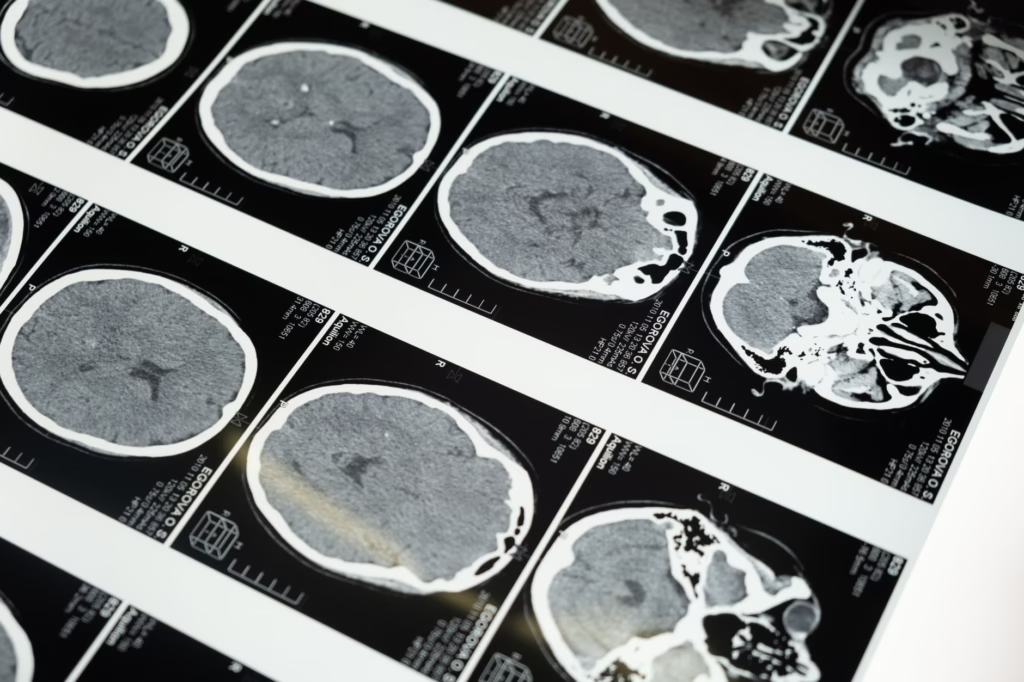
Why You Need an Intracranial Hypertension Specialist
General practitioners and even neurologists may manage headache disorders, but IH often demands a higher level of expertise. An intracranial hypertension specialist typically is a neurologist, neuro-ophthalmologist, or neurosurgeon with focused training in disorders of cerebrospinal fluid dynamics and skull pressure regulation. Their advantages include:
- Accurate Differential Diagnosis: Ruling out brain tumors, venous sinus thrombosis, or other mimicking conditions.
- Advanced Diagnostic Tools: Expertise with lumbar puncture, MR venography, optical coherence tomography (OCT), and intracranial pressure monitoring.
- Personalized Treatment Plans: Tailored approaches that balance lifestyle modifications, medications, and surgical options.
- Multidisciplinary Collaboration: Coordinating care with ophthalmologists, dietitians, pain specialists, and physical therapists.
Diagnostic Process: What to Expect
Medical History and Physical Exam
, Detailed headache history: onset, duration, triggers
, Neurological assessment: reflexes, balance, cranial nerve function
, Fundoscopy to detect papilledema
, Visual field testing for peripheral vision loss
, MRI with MR venography to look for structural lesions or venous sinus narrowing
, CT scan when MRI is contraindicated
, Measurement of opening pressure
, Analysis of cerebrospinal fluid for infection, inflammation, or malignancy
, Invasive monitoring for complex or refractory cases

Treatment Options and Specialist Roles
A specialist’s role is to tailor treatment based on severity, patient goals, and overall health. Common strategies include:
- Lifestyle and Dietary Changes
, Weight loss and low-sodium diet for overweight patients
, Regular exercise and hydration management
- Medications
, Acetazolamide or topiramate to reduce CSF production
, Diuretics, such as furosemide, for fluid balance
- Surgical Interventions
, Optic nerve sheath fenestration to relieve pressure on the optic nerves
, CSF shunting (ventriculoperitoneal or lumbo-peritoneal shunts) to divert excess fluid
, Venous sinus stenting for patients with transverse sinus stenosis
- Adjunctive Therapies
, Pain management through neurologist-led protocols
, Vision rehabilitation with a low-vision specialist
Choosing the Right Intracranial Hypertension Specialist
Finding the ideal specialist involves research, referrals, and personal comfort. Consider the following:
- Credentials and Experience
, Board certification in neurology, neuro-ophthalmology, or neurosurgery
, Years of experience specifically managing IH cases
- Multidisciplinary Team Access
, On-site or affiliated ophthalmology, neurosurgery, radiology, and rehabilitation services
- Patient Reviews and Outcomes
, Success rates for vision preservation and headache relief
, Testimonials regarding communication, empathy, and follow-up care
- Insurance and Accessibility
, In-network providers, telemedicine options, and convenient clinic locations

Tips for a Productive First Visit
- Prepare a detailed symptom diary, including headache frequency and severity.
- Bring past imaging reports, test results, and medication list.
- Draft questions about diagnosis steps, treatment options, and potential side effects.
- Discuss long-term follow-up plans and when to seek urgent care.
Frequently Asked Questions
Can weight loss improve intracranial hypertension?
Yes, modest weight reduction can lower intracranial pressure and often reduces headache frequency, especially in primary cases.
Are there non‑surgical options to protect vision?
Medications such as acetazolamide or topiramate, combined with regular eye monitoring and lifestyle changes, can help preserve vision without surgery.
How often should follow‑up appointments be scheduled?
Initially most patients are seen every 3–6 months; the interval is adjusted based on symptom control and imaging results.
Is it safe to travel by airplane with intracranial hypertension?
Air travel can temporarily raise intracranial pressure; discuss precautions with your specialist, stay hydrated, and consider a pre‑flight evaluation if symptoms are unstable.
Conclusion
Intracranial hypertension is a complex neurological condition that can stealthily erode vision and well-being. Partnering with a dedicated intracranial hypertension specialist not only increases the accuracy of diagnosis but also opens the door to cutting-edge treatments and personalized management strategies. By understanding the diagnostic process, exploring treatment options, and choosing the right expert, patients can regain control, alleviate symptoms, and protect their sight. If you suspect you have IH or have been struggling with unexplained headaches and visual changes, don’t wait. Reach out to a qualified specialist today for a comprehensive evaluation and a path toward better health.
For more information, see the MedlinePlus.
Was this page helpful?
Thanks for your feedback! What could we improve?
Thank you! Your feedback helps us improve our articles.
True Impact Health articles are written by our editorial team and based on reliable sources such as public health agencies, clinical guidelines and peer-reviewed research. This article has not yet been medically reviewed. Read our editorial process.
This content is for general information and is not a substitute for professional medical advice, diagnosis or treatment.