









Health A–Z guide
Cancer
Cancer: An Overview for Understanding, Awareness, and Prevention
Cancer is a term that encompasses a wide range of diseases that can affect almost any part of the body. While the word itself can feel overwhelming, understanding what cancer…
Table of Contents
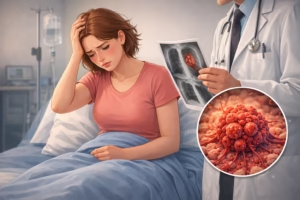
Cancer is a term that encompasses a wide range of diseases that can affect almost any part of the body. While the word itself can feel overwhelming, understanding what cancer is, how it develops, and how it is managed is an important step toward informed decision-making and compassionate awareness. This article provides a clear, evidence-based overview of cancer using accessible language, while maintaining medical accuracy.
Overview / Definition
Cancer is a group of diseases characterized by the uncontrolled growth and spread of abnormal cells. Under normal circumstances, the body regulates cell growth through tightly controlled processes of cell division and cell death. In cancer, these controls break down, allowing cells to multiply unchecked and potentially invade nearby tissues or spread (metastasize) to distant parts of the body.
There are more than 100 types of cancer, often named according to the organ or tissue in which they originate (such as lung cancer, breast cancer, or colon cancer), or by the type of cell involved (such as leukemia or lymphoma).
Causes or Risk Factors
Cancer usually develops as a result of a combination of genetic changes and environmental or lifestyle factors over time. Not all cancers have a single identifiable cause, but several well-established risk factors have been identified.
Common risk factors include:
- Genetic factors
- Inherited mutations (e.g., BRCA1/BRCA2 mutations and breast cancer)
- Lifestyle factors
- Tobacco use
- Excessive alcohol consumption
- Poor diet and physical inactivity
- Environmental exposures
- Ultraviolet (UV) radiation
- Ionizing radiation
- Certain chemicals or pollutants
- Infections
- Human papillomavirus (HPV)
- Hepatitis B and C viruses
- Helicobacter pylori
- Age
- Cancer risk generally increases with age due to cumulative cellular damage
Having one or more risk factors does not mean a person will develop cancer, and some people develop cancer with no known risk factors.
Symptoms or Clinical Presentation
Cancer symptoms vary widely depending on the type, location, and stage of the disease. Early-stage cancers may cause few or no noticeable symptoms, which is why screening can be critical.
Possible warning signs include:
- Unexplained weight loss
- Persistent fatigue
- Pain that does not go away
- Changes in skin, such as new or changing moles
- Lumps or thickened areas in the body
- Changes in bowel or bladder habits
- Persistent cough or difficulty swallowing
- Unusual bleeding or discharge
These symptoms are not specific to cancer and can be caused by many non-cancerous conditions. However, persistent or unexplained symptoms should prompt medical evaluation.
Diagnosis or Screening
Cancer diagnosis typically involves multiple steps, combining clinical evaluation with diagnostic testing.
Common diagnostic approaches include:
- Screening tests
- Mammography, Pap tests, colonoscopy, and low-dose CT scans for specific populations
- Imaging studies
- X-rays, CT scans, MRI, ultrasound, or PET scans
- Laboratory tests
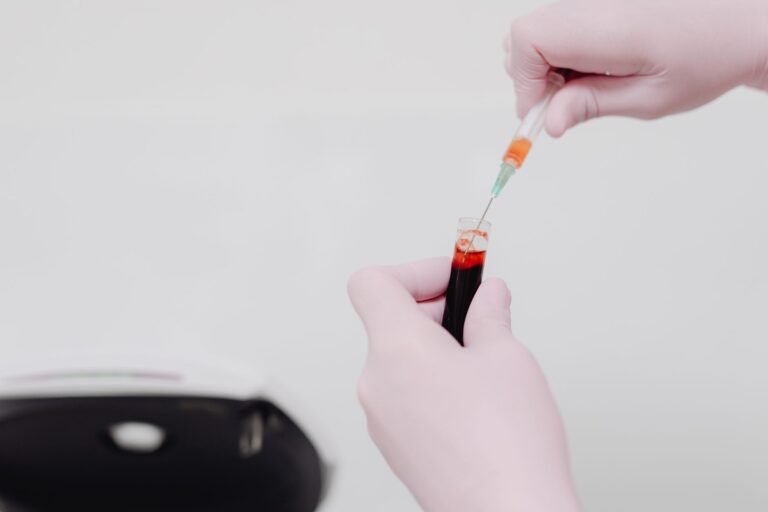
- Blood tests or tumor markers (used selectively)
- Biopsy
- Removal and examination of tissue under a microscope, often required for confirmation
Early detection through appropriate screening can improve outcomes for several types of cancer by identifying disease before symptoms develop.
Treatment or Management Options
Cancer treatment depends on the type of cancer, its stage, molecular characteristics, and the overall health of the patient. Management often involves a multidisciplinary healthcare team.
Common treatment modalities include:
- Surgery
- Removal of tumors or affected tissues
- Radiation therapy
- Use of high-energy radiation to destroy cancer cells
- Chemotherapy
- Medications that target rapidly dividing cells
- Targeted therapy
- Drugs that specifically attack cancer-related molecular pathways
- Immunotherapy
- Treatments that enhance the immune system’s ability to fight cancer
- Hormone therapy
- Used for hormone-sensitive cancers such as some breast and prostate cancers
Supportive care, including pain management and psychosocial support, is an essential part of cancer care at all stages.
Prevention or Lifestyle Considerations
While not all cancers are preventable, many steps can reduce overall risk and support general health.
Evidence-based prevention strategies include:
- Avoiding tobacco in all forms
- Limiting alcohol intake
- Maintaining a balanced diet rich in fruits, vegetables, and whole grains
- Engaging in regular physical activity
- Protecting skin from excessive sun exposure
- Receiving recommended vaccinations (e.g., HPV, hepatitis B)
- Participating in age- and risk-appropriate cancer screening programs
Conclusion
Cancer is a complex group of diseases with diverse causes, presentations, and treatment options. Advances in research have led to improved detection methods, more targeted therapies, and better outcomes for many individuals. Understanding the basics of cancer—its risk factors, symptoms, diagnostic approaches, and prevention strategies—can empower individuals and communities to engage in informed health discussions and preventive care.
Important Disclaimer:
This article is intended for educational purposes only and does not provide personalized medical advice. If you have concerns about cancer symptoms, risk factors, or screening, please consult a qualified healthcare professional for individualized evaluation and guidance.
Was this page helpful?
Thanks for your feedback! What could we improve?
Thank you! Your feedback helps us improve our guides.
Our Health A–Z guides are written by the True Impact Health Editorial Team and based on reliable sources such as public health agencies, clinical guidelines and peer-reviewed research. This guide has not yet been medically reviewed. Read our editorial process.
This content is for general information and is not a substitute for professional medical advice, diagnosis or treatment.