
















Health A–Z guide
Bunions
Bunions: Understanding a Common Foot Deformity
Bunions are a frequent cause of foot pain and discomfort, affecting millions of people worldwide. Although often dismissed as a minor nuisance, bunions can...
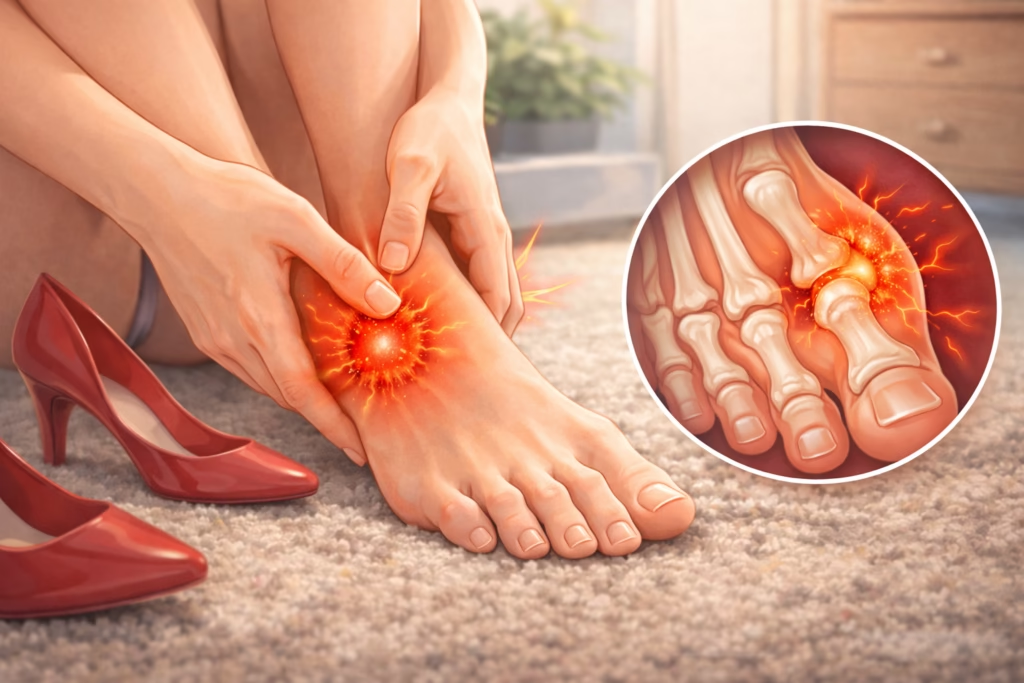
Table of Contents
Bunions are a frequent cause of foot pain and discomfort, affecting millions of people worldwide. Although often dismissed as a minor nuisance, bunions can progressively worsen and significantly impact mobility and quality of life. Understanding what bunions are, why they develop, and how they are managed can help individuals recognize symptoms early and seek appropriate care.
Overview / Definition
A bunion, medically known as hallux valgus, is a bony prominence that forms at the base of the big toe. It occurs when the first metatarsophalangeal (MTP) joint becomes misaligned, causing the big toe to angle inward toward the other toes while the joint at its base protrudes outward.
Over time, this misalignment can worsen, leading to chronic pain, inflammation, and difficulty wearing shoes or walking comfortably.
Causes or Risk Factors
Bunions typically develop due to a combination of structural, genetic, and environmental factors rather than a single cause. Common contributors include:
- Genetic predisposition: Inherited foot structure or biomechanics
- Footwear choices: Tight, narrow, or high-heeled shoes that crowd the toes
- Abnormal foot mechanics: Flat feet, excessive pronation, or ligament laxity
- Medical conditions:
- Arthritis (especially rheumatoid arthritis)
- Neuromuscular conditions affecting muscle balance
- Occupational or activity-related stress: Prolonged standing or pressure on the forefoot
Women are affected more often than men, likely due in part to footwear styles and differences in foot anatomy.
Symptoms or Clinical Presentation
The progression and severity of bunions can vary widely. Common signs and symptoms include:
- A visible bump on the side of the big toe joint
- Pain or tenderness, especially with pressure or movement
- Redness, swelling, or inflammation around the joint
- Restricted movement of the big toe
- Calluses or corns where the toes rub together
- Changes in walking pattern due to discomfort
As bunions worsen, secondary issues such as hammertoes, bursitis, or metatarsalgia may develop.
Diagnosis or Screening
Diagnosis is primarily clinical and based on a physical examination of the foot. A healthcare professional may assess:
- Toe alignment and joint mobility
- Areas of pain, swelling, or skin changes
- Gait and overall foot mechanics
Imaging studies, such as foot X-rays, are often used to:
- Confirm the diagnosis
- Measure the degree of deformity
- Evaluate joint damage or arthritis
- Guide treatment planning, particularly if surgery is being considered
Treatment or Management Options
Treatment focuses on relieving symptoms and preventing progression. The approach depends on the severity of the bunion and the individual’s level of discomfort.
Non-Surgical Management
Often the first line of treatment, especially for mild to moderate bunions:
- Wearing wide, supportive shoes with a roomy toe box
- Using padding or bunion shields to reduce pressure
- Orthotic devices to improve foot alignment
- Anti-inflammatory medications for pain and swelling
- Ice application to reduce inflammation
- Activity modification if symptoms are aggravated by certain movements
Surgical Options
Surgery may be considered when conservative measures fail to relieve pain or when deformity significantly affects daily activities. Surgical procedures vary and may involve:
- Realigning bones
- Correcting soft tissue imbalances
- Removing bony prominences
Surgery is typically elective and tailored to the individual’s anatomy and symptoms.
Prevention or Lifestyle Considerations
While not all bunions can be prevented, certain strategies may help reduce risk or slow progression:
- Choose shoes that fit well and allow natural toe alignment
- Avoid prolonged use of high heels or narrow shoes
- Maintain a healthy body weight to reduce foot stress
- Use supportive footwear during prolonged standing or activity
- Address foot pain early rather than ignoring symptoms
Early attention can play a key role in minimizing long-term complications.
Conclusion
Bunions are a common and often progressive foot condition characterized by misalignment of the big toe joint. Although genetics play a significant role, footwear choices and foot mechanics can influence both their development and severity. Early recognition, appropriate footwear, and conservative management can help alleviate symptoms and slow progression, while surgical options remain available for more advanced cases.
Medical Disclaimer
This article is intended for educational purposes only and does not constitute medical advice. Individuals experiencing foot pain or deformity should consult a qualified healthcare professional, such as a physician or podiatrist, for proper evaluation and guidance.
Was this page helpful?
Thanks for your feedback! What could we improve?
Thank you! Your feedback helps us improve our guides.
Our Health A–Z guides are written by the True Impact Health Editorial Team and based on reliable sources such as public health agencies, clinical guidelines and peer-reviewed research. This guide has not yet been medically reviewed. Read our editorial process.
This content is for general information and is not a substitute for professional medical advice, diagnosis or treatment.