















Health A–Z guide
Bradycardia
Bradycardia: Understanding a Slow Heart Rate
A healthy heart beats in a steady, rhythmic pattern, speeding up during activity and slowing down during rest. But what happens when the heart beats too...
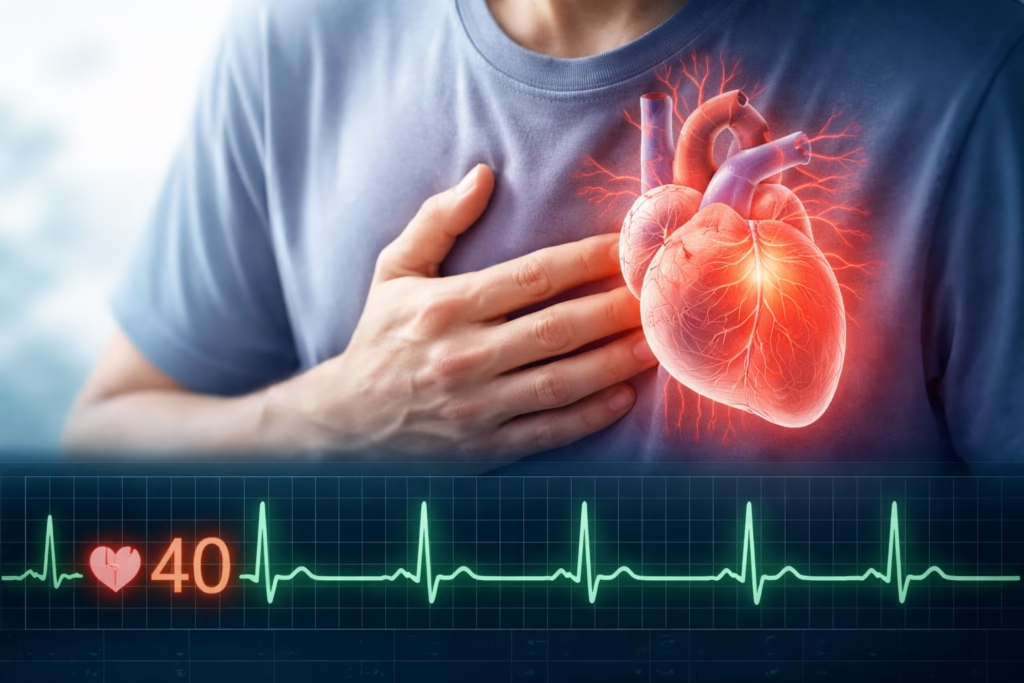
Table of Contents
A healthy heart beats in a steady, rhythmic pattern, speeding up during activity and slowing down during rest. But what happens when the heart beats too slowly? This condition, known as bradycardia, can be harmless in some people and a sign of a serious medical problem in others. Understanding its causes, symptoms, and management can help individuals recognize when a slow heart rate is normal and when it may require medical attention.
Overview / Definition
Bradycardia is a medical term used to describe a heart rate that is slower than normal. In adults, it is generally defined as a resting heart rate of fewer than 60 beats per minute (bpm).
It is important to note that a slow heart rate is not always unhealthy. For example:
- Well-trained athletes often have resting heart rates below 60 bpm
- Heart rate naturally slows during sleep
- Some people have no symptoms despite a low heart rate
Bradycardia becomes a concern when it does not meet the body’s needs, leading to inadequate blood flow to vital organs.
Causes or Risk Factors
Bradycardia can arise from a variety of underlying conditions or influences. Common causes and risk factors include:
Heart-Related Causes
- Problems with the heart’s electrical system
- Sick sinus syndrome (a malfunction of the heart’s natural pacemaker)
- Heart block, where electrical signals are delayed or blocked
- Damage from heart disease or heart attacks
Non-Cardiac Causes
- Aging-related degeneration of heart tissue
- Medications, such as:
- Beta-blockers
- Certain calcium channel blockers
- Antiarrhythmic drugs
- Electrolyte imbalances, such as abnormal potassium levels
- Hypothyroidism (low thyroid hormone levels)
- Infections affecting the heart
- Sleep apnea
Symptoms or Clinical Presentation
Some individuals with bradycardia experience no symptoms, while others may develop noticeable and sometimes serious effects. Symptoms may include:
- Fatigue or low energy
- Dizziness or lightheadedness
- Shortness of breath
- Chest discomfort
- Confusion or difficulty concentrating
- Fainting or near-fainting episodes (syncope)
- Reduced exercise tolerance
Symptoms often appear when the heart rate becomes too slow to pump sufficient oxygen-rich blood to the brain and body.
Diagnosis or Screening
Bradycardia is typically identified during a routine physical examination or while evaluating symptoms. Diagnostic tools may include:
- Pulse and blood pressure measurement
- Electrocardiogram (ECG or EKG) to assess heart rhythm
- Holter monitor or event monitor to track heart rate over time
- Blood tests to check for thyroid disorders or electrolyte imbalances
- Stress testing to evaluate how the heart responds to exercise
- Sleep studies if sleep apnea is suspected
Accurate diagnosis focuses not only on heart rate but also on whether the slow rhythm is causing symptoms or underlying complications.
Treatment or Management Options
Treatment for bradycardia depends on its cause, severity, and associated symptoms. In some cases, no treatment is required. When intervention is necessary, options may include:
Medical Management
- Adjusting or discontinuing medications that slow heart rate
- Treating underlying conditions such as hypothyroidism or infections
- Managing electrolyte imbalances
Device-Based Therapy
- Pacemaker implantation, which helps regulate heart rhythm in people with symptomatic or persistent bradycardia due to electrical system abnormalities
Treatment decisions are based on clinical findings rather than heart rate alone.
Prevention or Lifestyle Considerations
While not all cases of bradycardia are preventable, certain measures support overall heart health:
- Regular cardiovascular check-ups, especially with advancing age
- Managing chronic conditions such as hypertension and diabetes
- Using medications exactly as prescribed
- Avoiding smoking and excessive alcohol intake
- Maintaining a balanced diet and regular physical activity
- Seeking evaluation for symptoms such as unexplained fatigue or fainting
Early detection and appropriate monitoring can reduce the risk of complications.
Conclusion
Bradycardia refers to a slower-than-normal heart rate and can range from a harmless finding to a serious medical condition, depending on its cause and effects on the body. While some individuals experience no symptoms, others may develop fatigue, dizziness, or fainting due to reduced blood flow. Diagnosis focuses on heart rhythm evaluation and identifying underlying causes, while treatment varies from simple monitoring to pacemaker therapy. Awareness and timely medical evaluation play a crucial role in maintaining heart health.
Medical Disclaimer
This article is intended for educational purposes only and does not replace professional medical advice, diagnosis, or treatment. Individuals with concerns about heart rate or related symptoms should consult a qualified healthcare professional for personalized evaluation and care.
Was this page helpful?
Thanks for your feedback! What could we improve?
Thank you! Your feedback helps us improve our guides.
Our Health A–Z guides are written by the True Impact Health Editorial Team and based on reliable sources such as public health agencies, clinical guidelines and peer-reviewed research. This guide has not yet been medically reviewed. Read our editorial process.
This content is for general information and is not a substitute for professional medical advice, diagnosis or treatment.