













Health A–Z guide
Botulism
Botulism: Understanding a Rare but Serious Foodborne Illness
Botulism is a rare yet potentially life-threatening illness that requires prompt medical attention. Caused by a powerful toxin produced by Clostridium botulinum bacteria, botulism can affect the nervous system, leading…
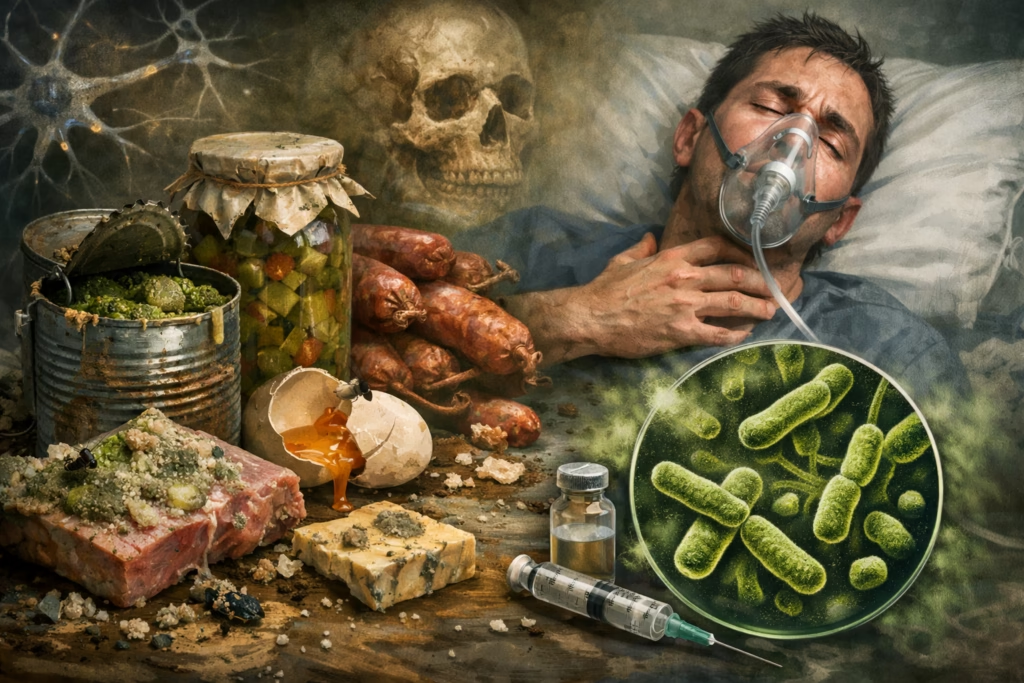
Table of Contents

Botulism is a rare yet potentially life-threatening illness that requires prompt medical attention. Caused by a powerful toxin produced by Clostridium botulinum bacteria, botulism can affect the nervous system, leading to muscle paralysis and, in severe cases, breathing failure. Although uncommon, understanding how botulism occurs, how it presents, and how it is prevented is essential for public health awareness and personal safety.
This article provides a clear, medically accurate overview of botulism in accessible language, helping readers recognize its seriousness while emphasizing prevention and timely care.
Overview: What Is Botulism?
Botulism is a neuroparalytic illness caused by exposure to botulinum toxin—one of the most potent toxins known. The toxin interferes with the transmission of signals between nerves and muscles, resulting in weakness and paralysis.
There are several recognized forms of botulism, including:
- Foodborne botulism – caused by eating foods contaminated with botulinum toxin
- Infant botulism – occurs when infants ingest bacterial spores that produce toxin in the gut
- Wound botulism – develops when spores infect a wound and release toxin
- Iatrogenic botulism – rare cases related to excessive or improper medical or cosmetic use of botulinum toxin
While botulism is rare, it is a medical emergency that requires immediate hospitalization.
Causes and Risk Factors
Botulism results from exposure to Clostridium botulinum or its toxin. The bacteria thrive in low-oxygen environments and can produce toxin under specific conditions.
Common Causes Include:
- Improperly canned or preserved foods, especially home-canned vegetables
- Fermented or stored foods that were not prepared safely
- Honey exposure in infants under 12 months (a risk for infant botulism)
- Contaminated wounds, particularly with injection drug use
- Rare complications from cosmetic or therapeutic botulinum toxin injections when improperly administered
Risk Factors:
- Home food preservation without proper sterilization
- Infants with undeveloped gut microbiomes
- Deep or contaminated wounds
- Lack of awareness about safe food-handling practices
Symptoms and Clinical Presentation
Botulism symptoms typically appear within hours to days after exposure, depending on the type. The condition is characterized by descending paralysis, starting with the muscles of the face and spreading downward.
Common Symptoms:
- Blurred or double vision
- Drooping eyelids
- Slurred speech
- Difficulty swallowing
- Dry mouth
- Muscle weakness spreading to the arms, legs, and respiratory muscles
- In severe cases, difficulty breathing or respiratory failure
In infants, symptoms may include:
- Constipation
- Weak cry
- Poor feeding
- Floppiness or decreased muscle tone
Diagnosis and Screening
Diagnosing botulism is primarily based on clinical presentation, as early treatment is critical and cannot always wait for laboratory confirmation.
Diagnostic Approaches May Include:
- Physical and neurological examination
- Patient history, including recent food consumption or wound exposure
- Laboratory testing of blood, stool, wound samples, or suspected food items for botulinum toxin
- Specialized tests performed by public health laboratories
Because botulism is rare and serious, suspected cases are typically reported to public health authorities.
Treatment and Management Options
Botulism requires immediate hospitalization, often in an intensive care setting.
Standard Management Includes:
- Antitoxin administration to stop further nerve damage
- Respiratory support, including mechanical ventilation if needed
- Supportive care, such as intravenous fluids and nutritional support
- Wound care and antibiotics in cases of wound botulism
While the antitoxin can halt progression, recovery occurs gradually as nerves regenerate, which may take weeks to months.
Prevention and Lifestyle Considerations
Botulism is largely preventable with appropriate safety measures.
Key Prevention Strategies:
- Follow proper home-canning guidelines and pressure-canning techniques
- Avoid consuming bulging, leaking, or foul-smelling canned foods
- Do not give honey or honey-containing products to infants under one year of age
- Practice safe wound care and seek medical attention for infected wounds
- Ensure botulinum toxin treatments are performed by qualified healthcare professionals
Public education and adherence to food safety standards have significantly reduced botulism cases worldwide.
Conclusion: Key Takeaways About Botulism
Botulism is a rare but severe illness caused by a potent neurotoxin that affects muscle control and can be life-threatening without prompt treatment. Early recognition of symptoms, immediate medical care, and preventive food safety practices are critical to reducing risk and improving outcomes. Although uncommon, awareness of botulism remains an important component of public health and personal safety.
Medical Disclaimer
This article is intended for educational purposes only and does not replace professional medical advice, diagnosis, or treatment. If you suspect botulism or have concerns about symptoms, seek immediate care from a qualified healthcare professional.
Staying informed is a vital step toward prevention—when it comes to botulism, knowledge can truly be lifesaving.
Was this page helpful?
Thanks for your feedback! What could we improve?
Thank you! Your feedback helps us improve our guides.
Our Health A–Z guides are written by the True Impact Health Editorial Team and based on reliable sources such as public health agencies, clinical guidelines and peer-reviewed research. This guide has not yet been medically reviewed. Read our editorial process.
This content is for general information and is not a substitute for professional medical advice, diagnosis or treatment.