














Congestive Heart Failure Pulse
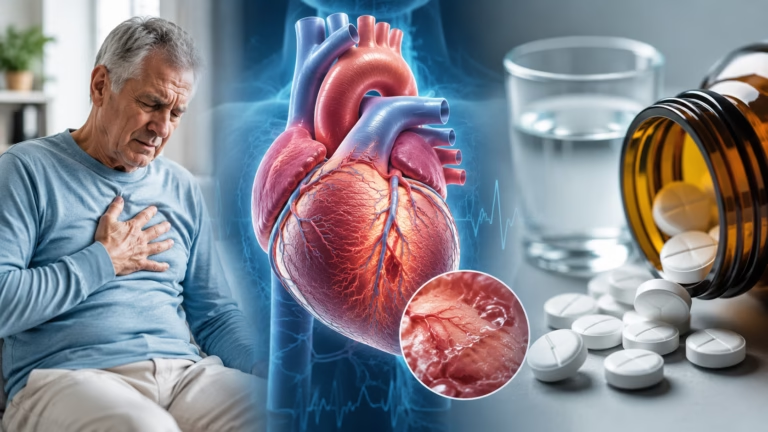
Congestive heart failure (CHF) is a chronic and progressive cardiovascular condition that affects millions of people worldwide. It occurs when the heart...
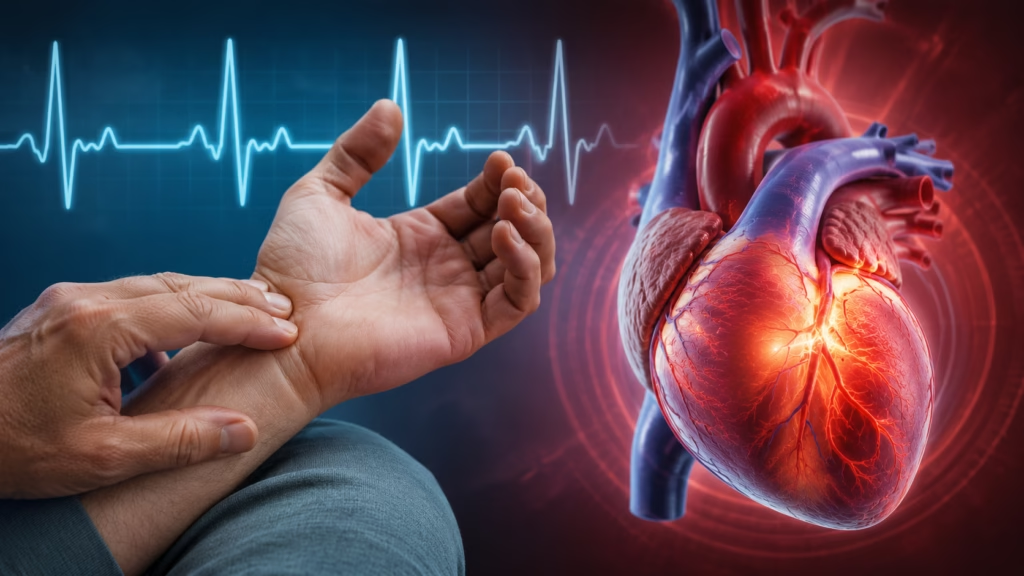
Table of Contents
Introduction
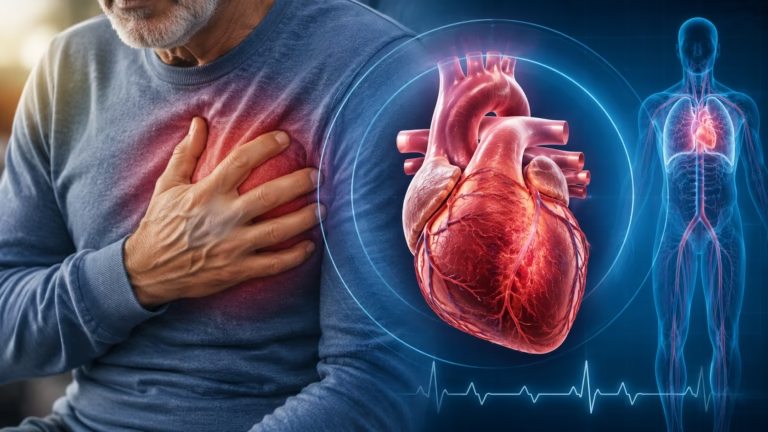
Congestive heart failure (CHF) is a chronic and progressive cardiovascular condition that affects millions of people worldwide. It occurs when the heart can no longer pump blood efficiently enough to meet the body’s demands. As a result, blood and fluid may accumulate in the lungs, legs, abdomen, and other tissues, leading to symptoms such as shortness of breath, fatigue, swelling, and reduced exercise tolerance.
While many patients focus on these visible symptoms, one of the most valuable indicators of heart function is often overlooked: the pulse. Changes in pulse rate, rhythm, and strength can provide important clues about how well the heart is coping with the demands placed upon it. In many cases, alterations in pulse characteristics may serve as early warning signs of worsening heart failure, medication-related effects, or the development of potentially dangerous arrhythmias.
Understanding the relationship between congestive heart failure and pulse abnormalities can help patients, caregivers, and healthcare professionals recognize problems earlier and respond appropriately. This guide explores the importance of pulse monitoring in CHF, common pulse abnormalities, home monitoring strategies, and when medical attention should be sought.
Understanding the Relationship Between Congestive Heart Failure and Pulse
The pulse represents the pressure wave created each time the heart contracts and pushes blood through the arteries. Although pulse rate and heart rate are often used interchangeably, they are not exactly the same.
Heart rate refers to the number of electrical contractions generated by the heart each minute, while pulse rate refers to the number of those contractions that produce a detectable pulse within the arteries. Under normal circumstances, the two values are essentially identical. However, in certain heart conditions, including advanced heart failure and arrhythmias, not every heartbeat generates an effective pulse.
In congestive heart failure, the heart’s pumping ability becomes impaired. To compensate for reduced cardiac output, the body activates several protective mechanisms, including stimulation of the sympathetic nervous system. This response increases heart rate and causes the heart to work harder in an attempt to maintain adequate blood flow to vital organs.
Over time, these compensatory mechanisms may become harmful, contributing to persistent pulse abnormalities and worsening cardiac function.
Why Congestive Heart Failure Changes the Pulse
When the heart becomes weakened, it struggles to deliver sufficient oxygen-rich blood throughout the body. To compensate for this reduced pumping efficiency, the body releases stress hormones such as adrenaline and norepinephrine.
These hormones increase heart rate and force of contraction. Initially, this response helps maintain circulation. However, chronic stimulation places additional strain on the heart muscle, leading to further deterioration of cardiac function.
As heart failure progresses, patients may develop abnormal heart rhythms, weakened pulse strength, or significant variations in pulse patterns. These changes often provide important information regarding disease severity and treatment effectiveness.
Common Pulse Abnormalities in Congestive Heart Failure
Tachycardia (Fast Pulse)
One of the most common pulse abnormalities observed in heart failure is tachycardia, which refers to a resting heart rate greater than 100 beats per minute.
In CHF, tachycardia often develops because the heart attempts to compensate for reduced pumping efficiency by increasing the number of contractions each minute. While this strategy may temporarily improve blood flow, a persistently elevated heart rate can actually worsen heart failure by increasing oxygen demand and reducing the time available for the heart to fill between beats.
Patients experiencing tachycardia may notice palpitations, shortness of breath, fatigue, dizziness, or a sensation that their heart is racing even while resting.
Bradycardia (Slow Pulse)
Although less common, some individuals with congestive heart failure may develop bradycardia, which refers to a resting heart rate below 60 beats per minute.
Bradycardia may occur due to abnormalities in the heart’s electrical conduction system or as a side effect of medications commonly prescribed for heart failure, including beta-blockers and certain antiarrhythmic drugs.
When the pulse becomes excessively slow, patients may experience weakness, fatigue, dizziness, confusion, or fainting episodes due to reduced blood flow to the brain and other organs.
Irregular Pulse and Arrhythmias
Heart failure significantly increases the risk of cardiac arrhythmias. An irregular pulse may feel as though the heart is skipping beats, fluttering, or beating unpredictably.
One of the most common arrhythmias in CHF patients is atrial fibrillation. This condition causes chaotic electrical activity within the upper chambers of the heart, leading to an irregular and often rapid pulse.
Other rhythm disturbances may include premature ventricular contractions, ventricular tachycardia, and various conduction abnormalities.
These arrhythmias can worsen heart failure symptoms and increase the risk of complications such as stroke and sudden cardiac death.
Pulsus Alternans
Pulsus alternans is a relatively rare but clinically significant pulse abnormality associated with advanced heart failure.
In this condition, the pulse alternates between strong and weak beats despite maintaining a regular rhythm. This phenomenon reflects severe impairment of left ventricular function and often indicates advanced cardiac dysfunction.
Healthcare providers typically identify pulsus alternans during physical examination, and its presence generally warrants further evaluation and aggressive management.
Why Pulse Monitoring Matters in Heart Failure
Early Detection of Worsening Heart Failure
Changes in pulse rate or rhythm often occur before more obvious symptoms develop.
For example, a gradual increase in resting pulse may indicate fluid retention, worsening cardiac function, infection, dehydration, or medication-related problems. Recognizing these changes early allows healthcare providers to adjust treatment before hospitalization becomes necessary.
Guiding Medication Management
Many heart failure medications directly influence heart rate and rhythm.
Beta-blockers, ACE inhibitors, ARNI therapy, and certain antiarrhythmic medications are often adjusted based on pulse responses and symptom control. Regular pulse monitoring helps determine whether medications are working effectively and safely.
Assessing Prognosis
Research consistently demonstrates that elevated resting heart rates are associated with worse outcomes in congestive heart failure.
Patients with persistently high heart rates often experience higher rates of hospitalization, disease progression, and mortality. Consequently, pulse rate serves as an important prognostic marker in modern heart failure management.
How to Monitor Your Pulse at Home
Regular home monitoring can help patients become more engaged in their care and identify concerning trends earlier.
Manual Pulse Assessment
One of the simplest methods involves checking the pulse manually.
Place the index and middle fingers on the thumb side of the wrist, where the radial artery is located. Alternatively, the pulse can be felt in the neck over the carotid artery.
Count the number of beats for sixty seconds and record the result. During the assessment, pay attention not only to the rate but also to whether the rhythm feels regular or irregular.
Blood Pressure Monitors
Many modern blood pressure machines automatically display pulse rate alongside blood pressure measurements.
Some devices also detect irregular heart rhythms and provide alerts that may prompt further evaluation.
Wearable Devices
Smartwatches, fitness trackers, and other wearable technologies can continuously monitor heart rate throughout the day and night.
Many advanced devices can detect irregular rhythms such as atrial fibrillation and generate notifications when unusual patterns occur.
While these devices should not replace professional medical evaluation, they can provide valuable information for ongoing monitoring.
Best Practices for Home Pulse Monitoring
To obtain meaningful information, pulse measurements should be taken consistently.
Patients are generally advised to check their pulse at the same time each morning before consuming caffeine, exercising, or taking medications. Consistency helps identify long-term trends rather than isolated fluctuations.
Keeping a daily log can also be beneficial. Recording pulse rate, symptoms, body weight, blood pressure, and medication changes allows healthcare providers to identify patterns and make informed treatment decisions.
Most importantly, patients should focus on trends rather than individual readings. A gradual increase in resting pulse over several days may be more significant than a single elevated measurement.
Lifestyle Strategies to Support a Healthy Pulse
Follow a Low-Sodium Diet
Excess sodium promotes fluid retention, increasing the workload on the heart and potentially worsening heart failure symptoms.
Many healthcare providers recommend limiting sodium intake to approximately 2,000 milligrams per day, although individual recommendations may vary.
Engage in Regular Physical Activity
When approved by a healthcare provider, moderate exercise can improve cardiovascular efficiency, lower resting heart rate, and enhance overall quality of life.
Activities such as walking, swimming, cycling, and structured cardiac rehabilitation programs are often beneficial for CHF patients.
Manage Stress Effectively
Chronic stress stimulates the sympathetic nervous system and increases heart rate.
Relaxation techniques such as meditation, deep breathing exercises, yoga, mindfulness training, and adequate sleep may help maintain a healthier pulse and reduce cardiovascular strain.
Avoid Tobacco and Limit Alcohol
Smoking damages blood vessels and increases cardiac workload, while excessive alcohol consumption can worsen heart failure and trigger arrhythmias.
Avoiding tobacco and limiting alcohol intake can contribute significantly to improved cardiovascular health.
When to Seek Medical Attention
Certain pulse changes require prompt evaluation by a healthcare professional.
Patients should contact their healthcare provider if they experience a resting pulse consistently above 100 beats per minute, especially when accompanied by worsening shortness of breath, fatigue, or swelling.
Immediate medical attention is necessary if pulse abnormalities occur alongside chest pain, severe dizziness, fainting, confusion, or significant breathing difficulties.
New-onset palpitations, rapid irregular heartbeats, or sudden episodes of racing heart rhythms should also be reported promptly, as these may indicate serious arrhythmias requiring urgent treatment.
Conclusion
Pulse monitoring is an essential yet often underappreciated component of congestive heart failure management. Changes in pulse rate, rhythm, and strength provide valuable insights into heart function and may serve as early indicators of worsening disease or treatment-related complications.
By understanding common pulse abnormalities such as tachycardia, bradycardia, atrial fibrillation, and pulsus alternans, patients and caregivers can become active participants in heart failure management. Regular pulse monitoring, combined with healthy lifestyle choices, medication adherence, and routine medical follow-up, can help reduce complications and improve overall outcomes.
Ultimately, a well-monitored pulse offers a simple but powerful window into the health of the heart. Paying attention to these signals may allow early intervention, prevent hospitalizations, and support a longer, healthier life for individuals living with congestive heart failure.
Disclaimer
This article is for educational purposes only and does not replace professional medical advice, diagnosis, or treatment. Seizures, severe headache, confusion, visual changes, or blood pressure readings in the hypertensive crisis range require urgent medical evaluation.
Was this page helpful?
Thanks for your feedback! What could we improve?
Thank you! Your feedback helps us improve our articles.
True Impact Health articles are written by our editorial team and based on reliable sources such as public health agencies, clinical guidelines and peer-reviewed research. This article has not yet been medically reviewed. Read our editorial process.
This content is for general information and is not a substitute for professional medical advice, diagnosis or treatment.