








Health A–Z guide
First Aid
First Aid: An Essential Guide to Immediate Care
First aid is a foundational skill that empowers individuals to respond effectively during medical emergencies. Whether at home, work, school, or in public...
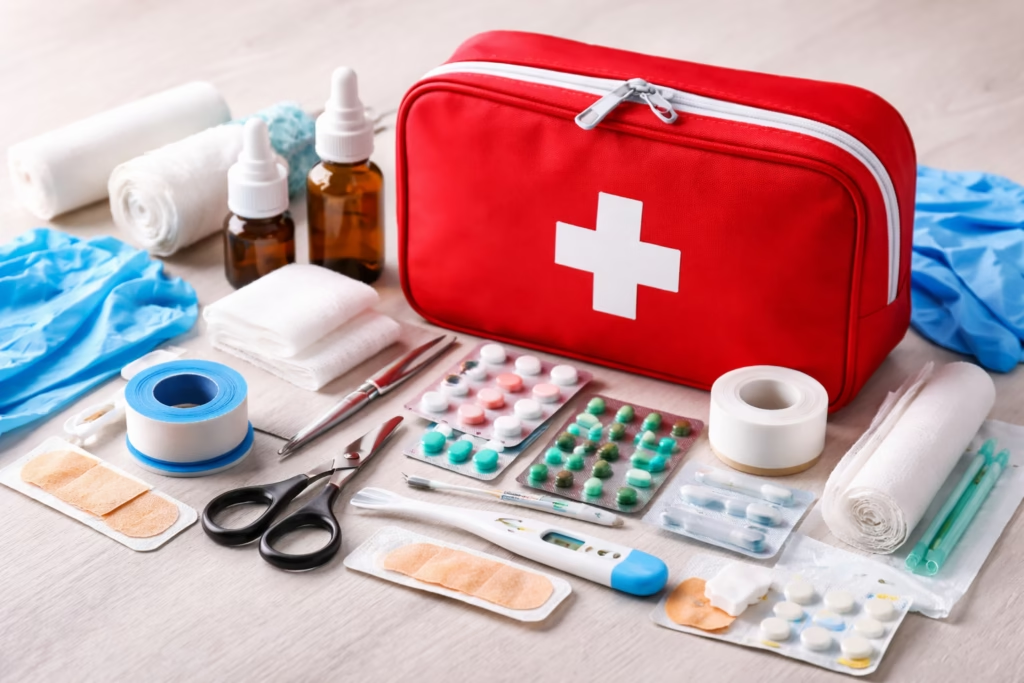
Table of Contents
First aid is a foundational skill that empowers individuals to respond effectively during medical emergencies. Whether at home, work, school, or in public spaces, having basic first aid knowledge can help stabilize a person’s condition, reduce the severity of injury or illness, and, in some cases, save lives until professional medical help arrives. This article provides a clear, medically accurate overview of first aid, its applications, and its importance in everyday life.
Overview / Definition
First aid refers to the immediate assistance given to a person suffering from an injury or sudden illness before full medical treatment is available. It is typically delivered by bystanders, trained laypersons, or first responders and focuses on:
- Preserving life
- Preventing the condition from worsening
- Promoting recovery
First aid does not replace professional medical care but serves as a critical first step in the chain of healthcare response.
Common Situations Where First Aid Is Needed
First aid may be required in a wide range of everyday and emergency situations, including:
- Cuts, burns, and wounds
- Falls and fractures
- Choking or breathing difficulties
- Sudden loss of consciousness
- Allergic reactions
- Heat-related or cold-related illnesses
- Cardiac emergencies
Understanding these scenarios helps individuals recognize when prompt action is necessary.
Causes or Risk Factors
Situations requiring first aid often arise from a combination of environmental, behavioral, and health-related factors, such as:
- Accidents at home, work, or on the road
- Sports and recreational injuries
- Natural disasters or extreme weather conditions
- Underlying medical conditions (e.g., heart disease, diabetes, asthma)
- Lack of safety measures or awareness
Certain populations—such as children, older adults, and individuals with chronic illnesses—may be at higher risk of requiring first aid interventions.
Symptoms or Clinical Presentation
The need for first aid may be indicated by visible signs or reported symptoms, including:
- Bleeding, burns, or visible injuries
- Severe pain or swelling
- Difficulty breathing or choking
- Chest pain or sudden weakness
- Confusion, dizziness, or fainting
- Unresponsiveness or seizures
Recognizing these warning signs allows for faster and more appropriate action.
Diagnosis or Screening
First aid does not involve making a formal medical diagnosis. Instead, it relies on rapid assessment, often referred to as a primary survey, which may include:
- Checking responsiveness
- Assessing breathing and circulation
- Identifying life-threatening conditions
- Observing visible injuries or changes in behavior
This initial evaluation guides immediate actions while awaiting professional care.
Treatment or Management Options
First aid management varies depending on the situation, but commonly includes:
- Wound care: Cleaning cuts, controlling bleeding with pressure, and applying bandages
- Burn care: Cooling the burn with cool (not cold) running water
- Airway support: Helping someone who is choking using appropriate techniques
- Immobilization: Supporting a suspected fracture to prevent further injury
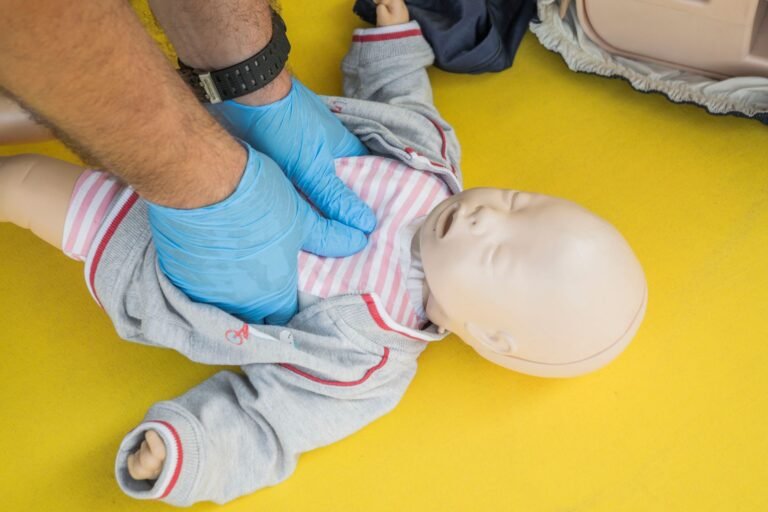
- Basic life support: Cardiopulmonary resuscitation (CPR) when indicated
Many of these skills are best learned through certified first aid and CPR training programs, which emphasize safe and effective techniques.
Prevention and Lifestyle Considerations
While first aid focuses on response, prevention is equally important. Strategies to reduce the need for first aid include:
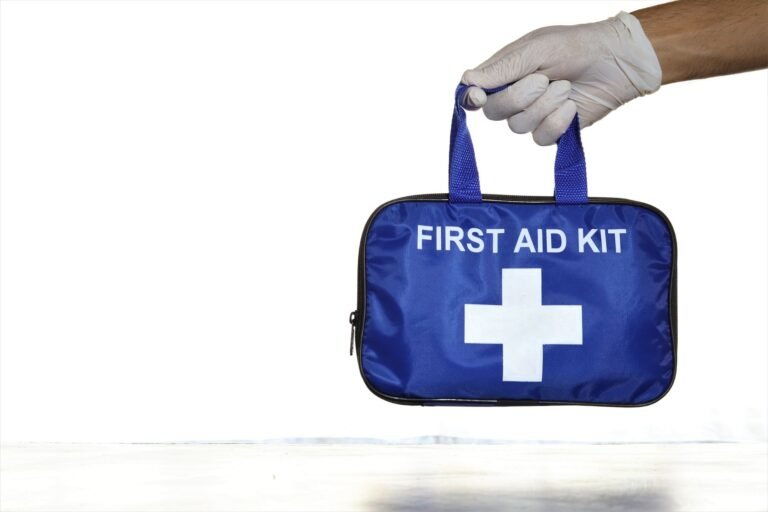
- Maintaining a well-stocked first aid kit at home and work
- Following safety guidelines during sports and physical activities
- Using protective equipment when appropriate
- Practicing fire safety and road safety measures
- Learning and refreshing first aid and CPR skills regularly
Preparedness can significantly lower the impact of injuries and emergencies.
Conclusion
First aid is a vital life skill that bridges the gap between the onset of an emergency and professional medical treatment. By understanding common emergencies, recognizing warning signs, and applying basic first aid principles, individuals can make a meaningful difference in critical moments. Education and preparedness not only improve outcomes during emergencies but also contribute to safer communities overall.
Important Disclaimer
This article is intended for general educational purposes only and does not substitute for professional medical advice, diagnosis, or treatment. Readers are encouraged to seek guidance from qualified healthcare professionals and to participate in accredited first aid training programs for hands-on instruction and up-to-date practices.
Was this page helpful?
Thanks for your feedback! What could we improve?
Thank you! Your feedback helps us improve our guides.
Our Health A–Z guides are written by the True Impact Health Editorial Team and based on reliable sources such as public health agencies, clinical guidelines and peer-reviewed research. This guide has not yet been medically reviewed. Read our editorial process.
This content is for general information and is not a substitute for professional medical advice, diagnosis or treatment.