Introduction
Dehydration occurs when the body loses more fluids than it takes in, leading to an imbalance that can disrupt essential physiological functions. Water is critical for maintaining blood circulation, regulating body temperature, supporting kidney function, and enabling cellular processes. When fluid levels drop, the body struggles to perform these functions efficiently.
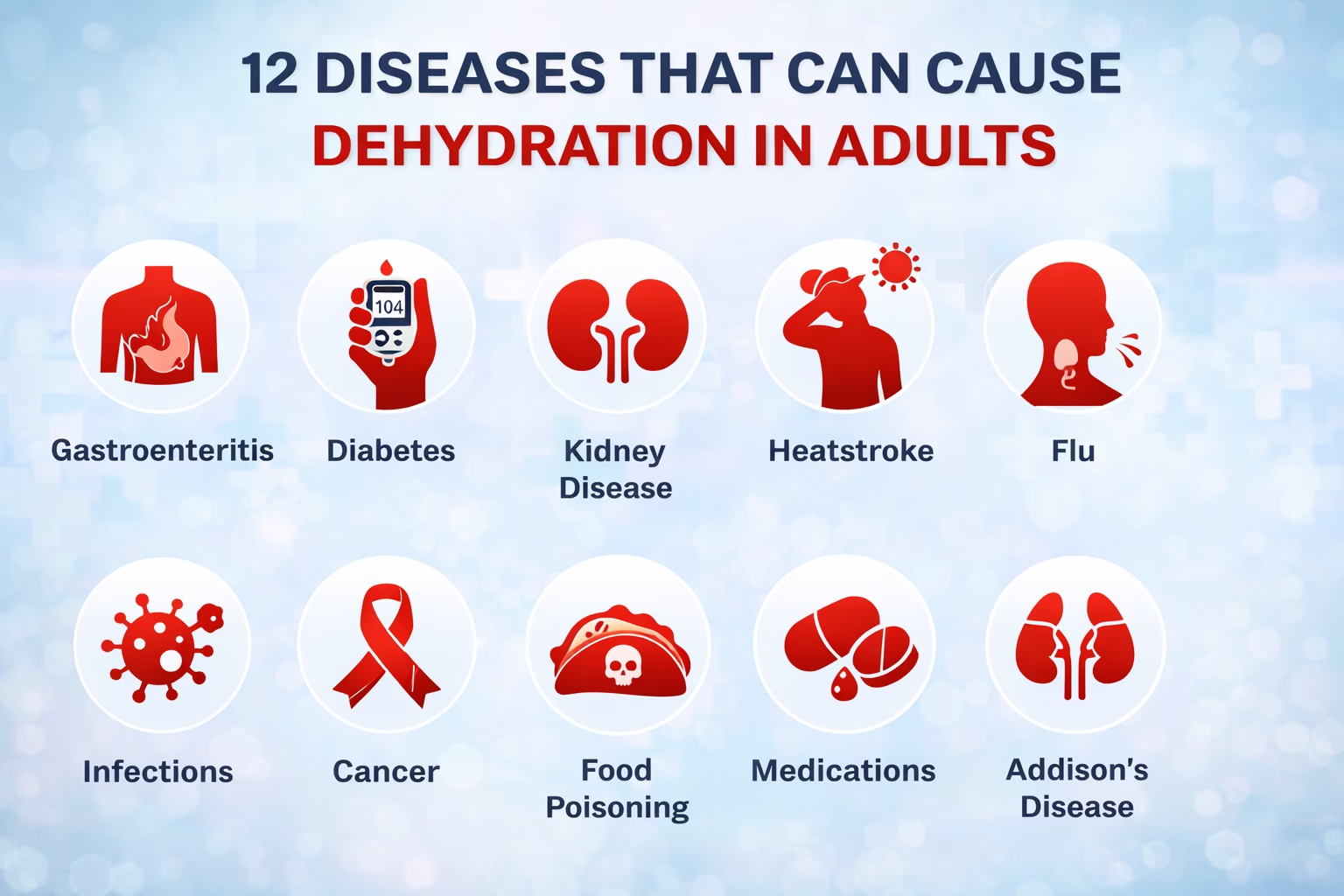
- Diabetes mellitus: high blood glucose causes osmotic diuresis, increased urination and thirst, risking severe dehydration.
- Diabetes insipidus: insufficient ADH causes large volumes of dilute urine and persistent thirst, creating high dehydration risk if fluids are inadequate.
- Gastroenteritis: vomiting and diarrhea cause rapid fluid and electrolyte loss and impair absorption, leading to dehydration especially if intake stays low.
- Sepsis: widespread inflammation causes vascular fluid leakage, reduced effective circulating volume, fever, and increased metabolic demand that worsen dehydration.
- Heat related illnesses: excessive sweating in heat exhaustion or heatstroke causes rapid fluid and electrolyte loss and can become life threatening without replacement.
Although dehydration is often associated with inadequate fluid intake or excessive heat exposure, it is also frequently linked to underlying medical conditions. Certain diseases can increase fluid loss, reduce fluid absorption, or impair the body’s ability to regulate water balance. Recognizing these conditions is important because treating dehydration effectively often requires addressing its root cause.
This article provides a detailed examination of twelve diseases that can lead to dehydration in adults, explaining the mechanisms involved and their clinical implications.
1. Diabetes Mellitus
Diabetes mellitus, particularly when poorly controlled, is a major cause of dehydration.
When blood glucose levels rise significantly, the kidneys attempt to remove excess sugar through urine. This process, known as osmotic diuresis, draws water along with glucose, leading to increased urination.
As fluid loss continues, individuals may experience excessive thirst, frequent urination, fatigue, and dry mouth. If untreated, severe dehydration can develop, especially in conditions such as diabetic ketoacidosis.
Related Posts:



2. Diabetes Insipidus
Diabetes insipidus is a rare condition characterized by the inability of the kidneys to retain water due to insufficient or ineffective antidiuretic hormone (ADH).
Without proper ADH function, the kidneys produce large volumes of dilute urine, sometimes exceeding several liters per day. This results in significant fluid loss and persistent thirst.
Unlike diabetes mellitus, blood sugar levels remain normal, but the risk of dehydration is high if fluid intake does not match losses.
3. Gastroenteritis
Gastroenteritis, commonly caused by viral or bacterial infections, is one of the most common causes of dehydration.
The condition leads to vomiting and diarrhea, both of which result in rapid fluid and electrolyte loss. In addition, inflammation of the gastrointestinal tract can impair the body’s ability to absorb fluids effectively.
Adults with severe or prolonged symptoms are at risk of dehydration, especially if they are unable to maintain adequate fluid intake.
4. Chronic Kidney Disease (CKD)
Chronic kidney disease affects the kidneys’ ability to regulate fluid and electrolyte balance.
In early stages, the kidneys may produce excessive urine, leading to fluid loss. In later stages, fluid retention may occur, but dehydration can still develop due to imbalances in how fluids are distributed within the body.
Patients with CKD often require careful monitoring of fluid intake to maintain balance.
5. Adrenal Insufficiency (Addison’s Disease)
Addison’s disease is a condition in which the adrenal glands produce insufficient amounts of hormones such as cortisol and aldosterone.
Aldosterone plays a key role in regulating sodium and water balance. When aldosterone levels are low, the body loses sodium through urine, and water follows, leading to dehydration.
Symptoms may include fatigue, low blood pressure, dizziness, and salt cravings.
6. Hyperthyroidism
Hyperthyroidism increases the body’s metabolic rate, which can lead to increased heat production and sweating.
Excessive sweating results in fluid loss, and if not adequately replaced, dehydration may occur. Additionally, increased metabolism can elevate heart rate and respiratory rate, contributing further to fluid loss.
Individuals may also experience weight loss, anxiety, and heat intolerance.
7. Severe Infections (Sepsis)
Sepsis is a life threatening condition resulting from the body’s extreme response to infection.
During sepsis, widespread inflammation can cause fluid to leak from blood vessels into surrounding tissues. This reduces the effective circulating blood volume, leading to dehydration at the cellular level.
In addition, fever and increased metabolic demand further contribute to fluid loss.
8. Heart Failure
Heart failure affects the heart’s ability to pump blood effectively, leading to fluid imbalance.
Although fluid retention is a common feature, dehydration can occur due to the use of diuretics, medications that increase urine output to reduce fluid overload.
If fluid loss exceeds intake, dehydration may develop, particularly in patients with strict fluid restrictions.
9. Liver Disease (Cirrhosis)
Cirrhosis disrupts normal liver function and alters fluid regulation in the body.
Fluid may accumulate in the abdomen (ascites), but at the same time, effective blood volume may decrease, leading to dehydration.
Additionally, diuretics used to manage fluid retention can further increase the risk of dehydration.
10. Inflammatory Bowel Disease (IBD)
Conditions such as Crohn’s disease and ulcerative colitis cause chronic inflammation of the gastrointestinal tract.
This inflammation can lead to frequent diarrhea, reduced nutrient absorption, and ongoing fluid loss. During flare ups, dehydration risk increases significantly.
Patients may also experience abdominal pain, fatigue, and weight loss.
11. Heat Related Illnesses (Heat Exhaustion and Heatstroke)
Heat related illnesses occur when the body is unable to regulate temperature effectively in hot environments.
Excessive sweating leads to significant fluid and electrolyte loss. If fluids are not replaced, dehydration can progress rapidly.
In severe cases such as heatstroke, the body’s cooling mechanisms fail, and dehydration becomes life threatening.
12. Cancer and Cancer Treatments
Cancer and its treatments can contribute to dehydration through multiple mechanisms.
Chemotherapy and radiation therapy may cause side effects such as vomiting, diarrhea, and reduced appetite, all of which decrease fluid intake and increase fluid loss.
Additionally, certain cancers can alter metabolism and fluid balance, further increasing the risk.
Conclusion
Dehydration in adults is often more complex than simply not drinking enough water. Many underlying diseases can disrupt fluid balance by increasing fluid loss, reducing absorption, or altering hormonal regulation.
Understanding these conditions is essential for proper diagnosis and management. Addressing dehydration effectively requires not only replacing lost fluids but also identifying and treating the underlying cause.
Early recognition of symptoms such as excessive thirst, fatigue, dizziness, and reduced urine output can help prevent complications. Individuals with chronic conditions should work closely with healthcare providers to maintain proper hydration and overall health.
Maintaining awareness of these disease related causes ensures a more comprehensive approach to preventing and managing dehydration.