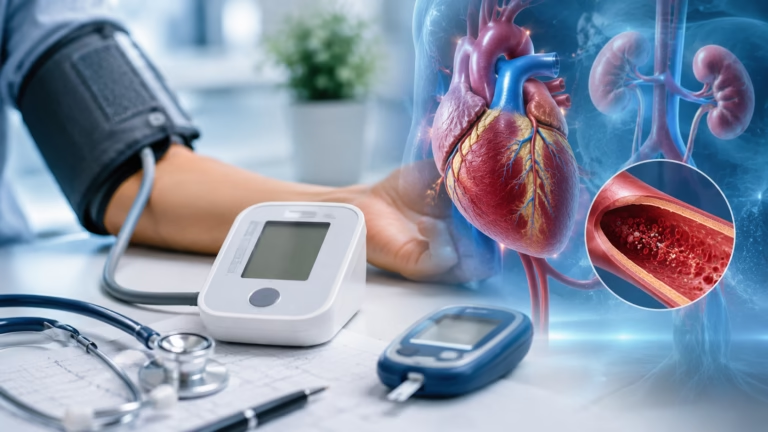
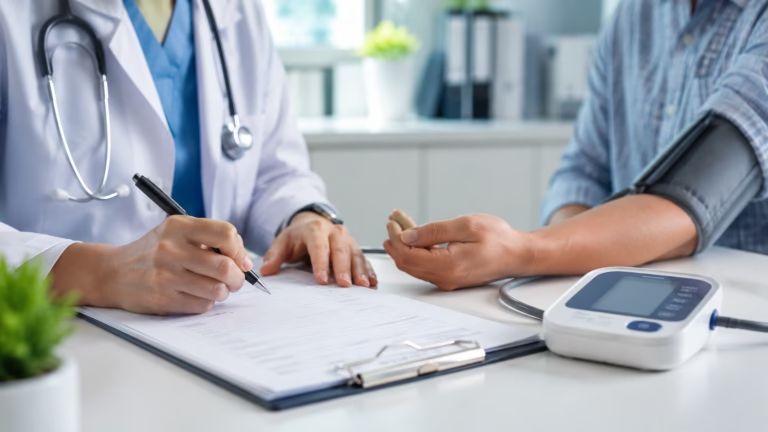
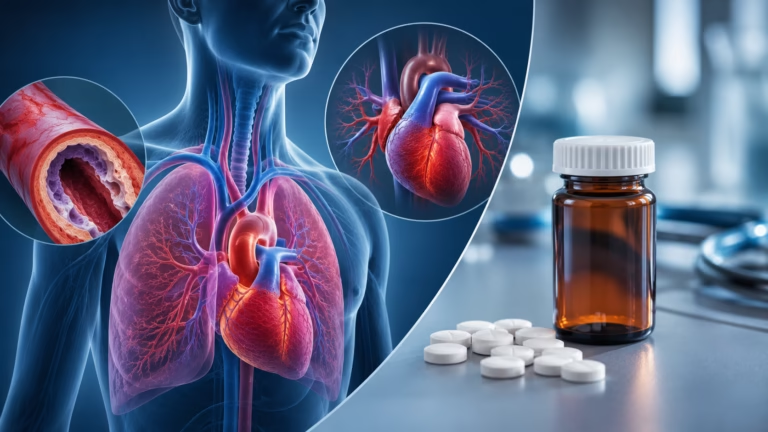
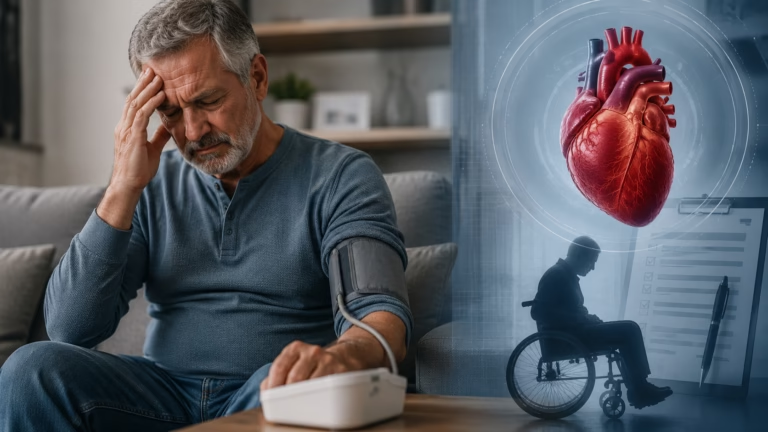
Learn how nurses manage hypertension through patient education, lifestyle counseling, medication monitoring, and regular blood pressure tracking for health.
Perform comprehensive nursing assessment: history, multiple accurate blood pressure readings, organ damage signs, anthropometrics, and relevant laboratory or imaging review.
Manage antihypertensive therapy: administer medications, monitor effectiveness and adverse effects, promote adherence, and simplify regimens when possible.
Provide patient education and self management training: home blood pressure monitoring, symptom recognition, SMART goals, and motivational interviewing.
Ensure ongoing monitoring and coordination: regular follow up, accurate documentation, interdisciplinary collaboration, community resources, and timely response to hypertensive emergencies.
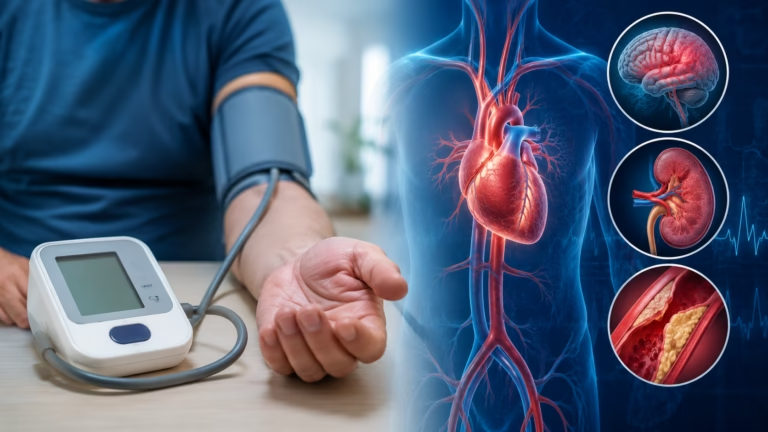
Nursing care for hypertension involves consistent blood pressure monitoring, patient education on lifestyle modifications, and support for medication adherence. Nurses work to identify potential complications, provide guidance on heart-healthy diets and exercise, and empower patients to manage their condition effectively. This comprehensive approach is essential for reducing the long-term risks of cardiovascular disease, stroke, and kidney damage.
Introduction
Hypertension remains one of the most prevalent chronic health conditions worldwide and is a major contributor to cardiovascular disease, stroke, kidney failure, and premature mortality. Often described as a silent condition because it may progress without obvious symptoms, hypertension requires continuous monitoring and long term management. Nurses play a central role in this process through patient assessment, medication administration, education, lifestyle counseling, and ongoing follow-up care.
Effective nursing care for hypertension extends beyond simply measuring blood pressure. It involves a comprehensive and patient centered approach aimed at reducing complications, improving adherence to treatment, and enhancing quality of life. By integrating clinical knowledge with communication and education strategies, nurses significantly influence patient outcomes and long term cardiovascular health.
Understanding Hypertension
Hypertension refers to persistently elevated blood pressure within the arterial system. Blood pressure is measured using two values: systolic pressure, which reflects the force exerted during heart contraction, and diastolic pressure, which represents pressure during cardiac relaxation.
Blood pressure classifications are based on standardized clinical guidelines. Normal blood pressure is generally considered below 120/80 mmHg. Elevated blood pressure occurs when systolic readings range from 120 to 129 mmHg while diastolic pressure remains below 80 mmHg. Stage 1 hypertension includes systolic readings between 130 and 139 mmHg or diastolic readings between 80 and 89 mmHg. Stage 2 hypertension is diagnosed when blood pressure reaches or exceeds 140/90 mmHg.
The pathophysiology of hypertension involves multiple mechanisms. Increased peripheral vascular resistance forces the heart to work harder to circulate blood. Dysregulation of the renin angiotensin aldosterone system contributes to fluid retention and vasoconstriction, further increasing blood pressure. Endothelial dysfunction also impairs the ability of blood vessels to relax appropriately.
Risk factors for hypertension may be categorized as modifiable or non modifiable. Non modifiable factors include age, genetic predisposition, and ethnicity. Modifiable factors involve lifestyle and environmental influences such as poor diet, obesity, smoking, physical inactivity, excessive alcohol intake, and chronic stress. Understanding these factors is essential for individualized nursing care and preventive interventions.
Nursing Assessment
Comprehensive assessment is the foundation of effective nursing management for hypertension. A detailed evaluation allows nurses to identify contributing factors, detect complications, and develop individualized care plans.
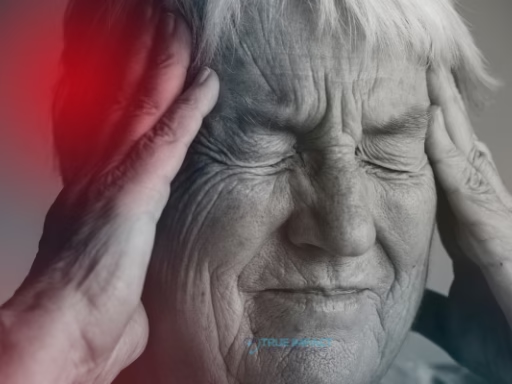
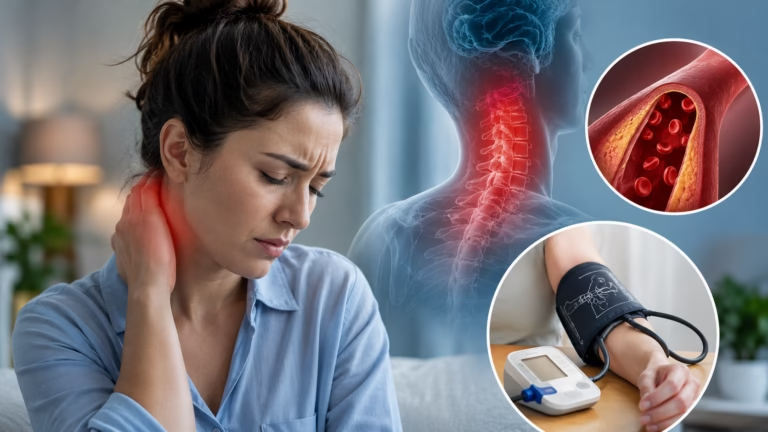
Health history assessment includes gathering information regarding the onset and duration of hypertension, previous blood pressure readings, medication use, and adherence patterns. Patients should also be questioned about symptoms such as headaches, dizziness, visual disturbances, chest discomfort, or shortness of breath, as these may indicate uncontrolled hypertension or complications. Coexisting conditions such as diabetes, chronic kidney disease, and cardiovascular disorders are particularly important because they increase the risk of adverse outcomes.
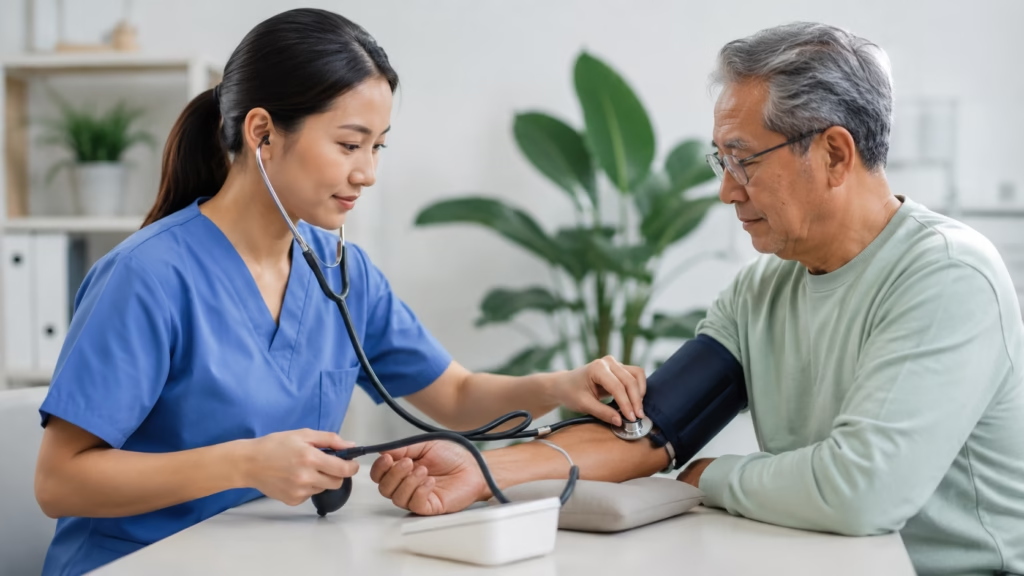
Physical examination involves accurate blood pressure measurement using appropriate techniques. Multiple readings should be obtained, ideally in both arms and after the patient has rested. Heart rate, peripheral pulses, respiratory status, and signs of organ damage should also be assessed. Observation for edema, changes in vision, or neurological deficits may provide evidence of hypertensive complications. Anthropometric measurements including body weight, body mass index, and waist circumference help evaluate obesity related risk factors.
Diagnostic data review is another critical component of nursing assessment. Laboratory investigations may include kidney function tests, electrolyte levels, blood glucose, and lipid profiles. Electrocardiography can identify cardiac complications such as left ventricular hypertrophy or arrhythmias. In selected cases, imaging studies such as echocardiography may be necessary to assess structural heart changes.
Nursing Interventions
Nursing interventions for hypertension aim to reduce blood pressure safely, prevent complications, and support long term disease management. These interventions include both pharmacological and non pharmacological approaches.
Medication management is a major nursing responsibility. Nurses administer antihypertensive medications according to prescribed treatment plans and monitor patients for therapeutic effectiveness and adverse effects. Common medications include angiotensin converting enzyme inhibitors, angiotensin receptor blockers, calcium channel blockers, beta blockers, and diuretics. Monitoring for side effects such as dizziness, electrolyte imbalance, or hypotension is essential to ensure patient safety. Nurses also promote adherence by simplifying medication schedules where possible and encouraging the use of reminders or pill organizers.
Non pharmacological interventions are equally important in blood pressure control. Dietary counseling often focuses on the DASH dietary approach, which emphasizes fruits, vegetables, whole grains, and low fat dairy products while reducing sodium intake. Lower sodium consumption decreases fluid retention and vascular pressure, contributing to improved cardiovascular function.
Physical activity is encouraged because regular exercise improves circulation, reduces body weight, and strengthens cardiovascular health. Moderate intensity activities such as walking, cycling, or swimming performed consistently can significantly lower blood pressure levels. Nurses should encourage gradual and sustainable exercise routines tailored to the patient’s abilities and health status.
Stress management strategies are also integrated into nursing care. Chronic stress stimulates hormonal responses that elevate blood pressure. Techniques such as deep breathing exercises, mindfulness meditation, guided imagery, and relaxation therapies can help reduce stress and improve emotional well-being. Referral to counseling services or support groups may further benefit patients experiencing anxiety or emotional distress.
Patient Education and Lifestyle Modification
Patient education is one of the most significant aspects of nursing care because it empowers individuals to participate actively in managing their condition.
Education should include explanations of blood pressure targets and the importance of maintaining readings within recommended ranges. Patients should understand the long term consequences of uncontrolled hypertension, including stroke, heart disease, kidney failure, and vision impairment.
Teaching proper home blood pressure monitoring techniques enables patients to track their progress and identify concerning trends. Nurses should demonstrate correct cuff placement, positioning, and timing of measurements to improve accuracy. Patients should also be educated about recognizing symptoms of hypertensive emergencies or hypotension, particularly when taking medication.
Collaborative goal setting enhances patient engagement and adherence. The use of SMART goals helps patients establish realistic and measurable objectives. For example, encouraging a patient to walk for twenty minutes five times per week provides a clear and achievable target.
Motivational interviewing techniques strengthen communication and encourage behavior change. Open ended questions allow patients to discuss barriers to adherence, while reflective listening demonstrates empathy and understanding. Positive reinforcement acknowledges patient efforts and increases motivation for continued improvement.
Monitoring and Follow-Up
Continuous monitoring and follow-up care are essential for evaluating treatment effectiveness and preventing complications.
In inpatient settings, nurses regularly assess vital signs, fluid balance, and signs of organ dysfunction. Symptoms such as severe headache, visual disturbances, chest pain, or neurological changes may indicate worsening hypertension or hypertensive crisis and require immediate intervention.
Outpatient follow-up focuses on long term blood pressure control and lifestyle adherence. Regular clinic visits allow healthcare providers to adjust treatment plans as necessary. Telehealth consultations and home health visits may provide additional support for patients with limited mobility or access to healthcare facilities.
Community resources such as smoking cessation programs, nutrition counseling, and exercise groups can reinforce healthy lifestyle changes and provide ongoing support.
Accurate documentation is critical in hypertension management. Nurses record blood pressure readings, interventions, medication responses, and patient education activities. Effective communication during handoff reports ensures continuity of care and highlights any urgent concerns or trends requiring attention. Interdisciplinary collaboration with physicians, dietitians, pharmacists, and other healthcare professionals strengthens patient management and improves outcomes.
Conclusion
Nursing care for hypertension requires a comprehensive and evidence based approach that integrates assessment, intervention, education, and long term monitoring. Nurses play a central role in helping patients achieve blood pressure control, reduce cardiovascular risk, and improve overall quality of life.
Through accurate assessment, effective medication management, lifestyle counseling, and compassionate communication, nurses contribute significantly to preventing complications associated with hypertension. Every patient interaction provides an opportunity to promote healthier behaviors and empower individuals to take an active role in managing their condition.
As hypertension continues to affect millions of people globally, the importance of skilled and informed nursing care remains fundamental to improving public health outcomes and supporting long term cardiovascular wellness.
Disclaimer
This article is for educational purposes only and does not replace professional medical advice, diagnosis, or treatment. Seizures, severe headache, confusion, visual changes, or blood pressure readings in the hypertensive crisis range require urgent medical evaluation.
Call emergency services immediately if you experience sudden, severe chest pain or shortness of breath.
Seek urgent care for sudden vision changes, confusion, or severe headache accompanied by dizziness.
Consult a healthcare provider if home blood pressure readings are consistently above 180/120 mmHg.
Schedule an appointment if you experience persistent swelling in your legs or ankles.
Contact your doctor if you notice new or concerning side effects after starting a new blood pressure medication.
If symptoms are severe or come on suddenly, call your local emergency number.
Frequently asked questions
Can hypertension be cured through lifestyle changes alone?
While lifestyle changes like reducing sodium, exercising, and maintaining a healthy weight are highly effective at lowering blood pressure, they may not eliminate the need for medication in all patients. Hypertension is often a chronic condition requiring long-term management. Always consult your doctor before making changes to your prescribed treatment plan or stopping any medication.
Why is it important to monitor blood pressure at home?
Home monitoring provides a more accurate picture of your blood pressure over time, as it accounts for fluctuations that may not appear during a single clinical visit. It helps you and your healthcare team evaluate how well your treatment plan is working and allows for timely adjustments to prevent complications from uncontrolled high blood pressure.
Does drinking coffee affect my blood pressure?
Caffeine can cause a short-term, temporary spike in blood pressure for some individuals. While the long-term impact of regular coffee consumption on hypertension is still debated, it is generally recommended to monitor your intake if you are sensitive to caffeine. Discuss your specific dietary habits and their potential impact on your readings with your primary care provider.
How often should I have my blood pressure checked?
If you have been diagnosed with hypertension, your doctor will determine the frequency of your check-ups based on your overall health and how well your blood pressure is controlled. Generally, stable patients may be seen every few months, while those with uncontrolled levels or new medications may require more frequent monitoring to ensure safety and effectiveness.
Thank you! Your feedback helps us improve our articles.
True Impact Health articles are written by our editorial team and based on reliable sources such as public health agencies, clinical guidelines and peer-reviewed research. This article has not yet been medically reviewed. Read our editorial process.
This content is for general information and is not a substitute for professional medical advice, diagnosis or treatment.