














Pediatric Pulmonary Hypertension
Pediatric pulmonary hypertension causes high lung artery pressure, straining the heart and affecting growth and activity in children.
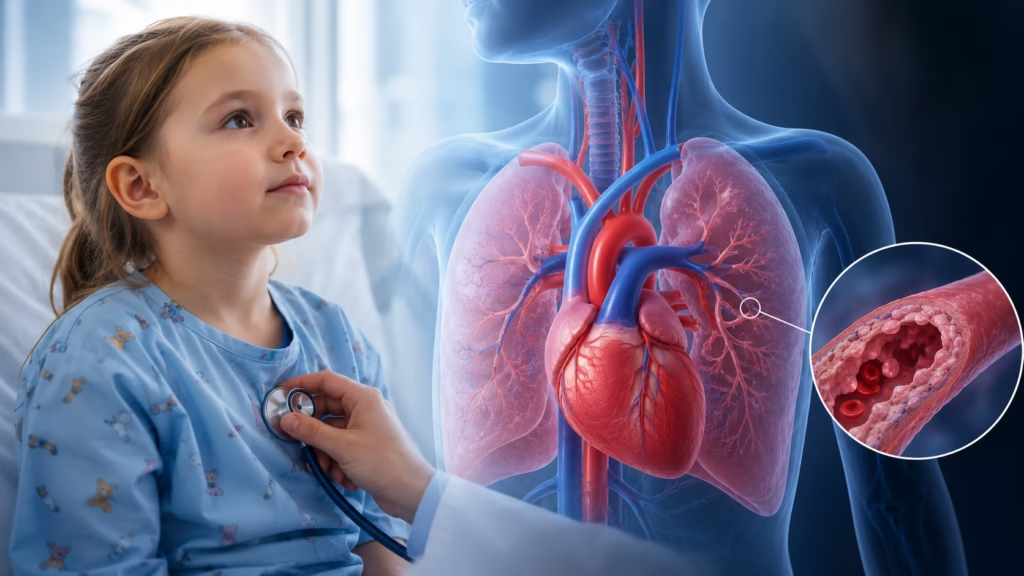
Table of Contents
Quick answer
Pediatric pulmonary hypertension is a condition where the blood pressure in the lungs' arteries is abnormally high, forcing the right side of the heart to work harder. Over time this can damage the heart and limit a child’s growth, activity and overall health if not treated promptly.
Introduction
Pediatric pulmonary hypertension is a rare but potentially life-threatening condition that affects the blood vessels within a child’s lungs. Although it is less common in children than in adults, its impact can be profound, influencing a child’s ability to grow, develop, participate in normal activities, and maintain a good quality of life. The condition occurs when blood pressure within the pulmonary arteries becomes abnormally high, forcing the heart to work much harder than normal to pump blood through the lungs.
Over time, this increased workload can weaken the right side of the heart and lead to serious complications, including heart failure. Because the early signs of pediatric pulmonary hypertension can be subtle and easily mistaken for other childhood illnesses, diagnosis is often delayed. However, advances in medical research, improved diagnostic techniques, and the development of targeted therapies have significantly improved outcomes for many children living with this condition.
Understanding the causes, symptoms, diagnostic process, and treatment options is essential for parents, caregivers, healthcare providers, and anyone involved in a child’s care. With early recognition and appropriate management, many children with pulmonary hypertension can achieve better health outcomes and enjoy a more active and fulfilling life.
What Is Pediatric Pulmonary Hypertension?
Pulmonary hypertension refers to abnormally elevated blood pressure within the pulmonary arteries, which are the blood vessels responsible for carrying blood from the right side of the heart to the lungs. In healthy individuals, these vessels remain flexible and open, allowing blood to flow easily through the lungs where it receives oxygen before returning to the heart.
In children with pulmonary hypertension, the walls of these arteries become narrowed, thickened, stiffened, or damaged. As a result, blood encounters increased resistance while passing through the lungs. This forces the right ventricle, the chamber responsible for pumping blood into the pulmonary arteries, to generate greater pressure to maintain blood flow.
Initially, the heart compensates by working harder. However, over time, the continuous strain can cause the right ventricle to enlarge and weaken. If left untreated, this process may eventually result in right-sided heart failure, reduced oxygen delivery throughout the body, and severe limitations in physical activity.
Pediatric pulmonary hypertension differs from adult pulmonary hypertension in several important ways. The causes, disease progression, and treatment approaches often vary significantly between children and adults. For this reason, children with pulmonary hypertension require specialized evaluation and management from healthcare professionals experienced in pediatric cardiovascular and pulmonary disorders.
Causes and Risk Factors
The causes of pulmonary hypertension in children are diverse and often more complex than those seen in adults. In many cases, the condition develops secondary to another underlying disease or abnormality.
One of the most common causes is congenital heart disease. Structural abnormalities present at birth, such as ventricular septal defects, atrial septal defects, and patent ductus arteriosus, can alter normal blood flow patterns and increase pressure within the pulmonary circulation. If these defects are not corrected promptly, long-term damage to the pulmonary blood vessels may occur.
Chronic lung diseases also represent a significant risk factor. Premature infants who develop bronchopulmonary dysplasia are particularly vulnerable. This condition affects lung development and can increase resistance within the pulmonary arteries. Other chronic lung disorders, including interstitial lung disease and certain genetic abnormalities affecting lung function, may also contribute to the development of pulmonary hypertension.
Genetic factors play an important role in some children. Mutations in genes such as BMPR2 have been linked to hereditary forms of pulmonary arterial hypertension. These genetic abnormalities can affect the growth and function of blood vessel cells, increasing susceptibility to pulmonary vascular disease.
Certain systemic illnesses may also increase risk. Connective tissue disorders, autoimmune diseases, HIV infection, liver disease, and some rare metabolic conditions have all been associated with pulmonary hypertension. Additionally, exposure to certain medications or toxins may contribute to the development of the disease in susceptible individuals.
In some children, no identifiable cause can be found despite extensive evaluation. These cases are classified as idiopathic pulmonary arterial hypertension.
Signs and Symptoms
The symptoms of pediatric pulmonary hypertension often develop gradually and may be difficult to recognize in the early stages. Many children appear healthy initially, which can delay diagnosis.
One of the earliest symptoms is shortness of breath during physical activity. Children may become winded more easily than their peers or require frequent rest during play. Parents may notice that their child avoids physical activities they previously enjoyed or struggles to keep up with classmates.
Fatigue is another common symptom. Because the heart and lungs are working harder to deliver oxygen throughout the body, children may experience persistent tiredness and reduced energy levels. Infants may become fatigued during feeding and may not consume enough calories to support normal growth.
Poor growth and failure to thrive are particularly important warning signs in infants and young children. Inadequate oxygen delivery and increased energy expenditure can interfere with normal weight gain and development.
Some children experience dizziness, lightheadedness, or fainting episodes, particularly during physical exertion. These symptoms occur because the heart may be unable to increase blood flow adequately during periods of increased demand.
As the disease progresses, swelling may develop in the legs, ankles, abdomen, or around the eyes. This swelling results from fluid retention associated with right-sided heart dysfunction. In advanced cases, the lips, fingertips, or nail beds may develop a bluish coloration known as cyanosis, indicating inadequate oxygen levels in the blood.
Because many of these symptoms overlap with other pediatric conditions, ongoing communication with healthcare providers is essential whenever concerning signs arise.
How Pediatric Pulmonary Hypertension Is Diagnosed
Diagnosing pediatric pulmonary hypertension requires a thorough evaluation by specialists familiar with the condition. The diagnostic process begins with a detailed medical history and physical examination.
During the examination, healthcare providers assess breathing patterns, growth parameters, oxygen saturation levels, heart sounds, and signs of fluid retention. They also evaluate any risk factors such as congenital heart disease, prematurity, or family history of pulmonary hypertension.
Echocardiography is usually the first major diagnostic test performed. This noninvasive ultrasound examination provides valuable information about heart structure and function. It allows physicians to estimate pulmonary artery pressures, assess right ventricular performance, and identify congenital heart defects that may contribute to elevated pressures.
Although echocardiography is extremely useful, cardiac catheterization remains the gold standard for diagnosis. During this procedure, a thin catheter is inserted into the blood vessels and advanced into the heart and pulmonary arteries. Direct pressure measurements are obtained, providing the most accurate assessment of disease severity. Cardiac catheterization also allows physicians to evaluate how the pulmonary arteries respond to specific medications.
Additional imaging studies may include chest X-rays, computed tomography scans, and magnetic resonance imaging. These tests help identify lung abnormalities, vascular anomalies, or other structural causes of pulmonary hypertension.
Blood tests are often performed to investigate underlying conditions such as autoimmune disorders, genetic abnormalities, liver disease, or infections. Exercise testing may also be used in older children to evaluate physical capacity and monitor disease progression.
Because pediatric pulmonary hypertension is highly specialized, referral to a dedicated pediatric pulmonary hypertension center is often recommended.
Treatment Approaches
The treatment of pediatric pulmonary hypertension focuses on reducing pulmonary artery pressure, improving symptoms, slowing disease progression, and enhancing quality of life.
Medication therapy forms the foundation of treatment for many children. Phosphodiesterase-5 inhibitors, such as sildenafil, help relax pulmonary blood vessels and improve blood flow. These medications are commonly used and have demonstrated benefits in many pediatric patients.
Endothelin receptor antagonists, including bosentan and ambrisentan, target substances that cause blood vessel narrowing. By blocking these effects, the medications help reduce pulmonary vascular resistance and improve circulation.
Prostacyclin therapies represent another important treatment category. These medications, including epoprostenol and treprostinil, promote blood vessel dilation and inhibit abnormal cell growth within the pulmonary arteries. They are often reserved for more severe cases but can provide substantial benefits.
A small percentage of children demonstrate responsiveness to calcium channel blockers during cardiac catheterization testing. These patients may experience significant improvement with this treatment approach.
Supportive therapies such as oxygen supplementation and diuretics may also be prescribed. Oxygen helps maintain adequate blood oxygen levels, while diuretics reduce fluid accumulation and decrease cardiac workload.
Advanced Interventions and Surgical Options
For children with severe or progressive disease, advanced interventions may become necessary.
One option is atrial septostomy, a procedure that creates a small opening between the upper chambers of the heart. This allows pressure to be partially relieved from the right side of the heart, improving circulation and reducing symptoms in selected patients.
In cases where medical therapy is no longer effective, lung transplantation or combined heart-lung transplantation may be considered. Although transplantation carries significant risks, it can offer a lifesaving option for children with end-stage disease.
Advances in surgical techniques and post-transplant care have improved outcomes substantially over recent decades.
The Importance of Multidisciplinary Care
Managing pediatric pulmonary hypertension requires a coordinated team approach. Because the condition affects multiple aspects of a child’s health, care is often provided by specialists from various disciplines.
Pediatric cardiologists and pulmonologists oversee medical management and monitor disease progression. Specialized nurses help coordinate care and educate families about treatment plans. Dietitians support nutritional needs, while physical therapists assist with maintaining appropriate activity levels.
Psychologists and counselors can help children and families cope with the emotional challenges associated with chronic illness. Social workers often assist with insurance issues, school accommodations, transportation concerns, and access to community resources.
This multidisciplinary approach ensures comprehensive care that addresses not only physical health but also emotional, developmental, and social well-being.
Living with Pediatric Pulmonary Hypertension
Daily management plays a critical role in maintaining health and improving outcomes. Families are essential partners in care.
Medication adherence is one of the most important responsibilities. Administering medications consistently and monitoring for side effects helps maximize treatment effectiveness.
Parents should maintain detailed records of symptoms, growth patterns, oxygen needs, and physical activity tolerance. These records provide valuable information during follow-up appointments and help guide treatment decisions.
Children should be encouraged to participate in safe, age-appropriate activities while avoiding excessive physical strain. Activity recommendations vary depending on disease severity and should be individualized under medical supervision.
School support is also important. Some children may qualify for accommodations through individualized education programs or 504 plans to address fatigue, medical appointments, or activity restrictions.
Connecting with support groups and patient advocacy organizations can provide valuable emotional support, educational resources, and opportunities to learn from other families facing similar challenges.
Research and Future Directions
Research in pediatric pulmonary hypertension continues to advance rapidly. Scientists are investigating new medications that target previously unrecognized disease pathways, offering hope for improved outcomes.
Genetic research is providing greater insight into the molecular causes of pulmonary hypertension and may eventually lead to personalized treatment approaches. Emerging therapies targeting inflammation, vascular remodeling, and abnormal cell growth are also under investigation.
International patient registries are helping researchers better understand disease patterns and treatment responses in children. These large databases contribute to improved clinical guidelines and evidence-based care.
Telemedicine and remote monitoring technologies are expanding access to specialized care, particularly for families living far from pediatric pulmonary hypertension centers.
Conclusion
Pediatric pulmonary hypertension is a serious and complex condition that requires early recognition, accurate diagnosis, and specialized management. Although the disease can significantly affect a child’s health and quality of life, advances in medical therapy, surgical interventions, and multidisciplinary care have transformed outcomes for many patients.
Through early detection, individualized treatment plans, regular follow-up, and strong family involvement, children with pulmonary hypertension can achieve improved symptom control, better physical functioning, and enhanced overall well-being. Continued research offers hope that future therapies will further improve survival and quality of life for affected children.
Families who suspect pulmonary hypertension or who are seeking additional expertise should consult a specialized pediatric pulmonary hypertension center. With the right care team and a proactive approach, many children can successfully navigate the challenges of this rare condition and look forward to brighter futures.
Disclaimer
This article is for educational purposes only and does not replace professional medical advice, diagnosis, or treatment. Seizures, severe headache, confusion, visual changes, or blood pressure readings in the hypertensive crisis range require urgent medical evaluation.
When to see a doctor
- Persistent shortness of breath during play
- Unexplained fatigue or poor weight gain
- Swelling of ankles, abdomen or around the eyes
- Bluish colour of lips or fingertips
- Fainting episodes during activity
- Call emergency services if sudden severe breathing difficulty occurs
If symptoms are severe or come on suddenly, call your local emergency number.
Frequently asked questions
What are the main types of pediatric pulmonary hypertension?
The condition is classified mainly as pulmonary arterial hypertension, often linked to heart defects or genetic factors, and pulmonary hypertension due to lung disease or chronic hypoxia. Each type has different underlying causes and may require distinct treatment approaches.
How is pediatric pulmonary hypertension diagnosed?
Doctors use echocardiography to estimate pressures, followed by cardiac catheterisation for definitive measurement. Additional tests may include chest imaging, lung function tests and genetic screening to identify underlying causes.
Can children outgrow pulmonary hypertension?
Some children improve if the underlying cause, such as a correctable heart defect, is treated early. However, many require ongoing therapy and regular monitoring throughout childhood and sometimes into adulthood.
What treatments are available for children?
Therapies include targeted medicines that relax lung vessels, oxygen therapy, diuretics for fluid buildup, and, in select cases, surgical repair of heart defects or lung transplantation. Treatment is tailored to the child’s specific condition and severity.
Was this page helpful?
Thanks for your feedback! What could we improve?
Thank you! Your feedback helps us improve our articles.
True Impact Health articles are written by our editorial team and based on reliable sources such as public health agencies, clinical guidelines and peer-reviewed research. This article has not yet been medically reviewed. Read our editorial process.
This content is for general information and is not a substitute for professional medical advice, diagnosis or treatment.