











Best probiotic foods
Discover the Best probiotic foods to support gut health, with practical tips, a helpful table, and answers to common questions—all in one guide.
Table of Contents
Key Takeaways
- Probiotic foods naturally boost beneficial gut bacteria
- Fermented foods vary in strain diversity and potency
- Safe storage preserves probiotic benefits
- Start slowly and watch for digestive reactions
When it comes to nurturing a healthy gut, the Best probiotic foods are often the most delicious and accessible options on the grocery shelf. Probiotics are live microorganisms that, when eaten in adequate amounts, can help balance the intestinal microbiome and support digestion, immunity, and even mood. This guide will walk you through the science, the top food sources, practical ways to add them to your meals, and safety tips you can trust.
Whether you are new to fermented foods or looking to expand your repertoire, the information here is grounded in mainstream health guidance from organisations such as the National Library of Medicine. Remember that individual needs vary, so consider speaking with a qualified health professional before making major dietary changes.
Below you will find a clear, step‑by‑step overview that makes the world of probiotics easy to understand and apply.
Why Probiotics Matter
Understanding the Gut Microbiome
The gut microbiome is a community of trillions of bacteria, fungi, and other microbes that live in our digestive tract. These microbes help break down food, produce vitamins, and train the immune system. When the balance tips toward harmful bacteria, symptoms such as bloating, irregular bowel movements, and even skin issues can arise.
How Probiotic Foods Help
Probiotic foods contain live strains that can survive the journey through the stomach and reach the intestines, where they join the existing community. Regular consumption can increase microbial diversity, which research links to better digestive health, reduced inflammation, and improved mental well‑being.
Evidence from Health Authorities
Health agencies in the UK, US, and Canada acknowledge that certain fermented foods can provide modest benefits for digestive health. The evidence is strongest for strains that have been studied in clinical trials, such as Lactobacillus and Bifidobacterium found in many traditional foods.
Top Probiotic Foods by Category
Dairy‑Based Ferments
Dairy products are among the most common sources of probiotics because the fermentation process encourages the growth of beneficial bacteria.
- Yogurt: Look for “live and active cultures” on the label. Greek yogurt offers a thicker texture and higher protein.
- Kefir: A drinkable dairy product that typically contains a broader range of strains than yogurt.
- Traditional buttermilk: Naturally cultured, it provides a mild flavor and probiotic boost.
Non‑Dairy Ferments
For those avoiding dairy, many plant‑based options deliver similar benefits.
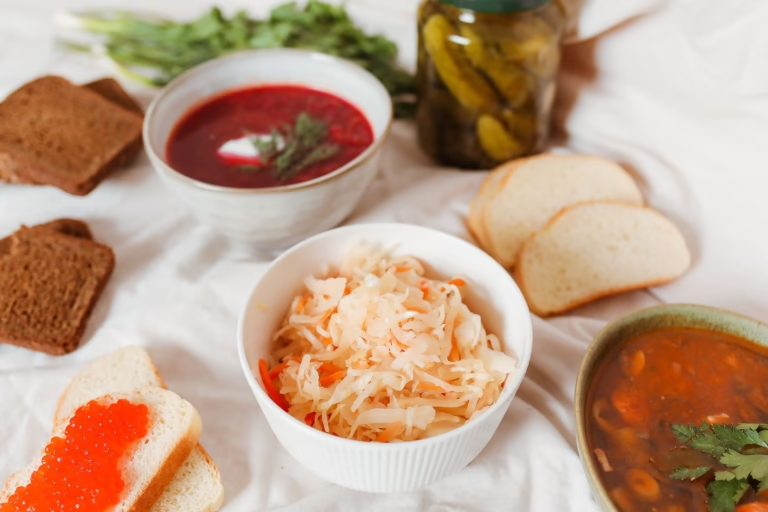
- Kimchi: A Korean staple made from cabbage, radish, and spices, fermented by Lactobacillus kimchii and other microbes.
- Sauerkraut: Fermented cabbage that is rich in vitamin C and fiber.
- Miso: A salty paste made from soybeans, rice, or barley, used in soups and sauces.
- Tempeh: Fermented soy cake that also supplies protein and fiber.
Fermented Beverages
Liquid probiotics can be a refreshing way to increase intake.
- Kombucha: A slightly effervescent tea fermented with a symbiotic culture of bacteria and yeast (SCOBY).
- Water kefir: Similar to kombucha but made with sugar water or fruit juice.
- Traditional fermented fruit drinks: Such as tepache (fermented pineapple) or beet kvass.

How to Incorporate Probiotic Foods Into Daily Meals
Breakfast Boost
Start the day with a probiotic‑rich bowl. Mix plain yogurt with berries, a drizzle of honey, and a sprinkle of granola. If you prefer a drink, pour kefir into a smoothie with banana and spinach.
Lunch and Dinner Ideas
Add a side of sauerkraut or kimchi to sandwiches, tacos, or grain bowls. Stir a spoonful of miso into soups after they have been removed from heat to preserve live cultures.
Snacks and Desserts
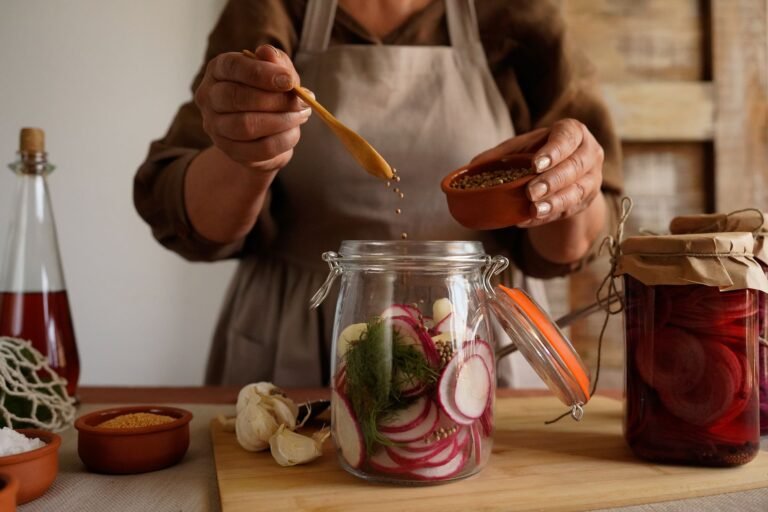
Enjoy a small cup of kombucha as a palate cleanser, or spread tempeh slices on toast with avocado. Fermented pickles (without vinegar) also make a crunchy snack.
Sample Weekly Plan
- Monday: Greek yogurt with fruit.
- Tuesday: Miso soup with tofu.
- Wednesday: Kimchi fried rice.
- Thursday: Kefir smoothie.
- Friday: Sauerkraut on a veggie sandwich.
- Saturday: Kombucha with a light salad.
- Sunday: Tempeh stir‑fry.
Storing and Handling Probiotic Foods Safely
Live cultures are sensitive to temperature, light, and time. To keep them potent, follow these simple guidelines:
- Refrigerate dairy ferments and most vegetable ferments promptly after opening.
- Keep kombucha sealed and store it in the fridge; exposure to heat can reduce bacterial counts.
- Use clean utensils when scooping out foods to avoid cross‑contamination.
- Check expiration dates; many probiotic foods lose viability after several weeks.
When in doubt, a quick smell test can help. Fermented foods should have a pleasant tangy aroma; off‑smells may indicate spoilage.
Potential Side Effects and Who Should Be Cautious
Most people tolerate probiotic foods well, but some may experience mild digestive changes, such as gas or bloating, especially when starting out. These symptoms usually subside within a few days.
Individuals with compromised immune systems, those taking certain antibiotics, or people with severe illnesses should consult a doctor before adding large amounts of fermented foods.
People with histamine intolerance may react to aged cheeses, sauerkraut, or kombucha, as these foods can contain higher levels of histamine.

Choosing the Right Probiotic Food for Your Goals
Digestive Comfort
If you are looking to ease occasional constipation or irregularity, foods high in Lactobacillus (like yogurt and kefir) are a good start.
Immune Support
Strains such as Bifidobacterium lactis, found in many fermented dairy products, have been linked to enhanced immune response.
Flavor Preferences
Spicy kimchi may appeal to those who enjoy bold flavors, while mild yogurt suits a sweeter palate.
Budget and Accessibility
Store‑bought sauerkraut and plain kefir are often inexpensive and widely available, making them practical entry points.
Probiotic Content of Common Foods
| Food | Approximate CFU per serving | Key Strains |
|---|---|---|
| Plain yogurt (1 cup) | 10‑100 billion | Lactobacillus bulgaricus, Streptococcus thermophilus |
| Kefir (1 cup) | 20‑200 billion | Lactobacillus kefiri, Bifidobacterium spp. |
| Kimchi (½ cup) | 1‑10 billion | Lactobacillus kimchii, Leuconostoc spp. |
| Sauerkraut (½ cup) | 1‑5 billion | Lactobacillus plantarum |
| Miso (1 tbsp) | 1‑5 billion | Various Aspergillus and Lactobacillus strains |
| Kombucha (1 cup) | 0.1‑1 billion | SCOBY yeast‑bacteria mix |
Probiotic Foods for Specific Health Conditions
Irritable Bowel Syndrome Relief
People with irritable bowel syndrome (IBS) often benefit from foods that contain strains such as Bifidobacterium infantis and Lactobacillus plantarum. Fermented dairy like kefir and cultured soy drinks can deliver these strains in a form that is easy to digest. Regular consumption, typically one serving per day, has been shown in clinical trials to reduce bloating, abdominal pain, and irregular bowel movements.
Supporting Vaginal Health
The vaginal microbiome thrives on lactobacilli that produce lactic acid, keeping pH low and inhibiting pathogenic growth. Probiotic yogurts that list live Lactobacillus rhamnosus or Lactobacillus reuteri can help replenish these beneficial bacteria after antibiotic treatment or hormonal changes. Pairing the yogurt with a small amount of fiber-rich fruit improves absorption and supports overall microbiome balance.
Immune Support During Cold Season
Winter months place extra demand on the immune system, and certain probiotic foods can act as an additional line of defense. Fermented vegetables such as sauerkraut, kimchi, and pickled cucumbers contain a broad spectrum of lactic‑acid bacteria that stimulate gut‑associated lymphoid tissue. Including at least one fermented vegetable serving daily can enhance the activity of natural killer cells and reduce the duration of common colds.
- Start meals with a small side of kimchi or sauerkraut.
- Blend fermented vegetables into soups after cooking to preserve live cultures.
- Combine with vitamin C‑rich foods for synergistic immune support.

Seasonal and Regional Probiotic Food Options
Spring Ferments
In many temperate regions, spring brings fresh herbs and young vegetables that are ideal for quick fermentation. Lightly salted radish kimchi, herb‑infused kefir, and fermented green pea hummus provide seasonal probiotic boosts without heavy spices. These foods are especially useful for people who prefer milder flavors while still gaining microbial diversity.
Winter Comfort Ferments
Cold weather encourages heartier, longer‑fermented products that develop deeper flavors and higher bacterial counts. Traditional winter staples include Russian kvass made from rye bread, German sauerkraut fermented for several weeks, and Japanese miso that ages for months. Each of these foods supplies distinct strains that can survive low temperatures and still remain active when consumed warm.
- Kvass – a low‑alcohol, probiotic beverage rich in Lactobacillus brevis.
- Sauerkraut – high in fiber and vitamin C, supporting gut health.
- Miso – provides both probiotics and essential amino acids.
Tips for Maximizing Probiotic Viability in Cooking
Heat Sensitive Timing
Most probiotic bacteria begin to lose viability above 115°F (46°C). To protect the cultures, add fermented foods after the cooking process has finished and the dish has cooled slightly. For example, stir kefir or yogurt into a soup just before serving, or top a baked potato with sauerkraut while it is still warm but not boiling.
Acidic Environment Benefits
Acidity can help preserve live cultures during short heating periods. Adding a splash of lemon juice or a small amount of vinegar to a stir‑fry before introducing fermented ingredients creates a pH‑friendly environment that reduces bacterial die‑off. This technique is especially useful when preparing dishes that require brief sautéing.
Combining Prebiotics for Synergy
Prebiotic fibers such as inulin, resistant starch, and oligosaccharides feed probiotic bacteria, enhancing their activity in the gut. Pairing probiotic foods with prebiotic‑rich partners creates a synbiotic effect that improves colonization and health outcomes. Consider these combinations when planning meals:
- Kefir with a banana or oat‑based granola for added inulin.
- Sauerkraut served alongside cooked lentils or chickpeas.
- Miso soup enriched with seaweed and sweet potato, both sources of resistant starch.
Frequently Asked Questions
Can I cook probiotic foods and still get benefits?
Heat destroys many live cultures. It is best to add probiotic foods after cooking, such as stirring miso into hot soup off the heat or topping a baked dish with kimchi.
Do probiotic supplements work better than foods?
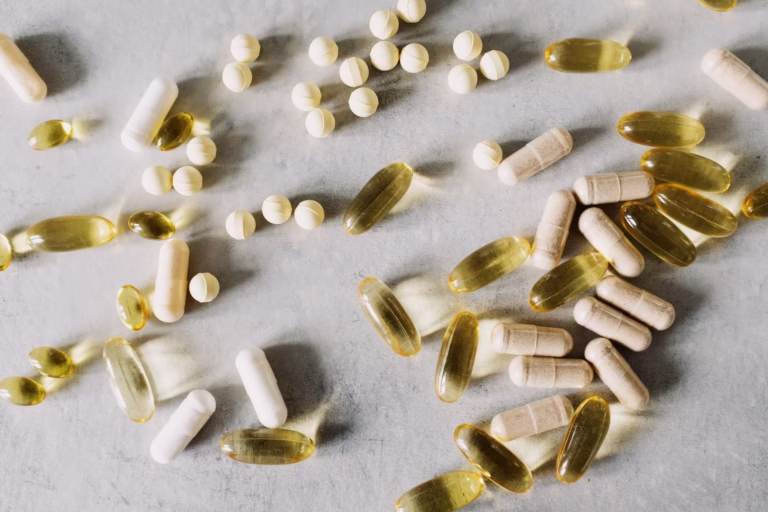
Both have advantages. Foods provide a matrix of nutrients and fiber that help bacteria thrive, while supplements offer precise strain counts. Choose based on personal preference and guidance from a health professional.
How much probiotic food should I eat each day?
There is no universal recommendation, but a typical serving of yogurt, kefir, or sauerkraut (about ½‑1 cup) per day is a reasonable starting point.
Are there any probiotic foods for children?
Yes. Plain yogurt and kefir are gentle options for kids. Start with small portions and watch for any digestive changes.
The Bottom Line
Incorporating the Best probiotic foods into your routine can be a tasty way to support gut health, immunity, and overall well‑being. Choose a variety of dairy and non‑dairy ferments, store them properly, and introduce them gradually. When in doubt, seek advice from a qualified health professional to tailor choices to your individual needs.
Was this page helpful?
Thanks for your feedback! What could we improve?
Thank you! Your feedback helps us improve our articles.
True Impact Health articles are written by our editorial team and based on reliable sources such as public health agencies, clinical guidelines and peer-reviewed research. This article has not yet been medically reviewed. Read our editorial process.
This content is for general information and is not a substitute for professional medical advice, diagnosis or treatment.