














Why do probiotics make me bloated?
Discover why probiotics can cause bloating, what factors matter, and how to enjoy their benefits without discomfort.
Table of Contents
Key Takeaways
- Probiotics can produce gas as they adjust your gut flora.
- Strain selection, dosage, and timing influence bloating risk.
- Gradual introduction and supportive foods can minimise discomfort.
- Seek medical advice if bloating persists or is severe.
Many people start taking probiotic supplements hoping for smoother digestion, stronger immunity, or a happier gut. Yet a common question pops up: Why do probiotics make me bloated? If you’ve felt a sudden puffiness after beginning a new probiotic, you’re not alone. This guide explains the science behind the gas, the factors that increase risk, and practical steps to keep your tummy calm while still reaping the benefits.
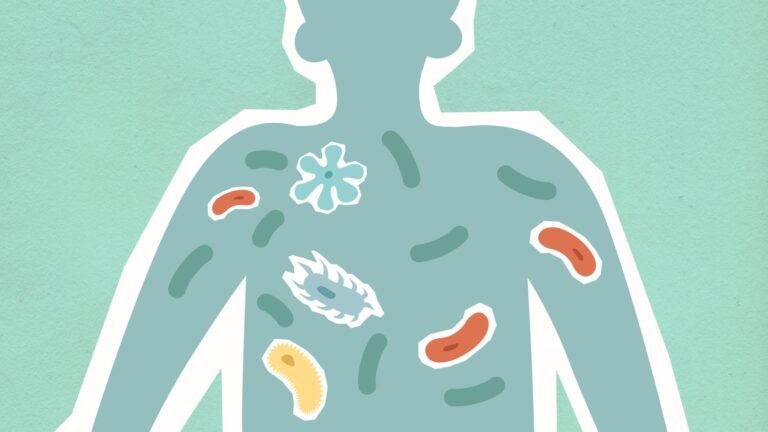
Probiotics are live microorganisms that, when consumed in adequate amounts, can confer health benefits. They work by adding friendly bacteria to your gut, helping to balance the existing microbial community. However, this balancing act can temporarily produce extra gas, especially when the new strains interact with the food you eat and the bacteria already present.
Understanding the underlying mechanisms empowers you to make smarter choices, avoid unnecessary discomfort, and decide when professional help is needed.
Why do probiotics make me bloated?
What are probiotics?
Probiotics are defined by health authorities such as the U.S. National Library of Medicine as “live microorganisms that, when administered in adequate amounts, confer a health benefit on the host.” Common strains belong to the Lactobacillus, Bifidobacterium, and Saccharomyces genera. They are found in fermented foods (yogurt, kefir, kimchi) and in dietary supplements.
How they work in the gut
When you swallow a probiotic, the bacteria travel through the stomach’s acidic environment and settle in the intestines. There they compete with existing microbes, produce short‑chain fatty acids, and help maintain the intestinal barrier. This activity can improve digestion, support the immune system, and even influence mood.
Common side effects, including bloating
The most frequently reported side effect is a temporary increase in gas and bloating. This occurs because the new bacteria ferment carbohydrates that were previously unprocessed, releasing carbon dioxide, hydrogen, and sometimes methane. Most people notice the effect within the first few days, and it usually subsides as the gut ecosystem stabilises.
How probiotics affect gut gas production
Gas is a normal by‑product of digestion. Your gut contains bacteria that break down fibers, sugars, and other carbohydrates that human enzymes cannot digest on their own. When you add probiotic strains, you are essentially adding new “workers” to the fermentation floor.
Some strains are especially efficient at fermenting certain sugars, such as lactose or fructooligosaccharides (FOS). If you consume foods rich in these sugars while the probiotic is establishing itself, the result can be a noticeable rise in gas.
In addition, the gut’s existing microbial community may initially resist the newcomer, leading to a short period of competition. This competition can cause transient dysbiosis, where the balance tips toward gas‑producing pathways.

Factors that increase the risk of bloating
Not everyone experiences bloating with probiotics. Several personal and product‑related factors influence the likelihood:
- Strain specificity: Some strains, like Lactobacillus acidophilus, are more prone to produce gas than others, such as Bifidobacterium lactis.
- Dosage size: High colony‑forming unit (CFU) counts can overwhelm a delicate gut, especially if you start with a large dose.
- Dietary habits: Consuming large amounts of fermentable fiber, sugar alcohols, or dairy while starting a probiotic can amplify gas production.
- Existing gut health: Conditions like irritable bowel syndrome (IBS) or small intestinal bacterial overgrowth (SIBO) make the gut more sensitive to changes.
- Medication interactions: Antibiotics, proton‑pump inhibitors, and certain laxatives can alter how probiotics survive and colonise.
Understanding these variables helps you tailor your probiotic regimen to minimise discomfort.
Choosing the right probiotic strain
When selecting a supplement, look beyond marketing claims and focus on scientific evidence. Below is a quick reference table that matches popular strains with their typical benefits and their relative propensity to cause gas.
| Strain | Typical Benefits | Potential for Gas/Bloating |
|---|---|---|
| Lactobacillus rhamnosus | Supports immune health, may reduce diarrhea | Low to moderate |
| Lactobacillus acidophilus | Helps with lactose digestion | Moderate |
| Bifidobacterium longum | Improves gut barrier function | Low |
| Bifidobacterium infantis | Reduces IBS symptoms | Low |
| Saccharomyces boulardii | Prevents antibiotic‑associated diarrhea | Very low |
If you are prone to gas, start with low‑gas strains like Bifidobacterium longum or Saccharomyces boulardii. Avoid high‑dose products that combine many strains until you know how your gut reacts.
How to start probiotics without discomfort
Here is a step‑by‑step plan to introduce probiotics gently:
- Pick a low‑CFU product: Begin with 1-5 billion CFU per day, rather than the 20-50 billion CFU found in many commercial packs.
- Take with food: Consuming probiotics with a small meal buffers stomach acid, improving survival rates and reducing sudden fermentation spikes.
- Gradually increase: After three to five days, raise the dose by another 5 billion CFU if you feel comfortable.
- Monitor your diet: Reduce high‑FODMAP foods (e.g., onions, garlic, beans) during the first week to limit extra fermentable substrates.
- Stay hydrated: Water helps move gas through the intestines and eases bloating.
Most people find that after two weeks of gradual introduction, the bloating subsides and they begin to notice the intended benefits.

When to see a health professional
While mild bloating is usually harmless, certain signs warrant a medical evaluation:
- Severe abdominal pain that does not improve within 24 hours.
- Persistent bloating lasting more than two weeks despite dose adjustments.
- Accompanied symptoms such as unexplained weight loss, blood in stool, or fever.
- Known digestive disorders (IBS, Crohn’s disease, ulcerative colitis) where probiotic use may need specialist guidance.
If any of these occur, schedule an appointment with your primary care provider or a gastroenterologist. They can assess whether a probiotic is appropriate, suggest a different strain, or investigate other underlying conditions.
Understanding Prebiotic Interactions
How prebiotics feed probiotic strains
Prebiotics are nondigestible fibers that serve as food for beneficial bacteria. When a probiotic supplement arrives in the colon, it relies on available prebiotic substrates to multiply and exert its effects. The presence of adequate prebiotic material can enhance colonization, but the process also generates short‑chain fatty acids and gases as by‑products. This metabolic activity explains why some people notice increased flatulence after starting a new probiotic combined with a high‑fiber diet.
Research shows that matching specific prebiotic types to compatible probiotic strains can improve outcomes. For example, inulin tends to support Bifidobacterium species, while resistant starch is more readily utilized by certain Lactobacillus strains. Selecting a probiotic that aligns with the dominant prebiotic in one’s diet may reduce the surprise of sudden bloating.
When excess prebiotic fiber can cause gas
Even when the probiotic itself is well tolerated, an abrupt rise in prebiotic intake can overwhelm the existing microbial community. The sudden surge of fermentable substrate leads to rapid bacterial fermentation, releasing hydrogen, methane, and carbon dioxide. These gases accumulate in the lumen and can produce a sensation of abdominal distension.
Gradual introduction of prebiotic foods allows the resident microbiota to adapt, limiting excessive gas production. Monitoring symptoms during the first week of a new supplement can help identify whether the prebiotic load, rather than the probiotic, is the primary trigger.
- Inulin (found in chicory root, Jerusalem artichoke, and some onions)
- Resistant starch (found in cooled potatoes, green bananas, and legumes)
- Galactooligosaccharides (found in beans and certain dairy products)

The Role of Diet Composition in Probiotic‑Related Bloating
Carbohydrate types and fermentability
Not all carbohydrates ferment at the same rate. Simple sugars are absorbed quickly in the small intestine, leaving little substrate for colonic bacteria. Complex carbohydrates, especially those rich in fructans and raffinose, travel farther and become prime material for bacterial fermentation.
When a probiotic is introduced alongside a diet high in fermentable carbohydrates, the combined effect can amplify gas production. Adjusting carbohydrate sources to include more low‑fermentable options can help mitigate this response while preserving probiotic benefits.
Protein and fat balance
Protein and fat have a moderating effect on fermentation. Dietary fat slows gastric emptying, which can reduce the speed at which carbohydrates reach the colon. Adequate protein intake supports the growth of bacterial species that produce fewer gases compared with carbohydrate‑fermenting microbes.
Balancing meals with a moderate amount of healthy fats and lean proteins can create a more stable environment for probiotic activity, decreasing the likelihood of bloating spikes after supplementation.
- Low‑fermentable carbohydrate sources: rice, quinoa, peeled cucumbers, and zucchini
- Healthy fat choices: olive oil, avocado, and nuts in modest portions
- Lean protein options: poultry, fish, tofu, and low‑fat dairy
When to Adjust Your Probiotic Regimen
Signs that dosage may be too high
Persistent abdominal pressure, frequent belching, and a sensation of fullness after meals can indicate that the probiotic dose exceeds the gut’s capacity to process the added microbes. While some mild discomfort is normal during the adaptation period, symptoms that last beyond ten days merit a dosage review.
Reducing the number of capsules or switching to a lower CFU (colony‑forming unit) product often restores comfort without abandoning the therapeutic advantages of probiotics.
Switching strains or delivery formats
Different strains have distinct metabolic pathways. If one strain consistently produces bloating, selecting an alternative with a documented lower gas profile may be effective. For example, certain Saccharomyces boulardii preparations are less likely to generate hydrogen compared with some Lactobacillus strains.
Delivery format also matters. Freeze‑dried powders tend to release bacteria more gradually than enteric‑coated tablets, which may lessen the abrupt microbial surge that triggers gas formation.
- Step 1: Track symptoms for at least one week after each change.
- Step 2: Reduce CFU count by 50 % if bloating persists.
- Step 3: Choose a strain with documented low‑gas production or switch to a powder form.
- Step 4: Re‑evaluate after another week; consult a clinician if symptoms continue.
Frequently Asked Questions
Can I take probiotics every day?
For most healthy adults, daily use is safe. However, the optimal duration varies by goal. Some people cycle on and off every few months to prevent the gut from becoming overly dependent on a single strain.
Do fermented foods cause the same bloating as supplements?
Fermented foods contain live cultures, but they typically have lower CFU counts than concentrated supplements. The gradual exposure from foods often results in less noticeable gas, though sensitive individuals may still react.
Is it okay to combine multiple probiotic products?
Mixing products can increase the total CFU load and introduce many strains at once, raising the risk of bloating. It’s better to stick with one well‑researched formula and adjust dosage as needed.
What about prebiotics, do they affect bloating?
Prebiotics are non‑digestible fibers that feed beneficial bacteria. While they support probiotic growth, they also ferment into gas. Introducing prebiotics slowly (e.g., a teaspoon of inulin per day) can help the gut adapt without excessive bloating.
The Bottom Line
Probiotics can cause temporary bloating as they interact with your existing gut flora and ferment dietary carbohydrates. By choosing low‑gas strains, starting with a modest dose, and pairing the supplement with a balanced diet, most people can minimise discomfort and still enjoy improved digestion, immunity, and overall gut health. Persistent or severe symptoms should always be discussed with a qualified health professional.
Was this page helpful?
Thanks for your feedback! What could we improve?
Thank you! Your feedback helps us improve our articles.
True Impact Health articles are written by our editorial team and based on reliable sources such as public health agencies, clinical guidelines and peer-reviewed research. This article has not yet been medically reviewed. Read our editorial process.
This content is for general information and is not a substitute for professional medical advice, diagnosis or treatment.