













Can probiotics help with bloating?
Can probiotics help with bloating? Find out how gut-friendly bacteria may ease discomfort, what strains work best, and safe lifestyle tips.

Table of Contents
Key Takeaways
- Probiotics can support a balanced gut microbiome, which may reduce bloating for some people.
- Evidence is strongest for specific strains like Bifidobacterium infantis and Lactobacillus plantarum.
- Lifestyle factors such as diet, hydration, and stress management also play a crucial role.
- Consult a healthcare professional if bloating is persistent or severe.
When you type “Can probiotics help with bloating?” into a search engine, you’re looking for relief from that uncomfortable, swollen feeling in your abdomen. Bloating is a common complaint, and many people wonder if the tiny, live microorganisms known as probiotics might be the answer. In this guide we’ll explore what bloating is, how probiotics work, which strains have the most research support, and practical steps you can take to feel better.
Understanding the root causes of bloating is the first step toward effective relief. While occasional bloating is normal, chronic or severe symptoms may signal an underlying digestive imbalance that could benefit from targeted interventions, including probiotics.
Understanding Bloating
Bloating is the sensation of a full, tight, or distended abdomen. It often comes with visible swelling, excess gas, or a feeling that the stomach is “tight.” Common triggers include overeating, eating high‑FODMAP foods, swallowing air, hormonal changes, and imbalances in the gut microbiome.
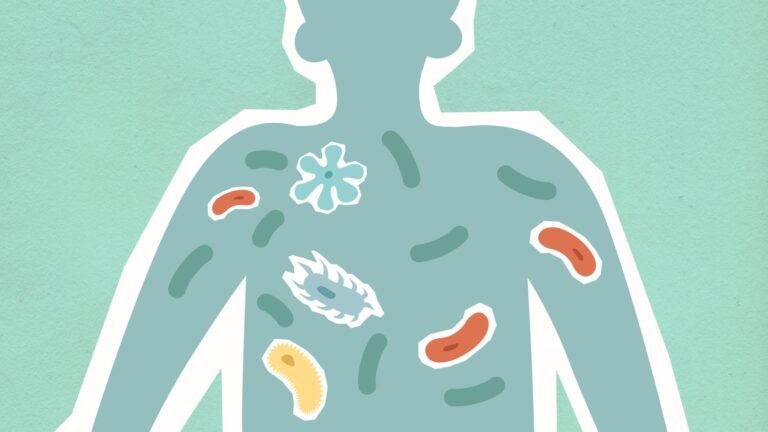
The gut microbiome is the community of bacteria, fungi, and other microorganisms that live in our intestines. When this ecosystem is out of balance, known as dysbiosis, it can affect how food is broken down, leading to excess gas production and water retention, both of which contribute to bloating.
While bloating is usually harmless, it can interfere with daily life, cause discomfort, and sometimes mask more serious conditions. Therefore, identifying the cause and applying evidence‑based strategies is essential.
What Are Probiotics?
Probiotics are live microorganisms that, when consumed in adequate amounts, provide a health benefit to the host. The most common probiotic groups belong to the genera Lactobacillus and Bifidobacterium, though other bacteria such as Saccharomyces boulardii (a yeast) are also used.
These friendly microbes can help restore balance to the gut microbiome, improve the intestinal barrier, and modulate the immune system. By influencing digestion, they may reduce the production of gas‑forming compounds and help the gut move contents more efficiently, potentially easing bloating.
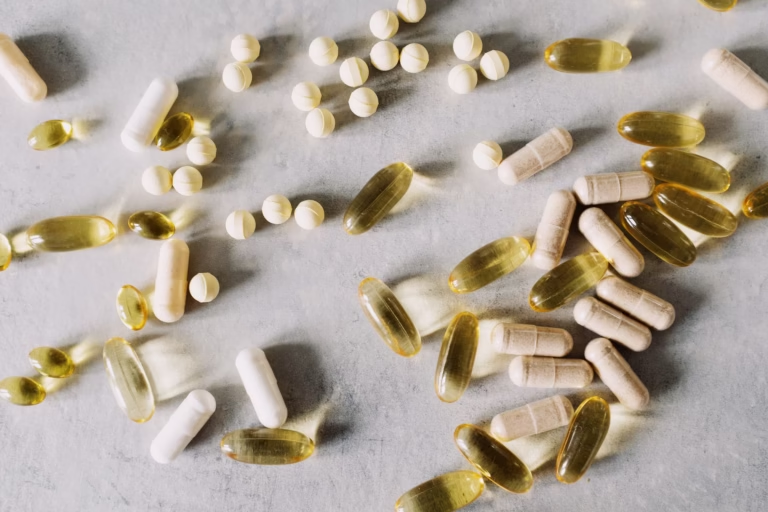
Probiotics are available in fermented foods (yogurt, kefir, sauerkraut, kimchi) and dietary supplements. The specific strain, dose, and duration of use are critical factors that determine whether a probiotic will be effective for a particular symptom.

How Probiotics May Reduce Bloating
Research suggests several mechanisms by which probiotics could alleviate bloating:
- Competitive inhibition: Beneficial bacteria compete with gas‑producing bacteria for nutrients, limiting excess gas formation.
- Fermentation balance: Certain strains produce short‑chain fatty acids that support healthy gut motility, reducing the time food spends in the colon where fermentation can cause gas.
- Barrier support: Probiotics can strengthen the intestinal lining, decreasing permeability and preventing the irritation that can trigger bloating.
Clinical studies are not uniform, but several well‑designed trials have shown modest improvements in bloating scores when participants took specific probiotic strains for 4-12 weeks.
It is important to note that not every probiotic works for everyone. The effect depends on the individual’s existing gut flora, diet, and the specific strain used.
Choosing the Right Probiotic Strain
When looking for a probiotic to target bloating, focus on strains that have been studied for gas‑related symptoms. The table below summarizes the most commonly researched strains and the strength of the evidence.
| Strain | Key Benefit | Evidence Quality |
|---|---|---|
| Bifidobacterium infantis 35624 | Reduces abdominal distension and gas | Moderate |
| Lactobacillus plantarum 299v | Improves stool consistency, lowers bloating scores | Moderate |
| Lactobacillus acidophilus NCFM | Supports digestion of lactose, less gas in dairy consumers | Low‑to‑moderate |
| Saccharomyces boulardii CNCM I‑745 | Helps restore balance after antibiotics, may reduce gas | Low |
When purchasing a supplement, look for a product that lists the strain name, the colony‑forming units (CFU) per dose (often 1-10 billion CFU for bloating), and has third‑party testing for quality.
In addition to supplements, incorporating probiotic‑rich foods can be a gentle way to introduce beneficial bacteria. For example, a daily serving of kefir or a few spoonfuls of unsweetened yogurt provides live cultures that may complement a supplement regimen.
Lifestyle Factors that Influence Bloating
Probiotics are only one piece of the puzzle. Addressing diet, hydration, and stress can amplify their benefits.
Dietary adjustments such as reducing high‑FODMAP foods (certain fruits, beans, wheat, and dairy) can lower fermentable substrate for gas‑producing bacteria. Keeping a food diary helps identify personal triggers.
Hydration supports regular bowel movements. Aim for at least 1.5-2 liters of water per day, unless a medical condition dictates otherwise.
Physical activity stimulates gut motility. Even a short walk after meals can help move gas through the intestines.
Stress management matters because the gut‑brain axis links emotional stress to digestive symptoms. Practices such as deep breathing, yoga, or mindfulness can reduce stress‑related bloating.

When to Seek Medical Advice
While many cases of bloating are benign, certain signs suggest you should consult a healthcare professional:
- Persistent bloating lasting more than a few weeks despite lifestyle changes.
- Severe pain, weight loss, blood in stool, or vomiting.
- Symptoms accompanied by fever, night sweats, or a change in bowel habits.
A doctor may order tests to rule out conditions such as irritable bowel syndrome (IBS), small intestinal bacterial overgrowth (SIBO), celiac disease, or gallbladder issues. They can also advise whether a prescription probiotic or other medication is appropriate.
For reliable information on gastrointestinal health, you can visit MedlinePlus, a trusted resource from the U.S. National Library of Medicine.
Probiotic Interactions with Gut Microbiota
Competitive exclusion of gas‑producing bacteria
When beneficial strains colonize the intestine they can outcompete microbes that generate excess hydrogen, methane, or carbon dioxide. By consuming available nutrients and adhering to the mucosal surface, they limit the space and resources for gas‑producing organisms. This ecological shift often translates into reduced sensation of fullness and less audible abdominal distension.
Production of short‑chain fatty acids
Many Lactobacillus and Bifidobacterium species ferment dietary fibers into short‑chain fatty acids such as acetate, propionate and butyrate. These metabolites help regulate intestinal motility and maintain a balanced pH, which discourages overgrowth of fermentative pathogens. A stable pH also improves the efficiency of digestive enzymes, further lowering the amount of undigested substrate that could ferment into gas.
Modulation of the immune environment
Probiotics interact with gut‑associated lymphoid tissue, prompting the release of anti‑inflammatory cytokines. A calmer immune response reduces visceral hypersensitivity, a factor that can amplify the perception of bloating. This immunomodulatory effect complements the mechanical actions described above and supports overall comfort after meals.
- Choose multi‑strain products that include both Lactobacillus and Bifidobacterium.
- Prefer formulations that list a minimum of ten billion colony‑forming units per dose.
- Look for strains that have been studied for gas reduction, such as L. plantarum and B. lactis.

Timing and Dosage Considerations
When to take a probiotic
Most evidence supports taking probiotics on an empty stomach, typically 30 minutes before a meal or two hours after eating. The lower acidity in the stomach at those times improves bacterial survival until they reach the intestine. Some products are formulated with enteric coating, allowing flexibility to take them with food without loss of viability.
How much is enough
Daily dosage recommendations vary by strain, but a common range is one to ten billion colony‑forming units. Starting with a lower dose can help the gut adjust and reduce the likelihood of mild transient gas. If symptoms improve, the dose can be gradually increased while monitoring tolerance.
Duration of use
Short‑term trials often last four to eight weeks, providing a window to assess symptom change. For chronic bloating, many clinicians suggest a trial of at least three months before deciding on continuation or adjustment. Discontinuation should be gradual, especially after long‑term use, to avoid a sudden shift in microbial balance.
- Take the supplement at the same time each day to maintain a steady colonization pattern.
- Store probiotic products according to label instructions; some require refrigeration while others are shelf‑stable.
- Keep a simple symptom diary to track bloating intensity, timing, and any side effects.
Potential Side Effects and Safety Profile
Common, mild reactions
New users may notice a brief increase in flatulence or soft stools as the microbiome adapts. These effects typically resolve within a few days to a week. Adjusting the dose or spacing the intake further from meals can mitigate discomfort.
Populations that require caution
Individuals with compromised immune systems, such as those undergoing chemotherapy or organ transplantation, should consult a healthcare professional before starting any probiotic. Rare cases of bloodstream infection have been reported in severely immunosuppressed patients taking high‑dose preparations.
Interactions with medications
Probiotics generally do not interfere with common drugs, but they may affect the absorption of certain antibiotics if taken simultaneously. It is advisable to separate probiotic and antibiotic dosing by at least two hours to preserve bacterial viability. Patients on antifungal therapy should also discuss probiotic use, as some strains could theoretically compete with prescribed agents.
- Report persistent abdominal pain, fever, or unusual stool changes to a clinician.
- Do not exceed the manufacturer’s suggested dose without professional guidance.
- Choose products that have undergone third‑party testing for purity and strain identification.
Frequently Asked Questions
Do all probiotic supplements reduce bloating?
No. The benefit depends on the specific strain, the dose, and individual gut composition. Choose strains that have research support for bloating, such as Bifidobacterium infantis.
How long does it take to feel relief?
Most studies report noticeable improvement after 4-8 weeks of consistent use. Some people may feel better sooner, while others need longer to see a change.
Can I get enough probiotics from food alone?
For many people, fermented foods provide a helpful baseline of live cultures. However, therapeutic doses often require a supplement, especially if a specific strain is needed.
Are there any risks or side effects?
Probiotics are generally safe for healthy adults. Mild side effects such as gas or bloating can occur when first starting, but they usually resolve within a few days. People with weakened immune systems should consult a doctor before using probiotics.
The Bottom Line
Probiotics can be a valuable tool for managing bloating, particularly when you select evidence‑backed strains and pair them with healthy lifestyle habits. They are not a cure‑all, and persistent or severe symptoms warrant professional evaluation. By understanding how gut bacteria interact with digestion, you can make informed choices that support comfort and overall gut health.
Was this page helpful?
Thanks for your feedback! What could we improve?
Thank you! Your feedback helps us improve our articles.
True Impact Health articles are written by our editorial team and based on reliable sources such as public health agencies, clinical guidelines and peer-reviewed research. This article has not yet been medically reviewed. Read our editorial process.
This content is for general information and is not a substitute for professional medical advice, diagnosis or treatment.