













Best foods for gut health
Discover the best foods for gut health, including probiotic, prebiotic, and high‑fiber options, plus practical tips to nurture your microbiome.

Table of Contents
Key Takeaways
- Probiotic foods deliver live beneficial bacteria.
- Prebiotic fibers feed the good microbes already in your gut.
- A diverse, high‑fiber diet supports overall digestive balance.
- Lifestyle habits like hydration and stress control boost gut health.
When you type “Best foods for gut health” into a search engine, you’re looking for practical, science‑backed guidance on what to put on your plate to support a thriving digestive system. Your gut is home to trillions of microbes that help break down food, produce vitamins, and protect against harmful pathogens. By choosing the right foods, you can nurture this microscopic community and improve digestion, immunity, and even mood.
In this guide we’ll explore the evidence‑based foods that feed beneficial bacteria, the types of fiber that keep things moving smoothly, and the lifestyle habits that amplify those benefits. The information is intended for everyday readers and is not a substitute for professional medical advice. If you have specific health concerns, please consult a qualified health professional.
Why gut health matters
The gut microbiome explained
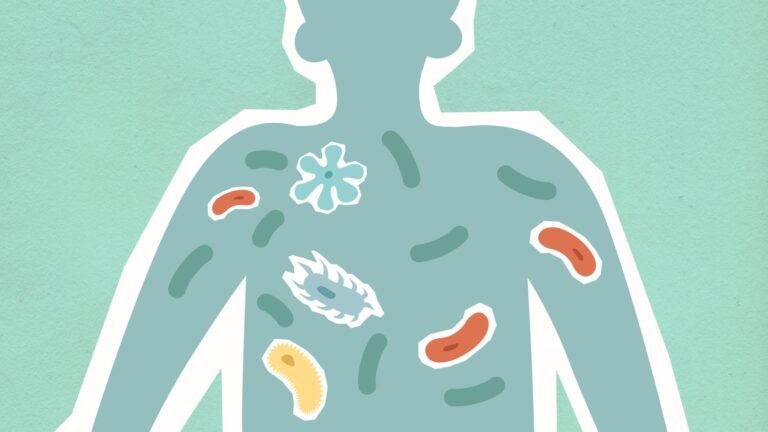
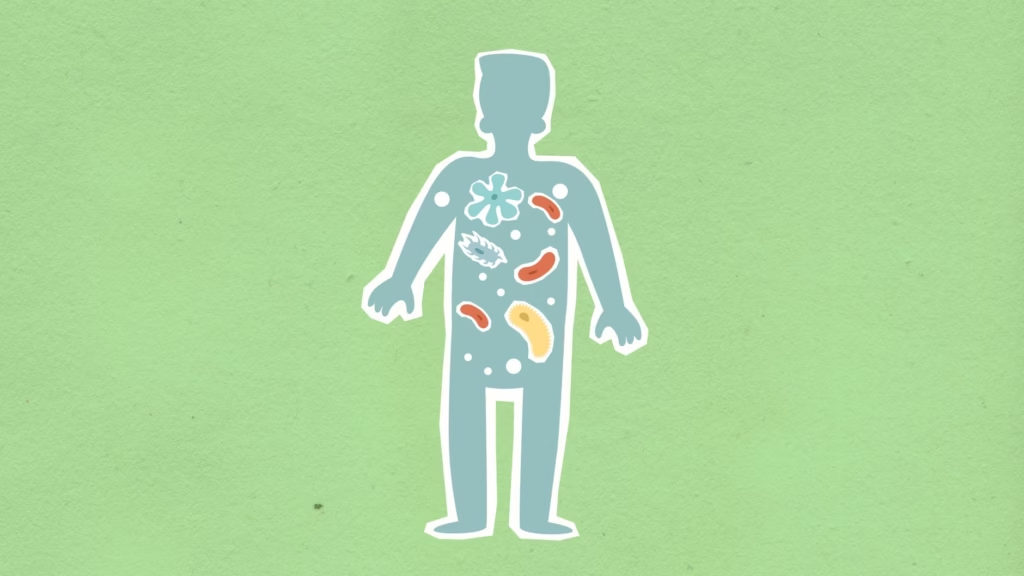
The gut microbiome is the collection of bacteria, fungi, and viruses that reside primarily in the large intestine. These microbes perform essential tasks such as fermenting undigested carbohydrates, synthesizing short‑chain fatty acids, and training the immune system. A balanced microbiome is linked to regular bowel movements, reduced inflammation, and better mental health.
How food influences microbes
What you eat acts as fuel for the microbes. Some foods contain live bacteria, probiotics, that add to the population, while others contain fibers that act as pre‑biotics, feeding the existing beneficial strains. A diet lacking in both can lead to reduced diversity, which research associates with conditions like irritable bowel syndrome, obesity, and even mood disorders.
Best foods for gut health
Probiotic‑rich foods
Probiotics are live microorganisms that, when consumed in adequate amounts, confer a health benefit. Fermented dairy, vegetables, and certain drinks are the most common sources. Regular intake can help restore microbial balance after a course of antibiotics or during periods of stress.
| Food | Type | Typical serving |
|---|---|---|
| Yogurt (live‑culture) | Probiotic | 1 cup |
| Kefir | Probiotic | 1 cup |
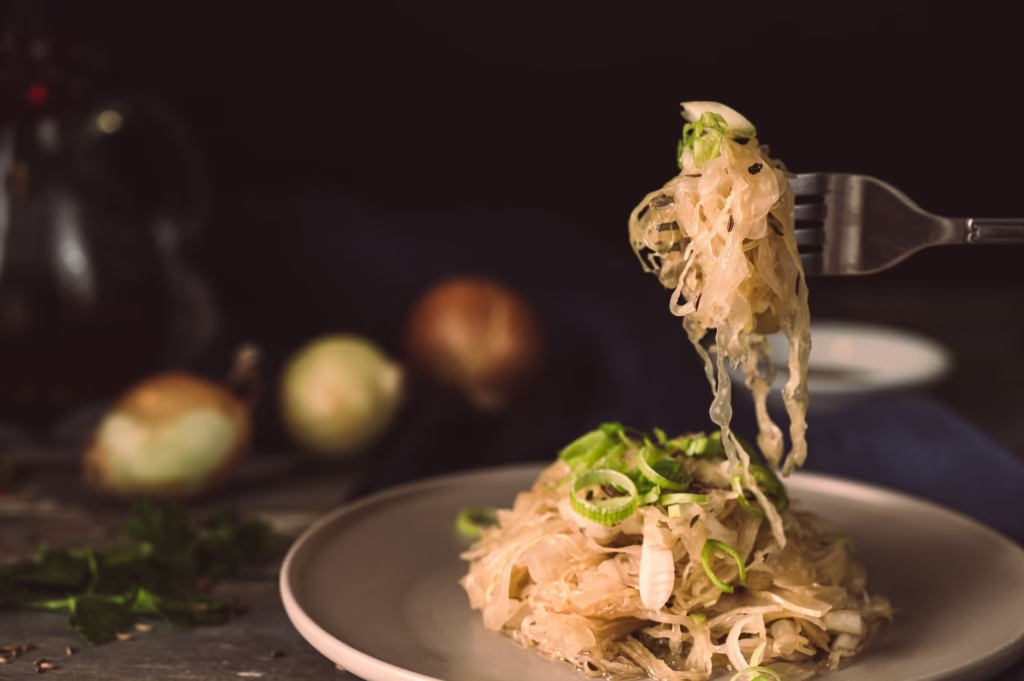
| Sauerkraut (unpasteurized) | Probiotic | ½ cup |
| Kimchi | Probiotic | ½ cup |
| Miso soup | Probiotic | 1 cup |
Choose products that state “live and active cultures” and avoid those that have been heat‑treated, as high temperatures can kill the beneficial bacteria.
Prebiotic foods
Prebiotics are non‑digestible fibers that serve as food for the good bacteria already present in your gut. They are found in a variety of plant foods and are especially effective when combined with probiotic sources, creating a synbiotic effect.
- Garlic – 1 clove provides about 1 gram of inulin.
- Onions – ½ cup cooked adds 2‑3 grams of fructooligosaccharides.
- Bananas (slightly green) – 1 medium offers resistant starch.
- Jerusalem artichoke – ½ cup supplies up to 5 grams of inulin.
- Whole oats – ½ cup cooked delivers beta‑glucan, a soluble fiber with prebiotic properties.
Fermented foods beyond dairy
Fermented foods introduce a variety of bacterial strains and can be a flavorful addition to meals. They also contain organic acids that support a low pH environment, discouraging harmful microbes.
- Tempeh – a fermented soy product rich in protein and probiotics.
- Pickles (naturally fermented, not vinegar‑brined) – provide lactobacilli.
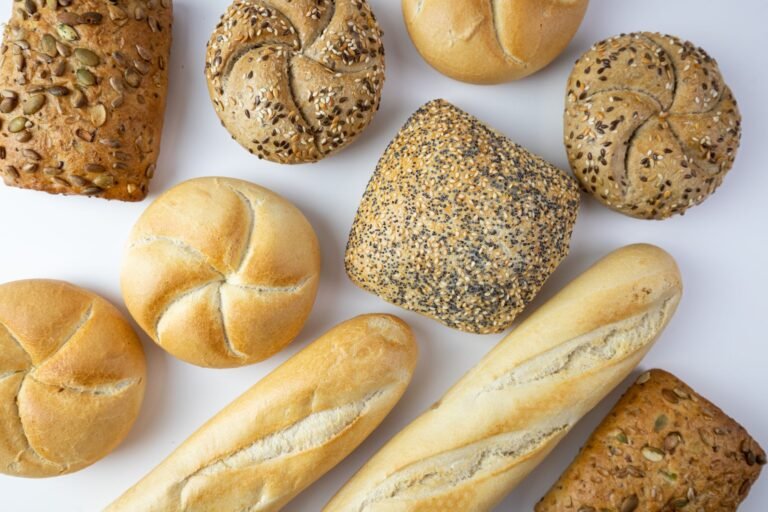
- Traditional sourdough bread – the fermentation process creates beneficial lactobacilli and prebiotic fibers.
Fiber: the backbone of a happy gut
Soluble vs insoluble fiber
Fiber is classified into soluble and insoluble types. Soluble fiber dissolves in water, forming a gel that slows digestion and feeds bacteria that produce short‑chain fatty acids. Insoluble fiber adds bulk, helping food move through the intestines and preventing constipation.
Top high‑fiber foods
Incorporating a mix of both fiber types ensures comprehensive gut support. Aim for at least 25‑30 grams of total fiber per day, as recommended by most health authorities.
- Legumes (lentils, beans, chickpeas) – 1 cup cooked provides 15‑16 g of fiber.
- Whole grains (brown rice, quinoa, barley) – ½ cup cooked offers 3‑5 g.
- Fruits with skin (apples, pears) – 1 medium gives 4‑5 g.
- Vegetables (broccoli, Brussels sprouts) – 1 cup cooked supplies 4‑5 g.
- Seeds (chia, flax) – 2 Tbsp deliver 5‑6 g of soluble fiber.
Polyphenol powerhouses
Berries and tea
Polyphenols are plant compounds that have antioxidant and anti‑inflammatory effects. They also act as prebiotics, encouraging the growth of beneficial bacteria like Bifidobacteria. Berries, especially blueberries, raspberries, and strawberries, are rich in anthocyanins, while green tea provides catechins.
Nuts and seeds
Almonds, walnuts, and pistachios contain both fiber and polyphenols. Their healthy fats also support the intestinal lining, reducing permeability often referred to as “leaky gut.” A handful (about 30 g) a day is a practical serving.
Lifestyle habits that support gut health
Hydration
Water helps dissolve soluble fiber and moves waste through the colon. Aim for 8‑10 cups of fluid daily, adjusting for activity level and climate. Herbal teas and broth count toward this total.
Stress management
Chronic stress can alter gut motility and increase harmful bacterial growth. Simple practices such as deep breathing, meditation, or a short walk after meals can mitigate these effects.
Regular movement
Physical activity stimulates intestinal contractions, known as peristalsis, which helps prevent constipation. Even moderate exercise, like brisk walking for 30 minutes, has measurable benefits for the microbiome.
Putting it all together: Sample meal plan
Below is a one‑day example that incorporates probiotic, prebiotic, fiber‑rich, and polyphenol‑dense foods. Adjust portions to meet your caloric needs.
- Breakfast: Greek yogurt topped with fresh blueberries, a tablespoon of ground flaxseed, and a drizzle of honey.
- Mid‑morning snack: An apple with skin and a small handful of almonds.
- Lunch: Mixed greens salad with chickpeas, sliced avocado, shredded carrots, and a dressing made from olive oil, lemon, and a spoonful of miso paste. Add a side of sauerkraut.
- Afternoon snack: A cup of kefir blended with a banana (slightly green) and a pinch of cinnamon.
- Dinner: Grilled salmon served with quinoa, steamed broccoli, and a side of kimchi.
- Evening beverage: A cup of warm green tea.
This pattern delivers a variety of microbes, fibers, and polyphenols throughout the day, supporting a resilient gut ecosystem.
Prebiotic Powerhouses: Feeding Your Good Bacteria
What makes a food prebiotic?
Prebiotic foods contain nondigestible fibers that reach the colon intact, where they become food for beneficial microbes. These fibers are typically classified as fructooligosaccharides, galactooligosaccharides, or resistant starches. By selectively stimulating growth of health‑promoting bacteria, prebiotics help maintain a balanced microbial community.
Top prebiotic foods to include daily
Incorporating a variety of prebiotic sources ensures a diverse substrate pool for different bacterial species. Aim for at least one serving of the following each day:
- Chicory root and Jerusalem artichoke
- Bananas (especially when slightly green)
- Cooked oats and barley
- Legumes such as lentils and chickpeas
- Garlic, onions, and leeks
Practical tips for boosting prebiotic intake
Start your morning with oatmeal topped with sliced banana and a sprinkle of flaxseed. Add garlic and onions to soups, stews, or stir‑fries for flavor and fiber. When possible, choose whole‑grain breads and pastas that retain the bran and germ where resistant starch resides.

Fermented Foods Beyond Yogurt: Expanding Your Microbial Toolkit
Why variety matters in fermented foods
Different fermentation processes introduce distinct strains of bacteria and yeasts, each offering unique metabolic benefits. While yogurt provides Lactobacillus and Bifidobacterium, other foods can supply Saccharomyces, Leuconostoc, and additional Lactobacillus species. A broader microbial repertoire may enhance resilience against dysbiosis.
Examples of nutrient‑dense fermented foods
Consider adding these options to your diet on a regular basis:
- Kefir – a drinkable culture rich in multiple probiotic strains
- Sauerkraut – fermented cabbage that also supplies vitamin C and fiber
- Kimchi – a spicy Korean staple with lactic‑acid bacteria and antioxidants
- Miso – a soybean paste that contributes protein, vitamins, and beneficial microbes
- Tempeh – fermented soybeans offering both probiotics and a complete protein source
How to incorporate them safely
Start with small portions, such as a tablespoon of sauerkraut or a half‑cup of kefir, to gauge tolerance. Choose products that are refrigerated and list live cultures on the label, avoiding those with added sugars or excessive salt. For homemade batches, follow reputable fermentation guides to prevent contamination.
Micronutrients That Support the Gut Lining
The role of zinc in intestinal barrier function
Zinc is essential for the integrity of tight junctions that seal the spaces between epithelial cells. Deficiency can increase intestinal permeability, sometimes referred to as “leaky gut.” Including zinc‑rich foods helps maintain a robust barrier against harmful substances.
Key sources of zinc and other gut‑friendly minerals
Incorporate a mix of animal and plant foods to meet daily mineral needs:
- Oysters and other shellfish – the highest natural zinc concentration
- Beef and poultry – also provide iron and B vitamins
- Pumpkin seeds and cashews – plant‑based zinc with healthy fats
- Spinach and kale – supply magnesium and calcium for muscle coordination and motility
- Whole‑grain quinoa – offers a balance of zinc, magnesium, and fiber
Practical ways to boost mineral absorption
Pair zinc‑rich foods with protein to improve uptake, and avoid excessive coffee or phytate‑dense grains at the same meal, as they can inhibit absorption. Fermenting beans or soaking nuts reduces antinutrients, enhancing mineral bioavailability. A balanced diet that includes vitamin C‑rich fruits can also aid iron absorption, supporting overall gut health.
Frequently Asked Questions
Can I get enough probiotics from food alone?
For most healthy adults, a diet that includes a few servings of probiotic foods each day provides sufficient live cultures. Supplements may be useful for specific medical conditions, but they should be chosen under professional guidance.
How much fiber should I aim for each day?
General guidelines suggest 25 g for women and 30 g for men per day. Gradually increase intake to avoid gas and bloating, and pair fiber with plenty of water.
Do I need to avoid all dairy to improve gut health?
Not necessarily. Fermented dairy like yogurt and kefir can be beneficial, while some people with lactose intolerance may need to choose lactose‑free options. Listen to your body and consult a dietitian if unsure.
Is a low‑FODMAP diet the same as a gut‑friendly diet?
A low‑FODMAP diet is a therapeutic approach used to manage IBS symptoms by temporarily reducing certain fermentable carbohydrates. It is more restrictive than a general gut‑healthy diet and should be undertaken with professional supervision.
The Bottom Line
Supporting gut health is achievable through everyday food choices. Prioritize probiotic‑rich fermented foods, prebiotic fibers, diverse whole‑grain and plant sources, and polyphenol‑laden fruits and nuts. Pair these with adequate hydration, regular movement, and stress‑relief practices, and you’ll give your microbiome the tools it needs to thrive. Remember, individual needs vary, so consider personal tolerances and seek professional advice when making major dietary changes.
For further reading on the role of diet in digestive health, you can visit the CDC website.
Was this page helpful?
Thanks for your feedback! What could we improve?
Thank you! Your feedback helps us improve our articles.
True Impact Health articles are written by our editorial team and based on reliable sources such as public health agencies, clinical guidelines and peer-reviewed research. This article has not yet been medically reviewed. Read our editorial process.
This content is for general information and is not a substitute for professional medical advice, diagnosis or treatment.