







Health A–Z guide
Low Blood Pressure
Low Blood Pressure: Causes, Symptoms, Diagnosis, and Management
Low blood pressure, medically known as hypotension, is a condition that occurs when blood pressure levels fall below the normal range. While high blood pressure (hypertension) often receives more attention…
Table of Contents
Low blood pressure, medically known as hypotension, is a condition that occurs when blood pressure levels fall below the normal range. While high blood pressure (hypertension) often receives more attention due to its well-known risks, low blood pressure can also cause significant health issues—especially when it leads to symptoms or affects vital organs.
In many healthy individuals, lower blood pressure may not cause problems and can even be beneficial. However, when it drops too low or happens suddenly, it can lead to dizziness, fainting, and in severe cases, shock. Understanding the causes, symptoms, and treatment options is essential for maintaining overall health and well-being.
Overview / Definition
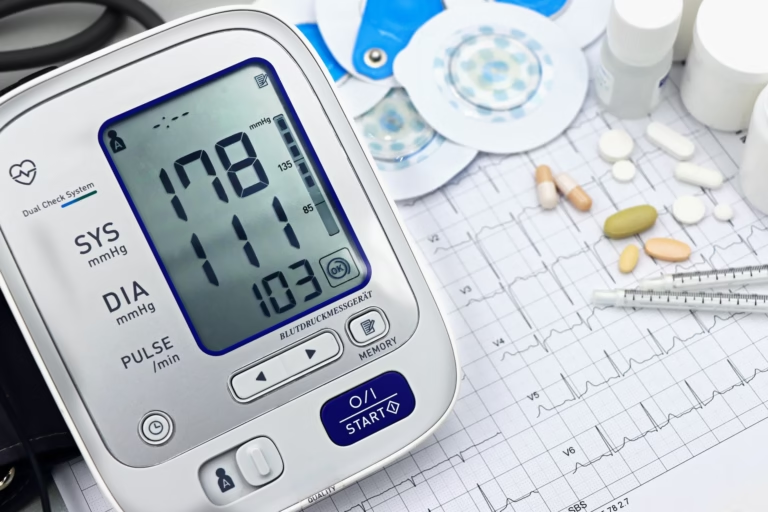
Blood pressure measures the force of blood pushing against the walls of your arteries. It is recorded as two numbers:
- Systolic pressure: The top number, representing pressure during heartbeats
- Diastolic pressure: The bottom number, representing pressure between heartbeats
A typical normal blood pressure reading is around 120/80 mm Hg. Low blood pressure is generally considered to be below 90/60 mm Hg.
However, numbers alone do not tell the whole story. Some individuals naturally have lower readings without symptoms. Hypotension becomes clinically important when:
- It causes uncomfortable or dangerous symptoms
- It leads to insufficient blood flow to vital organs
Causes and Risk Factors
Low blood pressure can develop for various reasons. Sometimes it is temporary and mild, while in other cases it may signal an underlying medical condition.
Common Causes
1. Dehydration
- Vomiting or diarrhea
- Excessive sweating
- Inadequate fluid intake
2. Heart-related conditions
- Slow heart rate (bradycardia)
- Heart failure
- Heart attack
- Heart valve problems
3. Endocrine disorders
- Thyroid disease
- Adrenal insufficiency (Addison’s disease)
- Diabetes-related complications
4. Blood loss
- Internal bleeding
- Trauma or injury
5. Medications
- Diuretics (water pills)
- Blood pressure medications
- Certain antidepressants
- Medications for Parkinson’s disease
6. Orthostatic hypotension
A sudden drop in blood pressure when standing up from sitting or lying down.
Risk Factors
- Older age
- Pregnancy
- Chronic illnesses (e.g., diabetes, heart disease)
- Prolonged bed rest
- Nutritional deficiencies (e.g., vitamin B12, folate)
Symptoms and Clinical Presentation
Symptoms occur when blood flow to the brain and other organs is reduced. They may be mild or severe, depending on the cause and speed of onset.
Common Symptoms
- Dizziness or lightheadedness
- Fainting (syncope)
- Blurred vision
- Nausea
- Fatigue
- Weakness
- Difficulty concentrating
Severe Symptoms (Medical Emergency)
- Cold, clammy skin
- Confusion
- Rapid, shallow breathing
- Weak pulse
- Chest pain
Severe hypotension may indicate shock, a life-threatening condition requiring immediate medical attention.
Diagnosis and Screening
Diagnosing low blood pressure involves more than a single reading. Healthcare providers evaluate symptoms, medical history, and possible underlying causes.
Diagnostic Tools
- Blood pressure measurement (multiple readings)
- Orthostatic blood pressure test (lying, sitting, standing measurements)
- Electrocardiogram (ECG) to assess heart rhythm
- Echocardiogram for structural heart issues
- Blood tests to check for anemia, infections, or hormonal disorders
- Tilt table test for recurrent fainting episodes
Because hypotension may signal another condition, identifying the root cause is crucial for effective treatment.
Treatment and Management Options
Treatment depends on the severity of symptoms and underlying cause. In many cases, mild hypotension without symptoms does not require treatment.
General Management Strategies
- Increasing fluid intake
- Adjusting medications (under medical supervision)
- Treating underlying medical conditions
- Electrolyte management
Lifestyle-Based Interventions
- Standing up slowly
- Wearing compression stockings
- Eating smaller, more frequent meals to prevent post-meal drops in blood pressure
- Increasing salt intake (only under medical guidance)
Medications
When lifestyle measures are insufficient, healthcare providers may prescribe medications such as:
- Fludrocortisone (to increase blood volume)
- Midodrine (to constrict blood vessels)
Medication use is tailored to individual medical needs and closely monitored.
Prevention and Lifestyle Considerations
While not all forms of low blood pressure are preventable, certain steps can reduce the risk of symptoms:
- Stay well hydrated, especially in warm weather
- Avoid excessive alcohol consumption
- Monitor blood pressure regularly if you have risk factors
- Manage chronic conditions effectively
- Maintain a balanced diet rich in essential nutrients
- Exercise regularly (as recommended by a healthcare provider)
Older adults should be particularly mindful of slow positional changes to reduce fall risk.
When to Seek Medical Care
Seek medical care promptly if you experience:
- Repeated fainting
- Sudden, severe dizziness
- Chest pain
- Signs of shock
- Persistent or worsening symptoms
Early evaluation can help prevent complications and identify serious underlying conditions.
Conclusion
Low blood pressure, or hypotension, is often harmless but can sometimes signal an underlying medical condition or lead to concerning symptoms such as dizziness and fainting. Causes range from dehydration and medication effects to heart and endocrine disorders. Proper diagnosis focuses on identifying the root cause, and treatment varies from simple lifestyle adjustments to medication.
If you experience persistent or severe symptoms, it is important to consult a qualified healthcare professional for evaluation and appropriate care.
Disclaimer: This article is intended for educational purposes only and does not replace professional medical advice. If you have concerns about your blood pressure or symptoms, please consult a licensed healthcare provider for personalized evaluation and treatment.
Was this page helpful?
Thanks for your feedback! What could we improve?
Thank you! Your feedback helps us improve our guides.
Our Health A–Z guides are written by the True Impact Health Editorial Team and based on reliable sources such as public health agencies, clinical guidelines and peer-reviewed research. This guide has not yet been medically reviewed. Read our editorial process.
This content is for general information and is not a substitute for professional medical advice, diagnosis or treatment.