











How to Treat Cat Anemia at Home
Supportive home care for cat anemia includes nutrition, hydration, stress reduction and vigilant monitoring while seeking veterinary diagnosis and treatment.
By True Impact Health Editorial Team

Doctor of Veterinary Medicine (DVM) who reviews the pet and animal health articles on True Impact Health.
Reviewed this article on October 10, 2026.
View profile How we reviewUpdated on October 10, 2026 8 min read
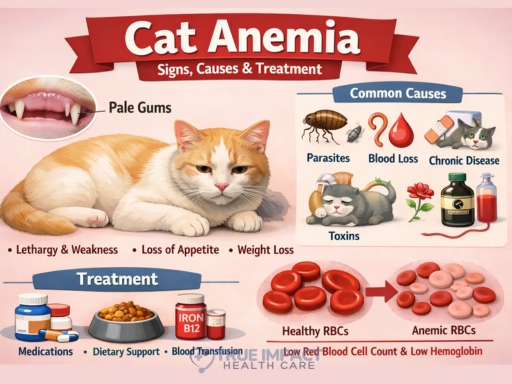
Table of Contents
Quick answer
Treating cat anemia at home focuses on supportive care—providing a nutritious, iron‑rich diet, keeping the cat hydrated, limiting stress, and monitoring for worsening signs. These measures help the cat stay comfortable while a veterinarian determines and treats the underlying cause.
Introduction
Anemia in cats is more than just “feeling tired”, it’s a potentially serious condition where your feline’s red blood cell count drops below healthy levels. While professional veterinary care is essential for diagnosis and severe cases, there are safe, supportive steps you can take at home to improve your cat’s comfort and recovery. In this post, we’ll explore how to recognize the signs of cat anemia, why veterinary involvement is critical, and practical home-care strategies to support your furry friend’s health.
Understanding Cat Anemia
Anemia is a medical condition in which a cat’s body lacks an adequate number of healthy red blood cells (RBCs) or sufficient hemoglobin to transport oxygen efficiently throughout the body. Because oxygen delivery is fundamental to organ function, reduced RBC levels can quickly affect energy, metabolism, and overall health.
In cats, anemia isn’t a single disease, it’s a clinical sign indicating an underlying problem that must be identified and addressed.
Common Causes of Anemia in Cats
Blood Loss (Hemorrhagic Anemia)
This occurs when RBCs are lost faster than the body can replace them.
-
External injuries or trauma
-
Internal bleeding from ulcers or tumors
-
Parasites such as fleas, ticks, or intestinal worms (especially in kittens)
-
Surgical complications
Chronic low-level blood loss can be difficult to detect but may gradually weaken the cat.
Hemolysis (Destruction of Red Blood Cells)
Here, RBCs are prematurely destroyed within the bloodstream or organs.
-
Autoimmune diseases where the immune system attacks RBCs
-
Exposure to toxins (certain plants, medications, chemicals)
-
Infectious agents such as feline leukemia virus (FeLV) or blood parasites
-
Genetic or metabolic disorders
This type often develops rapidly and may require urgent intervention.
Decreased Red Blood Cell Production
Sometimes the bone marrow cannot produce enough RBCs.
-
Nutritional deficiencies (iron, vitamin B12, folate)
-
Chronic kidney disease, which reduces erythropoietin hormone production
-
Bone marrow disorders or cancers
-
Long-term chronic illness or inflammation
This form typically develops more gradually but still poses serious risk.
Why Early Attention Matters
Untreated anemia deprives tissues of oxygen, potentially leading to:
-
Organ dysfunction or failure
-
Severe fatigue and weakness
-
Compromised immune response
-
Life-threatening cardiovascular strain
Early detection and combined home support with veterinary care significantly improve outcomes.
Recognizing the Signs
Cats instinctively mask illness, so subtle behavioral or physical changes are often the earliest clues.
Watch for:
-
Lethargy or Reduced Activity
Decreased playfulness or prolonged sleeping due to low oxygen availability. -
Pale, White, or Bluish Gums
A hallmark sign of reduced RBC concentration. Healthy gums should appear pink. -
Rapid Breathing or Elevated Heart Rate
The body attempts to compensate by increasing circulation and oxygen intake. -
Loss of Appetite and Weight Decline
Systemic weakness or underlying disease may suppress feeding. -
Weakness, Instability, or Collapse
Severe anemia may impair mobility or coordination.
If any of these symptoms appear, especially in combination, prompt veterinary evaluation is critical. Anemia can progress quickly.
Veterinary Diagnosis Is Essential
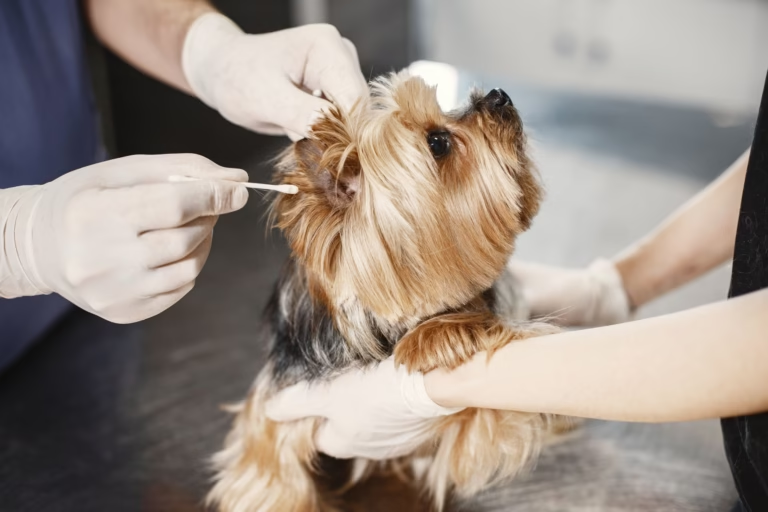
Home observation alone cannot determine the type or severity of anemia. Professional assessment ensures accurate diagnosis and safe treatment planning.
Diagnostic Steps Typically Include
Complete Blood Count (CBC)
-
Measures RBC count, hemoglobin, and hematocrit
-
Confirms anemia and helps classify its severity
-
May indicate whether RBCs are being destroyed or not produced adequately
Underlying Cause Investigation
To determine origin, veterinarians may use:
-
Blood chemistry panels
-
Imaging (X-rays or ultrasound)
-
Parasite screening
-
Viral testing (e.g., FeLV, FIV)
-
Bone marrow evaluation (in complex cases)
Identifying the root cause guides treatment decisions.
Potential Veterinary Treatments
Depending on severity and cause:
-
Fluid therapy to stabilize circulation
-
Blood transfusions for critical cases
-
Medications (antibiotics, immunosuppressants, dewormers)
-
Nutritional supplementation
-
Targeted management of chronic disease
These interventions often must occur alongside ongoing monitoring.
Home Care Strategies
Although anemia itself cannot be cured solely through home remedies, supportive care plays a meaningful role in strengthening your cat during recovery and complementing veterinary treatment. The goals of home care are to maintain nutrition, prevent dehydration, minimize physical strain, and monitor changes that might require professional attention.
Effective support is about consistency and observation rather than aggressive intervention.
4.1 Nutritional Support
Nutrition directly influences red blood cell production and immune resilience. Cats recovering from anemia often have reduced appetite, so food quality and palatability matter.
High-Quality Protein
Red blood cell formation depends on amino acids, iron availability, and overall metabolic health.
-
Offer easily digestible lean proteins such as boiled chicken or turkey (unseasoned)
-
Prescription recovery or renal-support diets may be recommended depending on underlying conditions
-
Warm food slightly to enhance aroma and encourage intake
-
Provide small, frequent meals if appetite is limited
Avoid drastic dietary changes without veterinary guidance, especially if kidney disease or gastrointestinal issues are present.
Iron-Rich Foods
Iron supports hemoglobin production but must be carefully balanced.
-
Small portions of cooked liver can provide iron and vitamin A
-
Commercial iron-fortified cat foods offer safer, controlled levels
-
Excessive iron intake can cause toxicity or digestive upset
Always confirm safe quantities with your veterinarian before introducing iron-dense foods.
B-Vitamin Support
B vitamins play a central role in RBC synthesis and energy metabolism.
-
Vitamin B12 injections are commonly prescribed in veterinary care
-
Folic acid supplementation may aid cell formation
-
Improved appetite and vitality often accompany adequate B-vitamin status
Supplement only under veterinary instruction, as dosage varies by condition.
4.2 Supplements (Under Veterinary Supervision)
Supplementation should be approached cautiously and always coordinated with professional oversight.
Iron Supplements
Used when dietary intake alone isn’t sufficient.
-
May include liquid ferrous sulfate or veterinary-formulated chelated iron
-
Dosing precision is critical
-
Over-supplementation can damage organs or worsen illness
Never administer human iron products without approval.
Omega-3 Fatty Acids
These support systemic health through anti-inflammatory effects.
-
Fish oil formulated for cats can support immune function
-
May help appetite, skin health, and recovery resilience
-
Avoid products with added flavorings or unsuitable additives
Follow label dosing or veterinary instructions.
4.3 Hydration & Environment
An anemic cat often has reduced energy reserves, so environmental support should minimize strain and encourage fluid balance.
Encouraging Hydration
-
Place water bowls in multiple quiet locations
-
Use shallow, wide bowls to reduce whisker stress
-
Water fountains can stimulate drinking behavior
-
Incorporate wet food to increase fluid intake
Proper hydration supports circulation and metabolic stability.
Optimizing Resting Conditions
-
Provide warm, soft bedding
-
Keep resting spaces away from noise or heavy activity
-
Ensure easy access to litter boxes and food
-
Reduce climbing requirements if weakness is present
A low-stress environment conserves energy needed for recovery.
4.4 Gentle Activity & Monitoring
While rest is important, mild activity helps maintain physical conditioning.
Light Interaction
-
Short, low-intensity play sessions
-
Gentle stimulation using feather toys or soft interaction
-
Stop immediately if fatigue or distress appears
Activity should support engagement, not exertion.
Ongoing Monitoring
Regular observation provides early insight into improvement or decline.
Track:
-
Body weight weekly
-
Gum coloration (healthy pink vs pale)
-
Appetite patterns
-
Energy levels
-
Breathing changes
Maintaining a simple log helps your veterinarian adjust treatment effectively.
Natural Remedies & Holistic Support
Some owners incorporate complementary therapies alongside conventional care. These should never replace medical treatment.
Acupuncture
-
May promote circulation and appetite stimulation
-
Requires certified veterinary practitioner
-
Often used as adjunct therapy for chronic illness
Herbal Approaches
Certain herbs are sometimes explored:
-
Milk thistle — liver support
-
Astragalus — immune modulation
Herbal compounds can interact with medications or worsen conditions, so professional consultation is essential before use.
When to Seek Emergency Care
Supportive home management has limits. Immediate veterinary attention is required if severe symptoms appear.
Urgent warning signs include:
-
Collapse or inability to stand
-
Labored or rapid breathing
-
Bluish or gray gums
-
Blood in vomit or stool
-
Seizures or tremors
These symptoms indicate potentially life-threatening complications and should never be monitored at home.
Conclusion
Treating cat anemia at home revolves around supportive care, proper nutrition, hydration, stress reduction, and carefully managed supplements, all under your veterinarian’s guidance. Early detection, prompt professional treatment, and consistent home monitoring give your feline the best chance for recovery. By combining your attentiveness with expert veterinary care, you can help your cat regain strength and purr back to optimal health.
Remember: home remedies are supportive, not a substitute for professional diagnosis and treatment. Always consult your veterinarian before starting any new supplement or major dietary change. With teamwork and dedication, you’ll be well on your way to helping your cat overcome anemia!
When to see a vet
- Rapid breathing, panting or a very fast heart rate
- Pale, white or bluish gums that do not improve with rest
- Sudden weakness, collapse or inability to stand
- Loss of appetite for more than 24 hours with weight loss
- Visible bleeding or blood in urine/faeces
- Any sign of severe distress—call your local emergency veterinary clinic immediately
If your pet collapses, struggles to breathe or is in severe pain, contact an emergency vet straight away.
Frequently asked questions
Can I give my cat iron supplements without a vet?
Only give iron if a veterinarian has confirmed a deficiency and prescribed a safe formulation. Excess iron can damage the liver and gastrointestinal tract, so over‑the‑counter human products should never be used without professional guidance.
What foods are safe to boost iron for a cat with anemia?
Cooked lean meats such as chicken or turkey and small amounts of cooked liver are good sources. Offer them plain, unseasoned, and in moderation. Commercial cat foods formulated for recovery often contain balanced iron levels.
How often should I weigh my cat while it is anemic?
Weigh the cat at least twice a week. A steady loss of more than 5% of body weight in a short period signals that the anemia may be worsening and veterinary re‑evaluation is needed.
Is it safe to give my cat vitamin B12 injections at home?
Vitamin B12 injections should only be administered by a veterinarian or under their direct instruction. Incorrect dosing can cause side effects, and the underlying cause of the deficiency must be identified first.
Sources and further reading
Was this page helpful?
Thanks for your feedback! What could we improve?
Thank you! Your feedback helps us improve our articles.
Veterinary reviewed by
Dr. Hannah Silvanus, DVMDoctor of Veterinary Medicine (DVM) who reviews the pet and animal health articles on True Impact Health.
True Impact Health articles are written by our editorial team and based on reliable sources such as public health agencies, clinical guidelines and peer-reviewed research. This article has been checked by a veterinarian on our review panel. Read our editorial process.
This content is for general information and is not a substitute for professional medical advice, diagnosis or treatment.