











Dog Tooth Infection
Learn how to recognise, diagnose and treat dog tooth infections and when to seek veterinary help.
By True Impact Health Editorial Team

Doctor of Veterinary Medicine (DVM) who reviews the pet and animal health articles on True Impact Health.
Reviewed this article on October 10, 2026.
View profile How we reviewUpdated on October 10, 2026 11 min read

Table of Contents
Key Takeaways
- Bacterial infection from plaque or trauma causes painful tooth abscesses in dogs.
- Early signs include bad breath, drooling, difficulty eating, and jaw swelling.
- Veterinary diagnosis uses oral exam and dental X‑rays, followed by cleaning, antibiotics or extraction.
- Daily brushing, dental chews, and regular vet check‑ups prevent most infections.
Quick answer
A dog tooth infection is a bacterial infection of the tooth or surrounding gum tissue that causes pain, swelling, bad breath and can spread to other organs if untreated. Prompt veterinary care, including cleaning, antibiotics or extraction, is needed to relieve pain and prevent serious health problems.
Today we will be talking about dog tooth infections. A dog tooth infection, also known as dental abscess or periodontal disease, occurs when bacteria invade the tooth or surrounding gum tissues, leading to inflammation, pain, and potentially serious health complications if left untreated. Just like in humans, dental health is crucial for dogs. An infection can originate from untreated periodontal disease, where plaque and tartar build-up lead to infected gums. It can also arise from dental trauma or fractures that expose the inner tooth structure. Symptoms of a tooth infection may range from bad breath, difficulty eating, excessive drooling, and swelling around the jaw to behavioral changes indicating pain or discomfort. Preventing these infections can significantly enhance your dog’s quality of life and longevity, making it imperative for pet owners to understand the causes, signs, and treatments of dental problems affecting dogs. Good oral hygiene and regular veterinary check-ups play vital roles in maintaining your dog’s dental health and catching infections early.
Understanding Tooth Infections in Dogs
Tooth infections are a serious health concern for dogs that can lead to severe pain and systemic health issues. The central cause of these infections is bacterial invasion, which can occur due to calculus build-up or due to a fracture or trauma to the tooth itself. Bacteria can penetrate through the outer layers of the tooth and gum tissue, leading to an infection. Symptoms can often go unnoticed until the infection becomes severe. Owners may observe changes in their pet’s behavior or eating habits. The impact of a tooth infection can extend beyond local pain; it can lead to infections in other parts of the body if bacteria enter the bloodstream. Regular dental care, including brushing, chewing toys that aid in dental health, and routine vet check-ups, is essential to prevent tooth infections. Understanding the symptoms and maintaining preventative measures can significantly improve your dog’s health and well-being.
Causes of Dog Tooth Infections
Multiple factors can contribute to tooth infections in dogs, making it important for dog owners to be aware of these potential causes. The most common cause is poor dental hygiene. Plaque and tartar build-up occur due to a lack of regular brushing, leading to gum disease. As periodontal disease progresses, the gum pockets can become deeper and harbor bacteria, which can lead to infection. Additionally, certain breeds are more prone to dental issues due to their jaw structure, size, and tooth alignment. Trauma to the mouth, such as chewing hard objects or getting hit during play, can also expose the inner parts of the tooth, inviting bacteria in. Finally, pre-existing health conditions like diabetes or immunocompromised states can increase susceptibility to infections. It’s essential to maintain a consistent dental care routine, including regular brushing and chew toys designed for dental health, to mitigate these risks effectively.
Signs and Symptoms of Tooth Infections
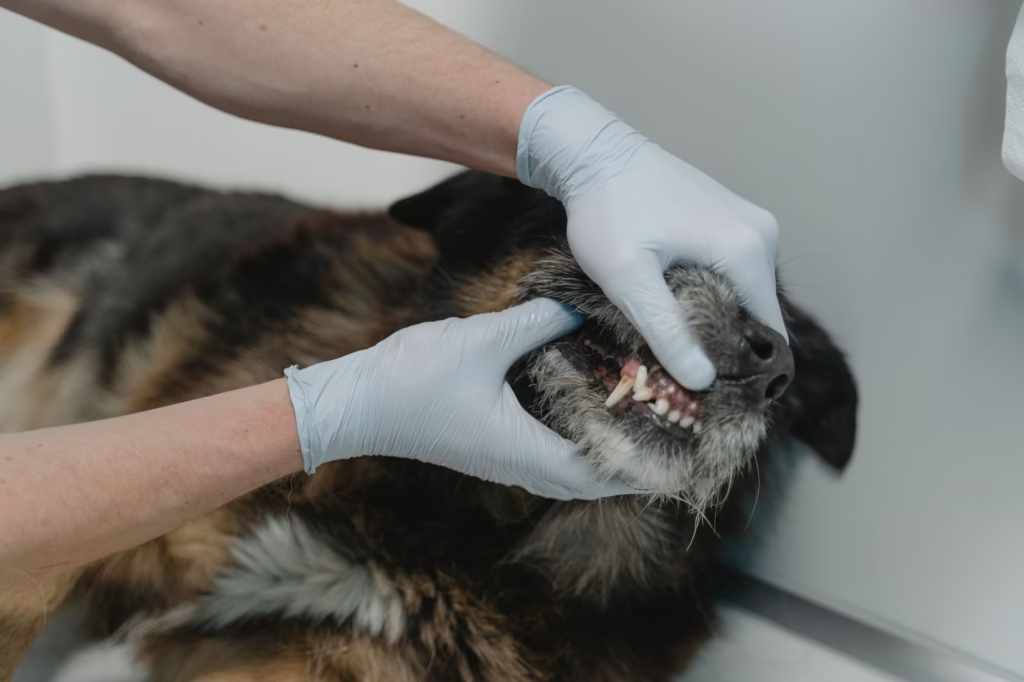
Detecting a tooth infection early is crucial for effective treatment. Some common signs and symptoms include bad breath, which is often one of the first indicators that something is wrong. Owners might notice their dog avoiding hard food or exhibiting signs of pain while chewing, such as dropping food or refusing to eat altogether. Excessive drooling is another symptom that can hint at an underlying dental issue. You may also notice swelling around the jaw or bleeding gums, which can indicate severe infection or oral disease. In some cases, behavioral changes like lethargy, irritability, or hiding can occur as dogs experience pain. Paying close attention to your dog’s oral health can help you catch these symptoms early, allowing for prompt veterinary intervention. If you observe any of these signs, a visit to the vet should be scheduled without delay.
Diagnosis of Tooth Infections in Dogs
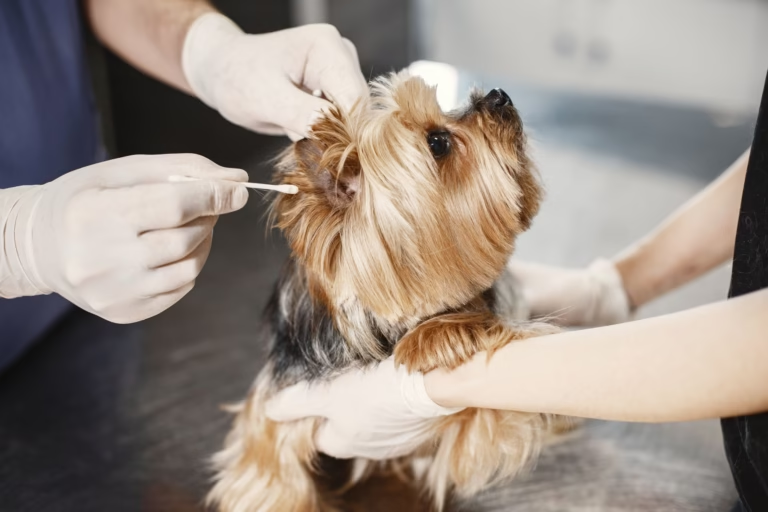
When a dog shows signs of a tooth infection, the veterinary examination process is vital for accurate diagnosis. The veterinarian will first conduct a comprehensive oral exam to assess the degree of dental disease, looking for signs of periodontal disease, tooth fractures, or gums that appear red and swollen. They may also conduct dental x-rays to get a clearer picture of the extent of the infection within the tooth structure and surrounding bone. This imaging can reveal abscesses or bone loss that may not be visible on a surface examination. In some cases, the vet may take swabs of the affected area to identify bacteria types, allowing for targeted treatment. Based on the findings, the vet will be able to advise on the best course of action, which may include dental cleaning, antibiotics, or even surgery if needed. A thorough diagnosis is essential to formulating an effective treatment plan for your dog’s tooth infection.
Treatment Options for Tooth Infections
Treating a dog tooth infection often involves a combination of medical and dental interventions. The first step is usually the administration of antibiotics to help eliminate the bacterial infection. Depending on the severity, your veterinarian may recommend a dental cleaning procedure under anesthesia, allowing for a thorough examination and cleaning of the teeth and gums. This may include scaling to remove tartar and plaque, which can harbor bacteria. If the infection has led to a severe abscess or infected tooth, extraction may be required to prevent further complications. Post-operative care, including pain management and continued antibiotic treatment, will be essential to ensure your dog recovers properly. Dietary adjustments, such as providing soft food during the healing process, may also be necessary to make eating more comfortable. Following through with scheduled follow-up appointments will help monitor the healing process.

Preventing Tooth Infections in Dogs
Preventing tooth infections in dogs is critical for maintaining their overall health and well-being. The best preventive measure is regular dental care, including daily brushing using dog-specific toothpaste. This can significantly reduce plaque build-up and prevent periodontal disease. In addition to brushing, providing dental chews designed to aid in cleaning teeth can be beneficial. Regular veterinary dental check-ups allow for professional cleanings and early detection of any potential problems. Depending on your dog’s breed and individual health needs, your vet may recommend a specific dental care plan. Maintaining a balanced diet can also contribute to better dental health, dry kibble can help clean teeth during chewing. Finally, monitor your dog’s oral health closely and be vigilant for any signs of infection; early detection is always beneficial. Implementing these preventive strategies can greatly reduce the likelihood of tooth infections, thereby enhancing your furry friend’s quality of life.
The Importance of Regular Dental Check-ups
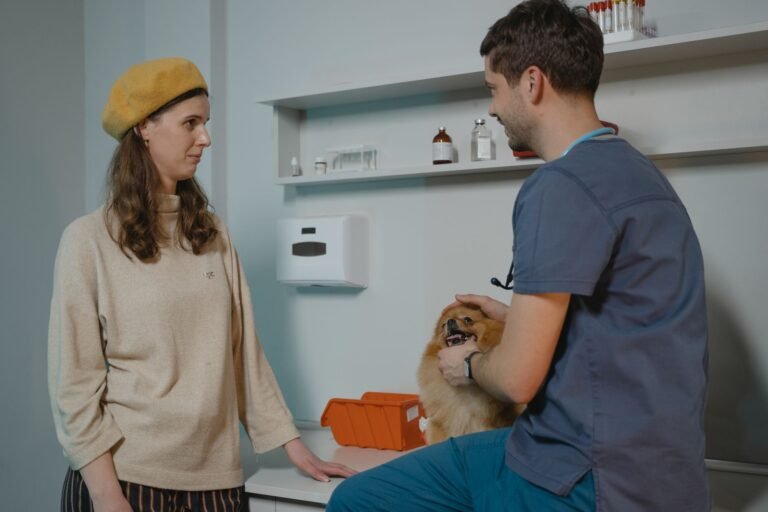
Regular dental check-ups are essential in maintaining your dog’s oral health and preventing tooth infections. These veterinary visits allow for a professional examination and cleaning, which can eliminate tartar and plaque that brushing may not reach. Veterinarians can assess the overall health of your dog’s mouth, checking for early signs of dental disease, such as gum inflammation or loose teeth. Additionally, they can provide you with tailored recommendations on dental care products and practices based on your dog’s needs. Catching dental issues early can save your pet from pain and discomfort, leading to better health outcomes. Typically, dogs should have dental check-ups once or twice a year, although specific recommendations may vary depending on the breed and age of your dog. Regular check-ups not only aid in maintaining good dental hygiene but also help prevent more serious health complications associated with untreated dental problems.

Home Care Tips for Dog Dental Health
Providing excellent home care for your dog’s dental health is a key component in preventing tooth infections. Daily brushing is the cornerstone of effective dental hygiene. Use a soft-bristled toothbrush and toothpaste formulated for dogs, as human toothpaste can be harmful. Establish a routine, so your dog becomes accustomed to the process, making it easier for both of you. In addition to brushing, consider incorporating dental chews and treats into your dog’s diet, which help to mechanically clean teeth and freshen breath. Regularly inspect your dog’s mouth for signs of dental problems, including swelling, bad breath, or redness around the gums. Providing a balanced diet low in sugary or sticky foods can also play a role in maintaining oral health. Lastly, encouraging natural chewing behaviors through appropriate toys can help keep teeth clean and healthy. Home care, combined with regular veterinary check-ups, forms a holistic approach to ensuring your dog’s dental well-being.
What to Expect After Treatment for Dog Tooth Infections
After treatment for a tooth infection, it’s normal for pet owners to have questions regarding recovery. Initially, your dog may experience some post-operative discomfort, and your veterinarian will likely prescribe medication to manage pain and inflammation. You may notice that your pet is lethargic or has a decreased appetite shortly after treatment; this is common as they recover. It’s vital to follow all aftercare instructions provided by your vet, including any recommendations for dietary adjustments or follow-up appointments. Keeping a close watch on your dog’s behavior and any signs of recurring issues will be critical at this stage. In many cases, dogs bounce back quickly from dental procedures, regaining their energy and appetite within a few days. Maintaining diligent home dental care practices post-treatment will be essential in preventing future infections. With proper care and attentiveness, your dog can enjoy a healthy mouth for years to come, leading to a happier, healthier life.
Conclusion
In summary, dental health is a vital aspect of your dog’s overall well-being. Understanding the mechanisms leading to tooth infections, recognizing the symptoms, and knowing how to administer treatment and prevention can greatly enhance your dog’s quality of life. It is essential to comprehend that tooth infections in dogs can arise from various causes including poor hygiene, trauma, or underlying health issues. Regular dental care, including brushing, dental check-ups, and an appropriate diet, can prevent many dental issues, ensuring your dog remains healthy and pain-free. Symptoms such as bad breath, difficulty eating, and swollen gums should not be ignored, as early intervention can prevent further complications. When treatment is necessary, it can involve antibiotics, dental cleaning, and in some cases, tooth extraction. Following treatment, diligent home care is essential to avoid the recurrence of infections, reinforcing the importance of maintaining strong oral hygiene practices. By staying informed and proactive, you can help ensure your dog enjoys a pain-free and healthy mouth, leading to a happier life overall.
Frequently Asked Questions
1. How can I tell if my dog has a tooth infection?
Common signs of a tooth infection in dogs include bad breath, difficulty eating, drooling, swollen gums, and behavioral changes such as lethargy or irritability. If you notice any of these symptoms, it’s best to consult your veterinarian promptly.
2. What can I do at home to prevent tooth infections in my dog?
Maintaining a daily brushing routine, using dental chews, providing a balanced diet, and scheduling regular veterinary dental check-ups are effective ways to prevent tooth infections in dogs.
3. How often should my dog have dental check-ups?
Veterinarians typically recommend dental check-ups at least once or twice a year, depending on your dog’s oral health needs, age, and breed. Regular visits help catch potential issues early.
4. What treatment options are available for a dog with a tooth infection?
Treatment for a tooth infection may include antibiotic therapy, dental cleaning, and in severe cases, tooth extraction. Your veterinarian will develop a treatment plan based on the severity of the infection.
5. What should I expect during my dog’s recovery from a tooth infection?
Post-treatment, your dog may be lethargic and have a reduced appetite initially, which is normal. Follow your vet’s aftercare instructions closely to ensure proper healing, and monitor your dog for any signs of complications.
For more information, see the CDC.
When to see a vet
- Severe swelling or a visible lump on the jaw
- Persistent bad breath despite regular brushing
- Drooling, pawing at the mouth or refusing to eat
- Bleeding gums or pus discharge
- Lethargy, fever or signs of systemic illness
- Call the local emergency number if the dog cannot eat and shows signs of severe pain or swelling
If your pet collapses, struggles to breathe or is in severe pain, contact an emergency vet straight away.
Frequently asked questions
Can I treat a dog tooth infection at home?
Home care can help with mild plaque buildup, but an infection requires a veterinary exam, professional cleaning and possibly antibiotics or extraction. Delaying treatment can lead to bone loss and systemic disease.
How long does it take for a tooth infection to heal?
Healing time varies. After extraction or cleaning, most dogs recover within 7‑10 days with pain relief and antibiotics. Full bone healing may take several weeks, and follow‑up checks are important.
Are certain breeds more prone to dental infections?
Yes. Small breeds such as Chihuahuas, Yorkshire Terriers and toy poodles, and brachycephalic breeds like Bulldogs often have crowded teeth and higher rates of periodontal disease, increasing infection risk.
What can I do to prevent future tooth infections?
Brush your dog’s teeth several times a week with a canine‑safe toothpaste, provide dental chews or toys, schedule regular veterinary dental exams, and address any gum disease early.
Sources and further reading
Was this page helpful?
Thanks for your feedback! What could we improve?
Thank you! Your feedback helps us improve our articles.
Veterinary reviewed by
Dr. Hannah Silvanus, DVMDoctor of Veterinary Medicine (DVM) who reviews the pet and animal health articles on True Impact Health.
True Impact Health articles are written by our editorial team and based on reliable sources such as public health agencies, clinical guidelines and peer-reviewed research. This article has been checked by a veterinarian on our review panel. Read our editorial process.
This content is for general information and is not a substitute for professional medical advice, diagnosis or treatment.