


















Recognizing Symptoms of a Blood Clot in the Leg: What to Know
Learn how to identify the symptoms of a blood clot in the leg, their causes, and when to seek medical help.
By True Impact Health Editorial Team

Medical doctor and clinical researcher focused on preventive medicine, chronic disease and clear, evidence-based health communication.
Reviewed this article on November 11, 2026.
View profile How we reviewUpdated on November 11, 2026 12 min read

Table of Contents
Key Takeaways
- Common symptoms include swelling and pain.
- Seek immediate medical attention if symptoms arise.
- Risk factors include prolonged immobility and certain medical conditions.
- Prevention strategies can reduce the risk of blood clots.
Understanding the symptoms of a blood clot in the leg is crucial for early detection and treatment. Blood clots can pose serious health risks, including deep vein thrombosis (DVT) and pulmonary embolism, and recognizing the signs early can save lives. This article will explore what blood clots are, their symptoms, risk factors, and when to seek medical attention.
Blood clots are formed when blood thickens and clumps together. While clotting is a normal process that prevents excessive bleeding, clots can become dangerous when they form inappropriately. A blood clot in the leg can restrict blood flow and lead to severe complications if not addressed promptly.
In this article, we will break down the various symptoms associated with blood clots in the leg, providing you with practical, trustworthy information to empower your health decisions.
Understanding Blood Clots
To grasp the significance of recognizing symptoms of a blood clot in the leg, it helps to understand what blood clots are and how they form. Blood clots are gel-like masses that occur when blood cells, platelets, and proteins stick together. The body relies on this process to stop bleeding after injuries, but sometimes clots can form inappropriately without any injury.
Blood clots can occur in any part of the body, but when they form in the deep veins of the legs, they are known as deep vein thrombosis (DVT). DVT can lead to serious complications, including pulmonary embolism, where a clot breaks loose and travels to the lungs, causing potentially life-threatening issues.
Understanding the underlying causes can also help in prevention. Factors such as prolonged immobility, certain medical conditions (like cancer or heart disease), and even genetics can increase the risk of developing blood clots.
Common Symptoms of Blood Clots in the Leg
Recognizing the symptoms of a blood clot in the leg is vital for early diagnosis and treatment. The symptoms can vary, but some of the most common signs include:
- Swelling: One of the most noticeable symptoms is swelling in one leg. This swelling may occur suddenly and can be accompanied by a feeling of heaviness in the affected limb.
- Pain or Tenderness: Many individuals report pain or tenderness in the leg, which may feel similar to cramping or soreness. This pain often starts in the calf and may feel worse when standing or walking.
- Skin Changes: The skin over the area of the clot may appear red or discolored. The affected leg may feel warm to the touch compared to the other leg.
It is important to note that not everyone with a blood clot will exhibit all these symptoms, and some may experience no symptoms at all. This can make it challenging to identify a clot without proper medical evaluation.

When to Seek Medical Attention
If you suspect you have symptoms of a blood clot in the leg, it is important to seek medical attention immediately. Delaying treatment can lead to severe consequences. Below are specific scenarios that warrant urgent medical attention:
- Sudden Swelling and Pain: If you experience sudden swelling and pain in one leg, particularly if it is accompanied by warmth and redness, you should seek medical help.
- Shortness of Breath: If the symptoms are accompanied by difficulty breathing, chest pain, or a rapid heartbeat, it may indicate a pulmonary embolism, which is a medical emergency.
- Worsening Symptoms: If existing symptoms worsen, it is important to contact a healthcare provider for further evaluation.
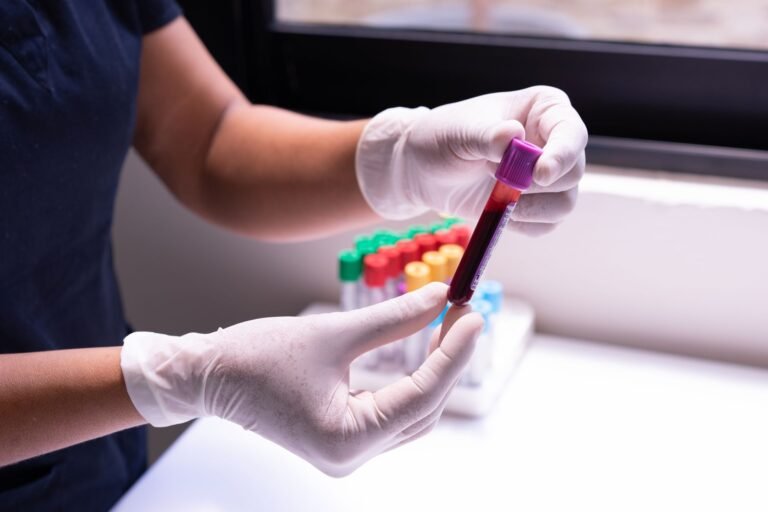
In cases of suspected DVT or pulmonary embolism, timely diagnosis and treatment can significantly improve outcomes. A healthcare professional may perform tests such as an ultrasound or blood tests to confirm the presence of a clot.
Risk Factors for Blood Clots
Several factors can increase the likelihood of developing blood clots in the leg. Understanding these risk factors can help you take proactive steps to reduce your risk:
- Prolonged Immobility: Long periods of inactivity, such as during long flights or bed rest after surgery, can contribute to clot formation.
- Medical Conditions: Certain conditions, including cancer, heart disease, and autoimmune disorders, can increase clotting risk.
- Genetic Factors: Some people have inherited conditions that affect blood clotting, making them more susceptible to DVT.
- Hormonal Factors: Hormonal changes related to pregnancy, hormone replacement therapy, or oral contraceptives can increase the risk of clotting.
- Obesity: Carrying excess weight can put additional pressure on the veins, increasing the risk of blood clots.
Recognizing these risk factors can help individuals make informed decisions about their health, such as discussing concerns with a healthcare provider and considering preventive measures.

Preventing Blood Clots
While not all blood clots can be prevented, there are strategies that can help reduce the risk:
- Stay Active: Regular physical activity can improve circulation and reduce the risk of clot formation. Aim for at least 150 minutes of moderate aerobic exercise each week.
- Hydration: Staying well-hydrated helps maintain healthy blood flow. Drinking sufficient water is important, especially during long periods of travel.
- Avoid Prolonged Inactivity: If you must sit for long periods, take breaks to walk around and stretch your legs. Consider wearing compression stockings during long flights.
- Manage Health Conditions: Properly managing chronic conditions, such as diabetes and heart disease, can help reduce the risk of blood clots.
Implementing these preventive measures can contribute to overall vascular health and reduce the chances of developing blood clots.
Real-Life Example: Understanding Symptoms
Consider the case of a 45-year-old office worker named Sarah. After a long business trip, Sarah noticed her right leg was swollen and painful. Initially, she attributed the discomfort to sitting for too long during her flight. However, the swelling persisted, and she also felt warmth in her leg. Concerned, Sarah decided to visit her healthcare provider.
Upon examination, her doctor suspected DVT and ordered an ultrasound. The results confirmed a blood clot in her leg. Because Sarah acted quickly, she was able to begin treatment immediately, preventing further complications.
This scenario illustrates the importance of recognizing symptoms and the potential risks of ignoring them. Just as Sarah did, it is essential to listen to your body and seek help when something feels off.

Understanding the Diagnostic Process for Blood Clots
When a patient presents symptoms that could suggest a blood clot in the leg, healthcare providers follow a systematic diagnostic process to confirm or rule out the presence of a clot. This process often involves multiple steps, including patient history, physical examinations, and imaging techniques.
Patient History and Physical Examination
The first step in diagnosing a blood clot involves gathering a detailed patient history. Physicians will ask about the onset of symptoms, any recent surgeries, travel history, or prolonged periods of immobility. Physical examination typically focuses on the affected leg, looking for swelling, tenderness, warmth, and discoloration, which can indicate a clot.
In some cases, healthcare providers may use a standardized scoring system, such as the Wells Score, to assess the probability of a deep vein thrombosis (DVT). This scoring system takes into account various clinical factors, including the presence of cancer, recent immobilization, and other symptoms.
Imaging Techniques for Diagnosis
If a blood clot is suspected, imaging techniques are crucial for confirmation. The most common imaging method used is a Doppler ultrasound, which uses sound waves to visualize blood flow in the veins and detect any obstructions caused by clots.
In certain situations, if the ultrasound results are inconclusive, additional imaging methods may be employed:
- CT Angiography: A CT scan that provides detailed images of blood vessels and can identify clots in larger veins.
- MRI: Magnetic resonance imaging can be particularly useful for detecting clots in patients with contraindications to other imaging techniques.
- Venography: A specialized X-ray that involves injecting a contrast dye into the veins, providing clear images of blood flow.
The Impact of Lifestyle Choices on Blood Clot Risk
While there are many uncontrollable risk factors for blood clots, lifestyle choices play a significant role in either increasing or reducing the risk. Understanding how everyday habits can affect blood clot formation is essential for prevention.
Dietary Considerations
A balanced diet can significantly impact blood health. Foods rich in vitamin K can affect blood clotting, and individuals on blood-thinning medications should be cautious with their intake of these foods. However, a healthy diet can also provide essential nutrients that maintain optimal blood flow and vascular health.
Consider incorporating the following foods into your diet:
- Leafy Greens: Spinach, kale, and broccoli are high in vitamin K, which is essential for blood clotting but should be monitored by those on anticoagulants.
- Omega-3 Fatty Acids: Found in fatty fish like salmon and walnuts, these can help reduce blood viscosity.
- Fruits and Vegetables: A variety of these can ensure adequate hydration and fiber intake, promoting healthy circulation.
Physical Activity and Its Role
Regular physical activity is one of the most effective ways to reduce the risk of blood clots. Exercise promotes healthy circulation by encouraging blood flow and preventing stagnation, especially in the legs. For individuals with sedentary jobs or lifestyles, it is vital to incorporate movement throughout the day.
Here are some practical ways to enhance physical activity:
- Take Breaks: Stand up and move around every hour to stimulate circulation.
- Choose Active Transportation: Whenever possible, walk or cycle instead of driving.
- Engage in Regular Workouts: Aim for at least 150 minutes of moderate aerobic activity each week.

Understanding Post-Thrombotic Syndrome (PTS)
Post-thrombotic syndrome (PTS) is a long-term complication that can occur after the treatment of a DVT. It is characterized by chronic pain, swelling, and other symptoms in the affected leg. Understanding PTS is essential for those who have experienced blood clots, as it can significantly impact quality of life.
Symptoms and Diagnosis of PTS
Patients with PTS may experience various symptoms, including:
- Swelling: Persistent swelling in the affected leg, often worsening throughout the day.
- Pain or Discomfort: Ongoing pain that may be described as aching or heaviness.
- Skin Changes: Changes in skin color, texture, or temperature can occur.
Diagnosis typically involves a thorough medical history and physical examination, alongside imaging studies to rule out any remaining clots.
Management Strategies for PTS
While PTS cannot be completely cured, various management strategies can help alleviate symptoms and improve quality of life:
- Compression Therapy: Wearing compression stockings can help reduce swelling and improve circulation.
- Physical Therapy: A tailored exercise program can enhance mobility and reduce discomfort.
- Medication: In some cases, medications such as pain relievers or anticoagulants may be prescribed to manage symptoms.
It is crucial for individuals experiencing symptoms of PTS to consult healthcare providers to develop personalized management plans.
Recognizing the Signs of Complications
Potential Complications of Untreated Blood Clots
If a blood clot in the leg is left untreated, it can lead to serious complications. The most concerning is a pulmonary embolism (PE), where the clot breaks loose and travels to the lungs. This can result in chest pain, difficulty breathing, and even death. Early recognition of symptoms can be critical in preventing such outcomes.
Long-Term Effects of Blood Clots
Individuals who have experienced a blood clot may face long-term health issues. One of the most common is post-thrombotic syndrome (PTS), which can cause chronic pain, swelling, and skin changes in the affected leg. Regular monitoring and management can help mitigate these long-term complications.
- Chronic pain in the affected limb
- Swelling that does not improve
- Skin discoloration or ulceration

Importance of Regular Monitoring
Follow-Up Care after Diagnosis
After being diagnosed with a blood clot, it’s crucial to have regular follow-up appointments with healthcare providers. These visits help monitor the effectiveness of treatments and assess any potential complications. Patients should be proactive in reporting any changes in symptoms or new concerns that may arise during treatment.
Self-Monitoring Techniques
Patients can play an essential role in their recovery by self-monitoring their symptoms. Keeping a daily log of any changes in swelling, pain, or color in the leg can be beneficial. This practice not only helps in recognizing worsening conditions but also provides healthcare providers with valuable information during follow-ups.
- Daily leg measurements for swelling
- Noting pain levels throughout the day
- Documenting any skin changes
Understanding Your Treatment Options
Medications for Blood Clots
Anticoagulants, commonly known as blood thinners, are the primary treatment for blood clots. They work by preventing further clotting and allowing the body to gradually dissolve existing clots. It’s essential for patients to understand the importance of taking these medications as prescribed to ensure optimal recovery.
Alternative Treatments and Interventions
In some cases, more invasive interventions may be necessary, such as thrombolysis or the placement of a filter in the vena cava. These procedures are typically reserved for severe cases or when anticoagulants are not effective. Patients should discuss all available treatment options with their healthcare provider to determine the best course of action.
- Thrombolysis: A procedure to dissolve clots quickly
- Vena cava filter: A device to prevent clots from reaching the lungs
- Support stockings: Help reduce swelling and improve circulation
For more information, see MedlinePlus.
Frequently Asked Questions
What are the first signs of a blood clot in the leg?
The first signs often include swelling in one leg, pain or tenderness in the calf, and skin discoloration. If you notice these symptoms, seek medical attention.
Can you have a blood clot without symptoms?
Yes, some individuals may have blood clots without any noticeable symptoms, which is why regular check-ups and awareness of risk factors are important.
How is a blood clot diagnosed?
Diagnosis typically involves a physical examination, ultrasound, and sometimes blood tests to check for clotting factors.
What treatments are available for blood clots?
Treatments may include anticoagulant medications, thrombolytics, and in some cases, surgical interventions. The specific treatment depends on the clot’s location and severity.
The Bottom Line
Recognizing the symptoms of a blood clot in the leg is essential for timely intervention. Symptoms like swelling, pain, and skin changes should not be ignored. Understanding risk factors and preventive measures can also empower individuals to take control of their vascular health. If you experience any concerning symptoms, consult a healthcare professional immediately to ensure your safety.
Stay vigilant about leg health, especially if at risk, and don’t hesitate to seek medical advice when symptoms arise.[/m4p_tip>
Was this page helpful?
Thanks for your feedback! What could we improve?
Thank you! Your feedback helps us improve our articles.
Medically reviewed by
Dr. Daniel HarringtonMedical doctor and clinical researcher focused on preventive medicine, chronic disease and clear, evidence-based health communication.
True Impact Health articles are written by our editorial team and based on reliable sources such as public health agencies, clinical guidelines and peer-reviewed research. This article has been checked by a doctor on our review panel. Read our editorial process.
This content is for general information and is not a substitute for professional medical advice, diagnosis or treatment.