




















Understanding Blood Tests: What You Need to Know
Explore blood tests: their types, purposes, and what to expect. Understand the significance of results for your health in this comprehensive guide.
By True Impact Health Editorial Team

Physician with experience in patient care and preventive medicine, focused on early detection, disease prevention and long-term wellness.
Reviewed this article on November 11, 2026.
View profile How we reviewUpdated on November 11, 2026 11 min read

Table of Contents
Key Takeaways
- Blood tests check for various health conditions.
- Different types of blood tests serve specific purposes.
- Understanding results can empower health decisions.
- Consult with a healthcare provider for personalized insight.
Blood tests are a cornerstone of modern medicine, providing critical insights into a person’s health status. They can detect a wide range of conditions, from infections and chronic diseases to nutritional deficiencies. Understanding the blood test process, its various types, and the significance of test results can empower individuals to make informed health decisions.
This article aims to demystify blood tests, guiding you through their importance, what to expect during the testing process, the different types available, and how to interpret the results. With this knowledge, you’ll be better prepared for discussions with your healthcare provider.
Whether you’re undergoing routine testing or specific diagnostics, being informed will help you navigate your health journey confidently.
What Are Blood Tests?
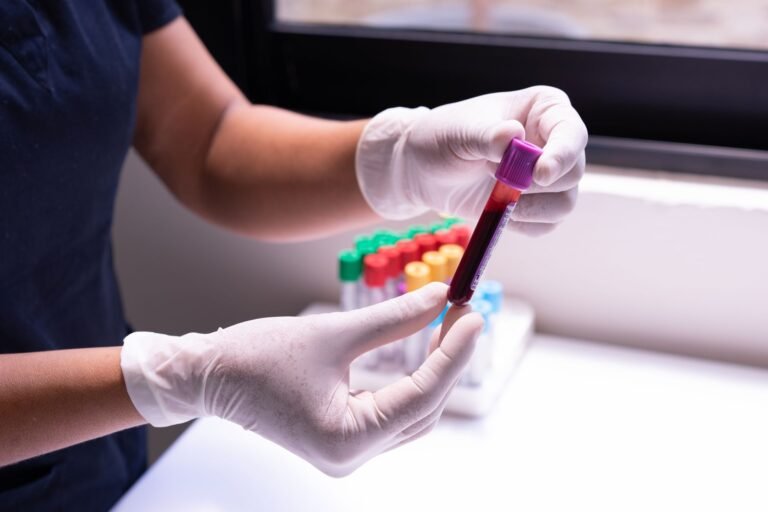
Blood tests are laboratory analyses performed on a blood sample, typically drawn from a vein in the arm. These tests serve various purposes, including diagnosing conditions, monitoring health, and assessing the effectiveness of treatments. Blood tests are often quick and relatively straightforward, making them a common tool in both preventive healthcare and disease management.
The blood is composed of several components, including red blood cells, white blood cells, platelets, and plasma. Each component can provide unique information about a person’s health. For example, red blood cells are crucial for transporting oxygen, while white blood cells are vital for fighting infections.
Healthcare providers may recommend blood tests based on symptoms, routine check-ups, or as part of a treatment plan. The results can help identify underlying health issues and guide further diagnostic steps or interventions.
Types of Blood Tests
There are numerous types of blood tests, each designed to gather specific information about health. Below are some common categories and examples:
- Complete Blood Count (CBC): Measures different components of blood, including red and white blood cells and platelets. It’s often used to diagnose conditions like anemia or infections.
- Basic Metabolic Panel (BMP): Assesses glucose, calcium, and electrolytes, providing insights into metabolism and kidney function.
- Lipid Panel: Evaluates cholesterol levels and triglycerides, helping to assess heart disease risk.
- Thyroid Function Tests: Measures hormones like TSH, T3, and T4 to evaluate thyroid health.
- Coagulation Tests: Such as PT (Prothrombin Time) and aPTT (Activated Partial Thromboplastin Time), assess blood clotting ability, which is critical for surgical patients.

Why Are Blood Tests Important?
Blood tests play a vital role in diagnosing and managing health conditions. Here’s why they are essential:
- Early Detection: Many diseases can be asymptomatic in their early stages. Blood tests can identify abnormalities before symptoms appear, allowing for early intervention.
- Monitoring Chronic Conditions: For individuals with chronic diseases such as diabetes or hypertension, regular blood tests help monitor the effectiveness of treatments and adjust medications accordingly.
- Assessing Overall Health: Routine blood tests can provide a comprehensive overview of an individual’s health, guiding lifestyle changes and preventive measures.
Preparing for a Blood Test
Preparation for a blood test can vary depending on the type of test being performed. Here are some general guidelines:
- Fasting: Some tests, like the fasting glucose test or lipid panel, may require you to fast for 8-12 hours prior to the test. Always follow your provider’s instructions regarding fasting.
- Medication Considerations: Inform your healthcare provider about any medications or supplements you are taking, as some may affect test results.
- Hydration: Staying well-hydrated can make it easier to draw blood, so drink plenty of water unless instructed otherwise.

What to Expect During a Blood Test
Understanding what happens during a blood test can alleviate anxiety and help you feel more prepared:
- Arriving at the Lab: You’ll check in at the laboratory, where you may need to provide personal and insurance information.
- Blood Draw: A healthcare professional will clean the area where blood will be drawn, typically from the inside of your elbow. A needle will be inserted to collect blood into vials.
- Post-Test Care: After the blood draw, you’ll be given a cotton ball or bandage to apply pressure to the site. You might be advised to rest for a few minutes, especially if you feel lightheaded.
Interpreting Blood Test Results
Once the blood test is complete, the results will be analyzed and sent to your healthcare provider. Understanding these results is crucial:
Results are usually compared to established reference ranges, which indicate what is considered normal for healthy individuals. Results falling outside these ranges may indicate a potential issue that requires further investigation.
It’s important to discuss your results with your healthcare provider, who can explain their significance and any necessary follow-up actions. Here’s an example of how results might be interpreted:
- If a lipid panel shows high LDL cholesterol, your provider may recommend lifestyle changes or medications to reduce heart disease risk.
- A low red blood cell count in a CBC test might lead to further tests for anemia or nutritional deficiencies.
- Abnormal thyroid hormone levels could prompt additional testing to assess thyroid function.
Common Concerns About Blood Tests
Many individuals have questions or concerns regarding blood tests:
- Pain Level: While there may be a brief sting during the needle insertion, most people find the discomfort minimal.
- Frequency of Testing: The frequency of blood tests can vary based on individual health needs, but routine tests are often recommended annually for adults.
- Test Accuracy: Blood tests are generally reliable, but factors like improper collection or laboratory errors can affect results. Always consult your provider if results seem inconsistent with your health status.

Understanding the Role of Blood Tests in Preventive Health
Early Detection of Diseases
Blood tests serve as a powerful tool for the early detection of various diseases and health conditions. Many chronic diseases, such as diabetes, kidney disease, and certain types of cancer, can be identified through specific markers in the blood. Regular blood testing can help identify these markers before symptoms manifest, allowing for timely intervention.
For instance, a complete blood count (CBC) can reveal abnormalities in red and white blood cells, which may indicate issues like anemia or infection. Similarly, liver function tests can indicate potential liver damage long before a patient may notice any symptoms. Thus, incorporating routine blood tests into your healthcare regimen can be a proactive approach to maintaining health.
Monitoring Chronic Conditions
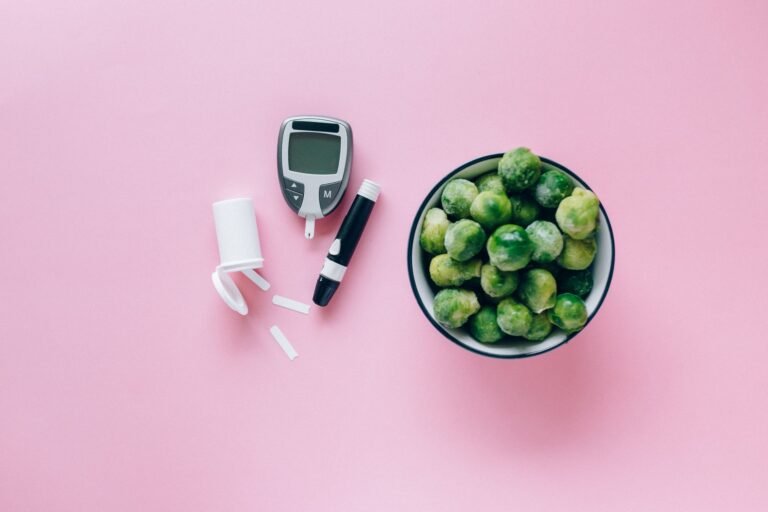
For individuals with chronic health conditions, regular blood tests are crucial for monitoring disease progression and treatment efficacy. For example, patients with diabetes require regular blood glucose monitoring to manage their insulin levels effectively. This helps in assessing how well the current treatment is working and whether adjustments are necessary.
Similarly, patients undergoing treatment for high cholesterol or hypertension may have lipid panels or electrolyte tests performed regularly to ensure that their medication is controlling these conditions effectively. Regular monitoring through blood tests can help in adjusting treatment plans promptly, thereby improving health outcomes.
Preventive Blood Testing Recommendations
- Adults should have a fasting blood glucose test every 3 years starting at age 45.
- Cholesterol levels should be checked every 4-6 years for adults aged 20 and older.
- Liver function tests are recommended every 1-2 years for those at risk of liver disease.
- Thyroid function tests are advisable for individuals with a family history of thyroid disease.
The Impact of Lifestyle on Blood Test Results
Diet and Nutrition
Your diet can significantly influence your blood test results. For example, high-fat meals can elevate triglyceride levels, while a diet rich in fruits and vegetables can improve overall health markers. Nutrient deficiencies, such as low vitamin D or B12, can also be detected through blood tests and may indicate the need for dietary adjustments.
It is important to maintain a balanced diet prior to your blood test. Some healthcare providers may recommend dietary restrictions leading up to the test, especially for lipid panels that require fasting. Consuming a nutrient-rich diet not only helps in achieving better test results but also supports overall well-being.
Exercise and Physical Activity
Physical activity plays a crucial role in influencing various blood markers. Regular exercise can improve cardiovascular health and lower cholesterol levels. It can also enhance insulin sensitivity, which is particularly beneficial for those at risk of diabetes. However, it is important to maintain a consistent exercise routine leading up to your blood test.
Sudden changes in physical activity, such as intense workouts shortly before testing, can skew results. For example, intense exercise can temporarily elevate creatinine levels, which may mislead healthcare providers regarding kidney function. Therefore, it is advisable to maintain a regular exercise regimen rather than making last-minute changes.
Other Lifestyle Factors to Consider
- Smoking can adversely affect blood test results, leading to higher levels of certain substances.
- Alcohol consumption can impact liver function tests; abstaining for 24-48 hours prior may yield more accurate results.
- Stress can elevate cortisol levels, which might affect other markers in the blood.
- Medications and supplements should be disclosed to healthcare providers, as they can influence blood test outcomes.

Understanding Specialized Blood Tests
Genetic Testing and Blood Samples
Genetic testing increasingly utilizes blood samples to identify inherited conditions and predispositions to specific diseases. This type of testing can inform individuals about genetic risks for conditions such as certain cancers, cardiovascular diseases, and rare genetic disorders. Understanding your genetic makeup through blood tests can empower you and your healthcare provider to make informed decisions about preventive measures and treatment options.
While genetic testing can provide valuable insights, it is essential to discuss the implications of the results with a healthcare professional. Not all genetic markers lead to definitive outcomes, and the emotional and psychological impact of such information should be considered.
Hormonal Blood Tests
Hormonal blood tests measure levels of hormones in the bloodstream and can provide insights into various health aspects, including reproductive health, thyroid function, and metabolic processes. For example, testing for thyroid hormones (TSH, T3, and T4) can help diagnose hypothyroidism or hyperthyroidism, conditions that can significantly affect overall health and well-being.
Additionally, hormonal blood tests can be useful for addressing issues related to fertility and menstrual irregularities. Understanding hormonal imbalances can lead to targeted treatments and lifestyle changes that help restore balance.
Infectious Disease Testing
- Tests for HIV, Hepatitis B, and Hepatitis C are critical for early detection and management.
- Blood cultures can help diagnose bacterial infections in the bloodstream.
- Specific antibody tests can determine past infections or immunity to diseases like measles or mumps.
- Travel-related blood tests, such as those for malaria or dengue fever, can be vital for travelers to endemic regions.
Understanding Blood Test Markers
Common Blood Markers and Their Significance
Blood tests can provide insights into various bodily functions and conditions through specific markers. Here are some common markers and what they indicate:
- Complete Blood Count (CBC): Measures components like red blood cells, white blood cells, and platelets. It helps assess overall health and detect disorders such as anemia or infections.
- Lipid Panel: Evaluates cholesterol levels, including LDL and HDL. This is crucial for assessing cardiovascular risk.
- Blood Glucose Levels: Indicates sugar levels in the blood, essential for diagnosing and managing diabetes.
How Blood Markers Reflect Health Status
Blood markers serve as indicators of health, and understanding them can help you make informed decisions about your health. For instance, elevated LDL cholesterol levels can suggest a need for dietary changes or medications to lower cardiovascular risk. Conversely, low hemoglobin levels can indicate anemia, prompting further investigation or treatment.
The Role of Inflammation Markers
Inflammation markers like C-reactive protein (CRP) and erythrocyte sedimentation rate (ESR) are essential for understanding chronic inflammatory conditions. High levels may indicate the presence of infections, autoimmune diseases, or other inflammatory disorders. Monitoring these markers can assist healthcare providers in tailoring treatment plans effectively.

Blood Tests in Chronic Disease Management
Regular Monitoring of Chronic Conditions
For those with chronic conditions such as diabetes, hypertension, or autoimmune diseases, regular blood tests are vital. These tests help track the effectiveness of treatments, adjust medications, and detect any complications early. For instance, individuals with diabetes should regularly monitor their hemoglobin A1c levels to assess long-term glucose control.
Personalized Treatment Plans
Blood tests can guide personalized treatment strategies. For example, genetic testing through blood samples can help identify how an individual may respond to certain medications. This can lead to more effective treatment plans that minimize side effects and optimize therapeutic outcomes.
Evaluating Medication Effects
Monitoring blood tests is crucial for evaluating the effectiveness of specific medications. For instance, patients on anticoagulants may require regular INR tests to ensure their blood clotting levels remain within a safe range. This ongoing assessment helps prevent complications associated with over or under-medication.
The Future of Blood Testing
Advancements in Blood Testing Technology
Recent innovations in blood testing technology promise to enhance accuracy and efficiency. Liquid biopsies, for instance, enable the detection of cancer-related genetic mutations using small blood samples, offering a less invasive alternative to traditional biopsies.
At-Home Blood Testing Kits
The rise of at-home blood testing kits provides convenience for individuals wishing to monitor their health without frequent visits to a lab. These kits can be used to measure various health markers, from cholesterol levels to vitamin deficiencies, allowing for proactive health management.
Data Integration and Health Monitoring
As technology advances, integrating blood test data with health tracking apps can provide a comprehensive view of an individual’s health. This integration empowers patients to take charge of their health by tracking changes over time and sharing results with healthcare providers easily.
For more information, see CDC.
Frequently Asked Questions
How long do blood test results take?
Results can take anywhere from a few hours to several days, depending on the type of test and the laboratory’s workload.
Are there risks associated with blood tests?
Blood tests are generally safe. Minor risks include bruising, bleeding, or infection at the needle site.
Can I eat before a blood test?
It depends on the test. Some tests require fasting, while others do not. Always follow your healthcare provider’s instructions.
What should I do if I have questions about my results?
Contact your healthcare provider to discuss any concerns or questions regarding your blood test results and their implications for your health.
The Bottom Line
Blood tests are invaluable tools in healthcare, offering insights into various aspects of health. Understanding the types of tests, preparation requirements, and how to interpret results can empower you to take charge of your health. Always consult your healthcare provider for personalized guidance and to address any specific concerns.
Was this page helpful?
Thanks for your feedback! What could we improve?
Thank you! Your feedback helps us improve our articles.
Medically reviewed by
Dr. Bernard ReynoldsPhysician with experience in patient care and preventive medicine, focused on early detection, disease prevention and long-term wellness.
True Impact Health articles are written by our editorial team and based on reliable sources such as public health agencies, clinical guidelines and peer-reviewed research. This article has been checked by a doctor on our review panel. Read our editorial process.
This content is for general information and is not a substitute for professional medical advice, diagnosis or treatment.