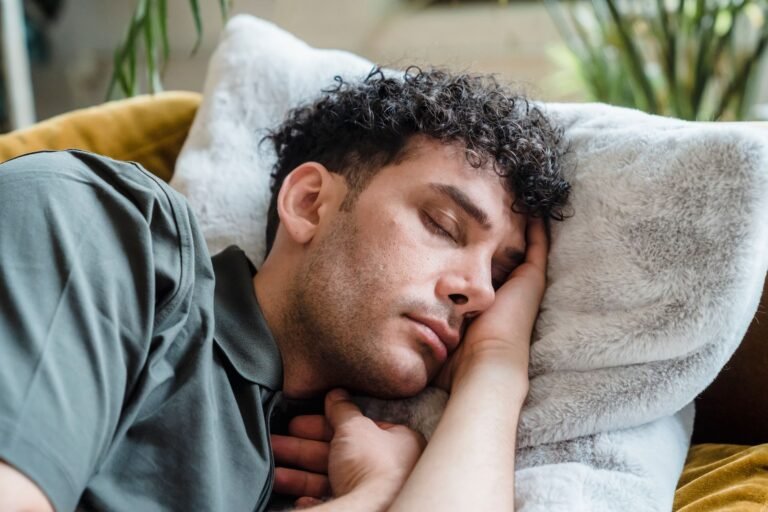
Understanding Sleep Apnea: Causes, Symptoms, and Solutions
Explore sleep apnea: its symptoms, causes, and treatment options for a healthier night's sleep.

Table of Contents
Key Takeaways
- Learn about the various types of sleep apnea.
- Identify common symptoms and risks associated with sleep apnea.
- Discover effective treatment options to improve sleep quality.
- Understand the importance of seeking professional help.
Sleep apnea is a serious sleep disorder that occurs when a person’s breathing is interrupted during sleep. This condition can lead to fragmented sleep and low oxygen levels in the blood, which can have serious health consequences. Understanding sleep apnea is essential for those who suspect they might be affected or are looking to support someone who is.
There are various types of sleep apnea, but the most common are obstructive sleep apnea (OSA) and central sleep apnea (CSA). OSA is caused by the relaxation of throat muscles, whereas CSA occurs when the brain fails to send the appropriate signals to the muscles that control breathing. This article will explore the symptoms, causes, risk factors, and treatment options available for sleep apnea.
Recognizing the signs of sleep apnea early is crucial, as untreated sleep apnea can lead to a range of health issues, including cardiovascular problems, daytime fatigue, and complications with other medical conditions. If you or a loved one experiences symptoms of sleep apnea, seeking professional evaluation and treatment is advisable.
Types of Sleep Apnea
Understanding the different types of sleep apnea is essential for effective diagnosis and treatment. Each type has its own characteristics and underlying causes.
Obstructive Sleep Apnea (OSA)
Obstructive sleep apnea is the most prevalent form of sleep apnea. This condition occurs when the throat muscles relax excessively during sleep, leading to a blockage of the upper airway. This blockage can last from a few seconds to minutes and often results in the individual waking up gasping for air. Common causes include obesity, enlarged tonsils, and a thick neck circumference.
Individuals with OSA may experience loud snoring, restless sleep, and frequent awakenings throughout the night. These disruptions can lead to significant daytime sleepiness and fatigue, impacting productivity and overall well-being.
Central Sleep Apnea (CSA)
Central sleep apnea is less common and is characterized by a failure of the brain to send signals to the muscles that control breathing. This type of sleep apnea can occur in individuals with certain medical conditions, such as heart failure or stroke. Unlike OSA, CSA does not involve a physical blockage of the airway.
Symptoms of CSA can include episodes of stopped breathing during sleep, sudden awakenings with shortness of breath, and difficulty maintaining sleep. Treatment often focuses on addressing the underlying health issues contributing to the condition.
Complex Sleep Apnea Syndrome
Complex sleep apnea syndrome, also known as treatment-emergent central sleep apnea, is a combination of both OSA and CSA. It is diagnosed when a patient exhibits signs of both types of sleep apnea. Treatment for complex sleep apnea may involve a combination of therapies and a careful monitoring plan.
Symptoms of Sleep Apnea
Identifying the symptoms of sleep apnea is critical for timely intervention. Common symptoms can vary based on the type of sleep apnea and the individual but often include:
- Loud Snoring: Often a primary indicator, especially in obstructive sleep apnea.
- Gasping or Choking: Episodes of choking or gasping during sleep may wake the individual or their partner.
- Daytime Sleepiness: Persistent fatigue during the day, difficulty concentrating, and irritability are common.
- Morning Headaches: Frequent morning headaches can result from disrupted sleep and oxygen deprivation.
- Dry Mouth or Sore Throat: Waking up with a dry mouth or sore throat can indicate mouth breathing during sleep.
In a relatable illustration, consider a middle-aged man named Mark. He often wakes up feeling tired, despite spending a full night in bed. His partner notices that he snores loudly and sometimes gasps for air. After discussing these symptoms with his doctor, Mark undergoes a sleep study and is diagnosed with obstructive sleep apnea. Recognizing the signs early allowed him to pursue treatment options before the condition led to more serious health issues.

Risk Factors for Sleep Apnea
Various factors can increase the likelihood of developing sleep apnea. Understanding these risk factors can help individuals recognize their own potential vulnerabilities.
Obesity
Obesity is one of the most significant risk factors for obstructive sleep apnea. Excess weight, particularly around the neck, can constrict the airway during sleep, leading to breathing difficulties. A comprehensive weight management program may be beneficial in reducing the severity of sleep apnea symptoms.
Age
Sleep apnea can affect individuals of all ages, but it is more common among older adults. As people age, the muscle tone in the throat decreases, making airway collapse more likely during sleep. Older adults may also be more prone to other health conditions that contribute to sleep apnea.
Gender
Men are more likely than women to develop sleep apnea, although the risk for women increases after menopause. Hormonal changes and anatomical differences may play a role in these gender disparities.
Family History
A family history of sleep apnea can increase the likelihood of developing the condition. Genetic factors may contribute to anatomical features that predispose individuals to airway obstruction during sleep.
Other Health Conditions
Several medical conditions can increase the risk of sleep apnea, including:
- Hypertension
- Diabetes
- Heart disease
- Chronic lung diseases
- Polycystic ovary syndrome (PCOS)
Diagnosis of Sleep Apnea
Accurate diagnosis is essential for effective treatment of sleep apnea. If you suspect you have sleep apnea, a healthcare provider will typically follow these steps:
Medical History and Symptoms Review
The first step in diagnosing sleep apnea involves discussing your medical history and symptoms with your doctor. They will ask about your sleep patterns, any observed symptoms from your partner, and your overall health history.
Sleep Study (Polysomnography)
A sleep study, known as polysomnography, is usually conducted to measure various body functions during sleep. This test records brain waves, oxygen levels, heart rate, breathing patterns, and eye and leg movements. It can be done in a sleep clinic or at home with portable monitoring equipment.
Home Sleep Apnea Testing
In certain cases, a home sleep apnea test may be recommended. This involves using portable devices to monitor breathing patterns while you sleep at home. The results from these tests can provide valuable information for diagnosis.

Treatment Options for Sleep Apnea
Effective treatment for sleep apnea is crucial for improving sleep quality and preventing serious health complications. Treatment options vary based on the severity of the condition and may include lifestyle changes, devices, and surgical interventions.
Lifestyle Changes
For many individuals, making lifestyle changes can significantly improve sleep apnea symptoms. Some recommended changes include:
- Weight Loss: Reducing weight can alleviate pressure on the airway and improve breathing during sleep.
- Avoiding Alcohol and Sedatives: These substances relax the throat muscles, increasing the risk of airway obstruction.
- Changing Sleep Position: Sleeping on your side instead of your back can help keep the airway open.
Continuous Positive Airway Pressure (CPAP)
CPAP therapy is one of the most common treatments for sleep apnea. This device delivers a continuous stream of air through a mask worn during sleep, keeping the airway open and preventing obstructions. Many patients report feeling more rested and alert after starting CPAP therapy.
Oral Appliances
Oral appliances are custom-fitted devices that help keep the airway open by repositioning the jaw and tongue. These devices can be a suitable alternative for individuals with mild to moderate sleep apnea who cannot tolerate CPAP.
Surgery
In some cases, surgical options may be considered for treating sleep apnea. Surgical interventions can involve removing excess tissue from the throat, repositioning the jaw, or correcting anatomical abnormalities. Surgery is typically reserved for individuals who do not respond to other treatment modalities.
Understanding the Impact of Sleep Apnea on Mental Health
The Connection Between Sleep Apnea and Depression
Sleep apnea is not just a physical condition; it can also have significant psychological consequences. Research indicates that individuals with sleep apnea are at a higher risk of developing depression. The fragmented sleep patterns caused by frequent awakenings can lead to feelings of fatigue, irritability, and overall dissatisfaction with life, which are common signs of depression.
Moreover, the stress of managing a chronic condition like sleep apnea can exacerbate symptoms of depression. Those who struggle to find effective treatment may feel hopeless, further deepening their emotional distress. It is crucial for healthcare providers to recognize these mental health implications when treating patients with sleep apnea.
- Increased irritability and mood swings
- Feelings of hopelessness
- Difficulty concentrating
Anxiety Disorders and Sleep Apnea
In addition to depression, sleep apnea has been linked to increased levels of anxiety. The constant interruptions in sleep can trigger feelings of anxiety and panic, particularly in individuals who are predisposed to anxiety disorders. This can create a vicious cycle where anxiety exacerbates sleep disturbances, leading to more severe sleep apnea symptoms.
Individuals may find themselves worrying about their sleep quality, which can lead to heightened anxiety about falling asleep or staying asleep. This anxiety can also manifest physically, leading to symptoms like rapid heartbeat and sweating, making it even more challenging to achieve restful sleep.
- Increased heart rate during the night
- Difficulty relaxing before bed
- Persistent worries about sleep quality
Strategies for Managing Mental Health with Sleep Apnea
Given the interplay between sleep apnea and mental health, it is essential for treatment plans to address both aspects. Cognitive-behavioral therapy (CBT) is often recommended for individuals dealing with anxiety and depression as it can provide tools to manage negative thought patterns and improve coping skills.
Additionally, mindfulness practices such as meditation and yoga can be beneficial. These techniques can help reduce stress and improve overall mental well-being. Engaging in regular physical activity is also a powerful way to combat both sleep apnea and its associated mental health challenges.
- Seek therapy for emotional support
- Incorporate mindfulness practices into daily routine
- Engage in regular physical activity

Lifestyle Modifications to Alleviate Sleep Apnea Symptoms
Weight Management and Diet
One of the most impactful lifestyle changes for individuals with sleep apnea is weight management. Excess weight, particularly around the neck, can exacerbate airway obstruction during sleep. Even a modest weight loss of 5 to 10% can lead to a significant improvement in sleep apnea symptoms.
In addition to weight loss, dietary changes can also play a vital role. Incorporating fruits, vegetables, whole grains, and lean proteins into one’s diet can help support weight management. Avoiding alcohol and sedatives is also crucial, as these substances can relax the throat muscles and worsen sleep apnea.
- Focus on whole, nutrient-dense foods
- Limit high-calorie, processed foods
- Reduce alcohol consumption
Exercise and Physical Activity
Regular physical activity can help improve sleep apnea symptoms. Exercise aids in weight management and enhances overall cardiovascular health, which is vital for those with sleep apnea. Aerobic activities like walking, swimming, and cycling are particularly beneficial.
Moreover, strength training can help build muscle mass, which supports metabolic health and may aid in weight loss. Engaging in regular exercise can also improve sleep quality, reduce daytime sleepiness, and enhance overall mood, providing a holistic approach to managing sleep apnea.
- Incorporate both aerobic and strength training exercises
- Aim for at least 150 minutes of moderate exercise per week
- Consider activities like yoga for relaxation and flexibility
Sleep Hygiene Practices
Good sleep hygiene is essential for managing sleep apnea. Establishing a regular sleep schedule by going to bed and waking up at the same time each day helps regulate the body’s internal clock. Creating a comfortable sleep environment can also improve sleep quality.
Limiting screen time before bed, keeping the bedroom dark and cool, and using comfortable bedding can all contribute to better sleep. Additionally, developing a relaxing pre-sleep routine, such as reading or taking a warm bath, can signal the body that it is time to wind down.
- Set a consistent sleep schedule
- Create a comfortable sleep environment
- Limit caffeine and nicotine intake
Emerging Technologies and Innovations in Sleep Apnea Treatment
Wearable Technology for Monitoring Sleep
Recent advancements in wearable technology have made it easier for individuals to monitor their sleep patterns and apnea events. Devices such as smartwatches and fitness trackers can provide valuable insights into sleep quality and duration, helping users identify potential issues.
This data can be shared with healthcare providers, enabling more personalized treatment plans. Some wearables even offer features like heart rate monitoring and oxygen saturation levels, which can be crucial for individuals with sleep apnea.
- Track sleep patterns and apnea events
- Monitor heart rate and oxygen levels
- Use data to inform healthcare providers
Innovative Treatment Devices
Alongside traditional CPAP machines, several innovative treatment devices are being developed to assist individuals with sleep apnea. These include dental devices designed to reposition the jaw and tongue, creating a clearer airway during sleep.
Additionally, advancements in positive airway pressure therapy are leading to quieter, more comfortable devices that are easier to use. Some new models even incorporate built-in humidifiers and advanced technology to adapt to the user’s breathing patterns, improving compliance and effectiveness.
- Explore dental appliances for jaw repositioning
- Consider advancements in CPAP technology
- Stay informed about new treatment options as they become available
Telehealth and Remote Monitoring
The rise of telehealth has transformed the approach to managing sleep apnea. Patients can now consult with specialists remotely, which is particularly beneficial for those in rural or underserved areas. This access can lead to quicker diagnoses and adjustments in treatment plans.
Remote monitoring tools allow patients to manage their conditions from home, providing healthcare providers with real-time data on treatment effectiveness. This not only enhances patient engagement but also helps in timely interventions, leading to better outcomes.
- Utilize telehealth for remote consultations
- Monitor treatment effectiveness through home devices
- Engage with healthcare providers regularly to adjust treatments
For more information, see Cleveland Clinic.
Frequently Asked Questions
What are the long-term effects of untreated sleep apnea?
Untreated sleep apnea can lead to serious health complications, including cardiovascular disease, hypertension, diabetes, and daytime fatigue, which can increase the risk of accidents.
How is sleep apnea related to snoring?
Snoring is often a symptom of obstructive sleep apnea. The vibrations of the throat tissue during breathing can cause loud snoring, which may indicate underlying airway obstruction.
Can children have sleep apnea?
Yes, children can have sleep apnea, often due to enlarged tonsils and adenoids. Parents should be vigilant about their child’s sleep patterns and seek medical advice if they notice symptoms.
How can I improve my sleep hygiene?
Improving sleep hygiene can help enhance overall sleep quality. Some tips include maintaining a regular sleep schedule, creating a comfortable sleep environment, and limiting screen time before bed.
The Bottom Line
Sleep apnea is a common yet serious sleep disorder that can significantly impact an individual’s health and well-being. Recognizing the symptoms and understanding the risk factors are crucial steps toward seeking appropriate treatment. Lifestyle changes, CPAP therapy, oral appliances, and surgical options are all viable treatments that can help mitigate the effects of sleep apnea. If you suspect you or a loved one may have sleep apnea, consulting a healthcare professional is essential for accurate diagnosis and effective management.
Was this page helpful?
Thanks for your feedback! What could we improve?
Thank you! Your feedback helps us improve our articles.
True Impact Health articles are written by our editorial team and based on reliable sources such as public health agencies, clinical guidelines and peer-reviewed research. This article has not yet been medically reviewed. Read our editorial process.
This content is for general information and is not a substitute for professional medical advice, diagnosis or treatment.